



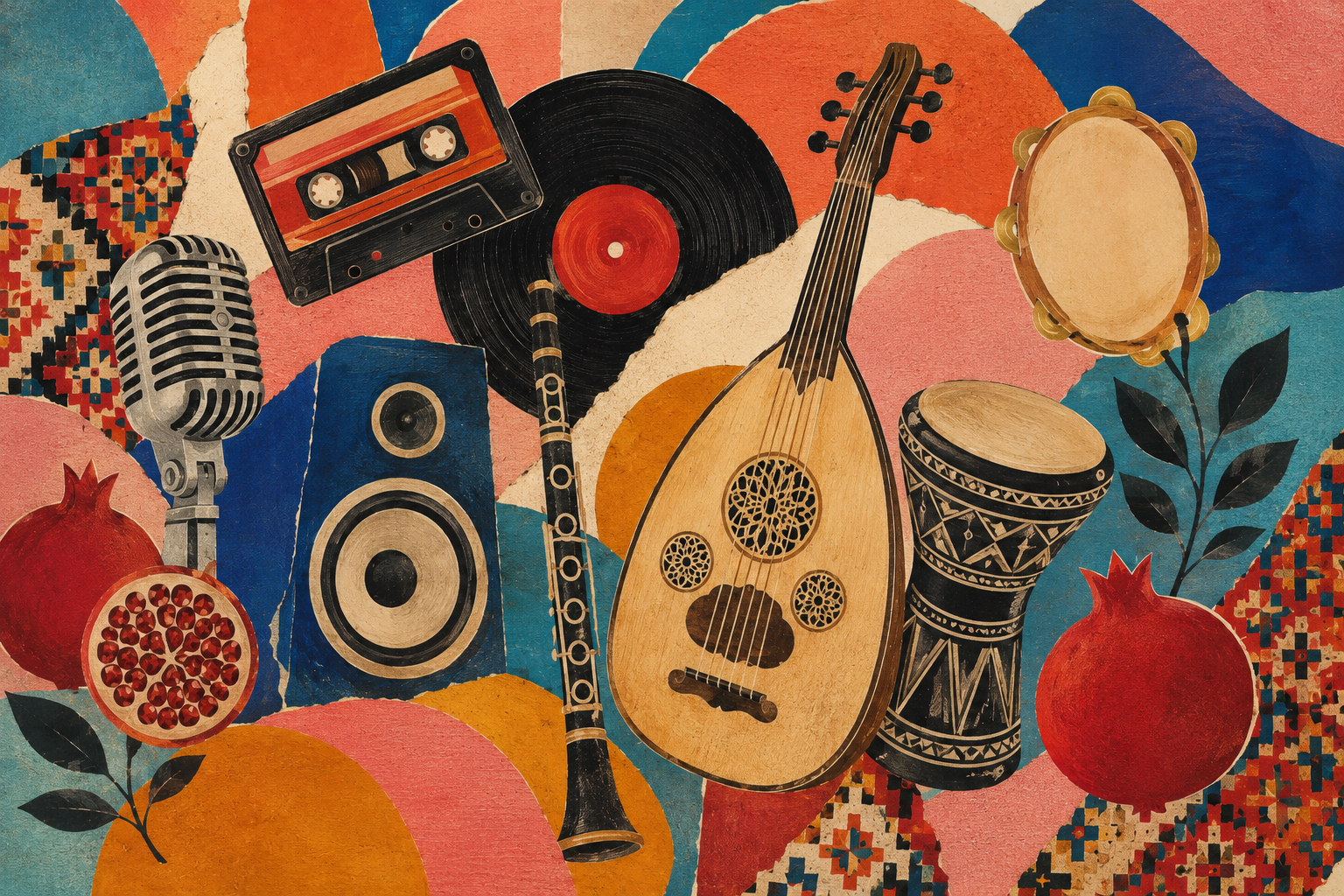
Dedicated to the 250th anniversary of America’s founding, this is the fourth in a series titled “Armenian Arts in America,” exploring the history and impact of Armenians in the arts in the United States. Whether born in the U.S. or immigrants, Armenians have made an indelible mark on American arts.
When thinking of Armenians in the music industry, a few big names likely come to mind. But this community’s involvement has more breadth and depth than one might expect.
Pioneers and performers. Masters and multi-instrumentalists. Preservers and creators. Armenian artists have gravitated to all areas of music, both onstage and backstage.
Whether working in American or Armenian music, many artists have drawn on Armenia’s rich musical traditions to spur innovation, build community and bring joy to a growing diaspora.
And judging by the number of keyboardists, it seems those childhood piano lessons really do pay off.
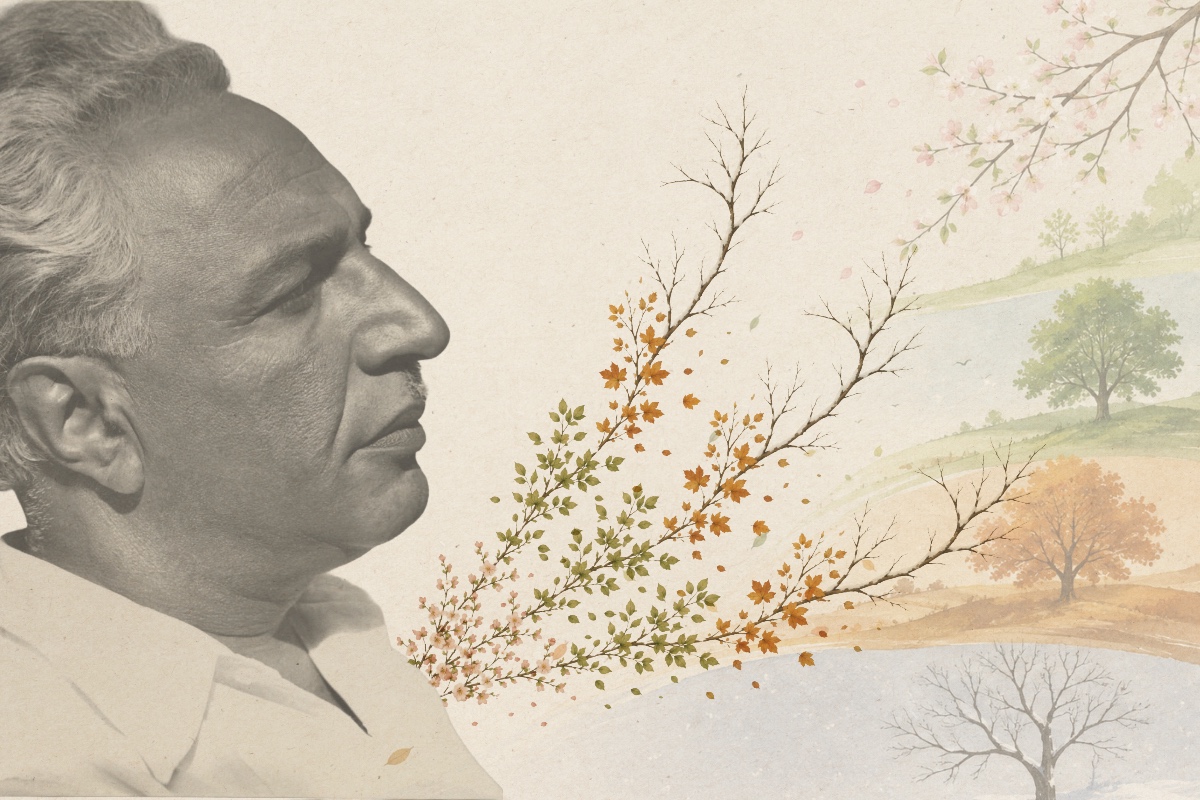
Armenian Pop
Settling in Los Angeles around the same time, these Armenian pop stars became the voice of the diaspora.
Harout Pamboukjian
Known as “Dzakh Harout,” Harout Pamboukjian is one of the most famous artists performing Armenian folk, dance, and revolutionary songs. Beginning in the 1970s, he became a highly sought-after wedding singer, developed his trademark sound –— complete with funky guitars and synthesizers — –and popularized the folk song “Hey Jan Ghapama.”
Paul Baghdadlian
Paul Baghdadlian performed mostly folk and love songs in Armenian, and oftentimes, Arabic. Loving referred to as “Paul the Prince” or “King of Love Songs,” Baghdadlian’s soulful ballads captivated the Armenian diaspora.
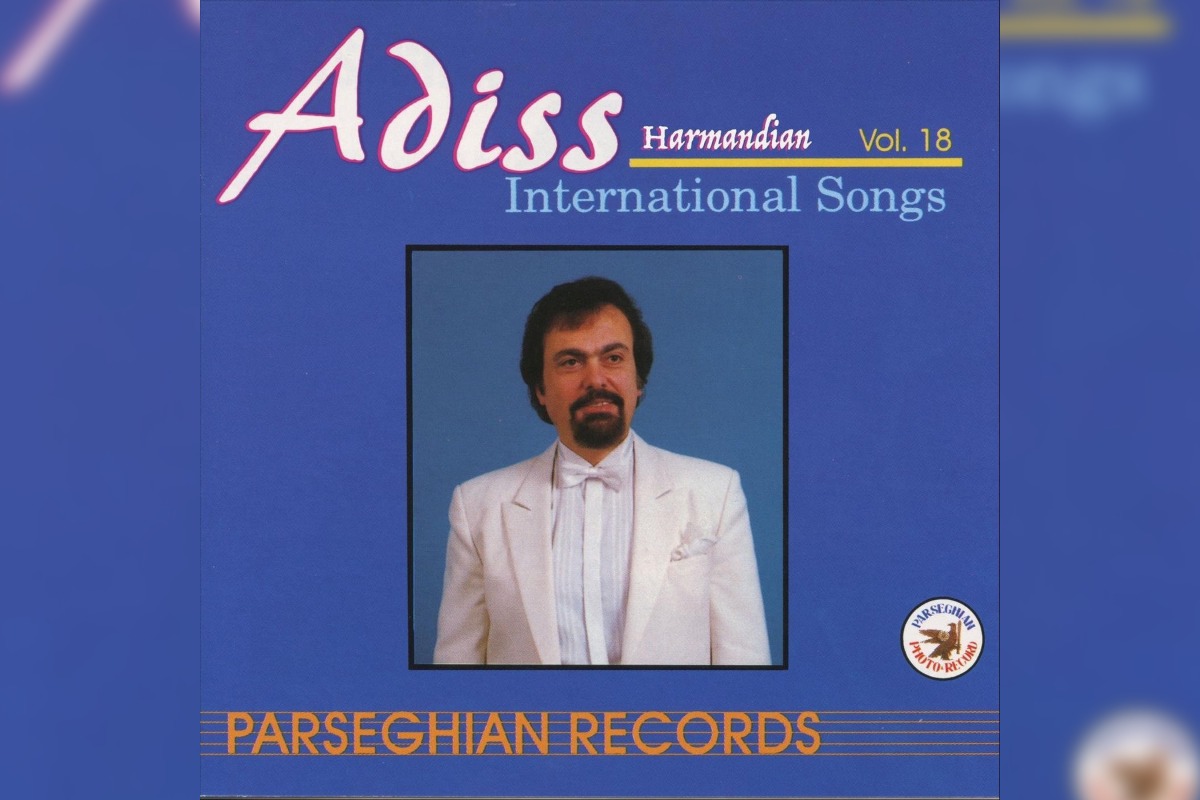
Adiss Harmandian
Adiss Harmandian was a pioneer of the estradayin genre of Armenian music, singing mostly folk songs. With a deep discography, Harmandian is perhaps best known for the song “Noune” and his rendition of “Karoun Karoun.”
Andy
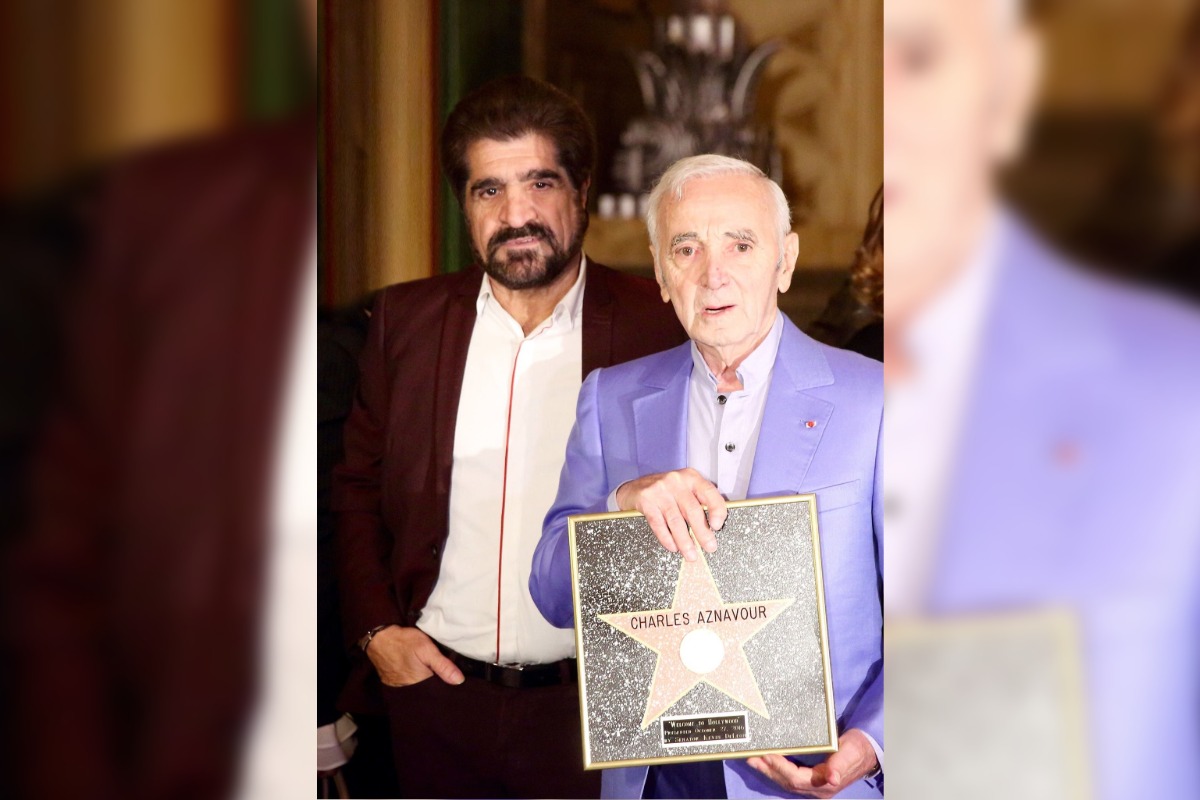
Though better known for his songs in Farsi and nicknamed the “Persian Bono,” Andy Madadian has collaborated with popular American artists, including Jon Bon Jovi, and La Toya Jackson. He has also collaborated with Armenian artists, like Armenchik, Super Sako, and Ararat Amadyan on songs like “Hay Akhchik.” In 2020, Andy received a star on the Hollywood Walk of Fame.
Armenian Kef & Folk
Armenian kef and folk music in the U.S. owe their existence to these masters and pioneers.
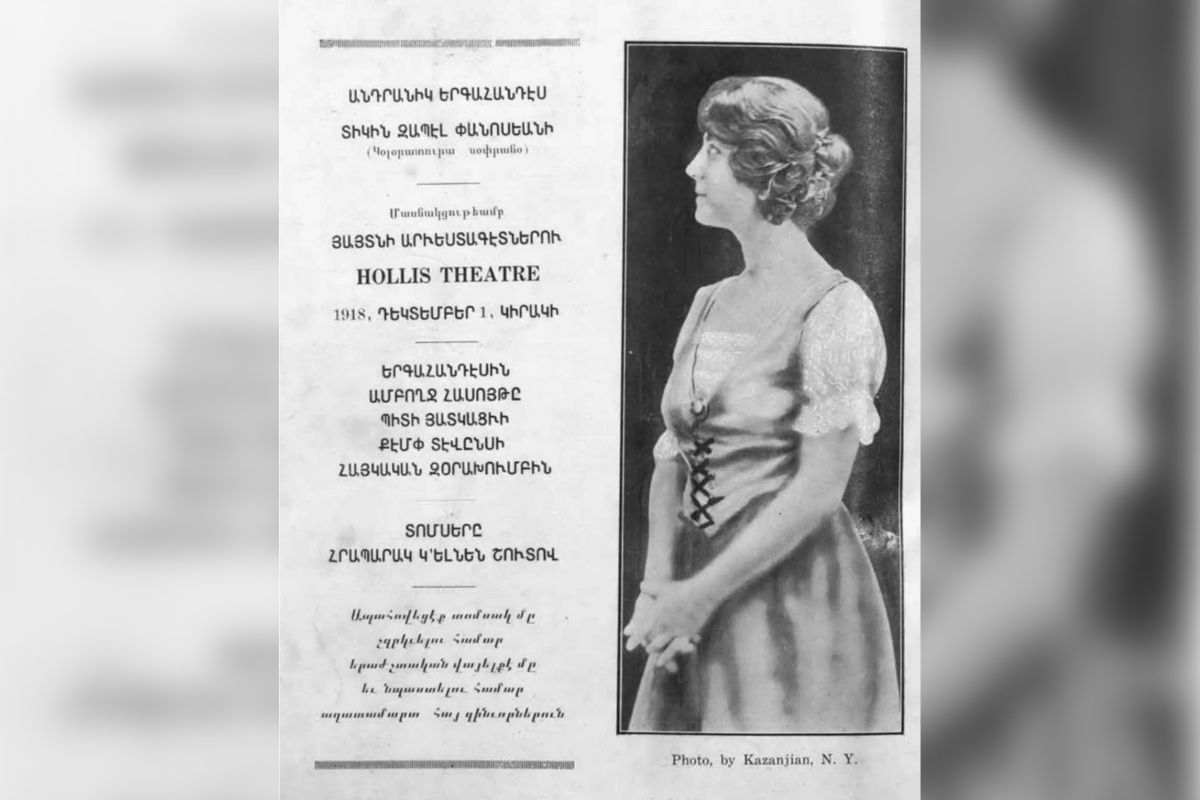
Zabelle Panosian
Zabelle Panosian was a Massachusetts-based soprano who recorded nearly a dozen Armenian folk songs for Columbia Records in 1917. She is best remembered for her rendition of “Groung (Crane),” which is featured in the Silent Cranes Suite on Mary Kouyoumdjian’s album “Witness.”
Richard Hagopian
Born in Fresno County, California, Richard Hagopian is a singer, oud player, and founding member of the Kef Time Band. The band became popular in the 1960s and 1970s, performing at Armenian events around the country. In 1989, Hagopian was named a National Endowment for the Arts Heritage Fellow.
John Berberian
Around the same time, John Berberian was playing the oud along the East Coast. He performed and recorded music for a variety of record labels, creating a sound that blended traditional Armenian music with American rock and jazz.
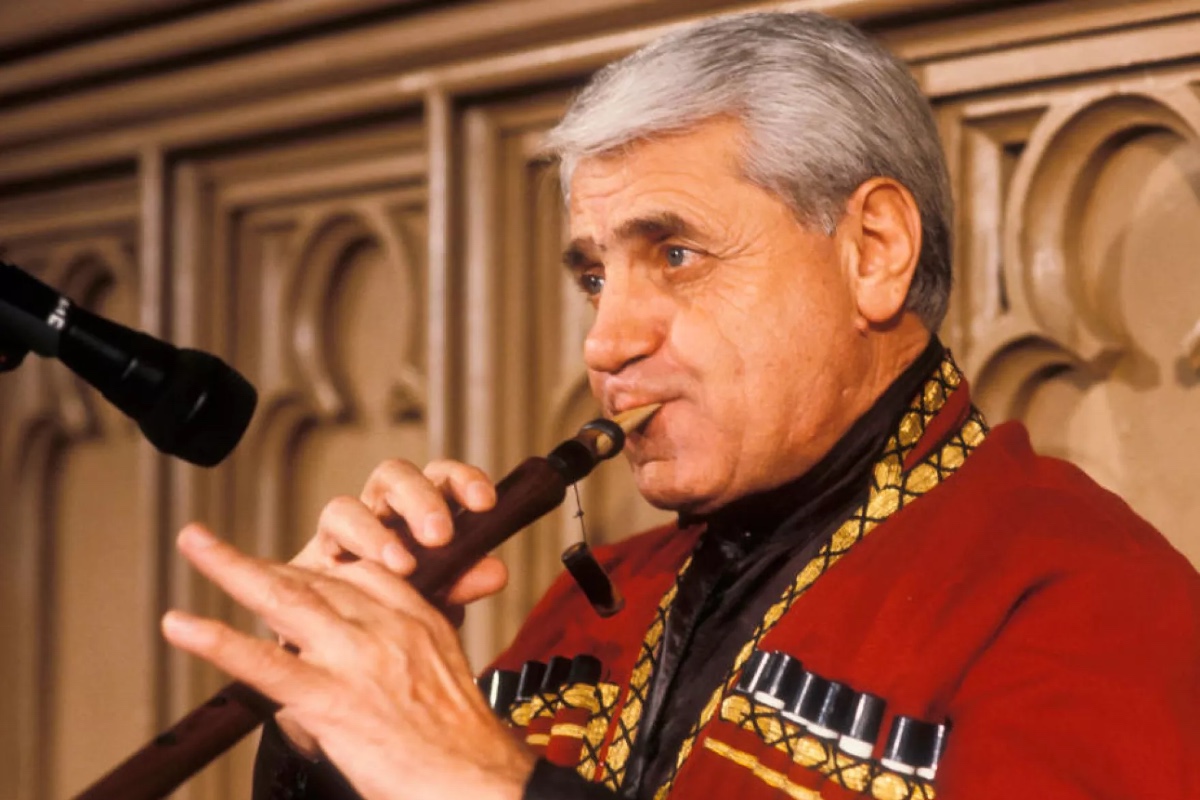
Djivan Gasparyan
Djivan Gasparyan was a composer and master duduk player based in Southern California. Gasparyan was known for bringing worldwide attention to the “Armenian clarinet,” working with a number of popular artists, including Sting, Lionel Richie, and Derek Sherinian. His work is featured on Hans Zimmer’s soundtrack for the 2000 film “Gladiator,” and in 2007, he was nominated for a GRAMMY for Traditional World Music Album for “Endless Vision.”
It’s no surprise that so many family bands found success in the area of kef and folk music, as the genre’s development came from the passing down of musical traditions.
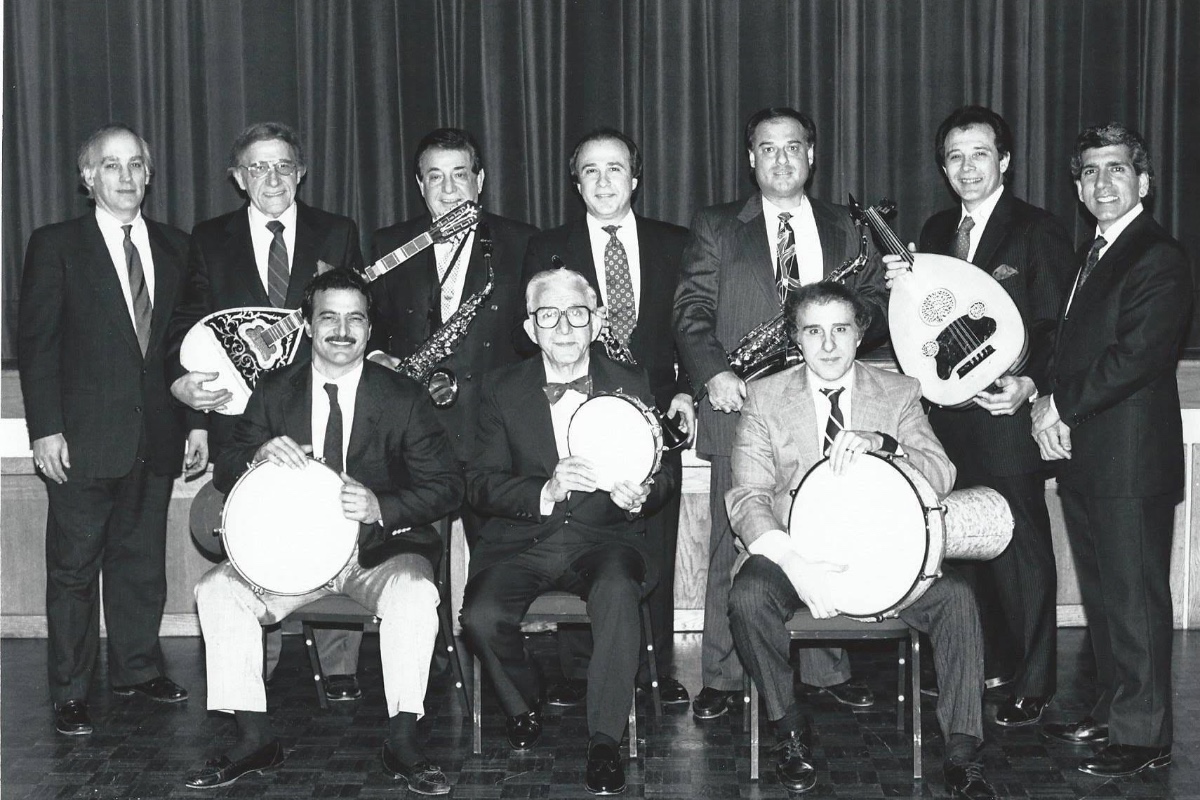
The Vosbikian Band
The Philadelphia-based Vosbikian Band, which began in 1939 with three brothers–Sam on oud, Mike on saxophone, and Joe on dumbeg and vocals–and has seen its membership shift many times over the years, even spawning a “Vosbikian Jrs.” group made up of the sons of original band members. Pioneers of a new kind of kef music more influenced by American big band jazz, the Vosbikian Band quickly became a mainstay at Armenian events on the East Coast.
Hosharian Brothers Band
Renowned musician and composer Edward Hosharian founded the Ed Hosharian Band in the 1960s. Following his passing, his sons Peter and Greg continued the ensemble, renaming it the Hosharian Brothers Band. They preserve and reinterpret traditional Armenian songs, often blending them with contemporary sounds, performing at Armenian festivals, weddings, and other events throughout California.
Onnik and Ara Dinkjian
Singer Onnik Dinkjian and his son, Ara Dinkjian, an oud player and composer are both stewards of Armenian folk music. They have frequently performed and recorded together throughout the years, but also pursued individual musical careers. The younger Dinkjian played the dumbeg at the 1964 World’s Fair, performing alongside John Berberian and George Mgrdichian, before later becoming the first person to earn a degree in oud performance in the U.S. In 2020, the elder Dinkjian was named a National Endowment for the Arts Heritage Fellow.
All of these musical icons have served as inspiration for the next generation.
Armadi Tsayn
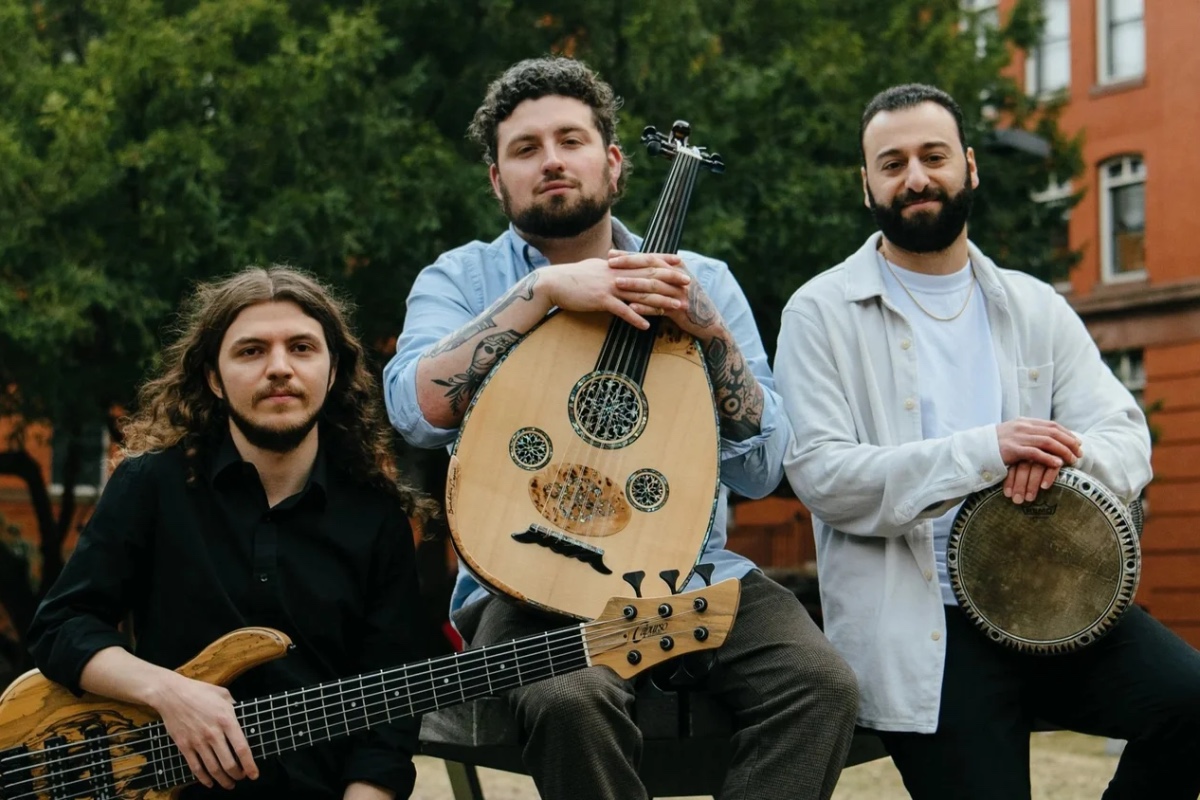
Boston-based contemporary folk ensemble Armadi Tsayn is following in the footsteps of Armenian folk musicians who came before them. Consisting of oud player and composer Samuel Sjostedt, clarinetist Mehrpouya Daneshvar, bassist Filippo Novi-Goller, and percussionist Alek Surenian, the band performs original and traditional songs at folk music festivals and Armenian events along the East Coast.
On the influence of earlier Armenian American musicians, Armadi Tsayn said: “Growing up and listening to the likes of John Berberian, Richard Hagopian, and Onnik Dinkjian inspired us to pick up an oud or dumbeg from a young age. Not only did we find interest in what Western Armenian folk music is, but also what it can become. Like many diasporas in the world, culture is passed down and adapted over time from generation to generation. When the first US Armenian communities began to form in the late 19th century, musicians found ways to bring a sense of life from the old country to new places out of necessity, and with that came an evolution of what we know kef music to be today. For us in Armadi Tsayn, music is a big part of how we partake in honoring our traditions of the past while also carrying them into the future.”
Armenian Fusion
Innovative musicians and DJs are finding ways for traditional Armenian language, melodies, and instruments to coexist with contemporary music styles, such as Rap, Hip-Hop, and Electronic.
Super Sako
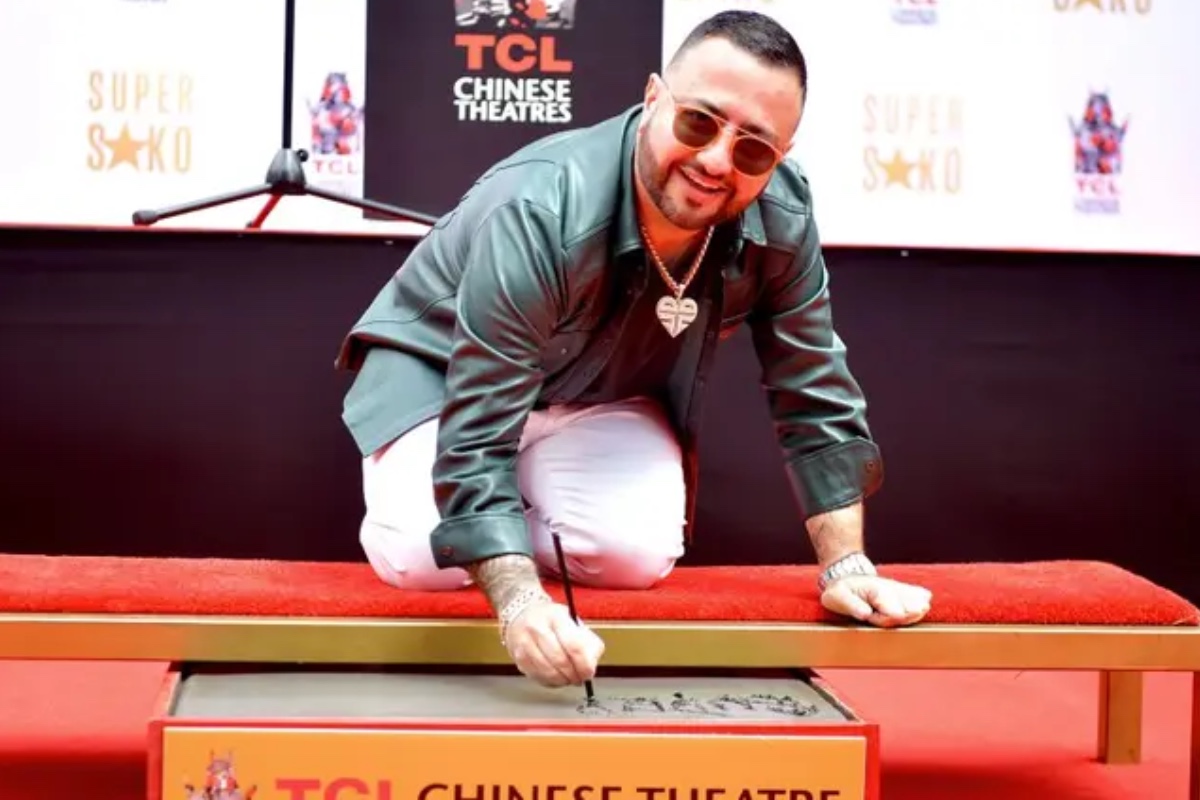
Based in Los Angeles, Super Sako is a rapper, singer, and DJ who was one of the first to mix Armenian music with Rap and Hip-Hop. His 2016 single “Mi Gna (feat. Spitakci Hayko)” was not only popular among the American Armenian diaspora, but also around the world, resulting in a number of covers and remixes, including by French rapper Maître Gims. In 2022, Super Sako was honored with a hand and footprint ceremony at the TCL Chinese Theatre in Hollywood.
Tonee Marino
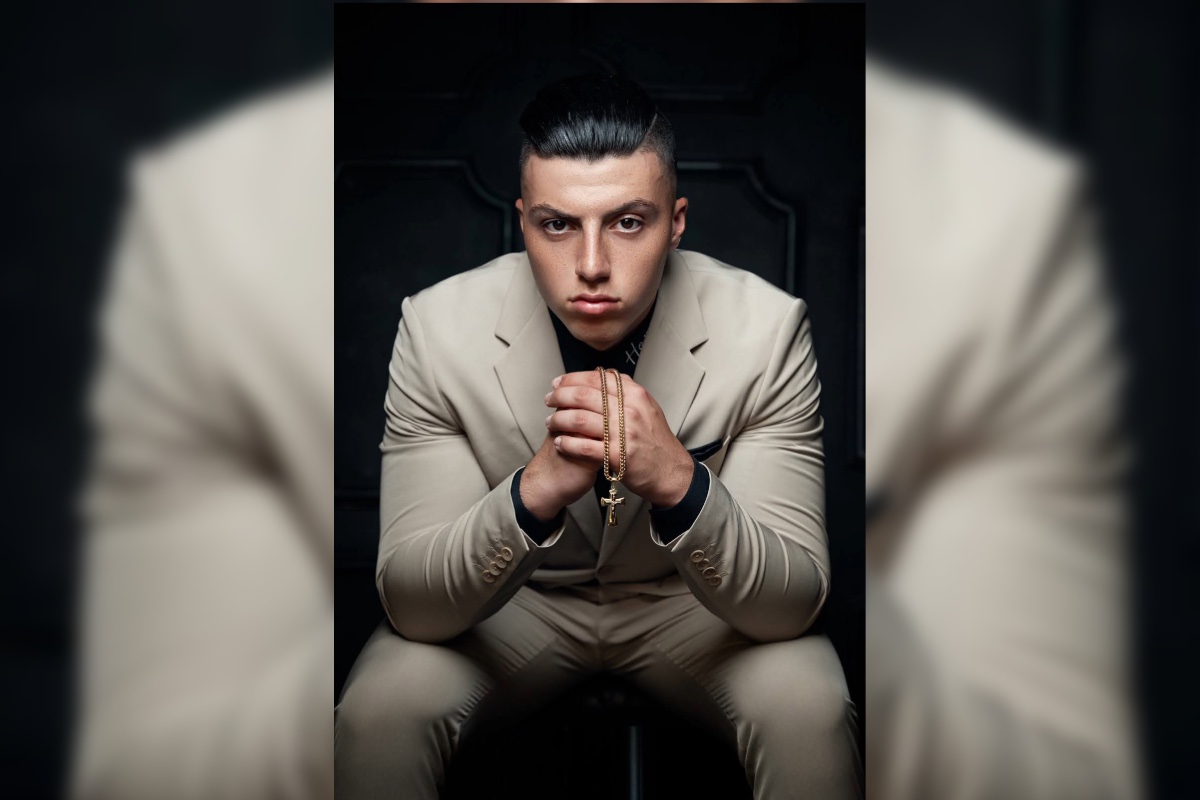
Tonee Marino is a musician and producer from Long Island, New York. Marino has developed a unique sound, blending Armenian lyrics and instruments with the style of Rap and House music. His latest release, “Qele Hayer,” features multiple Armenian artists, including singer Suro Khetchian, Steven Vosbikian on pku, Raffi Massoyan on dhol, and dancers from the Nayiri Dance Ensemble of New Jersey.
When asked about Armenian music in the U.S., Marino said, “Ancient Armenian music, through instruments and melody, has had a surge into the mainstream by the implementation of them in modern music. With my own tracks being played at clubs and events all around the world (U.S., Europe, Middle East, etc.), as well as other artists also beginning to include these things into their music – age-old Armenian traditional sounds have had a revival in the modern era of music. The amount of messages and comments I receive from people saying something along the lines of ‘I’m not Armenian but I love this’ has been overwhelming, and it’s an amazing feeling. I will only work to continue this momentum and highlight the beauty of Armenian culture through my music.”
Armenian Records & Physical Media
From production to preservation, Armenian music lives on, thanks to these individuals and organizations.
Parseghian Records
Founded in 1948 by “The Godfather of Armenian Music” Kevork Parseghian, Parseghian Records was regarded as the largest producer and distributor of Armenian music. The record label was responsible for the majority of the records for the biggest U.S.-based Armenian folk and kef artists, like Harout Pamboukjian and Djivan Gasparyan, as well as iconic compilation albums like “Hot Armenian Dance Mix.”
Discotchari & Rocky Hill Records
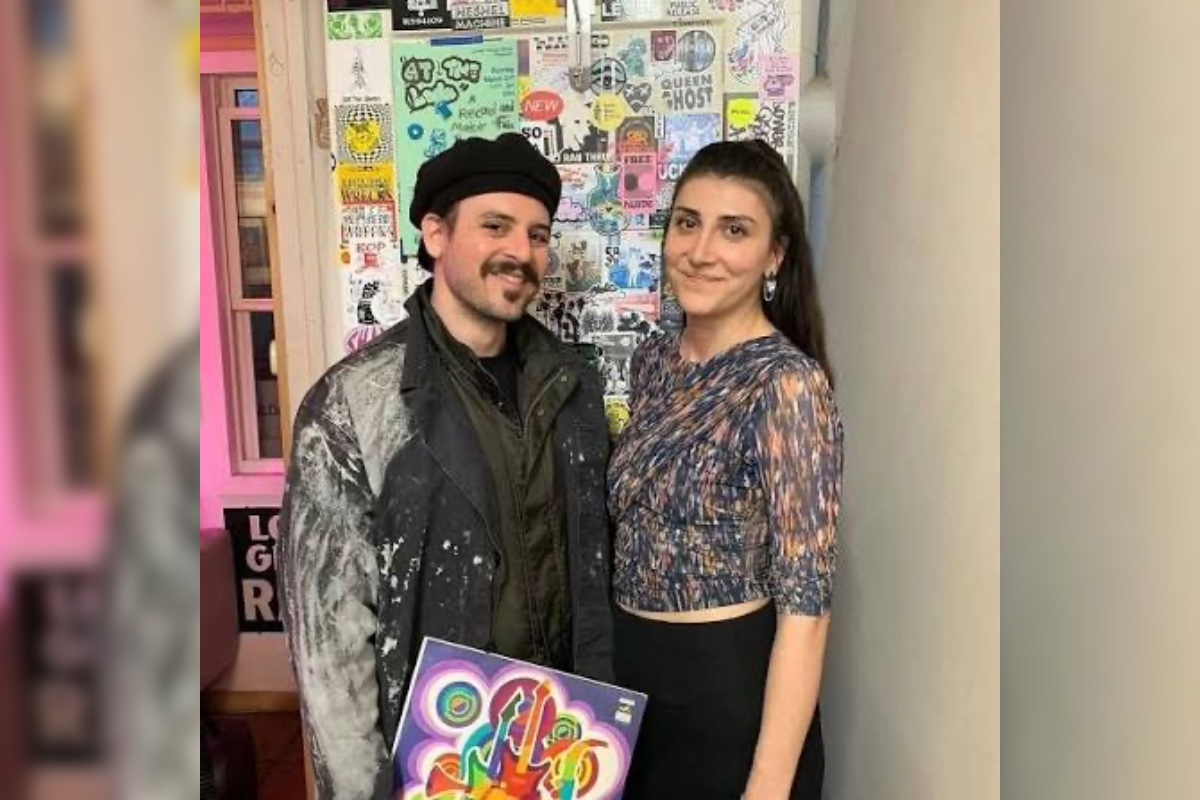
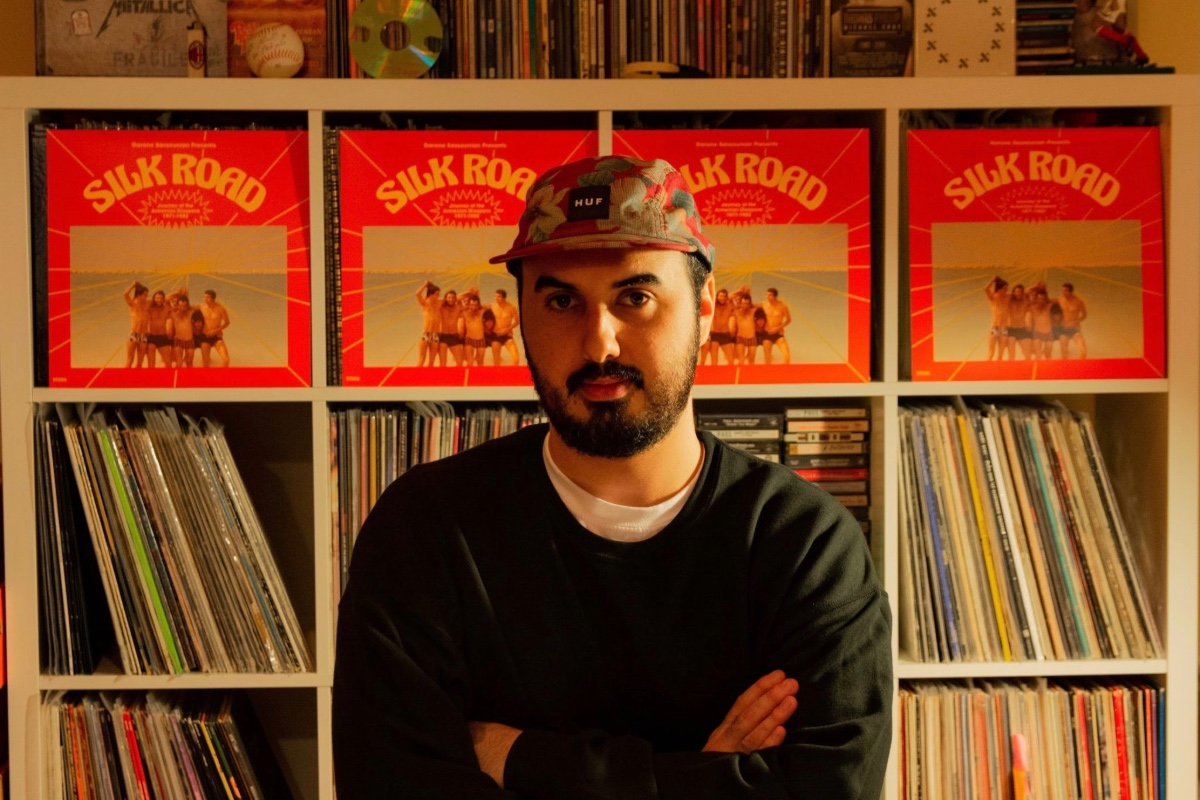
Today, Los Angeles-based record labels Discotchari (founded by Zachary Asdourian and Anaïs Gyulbudaghyan) and Rocky Hill Records (founded by Darone Sassounian) are both dedicated to supporting Armenian artists and musicians around the globe, including new recordings and re-releases or compilations of classic hits.
Hrand Markar Tashjian
In the mid-1920s, Hrand Markar Tashjian opened a record shop in New York City. While he began by simply selling records and a range of electronics, Tashjian later began reissuing out-of-print Armenian records himself. He took out ads in Armenian diaspora newspapers to advertise his labels Armenaphone, Popular, and Perfectaphone.
Armenian Record Archive
With a similar mission to preserve Armenian music for current and future generations is the Armenian Record Archive (ARA). Funded by the Calouste Gulbenkian Foundation, ARA is a non-profit initiative dedicated to preserving, digitizing, and sharing the delicate shellac records of Armenian music from the 1950s and earlier.


Great article
Enjoyed it very much !!!!
Sam KAPREILIAN
Nice article, no mention of Leo Derderian MA/DC: his contributions to the VOA, just saying.
As an avid listener and follower of the Armenian folk music what I have discovered and found interesting over the years is the fact that there is such a sharp contrast between the musical instruments used by Armenian musicians from the western part of the homeland as opposed to those used by musicians from the eastern part of the homeland or contemporary Armenia. For example, while the string instrument Oud is frequently used in western and most often as the dominant sound, I almost never see it used in eastern. It is just about non-existent in eastern. Even if it does exist it is always in the background. Similarly, I never see the Middle Eastern style drum or “dumbek” (dhol or davul in Armenian) and variations of it in the eastern either. While the use of clarinet is widespread in both western and eastern, it is just about never used in folk music in eastern either. Our traditional and authentic wind instruments dominate our folk music in eastern. It is always our most ancient wind instrument the Duduk (Դուդուկ as it is known in Armenian and Christened with the beautiful name of Tsiranapogh [Tsiran-a-pogh] or Ծիրանափող by the late Duduk master Jivan Gasparyan which loosely translates to Apricot Pipe) along with the Zurna (Զուռնա), Pku (Պկու a Zurna-like wind instrument with an animal horn fitted to the bottom bell), Shvi (Շվի loosely translated to a Whistle) and even Parkapzuk (Պարկապզուկ or Bagpipe) that are the dominant sounds in our eastern versions of our folk music. The sounds and styles of play, in both western and eastern, give totally different vibes. To me, the western style is Armenian with slight Middle Eastern touch while the eastern style is distinctively Armenian. This is just a personal opinion but I consider the Duduk as the father of the Armenian folk music. If it is absent from it I feel like it is incomplete. Among many, some of my most favorite Armenian folk music groups, both traditional and contemporary and by the way mostly not from America, are the Agunk Ethnographic Folk Ensemble (founded in 1974), the Shoghaken Ensemble (1991), the Armenian Navy Band (1998), the Element Band (2005), the Gata-Band and the Ethnic-Colors. My most favorite western style band is Onnik and Ara Dinkjian father and son band!