How Alzheimer’s Care Armenia is transforming dementia care
For years, many families in Armenia viewed memory loss as a normal part of aging. Forgetfulness was considered inevitable, even though specialists emphasize it can often be the first sign of dementia or Alzheimer’s disease. For a long time, dementia was rarely discussed in Armenia — often surrounded by shame, fear and misconceptions. Without a clear distinction between normal aging and a medical condition, few people sought professional help.
To bridge this gap, Dr. Jane Mahakian, a gerontologist, founded Alzheimer’s Care Armenia in 2018. The organization’s mission is to raise awareness, make dementia visible and build support systems for families facing memory loss. “Our goal was to put dementia on the map in Armenia, make it visible, and finally open a conversation around an issue that had long been taboo,” Dr. Mahakian told the Weekly. She noted that memory problems were traditionally seen as an unavoidable part of growing older, with few specialists or programs available to evaluate cognitive health.
To change this, the organization has spent recent years launching early detection programs, training health care professionals and expanding community support. In 2023, the organization launched the Brain Health Armenia Project to conduct cognitive assessments among older adults and train hundreds of primary care physicians to spot early signs of impairment. “Early detection is crucial because it helps preserve a person’s quality of life much longer,” Dr. Mahakian said. “Once dementia reaches moderate or advanced stages, medical options become far more limited.”
Of 4,300 older adults screened through the project, about 31% showed signs of mild cognitive impairment — a finding that highlighted the urgent need for prevention, education and support in Armenia. “A very common belief is that memory loss simply comes with age,” Mahakian said. “But dementia is a disease. It affects the brain and a person’s psychological well-being.”
Creating spaces for connection
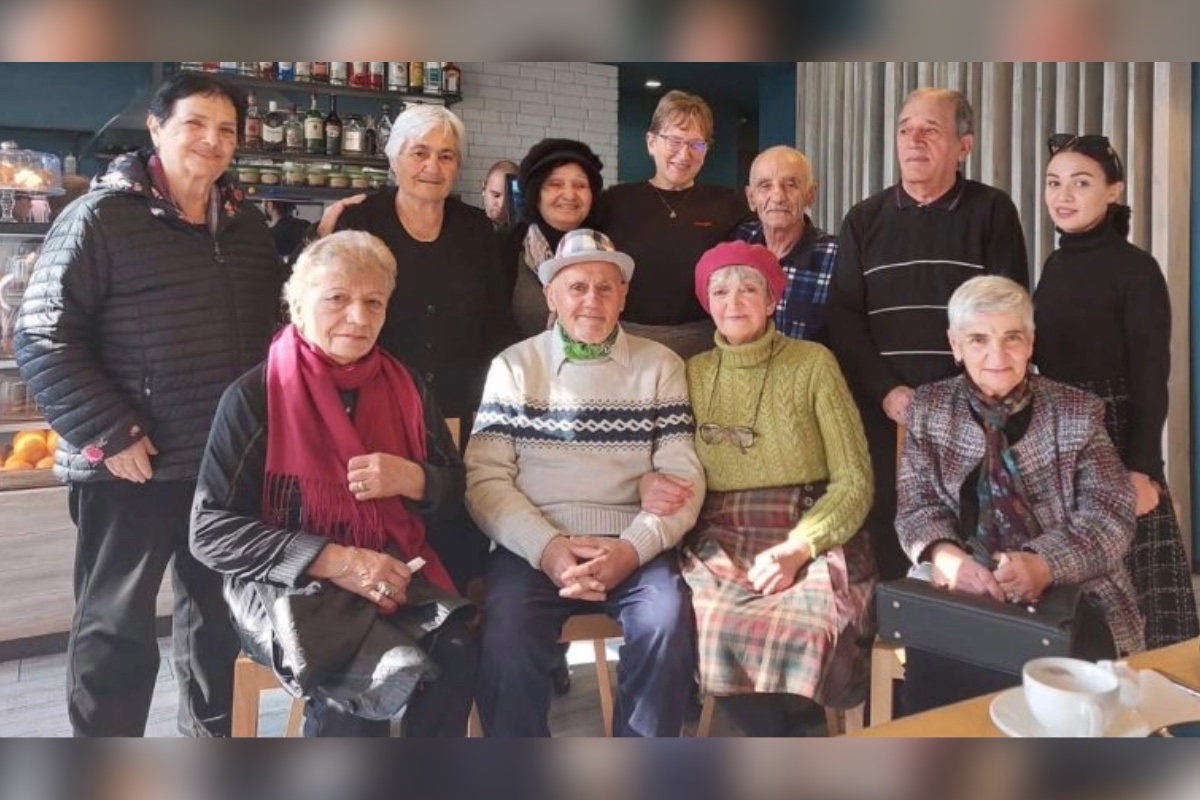
One of the organization’s most successful initiatives is the Memory and Support Café program. What started as a small project has expanded across Armenia. The concept is simple: Create safe, welcoming spaces where older adults experiencing memory loss can socialize, stay active and overcome isolation. “We wanted to show people that a dementia diagnosis does not mean life is over,” Dr. Mahakian said. Today, the organization runs 11 Memory and Support Cafés offering cognitive exercises, art and music therapy, physical activities and group discussions.
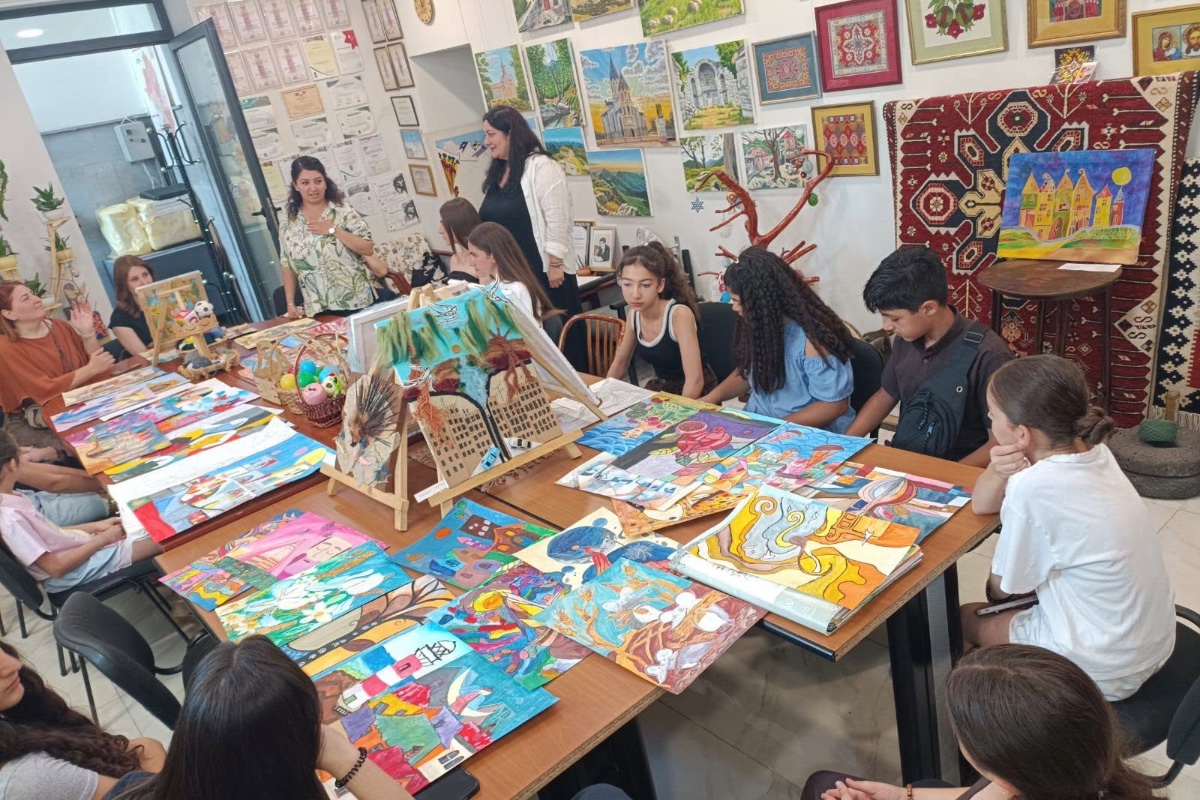

Gyumri hosted one of the first regional programs outside the capital.
“Many services are concentrated in Yerevan, so we needed to see if this model would work in the regions,” Mahakian said. “The positive response in Gyumri encouraged us to keep expanding.” The cafés also have provided comfort to elderly people displaced from Artsakh. Special activities address both their physical needs and the emotional toll of displacement. “We realized how deeply elderly displaced people needed support,” Mahakian said. “The cafés gave them a safe space to talk, express themselves and build new connections.”
As a result, the program brings together displaced individuals and local residents alike. As Dr. Mahakian put it: “People need people.”
Bringing medical support to the home
Accessing specialists remains a challenge in dementia care, especially for older adults in rural regions because of distance, mobility issues or doctor shortages. To help, Alzheimer’s Care Armenia developed home visits and remote consultations. “Our specialists visit older adults at home upon request, conducting assessments there to identify cognitive difficulties,” Mahakian said.
During these visits, team members evaluate cognitive, behavioral and psychological health, referring patients to neurologists or other experts when needed. “Sometimes we visit a home and find someone with advanced dementia who has never been evaluated,” she said. “In those cases, we connect them with the right specialists for ongoing care.”
The organization also works with families living abroad whose aging parents remain in Armenia. Through platforms such as Zoom, remote consultations help relatives stay informed about their loved ones’ conditions and guide them through available care options.
While the home visit program currently focuses on Yerevan, plans are underway to scale it up nationwide. “We get many calls from the regions asking if we can visit,” Mahakian said. “Expanding this service outside Yerevan is one of our key goals for the coming years.”
Expanding impact through community support
The expansion of these programs has been backed by the Armenian Women’s Welfare Association (AWWA). Through its 2026 International Armenian Elder Care Grant Program, AWWA is supporting the expansion of the Memory and Support Café network, improving access to early screening and psychological care.
Dr. Mahakian emphasized that the partnership goes beyond funding. “Without the Armenian Women’s Welfare Association, we couldn’t have established so many cafés,” she said. “We deeply value their trust and shared vision.” With this support, new cafés are opening in Ashtarak, Dilijan, Goris and Vayots Dzor, reaching communities where elderly care services are sparse. “It is crucial that these programs reach beyond Yerevan so people in every region get the support they need,” Mahakian said.
The organization views these cafés as a way to strengthen community ties — helping older adults rebuild social lives, discover new activities and reduce loneliness. Maintaining quality of life, specialists note, relies heavily on emotional well-being and strong social support.
A comprehensive Brain Health Center
Alzheimer’s Care Armenia is setting even bigger goals for the future. Its vision is to establish a permanent Brain Health Armenia facility — a center offering comprehensive dementia care, from early diagnosis to long-term management. “We want to build a system where people can access everything in one place: early diagnosis, medical care, psychological support and education,” Mahakian said.
The center also will support family caregivers, equipping them with essential knowledge, coping tools and psychological aid. It also will serve as a training hub for primary health care providers. “Our major goal is for people over 50 to receive regular cognitive checkups and for doctors to spot red flags early,” Mahakian noted.
Addressing dementia requires a cultural shift in public awareness, family involvement and community care. As Armenia’s population ages, building these systems becomes increasingly vital. “The most important thing is that people do not feel alone,” Dr. Jane Mahakian said. “Everyone living with dementia deserves to age with dignity and support.”