


The Region in Brief
Artsakh
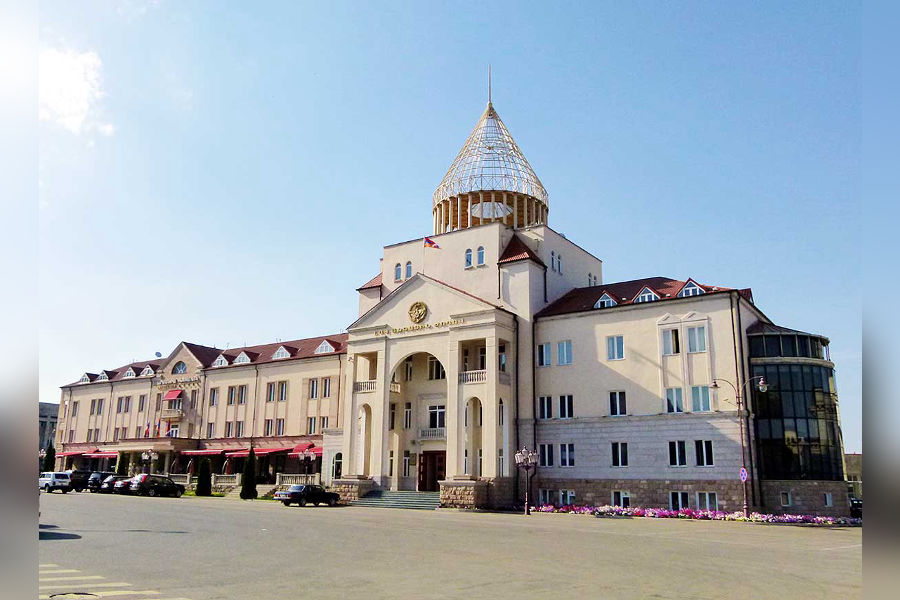
Appeal proceedings continued in Baku this week for former members of Artsakh’s political and military leadership and other Armenian prisoners convicted by the Baku Military Court earlier this year.
At a hearing on Tuesday, Azerbaijani prosecutors asked the Court of Appeal to reject all defence complaints and uphold the sentences issued in February. They maintained that the convictions were supported by evidence and complied with Azerbaijani and international law. Defense lawyers for former Artsakh presidents Arayik Harutyunyan and Bako Sahakyan called for the verdicts to be overturned and their clients acquitted. Harutyunyan reiterated that he did not recognize the charges against him, while Sahakyan said he would deliver his rebuttal at the next hearing, scheduled for July 31.
The hearings coincided with growing concern about the physical condition of Armenian prisoners held in Azerbaijan. Human rights lawyer Siranush Sahakyan, who represents Armenian detainees before the European Court of Human Rights, said credible reports had been received of prisoners suffering serious injuries, including fractures. Azerbaijan is required to provide the European Court with information and medical documents concerning the detainees by the end of August.
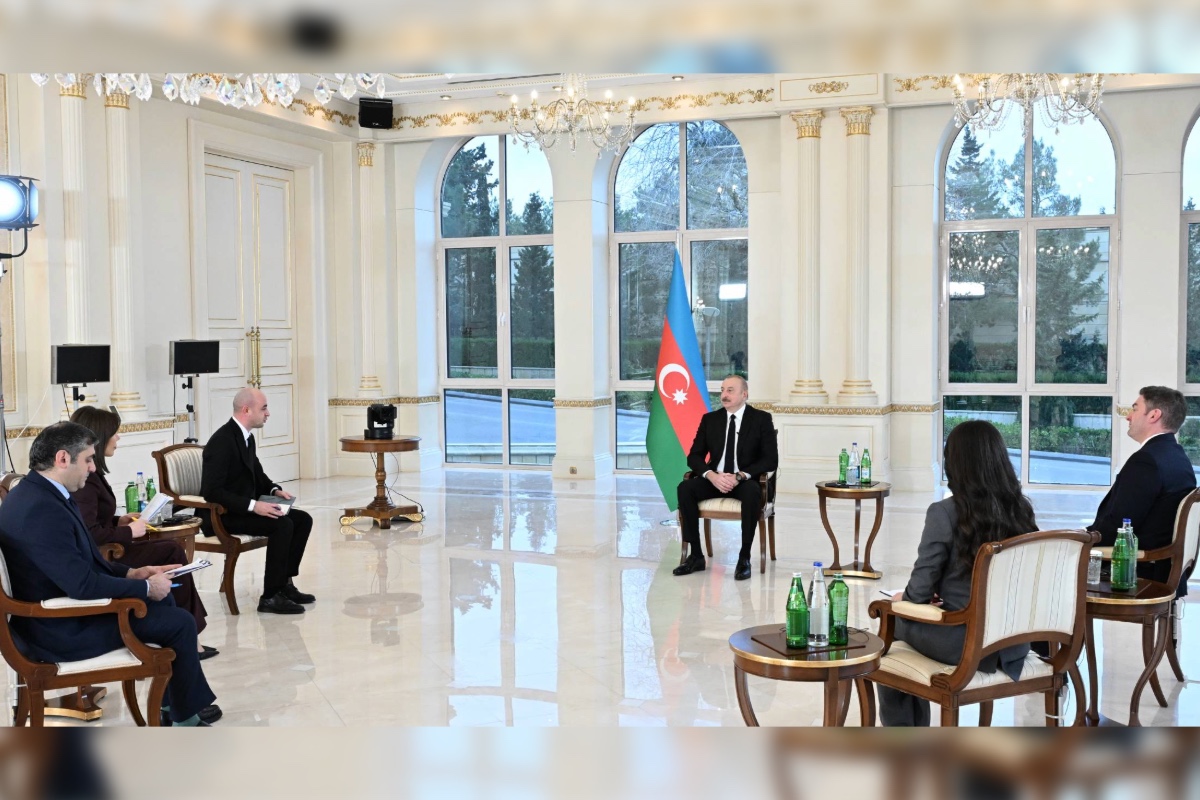
Particular concern has been raised over the health of Armenian prisoner of war Ludvig Mkrtchyan, 56, who has been held in Azerbaijan since 2020. His lawyer, Luciana Minasyan, publicly appealed to Azerbaijani President Ilham Aliyev to allow him to contact his wife immediately. Mkrtchyan last spoke to his family last month, when he reportedly said he had become so weak that he lost consciousness and was taken for a cardiac examination. His family says it has since received no diagnosis or further explanation about his condition.
Armenia
Prosecutors this week approved an indictment against Catholicos of All Armenians Karekin II and six senior members of the Armenian Apostolic Church, sending the case to the Court of General Jurisdiction in Armavir. The case was filed on Monday and assigned to Judge Hagop Manukian. The criminal proceedings were initiated earlier this year; the latest development formally moves the case to trial.

The Catholicos and the other clergymen are accused of using their institutional authority to obstruct the enforcement of a court order concerning former Bishop Gevorg Saroyan, whose secular name is Arman Saroyan. After Karekin II removed Saroyan as head of the Masyatsotn Diocese, Saroyan challenged the decision in a secular court, which ordered his temporary reinstatement while the underlying lawsuit was considered. Investigators allege that senior Church officials failed to implement that order.
The defendants have not been convicted. Karekin II and several of the bishops were previously barred from leaving Armenia as a preventive measure. Church representatives have described the proceedings as legally unfounded and politically motivated, arguing that secular authorities are interfering in the Armenian Apostolic Church’s constitutionally protected internal governance. Government officials maintain that legally binding court decisions must be enforced regardless of the institutional status of those involved.
The case marks a further escalation in the confrontation between Prime Minister Nikol Pashinyan’s government and the church leaders. Pashinyan has publicly called for Karekin II’s removal, while the church has become an increasingly prominent critic of the government’s domestic and regional policies.
Iran
Fighting in the war resumed sharply this week after a brief pause in attacks and tentative efforts to restart negotiations.
Iran’s Islamic Revolutionary Guard Corps said it launched ballistic missiles at U.S. military facilities in Jordan, including Muwaffaq Salti Air Base. Jordan said its air defenses intercepted five missiles, while U.S. Central Command reported that the Iranian barrage caused no confirmed damage to American forces. Tehran also claimed to have struck and stopped three oil tankers attempting to pass through the Strait of Hormuz along an unauthorized route, although the tanker attacks were not independently confirmed.
The United States and Saudi Arabia responded with joint airstrikes against weapons and logistics facilities used by Iran-backed armed groups in eastern Iraq with at least 20 killed and 32 wounded. The operation marked the first Saudi participation in strikes alongside the United States during the conflict and raised the risk of drawing Riyadh more directly into the war. Iraq condemned the attacks as a violation of its sovereignty and called for de-escalation.
The renewed fighting followed the collapse of a short-lived pause in U.S. attacks. President Donald Trump had said Washington was engaged in productive indirect discussions with Tehran, but Iran denied that it had requested negotiations. Following the missile attack on U.S. forces, Trump promised a forceful response, indicating that American strikes could resume.
The Strait of Hormuz remains the central point of disagreement. Iran rejected an Omani proposal for joint regional management of shipping through the waterway, saying the arrangement did not sufficiently recognize Iranian control. Tehran proposed maintaining sole authority over inbound traffic and partial control of the outbound route, while the United States has encouraged vessels to sail closer to Oman.
The escalation has already affected global energy markets. Brent crude rose by nearly 7% Wednesday, approaching $90 per barrel. The conflict increasingly risks expanding beyond Iran and Israel into Iraq, Jordan, Saudi Arabia and the two strategic maritime corridors of Hormuz and Bab el-Mandeb.
Turkey
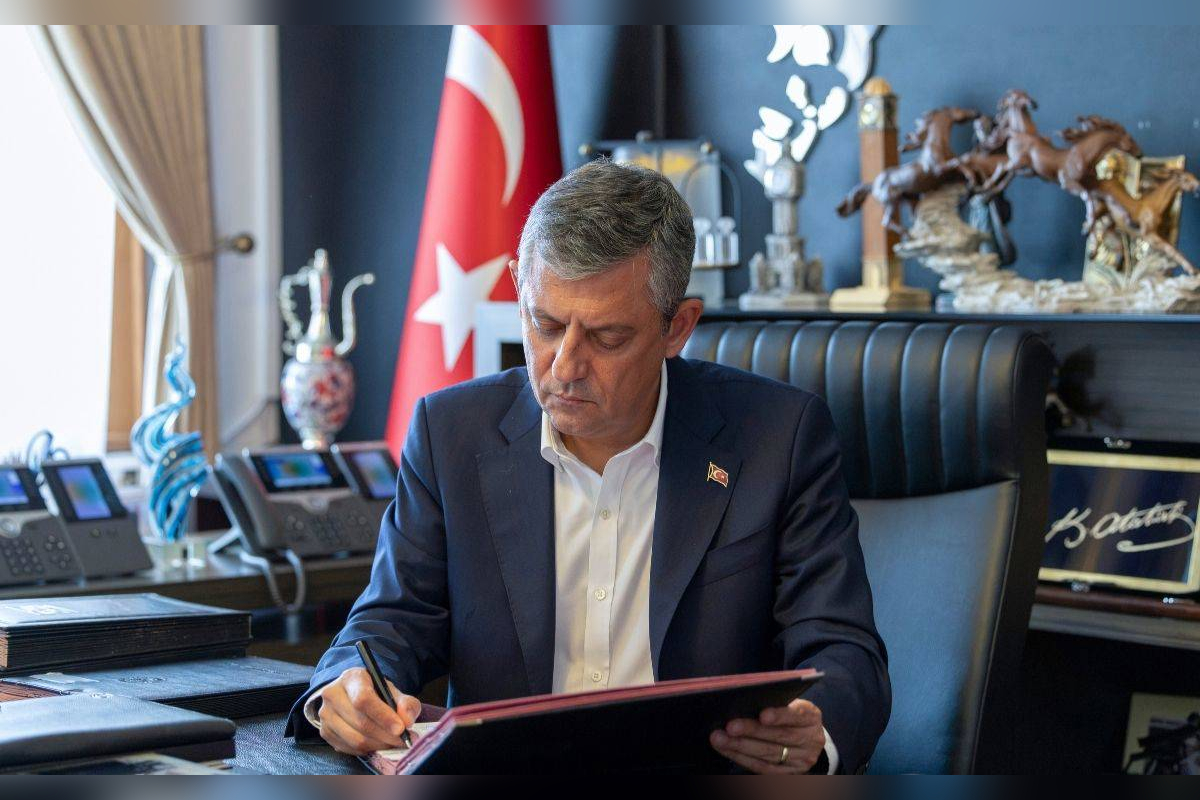
Turkey’s newly established Yeni Parti, meaning “New Party,” led by Özgür Özel, released its 41-page political program this week, drawing strong criticism from pro-government media. The party was formed after Özel and about 90 lawmakers broke away from the Republican People’s Party following a court decision that annulled the CHP’s 2023 congress and removed Özel from its leadership. The new grouping immediately became the second-largest political force in parliament.
The pro-government Türkiye newspaper focused particularly on what the program does not contain. It noted that there is no reference to the “Blue Homeland,” Turkey’s maritime strategic doctrine, and that the word “homeland” does not appear anywhere in the document. The program also makes no explicit mention of the fight against the Gülen movement, which the Turkish authorities designate as the Fethullahist Terrorist Organisation, or FETÖ.
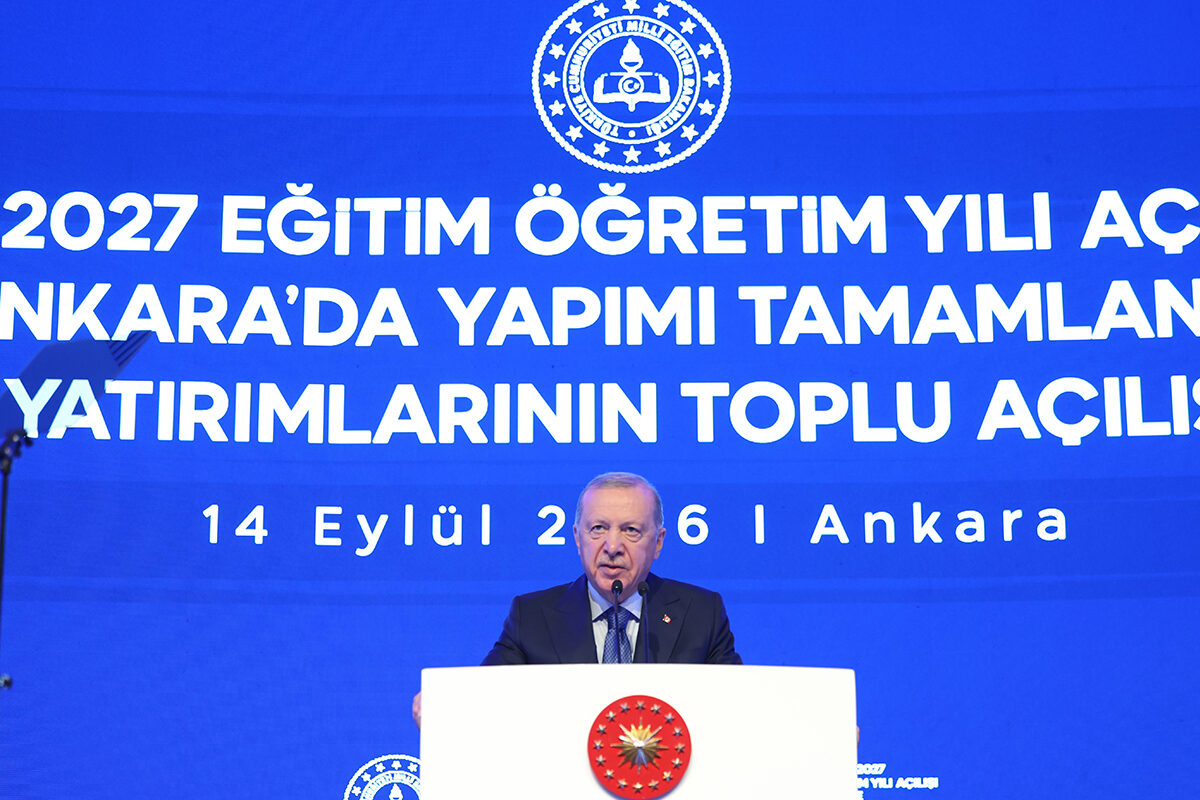
The party proposes substantially reducing the powers of the presidency and transforming the office into a largely symbolic institution.
Government-aligned commentators have portrayed the provisions of the program as Western-inspired policies that threaten conservative and Turkey’s traditional family values.
The program indicates that Özel’s party is seeking to present itself as a parliamentary, socially liberal alternative to President Recep Tayyip Erdoğan’s political system and to distance itself from several ideological priorities associated with his rule. However, the absence of the “Blue Homeland” concept, for example, does not by itself establish that the party intends to abandon Türkiye’s maritime interests.