Part of being an impactful and effective teacher is making sure to become familiar with adolescent jargon and pop culture. Asking students about their favorite singers is a portal into learning more about who they are, while also shrinking the divide between my understanding of art and theirs. Dr. Arnetha Ball, a prominent Stanford scholar, emphasizes that understanding rap and pop culture bridges the gap between students’ lived realities and academic environments. By leveraging these cultural assets, teachers are able to make lessons relevant while fostering critical consciousness in and out of the classroom. A few years back, one of my students mentioned that she loved a rapper named Doechii. When I asked what her favorite song was, she said “Catfish.” I had neither heard of the singer nor the song, but I replied, “Interesting title.”
When the student questioned my response, I explained that a catfish is someone who creates a fake online identity to deceive others, manipulate public opinion or conduct espionage. My student smiled and said, “That makes sense — that’s what the song is about.” At the end of the day, I went in my car and immediately downloaded the song to analyze the lyrics. In the song, the rapper targets society’s superficiality with lines such as, “Y’all be giving catfish / Log ‘em off the web and every gangsta’s giving actress,” highlighting the illusion of those who falsely project images of being tough, bragging about shopping sprees on Ventura Boulevard, purchasing designer gear and spending money on ostentatious jewelry.
In essence, the song illustrates society’s obsession with faking a luxurious lifestyle and boasting about wealth they don’t actually possess — a timely treatise on false personas. The song artfully sheds light on this phenomenon: “Copped the Dior s*^t on Ventura / Took a midnight swim in my jeweler / Hatin’ b*&^es clog my medulla…” Indeed, Doechii, this catfish surely clogs the medulla and overwhelms society’s thoughts.
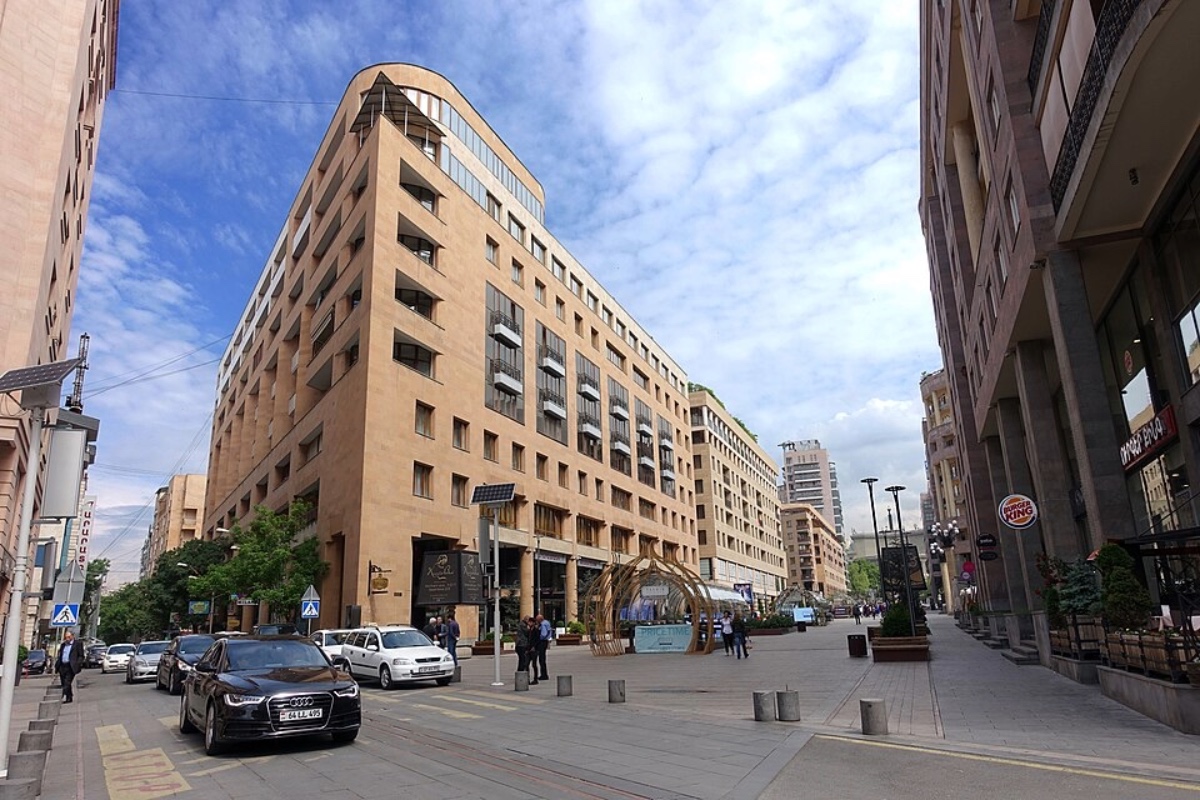
Just this past month, on my second night in Yerevan, I stopped at a light (for fear of my life) while waiting to cross Northern Avenue. It was 11:45 p.m., and Yerevan’s car culture, ice cream culture and droves of Yerevantsis were enjoying the balmy evening. Lo and behold, a black car full of youth was blasting that same song. No judgment. For their generation, it was a hot night, and cars don’t only have air conditioning. Those youth had that temporary independence and a respite from the painful reality of living in postwar Armenia. Many of their brothers, uncles, cousins and classmates had gone to their graves recently — 3,825 of them. That thought forces me to take a deep breath and weigh the irony of the song. I doubt the kids in that car know what the song means, and I doubt anyone on the street is thinking of the irony of this moment, other than me.
The first time my parents went to Armenia was in 1981. I will never forget the Melodya record they brought home of my dad’s childhood friend, Artashes Avetyan’s single “Carousel,” whose lyrics were written by poet Vahan Teryan: “Պտտվի՛ր, պտտվի՛ր, կարուսել, Ես քո երգը վաղուց եմ լսել…” My dad proudly showed us Avetyan’s autograph, and was mesmerized by the beauty of the song. It was standard vinyl, a 33 rpm record, for those who remember, but it was heavier and thicker than American albums.

The first time I went to Armenia was in 1991, during the first Artsakh war, when I smuggled back a cassette of Ruben Hakhverdian’s songs, which we played over and over again until he became more mainstream and produced CDs. To this day, I credit him with improving my Armenian through his songs. Change is a constant; every time I have gone to Armenia since then, I have brought new Armenian music or art back to my home in San Francisco.
Yerevan has changed in many ways: restaurants are full of tourists; families are happily eating ice cream as they stroll the streets; people are laughing, lounging, and lovingly holding hands in what looks like a cosmopolitan, European city. Every khachmeruk reveals situational irony and paradox: Indian employees speaking Armenian and Armenian employees speaking English. Street names like Amiryan are changed to King Pap — a king unfamiliar to many of us. Here, too, the irony is striking: King Pap, the fourth-century Armenian king remembered for his conflict with the Armenian Church during one of the Armenian nation’s most dangerous eras, is now invoked as, in my view, the current government once again undermines the very institution that preserved the Armenian language, faith and identity through centuries of conquest, genocide and exile. Weakening that foundation in the name of modernization or Westernization risks eroding what has kept Armenians Armenian for nearly 1,700 years. A catfish, no doubt.
Juxtaposed against the local art and beautiful artisan work in stores, most shops are full of fake and counterfeit designer goods — Hermès, Chanel — everyone wears them. These brands are symbols in American and European culture, but taken together, they began to feel less like confidence and more like performance — a city increasingly preoccupied with projecting prosperity rather than confronting its economic and political fragility. Wealth whispers. I couldn’t get over how polished everyone looked — women with lip fillers, often wearing the Hermès “Izmir” sandals (let’s not get into the irony of Smyrna), men with the customary designer cross-body bag, wearing the Azat-mard × Balian Ceramics T-shirts with the Pomegranate Paradise mural, which is art from Kutahya that has been popular since 1922 when the land was called Palestine.
Much of Yerevan, during this past trip, was a catfish. I hate to say this about my beloved city. In the political context of catfishing, the term alludes to the coordinated networks of fake personas — used even in foreign intelligence. State-backed actors use “catfish bots” to masquerade as local voters. This is what seems to have happened just recently with the election. Every Yandex driver, every waiter and waitress, every single deghatsi I spoke to mentioned it in our chats. Fake accounts have infiltrated online communities to spread propaganda and amplify candidates. Every video of politicians eating corn, potatoes and piroshki was a catfish. The system catfished society with astroturfing — creating fake networks to manufacture the illusion of grassroots public support. People are starting to feel it — it creeps on you in a nefarious way.
“Much of Yerevan, during this past trip, was a catfish. I hate to say this about my beloved city.”
This last trip saddened me. I understand that change is a constant, even in my own hometown of San Francisco, much of the nostalgic images of Bay Area culture are transforming. However, Armenia’s culture is not as formidable as we think. I attended a Forsh concert; as he sang “Yerevanuh tun u shenk che, Yerevanuh menk enk,” a half-full nightclub at Hin Ani sang along. I don’t expect twenty-something-year-olds to be blasting Hakhverdian, Forsh or the “estradayin” music that I listened to at their age — nor should they. Culture is never static. It morphs, catalyzes, experiments and reinvents itself. It is normal for them to love hip-hop culture, which is ubiquitous and ever-present in all facets of Western society.
So it happened that just on that day I had visited Yerablur, where hundreds of boys sleep in their gray cement beds. I had sat next to a mom, no more than a few years older than me; I had held her hand as the flags waved on that mountain which was no longer featured on her passport stamp. Names omitted, photos omitted, image contained. The tragedy and grief of loss is ever-present in the fake bags, the delicious meals, and all the cheap blowouts at Yerevan’s salons. I am guilty, my hair which is generally up in a ponytail, looked amazing in this dusty, crowded, ancient city that I so love.
Perhaps that is the devastating anagnorisis — the aha moment. Somewhere between Yerablur and Northern Avenue, between sacrifice and spectacle, between the thousands of youth empty-singing and dancing the kochari at the Cascade, between the candles we light at our ancient churches, we have become increasingly captivated by appearances.
Artashes Avetyan called it the Carousel, crooning “Ոչ վե՛րջ կա, ոչ ըսկի՛զբ այս երգում, /Երեկ՝ ես, այսօր՝ դու, վաղը՝ նա…” As I walked back to my hotel in the most brutal rainstorm, it was Hakhverdian’s song that played in my head: “Կատաղած անձրևը, սառն անձրևը / Մարդկանցից մաքրել է փողոցները, / Փողոցից մաքրել է կեղտն ու փոշին:”
“Somewhere between Yerablur and Northern Avenue, between sacrifice and spectacle… we have become increasingly captivated by appearances.”
However, the song that spoke most about my last trip was the one my student introduced to me — Doechii’s “Catfish.” How telling that for one balmy Yerevan evening at least, with Ararat hiding behind its shroud, this Grammy Award-winning rapper had unknowingly written a song about us.