


The HomelandOp-Eds

Artsakh woman detained over Facebook post raises free speech concerns
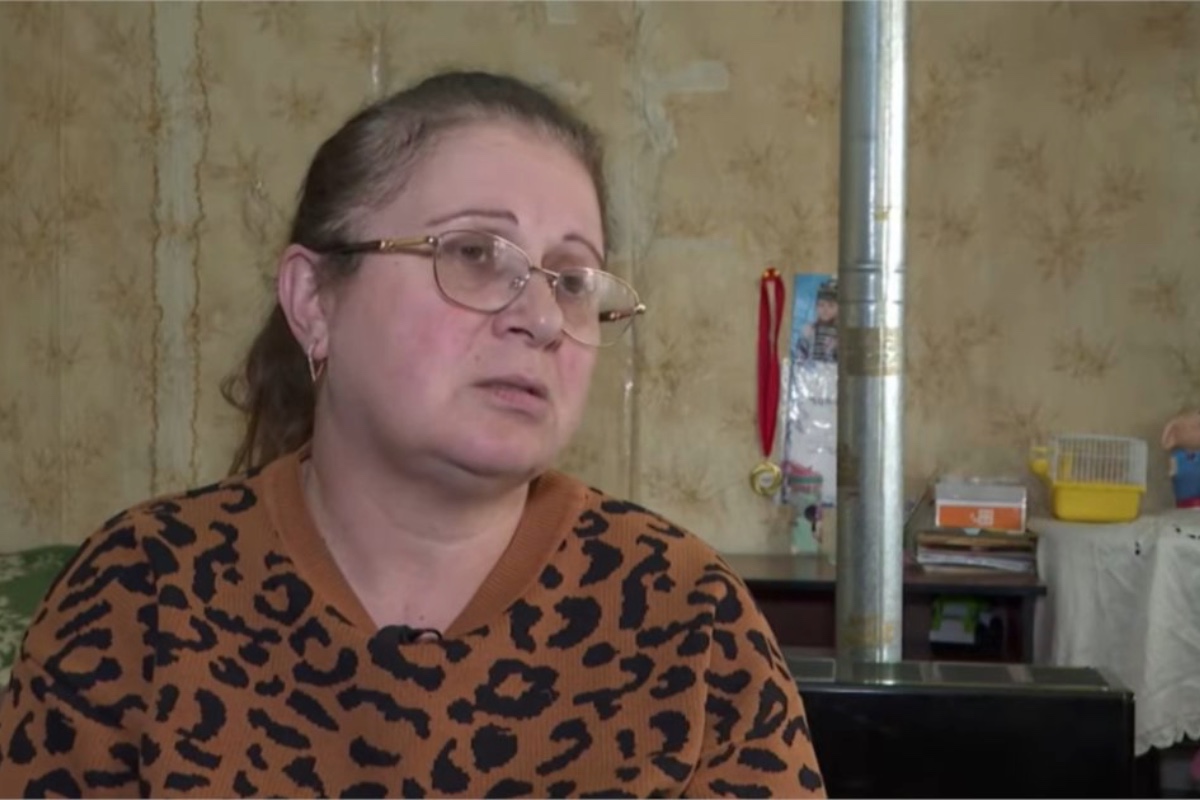
​​More than 1,000 comments, the overwhelming majority of them hate speech against Armenians from Artsakh (Nagorno-Karabakh), have appeared under a recent video report by Radio Free Europe/Radio Liberty (RFE/RL) Armenia shared on Facebook. The segment tells the story of Gayane Mesropyan, a mother of five from Artsakh, who was taken to the Dilijan branch of the state Investigative Committee for questioning, along with her 7-year-old daughter, late at night March 17, over a Facebook comment criticizing Prime Minister Nikol Pashinyan. Mesropyan was among the 120,000 Armenians forcibly displaced from Artsakh in 2023, losing both her home and community. She also lost her brother in the war. According to RFE/RL, Mesropyan’s comment, written under another person’s post in September 2025, contained the word “kill,” which authorities were investigating as possible incitement to violence.

In the news clip, a visibly distressed Mesropyan recalls how police arrived at night and entered her residence, and how her youngest daughter burst into tears at the sight of the uniformed officers. According to Mesropyan, officers then took the child with them as they escorted her to the Investigative Committee for questioning.

Under the Radio Liberty story, Facebook users have posted hundreds of hate‑filled comments, targeting not only Mesropyan but also displaced Armenians from Artsakh as a group. Many accuse them of cowardice or betrayal, and use abusive slurs. Some say they should have stayed in Artsakh rather than “run away.” Others call them “Turks,” accuse them of being “ungrateful,” and say they should leave Armenia. 

Some users have suggested that many of the most aggressive comments come from fake profiles. Even if that is the case, previous monitoring by the Armenian Weekly and analysts has found that anti‑Artsakh narratives are often amplified by pro‑government media outlets and accounts linked to public officials.

Lawyer Roman Yeritsyan first raised the alarm about Mesropyan’s case on social media, suggesting she was targeted in part because she is from Artsakh. His post triggered a public outcry. 

Advertisement

Former Artsakh State Minister and Human Rights Ombudsman Artak Beglaryan condemned what he described as the intimidation of a displaced woman and her child. In a Facebook post, he questioned why authorities had not detained pro-government figures and “Azerbaijani trolls” who have openly issued death threats and incited hatred against Artsakh Armenians. 

According to Beglaryan, although several criminal cases related to such threats were opened a year earlier under pressure from lawyers and activists, there has been no meaningful progress. 

“Go read the thousands of posts and comments on social media, sowing horrific hate and violence in our lives, whose main initiators are the government representatives themselves, because they divide in order to rule,” he said.

Anna Melikyan, a legal expert with Protection of Rights Without Borders, told the Armenian Weekly that Mesropyan’s case fits into a broader pattern of how Armenia enforces its law on “incitement to violence.” Under Article 330 of the Criminal Code, the law covers public calls for violence, their justification and amplification, and related acts. Between 2021 and 2025, at least 45 verdicts were delivered under this article, almost all involving alleged threats against the prime minister or other state officials, with only a few concerning other targets, according to Melikyan. At the same time, she said, social media is full of similarly violent rhetoric directed at certain groups, including displaced people from Artsakh, but such cases rarely reach court.

Melikyan stressed that freedom of expression is not an absolute right and can be restricted in narrow circumstances, such as genuine hate speech and direct incitement to violence. However, she argued that any state interference must be proportionate and that legal action should remain a last resort. In her view, the way Article 330 is currently applied blurs that line. 

“When you burst into a displaced mother’s home late in the evening over a year‑old Facebook comment that never led to any real‑world harm, it is very hard to argue this is about preventing violence,” she said. Melikyan added that many of the posts under scrutiny are emotional reactions to war, loss and trauma — especially from women who have already lost homes and relatives in the conflict — while those who systematically spread hate and threats often face no consequences.

She cited a recent incident in which a government supporter from the village of Garni, while being interviewed by the pro‑government outlet Civic.am, said the Catholicos of All Armenians should be “hit on the head with a stone and killed.” Despite the public and violent nature of the statement, law‑enforcement initially limited its response to a preliminary inquiry and opened a criminal case only after sustained complaints and public pressure. Even now, journalists and lawyers say they have not received clear information about how that investigation is progressing. 

Asked about Mesropyan’s case, Pashinyan told reporters he was unaware of the details, despite the controversy it had generated online. Still, he insisted that “there must have been grounds” for the police action. Minister of Internal Affairs Arpine Sargsyan said the ministry would review the incident and “respond in due course.” 

For Mesropyan, who says she has “lost everything, including our graves,” the experience has deepened the insecurity she already felt as a displaced Armenian from Artsakh living in Armenia. Her case, lawyers and activists warn, signals that not only Artsakh refugees but anyone who sharply criticizes the government or ruling party could be next, raising fears that, with elections approaching, selective enforcement could further chill critical speech.

Siranush Sargsyan

Siranush Sargsyan is a freelance journalist from Stepanakert, Nagorno-Karabakh/Artsakh, now based in Armenia. She covers human rights, politics and women in conflict zones, with work featured in outlets such as the BBC, Newsweek, Open Democracy, IWPR, The Armenian Weekly and other publications. Previously, she was Chief Specialist in Education and Political Science on the standing committee in Artsakh's parliament and taught History at Machkalashen school. Sargsyan holds degrees in History and Political Science and completed the Tavitian Scholar Program at Tufts University, as well as a journalism internship at Taz media.

4 Comments

  1. So this is what “democracy”, “freedom of speech”, “human rights” and other “freedoms” under the rule of the self-proclaimed “democrat”, “reformer” and “anti-corruption fighter” Pashiyan looks like.

    The moral of the story is to beware of so-called self-proclaimed “democrats”, “reformers” and “anti-corruption fighters”, like Pashinyan (Lukashenko, Erdogan or Khomeini), who preach and promise these lofty ideas (while harboring the exact same vices they supposedly condemn) by utilizing the guise of reform (while hiding their self-serving motives and dictatorial desires) in order to come to power. They then drop all pretense, when they attain that power. It is the playbook and trajectory of many dictators, past and present, and of future aspiring dictators.

    And of course, such guys who came to power through democratic means by deceiving the voters, don’t hold free and fair elections again.

  2. Tell the full quote and stop misleading the public. She made a threat and incited violence to kill the PM. You can’t make a threat like that and expect no consequences. And to compare him to Lukashenko Aliyev Erdogan Khomeini is an insult as those leaders would put those critics much worse. Pashinyan has been more tolerant than all 3 previous leaders combined. Never once did this newspaper criticize or call out Robert Kocharyan who killed a man just for saying hi casually to him.

  3. The fact that a mother of five is essentially abducted from her home in the middle of the night by Armenian authorities subservient to a psychopathic traitor disguised as “prime minister” for interrogation over a Facebook post says very little about what this traumatized displaced mother from Artsakh said or meant to say but speaks volumes about the sorry state of mind this panic-stricken “Çoban Oğlu” Pashinyan is in these days. It is very easy for those who have never experienced the trauma this woman has experienced to display a knee-jerk reaction to what she actually meant to say by distorting and manipulating her words out of context because that serves their bias and political agenda. I have not seen her Facebook post but even if she used the word “kill” in a moment of unbearable anguish to vent and to express her frustration that does not mean she literally meant what that word implies. It is very common among our population to use such a word but only to mean the person at whom such word is directed to go away because he is the source of all evil and tragedy brought upon them. That is what that word means when you put things in context. But for those who want to make an example of this woman as a form of warning to others by scapegoating her it is simply a cheap shot to misuse authority to scare people into submission. This is a tactic that will backfire on this incompetent sorry excuse for a leader just like the tactic he used inside the church he recently attended by his junta turning a place of worship into a voting booth by his stale and manipulative nonsense during which two young men were arrested for displaying contempt towards him. This is the behavior of a “leader” who realizes his time is up and he will use anything and everything in his power, illegally mostly, in attempts to silence people if he can’t make them submit to his will and wishes.

    In one of his rants Pashinyan made the two following statements (YouTube link available):
    1. Կարող էինք կանխել պատերազմը որի արդյունքում մենք կունենայինք նույն վիճակը իհարկե առանց զոհերի (Karogh eyink kankhel paterazme vori ardyunkum menk kunenayink nuyn vijake iharke arants zoheri).
    Translation: We could have avoided the war as a result of which we would have had the same outcome but of course without our martyrs.

    2. Գիտակցած զոհության մենք գնացինք 2020 թվին դրա համարա որ դրա արդյունքում ձեռք ենք բերել պետություն և անկախություն (Gitaktsadz zohutyan menk gnatsink 2020 tvin dra hamara vor dra ardyunkum dzerk enk berel petutyun yev ankakhutyun).
    Translation: Knowingly we chose the path of martyrdom in 2020 as a consequence of which we have acquired an independent state.

    Which statement(s) is more telling and dangerous, his or this traumatized Artsakh woman’s who lost everything? Why wasn’t he picked up, interrogated and charged for these statements?

Leave a Reply

Your email address will not be published. Required fields are marked *


Back to top button