



Op-Eds
Armenia in 2025: Ambition, overreach and the limits of multi-vector diplomacy

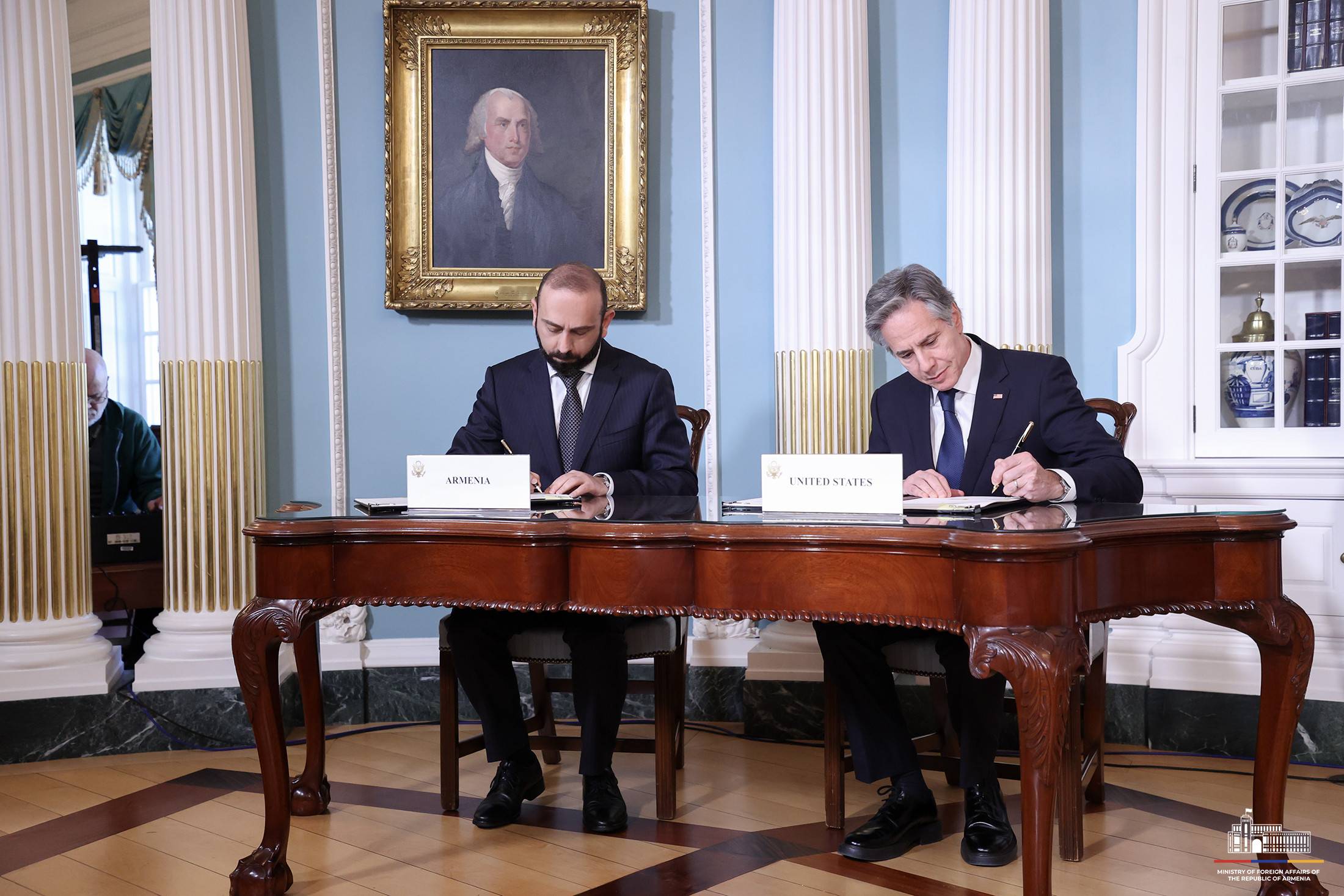
The year 2025 will be remembered in Armenia’s recent history as one of bold ambition, but also of exposed vulnerabilities. Following the traumatic loss of Artsakh, Yerevan embarked on a strategy of unprecedented diplomatic recalibration. Under Prime Minister Nikol Pashinyan, Armenia sought to diversify its alliances, simultaneously engaging Washington, Brussels, Baku and Ankara, while managing a strained and increasingly unreliable relationship with Moscow.
The intent was clear: no single



Armenia’s geography dictates its foreign policy like it has done throughout history.
Armenia located in the Caucasus has always been influenced and has influenced various nations and civilizations. From Persians and Romans, to Turks, Georgians, Russians, etc.
The geographical location, a literal cross road between civilizations and nations can also serve as a metaphorical foundation for Armenia’s foreign and even domestic policies.