


When discussing the situation surrounding the Armenian Genocide Museum-Institute, academic and semi-academic circles have criticized Armenian authorities for their actions. In response, government representatives and pro-government groups have claimed that the issue should be addressed solely within the political sphere, not the academic one. They claim that neither the current nor any future political authorities in the Republic of Armenia will restrict scholars from pursuing any research topic or impose censorship on past or future academic work, especially on subjects related to Artsakh. At the same time, they emphasize that, due to its ceremonial responsibilities, the position of AGMI director is also political, requiring the officeholder to align with the state’s foreign policy agenda.
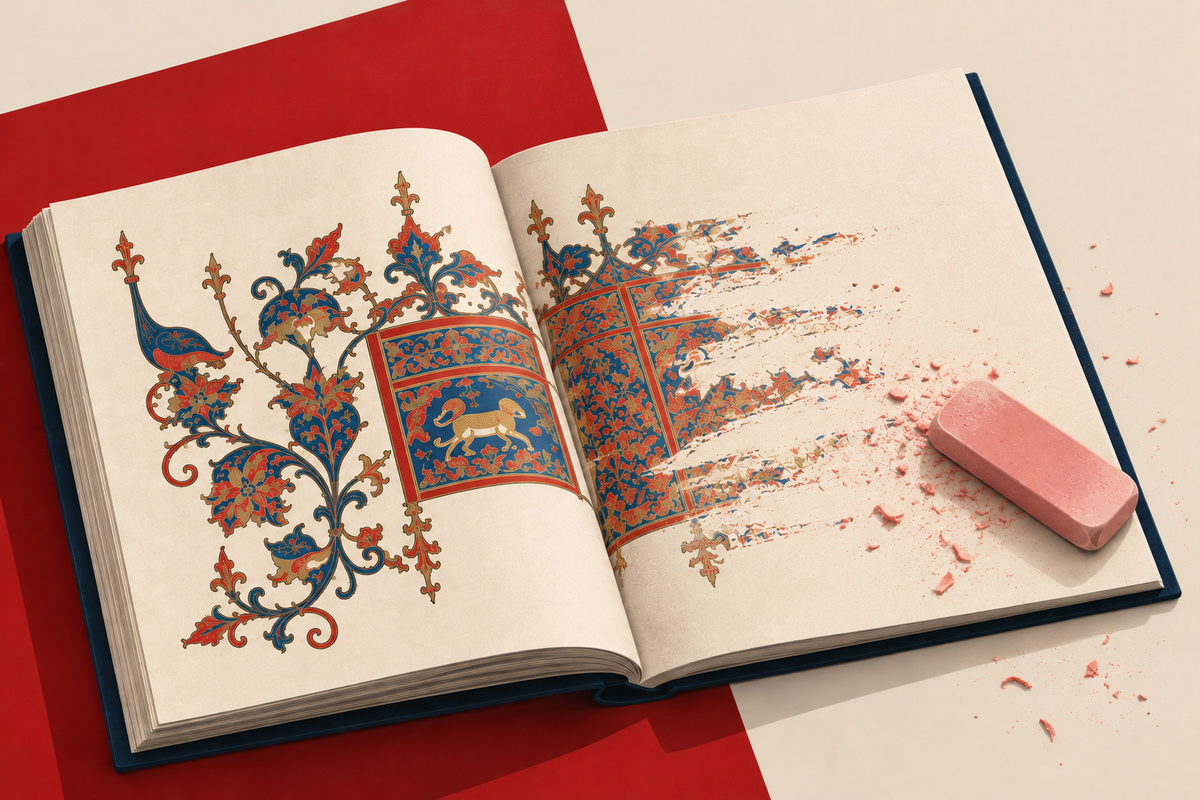
In contrast, I argue that the campaign initiated by Armenian authorities against the AGMI constitutes a direct encroachment on academic freedom and scholarly practice. As such, it should primarily be examined within the realm of academia. Under the pretext that certain discussions are “provocations against peace,” the authorities have entered the academic domain, attempting to revise and reshape scholarly narratives to align with immediate political objectives. Simultaneously, they call on researchers to refrain from engaging in politics and to remain confined to academic work.