OpinionOp-Eds

Democracy under strain in Vanadzor

As a former mayor of Pasadena who served on the City Council and pushed to strengthen our sister city relationship with Armenia, I have always seen these partnerships as commitments to people, resilience and mutual support that should transcend politics. Pasadena’s official sister city in Armenia is Vanadzor, officially established in 1991. I played a pivotal role in deepening this bond, which is coordinated locally by the Pasadena Sister Cities Committee. I still remember sitting in council chambers reviewing aid proposals and delegation plans in the years after the 1988 Spitak earthquake, driven by a shared desire to help communities still recovering from tragedy. Those efforts were never meant to overlook democratic backsliding in the very cities we partnered with.

The partnership has produced meaningful results: the Armenia Subcommittee earned the 2016 Sister Cities International Innovation Award for Humanitarian Assistance after raising funds to install heaters and gas lines at Vanadzor Kindergarten School #3, bringing essential warmth to children facing harsh winters. Official delegations, often in collaboration with the Armenian National Committee of America (ANCA) Pasadena chapter, have advanced cultural and educational exchanges.

It was therefore especially troubling when Vanadzor’s democratically elected mayor, Mamikon Aslanyan — who defeated the ruling party’s candidate in the December 2021 local election — was imprisoned for more than two and a half years. He was arrested shortly after his victory on charges widely viewed as politically motivated and was only released on bail in July 2024. He continues to face legal proceedings. An “acting head” more aligned with the central government was installed in his place.

A populist mandate with lingering questions

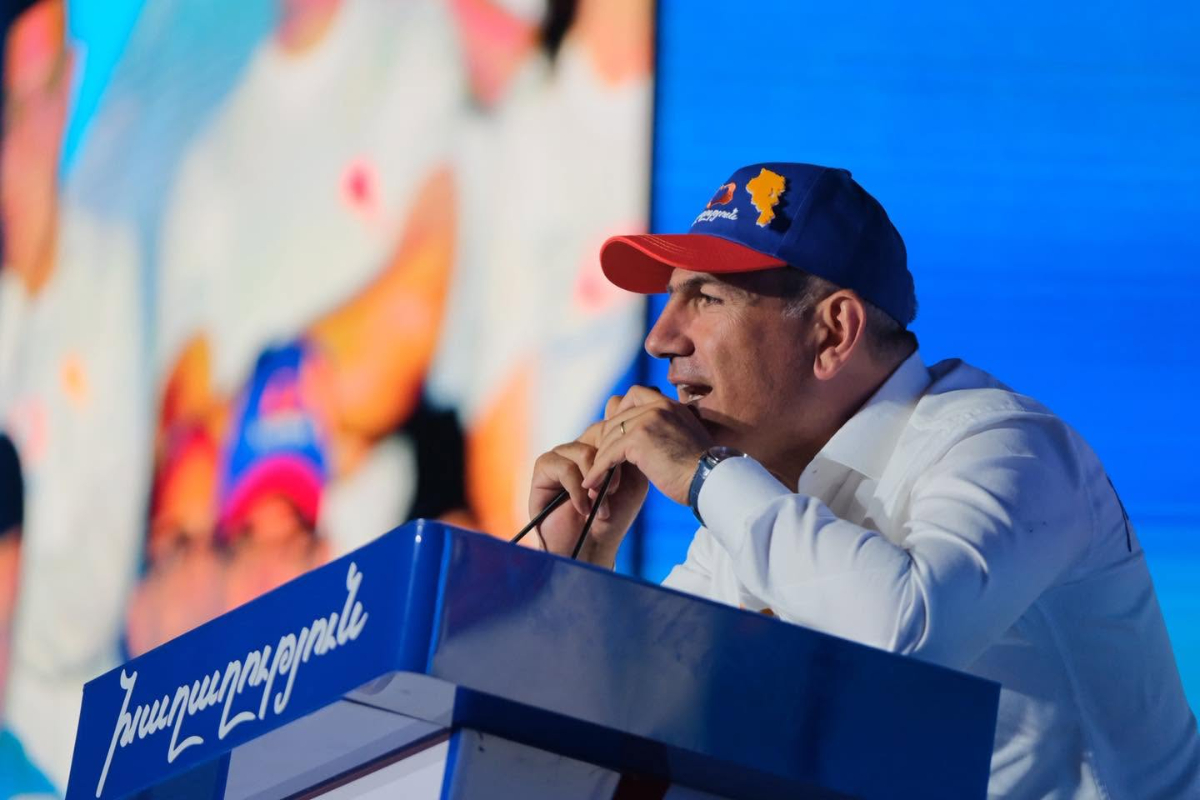
Prime Minister Nikol Pashinyan’s Civil Contract party secured roughly 49.8% of the vote and a governing majority in the June 7 parliamentary elections. Yet pre-election polls frequently showed low personal trust ratings for Pashinyan. His leadership blends populist outreach, such as campaign videos of him sharing simple local foods like corn, with policies critics argue sometimes favor short-term optics over long-term strategy.

This approach has provided continuity amid real crises. Armenia continues to recover from the 2020 war and the 2023 loss of Artsakh, which displaced more than 100,000 ethnic Armenians, while confronting security threats from neighbors. Pashinyan’s push for diversification and peace talks earned a democratic mandate, but the execution of power, including toward local opposition, warrants scrutiny.

Advertisement

Patterns of pressure and political realities

The situation in Vanadzor fits a documented pattern of legal actions against opposition figures, often on corruption-related grounds, clustered around election cycles. While graft is a longstanding issue across Armenian administrations, the selectivity and timing raise legitimate concerns about institutional independence. 

The 2026 national contest featured major blocs with significant business and former leadership influence, underscoring how elite networks shape politics on multiple sides. Elections delivered competition and a result, yet questions remain about fairness when local elected officials face sustained challenges.

Geopolitics, economic leverage and narrative shifts

The situation in Vanadzor fits a documented pattern of legal actions against opposition figures, often on corruption-related grounds, clustered around election cycles.

Domestic tensions unfold against external realities. Russia remains Armenia’s largest trading partner (around 35% of external trade in recent data), but relations have cooled. In 2026, Russian restrictions targeted Armenian goods — including temporary suspensions on major marketplaces and limits on produce, flowers and other exports — widely interpreted as leverage amid Yerevan’s Western engagement.

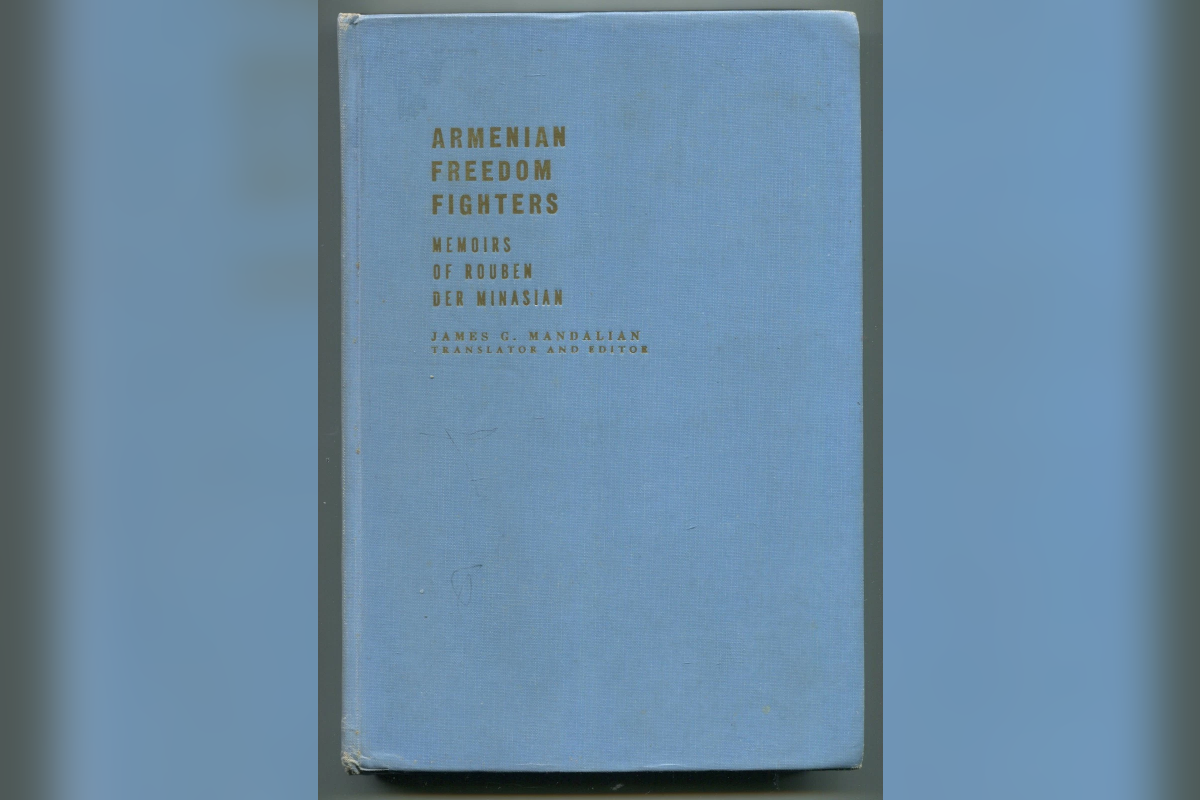
Pashinyan’s government has also adjusted official language around sensitive historical and territorial issues. In early 2026, the director of the Armenian Genocide Museum-Institute resigned after Pashinyan instructed her to step down following her presentation of a book referencing the Karabakh conflict to U.S. Vice President J.D. Vance during a memorial visit.

These steps reflect pragmatic efforts at normalization in a tough neighborhood. They also intensify domestic divides: many Armenians seek an end to conflict and economic relief, while others fear erosion of collective memory.

Honoring the spirit of our sister city ties

Armenia’s challenges are structural and profound. No simple solutions exist for security dilemmas, post-war trauma or economic vulnerabilities. Pashinyan’s re-election indicates many citizens see his direction as the most viable path forward. At the same time, prolonged pressures on opposition leaders and tightening controls test institutional health.

Pasadena’s Vanadzor partnership has always prioritized direct human benefit. When concerns arise about governance elsewhere in Armenia, the proper response is deeper engagement: reaffirming cultural and educational programs, supporting independent civil society and encouraging transparent rule of law through dialogue.

Pasadena’s current leadership could consider a public reaffirmation of our Vanadzor ties or a measured statement on democratic principles. Broader California-Armenian networks might explore similar steps. True friendship requires candor as well as compassion.

The children who gained warmth through our subcommittee’s efforts, and the communities still connected across oceans, deserve relationships grounded in shared values of resilience and accountability. By upholding those standards, we honor the vision that first linked Pasadena and Vanadzor — and help ensure such bonds endure for future generations.

Editor’s note: The views expressed are the author’s own and do not reflect those of the Los Angeles County District Attorney’s Office or the California Military Department.

William Paparian

William M. Paparian is a former Pasadena mayor, a Los Angeles County deputy district attorney and a captain in the California State Guard’s Judge Advocate Section.

Leave a Reply

Your email address will not be published. Required fields are marked *


Back to top button