

College students and young professionals today have a lot to contend with: new technologies, a volatile job market and geopolitical uncertainty. And yet, they continue to pursue their dreams and make an impact on campus and in their communities.
With the school year coming to a close, I interviewed four 2026 graduates about their college experience, the impact of AI, and the importance of their Armenian heritage.
These interviews have been edited for length and clarity.
The Graduates
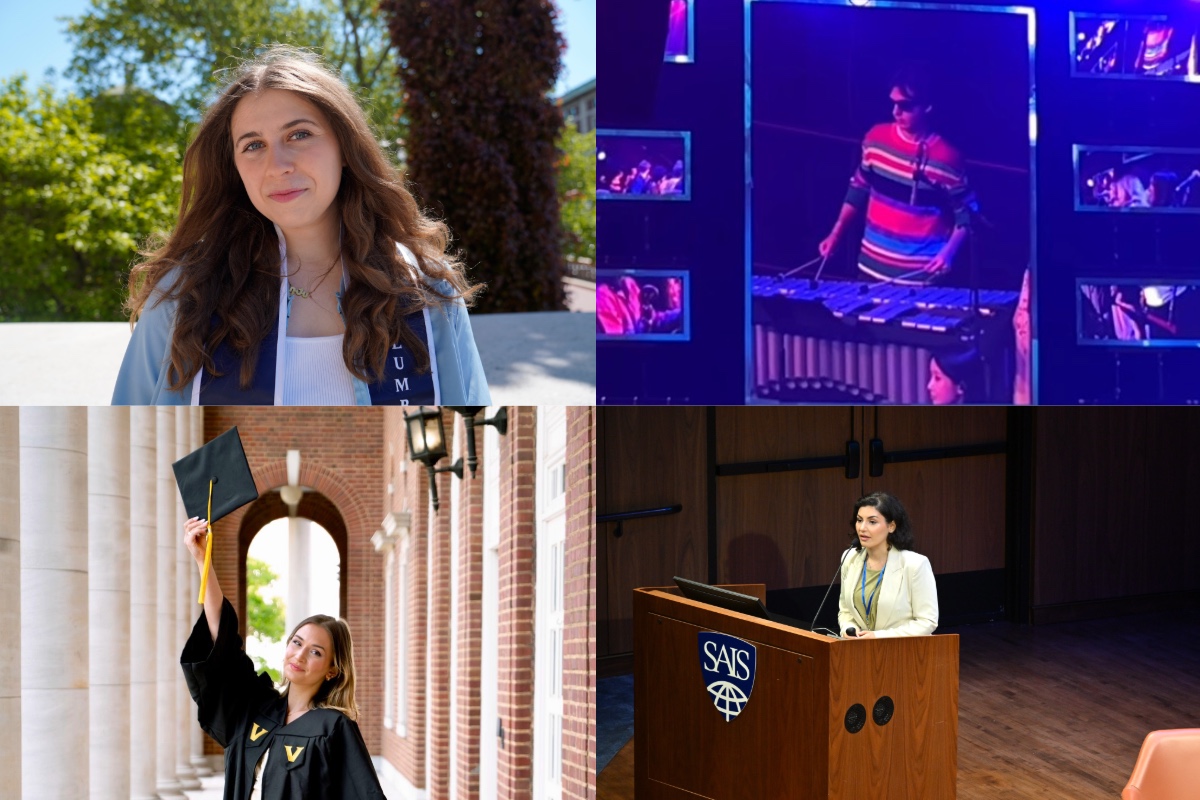
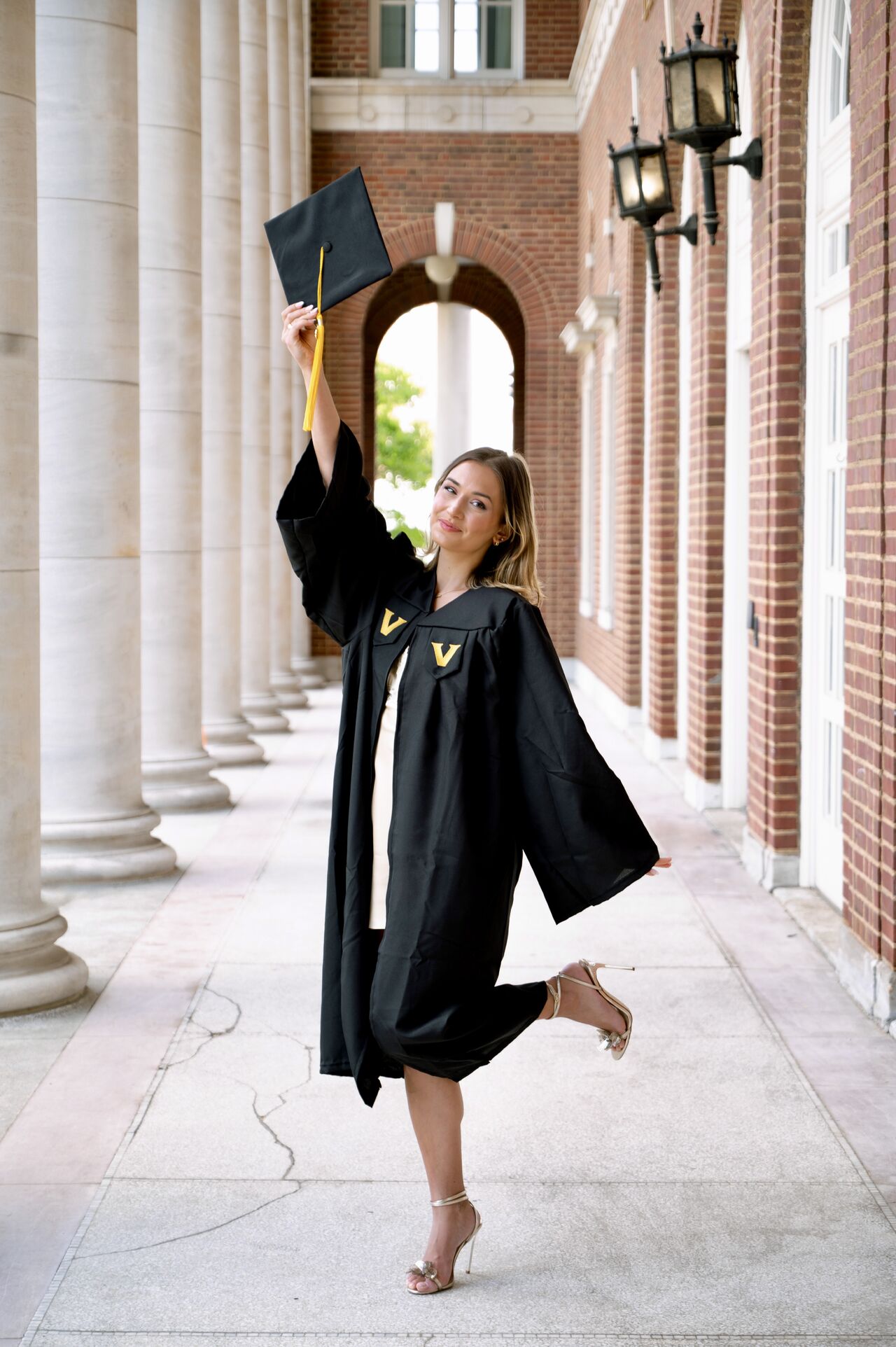
Originally from Parkland, Florida, Lena Kalandjian graduated from Vanderbilt University with a Bachelor of Science in human and organizational development and minors in business and Chinese language and culture.
Alex Mirzabeigi is from Los Angeles and graduated from Berklee College of Music with a double major in music production and engineering, and music business.

“The greater the role AI plays in decision-making, the more important governance and accountability will become,”
Inesa Sargsyan was born and raised in Yerevan before moving to Los Angeles. In 2023, she earned a bachelor’s degree in international development studies from UCLA. This year, she graduated from the Johns Hopkins School of Advanced International Studies with a Master of Arts in international relations.
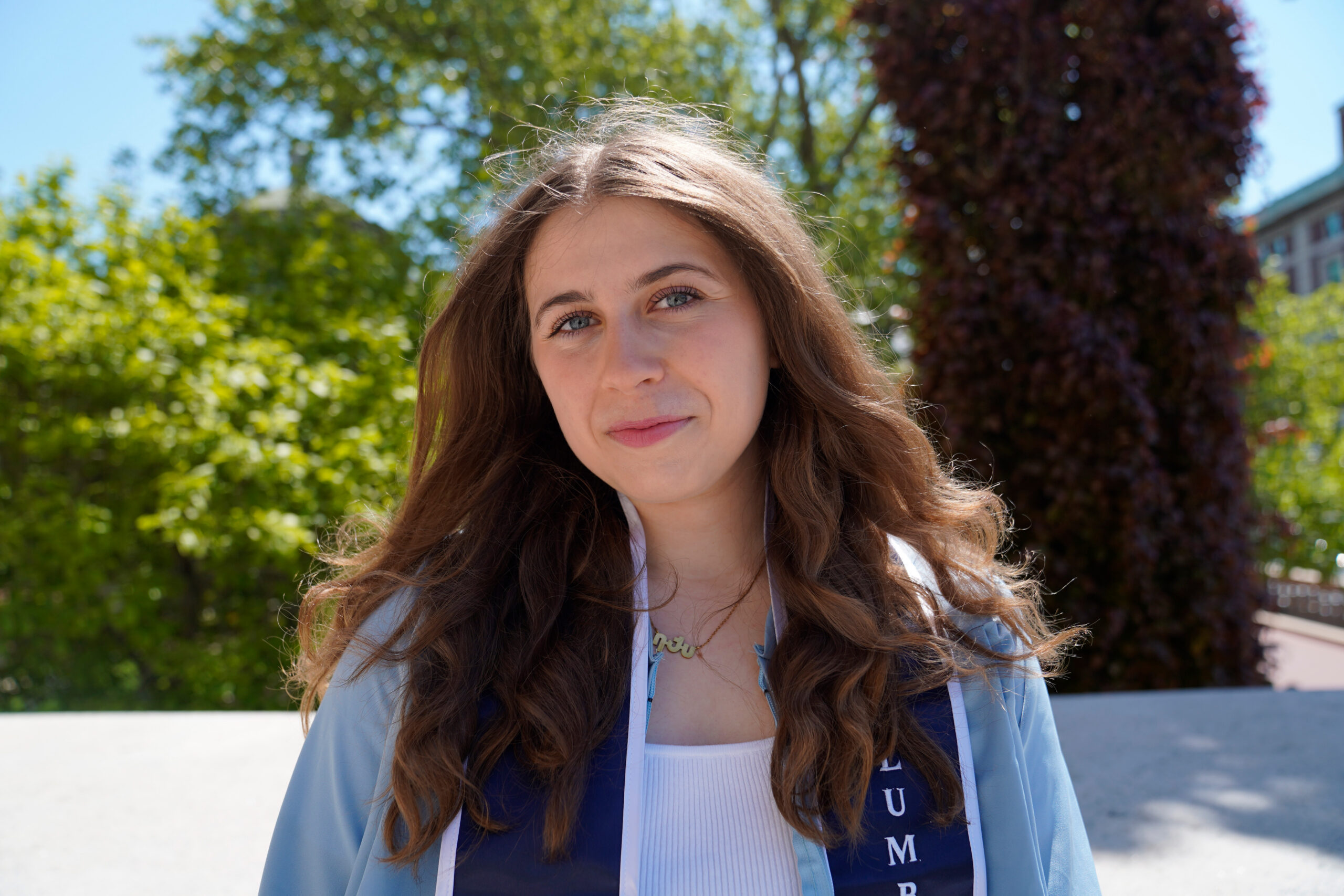
Born in Wales and raised in Maryland, Ruby Topalian graduated from Columbia University’s Dual BA Program, earning a bachelor’s degree in history from Columbia and a bachelor’s degree in Middle Eastern studies from Trinity College Dublin.
Impact of AI
According to a 2025 survey by Inside Higher Ed, 85% of college students used generative AI in their coursework in the last year, mainly for brainstorming ideas, using it as a tutor and studying for tests or quizzes.
Among the graduates I interviewed, the experience was a mixed one — some avoided it, while others fully embraced it.
Topalian said, “I’m old enough to remember college without AI. Learning is supposed to be hard and, as a humanities student, I never wanted to lose my writing and researching abilities.”
For Kalandjian, AI became part of her college experience from the start, since ChatGPT was released during her freshman year. “I mainly used [it] as a study tool to help me review my class concepts in preparation for exams, and sometimes used it to draft and edit essays when permitted by my professors’ AI policies,” she said.
With coursework focused on emerging technology and AI policy, Sargsyan said, “Many of my assignments included an AI component that required us to interact directly with different AI tools. This gave me an opportunity to not only use the technology, but also to understand its strengths, limitations and broader implications.
Regardless of their college experience, all expected to use AI in their careers, whether for research, data analysis or drafting material.
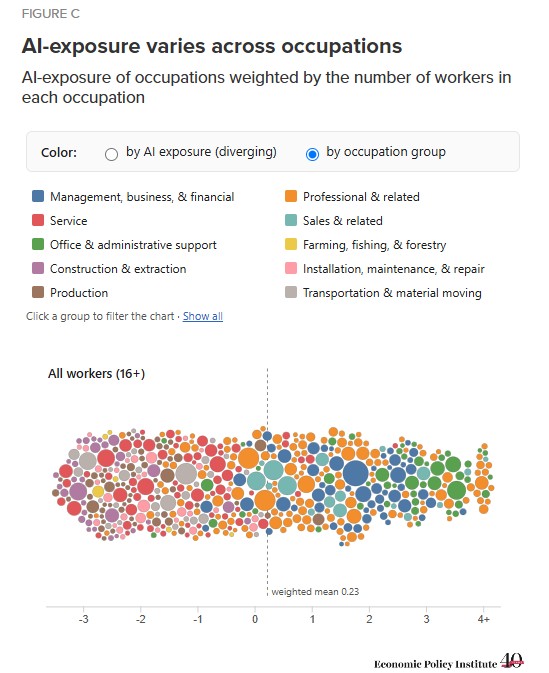
The National Association of Colleges and Employers’ (NACE) 2026 Job Outlook report found that 35% of entry-level jobs require AI skills, while the Economic Policy Institute reported that AI exposure varies by occupation, with professional and office-related roles seeing the most exposure, and construction, maintenance and service positions seeing the least.
Across industries, Sargsyan believes it’s critical to understand how AI works. “The greater the role AI plays in decision-making, the more important governance and accountability will become,” she said. “Organizations will need to understand how AI systems reach conclusions, what risks they create and where human oversight remains necessary.”
Mirzabeigi said, “People have been very scared about AI in the music industry and how it will ‘wipe us all out.’ The truth is AI is merely another piece of new technology or tool, much like the drum machine or the internet…”
“In journalism, there’s a lot of fear around whether AI will come for all of our jobs,” Topalian said. “I wouldn’t be surprised if certain jobs are automated, but I’m optimistic that enterprise and investigative reporting will never be replaced. This work is profoundly human: it requires us to build trust, interview dozens of people, ask the right questions, file for public records, all while applying constant ethical checks on our reporting process. AI just can’t do that.”
“People have been very scared about AI in the music industry and how it will ‘wipe us all out.’ The truth is AI is merely another piece of new technology or tool, much like the drum machine, or the internet.…”
Social Media Side Effects
AI isn’t the only technology facing controversy — social media is a double-edged sword for many.
For young people, it can have a negative impact on development.
Kalandjian has both researched and experienced this impact firsthand, as described in her TEDx Talk “The Good, the Bad, and the Balance: Keys to Avoiding the Pitfalls of Social Media.” She said, “On the one hand, social media has streamlined access to content consumption and creation…The downsides include increased social isolation and anxiety, as well as a decreased attention span…Through my work [with Sandy Hook Promise], I learned how social media negatively influences youth’s mental health, self-esteem and attitudes toward violence.”
But social media can also be a helpful tool for finding community and building a following.
Sargsyan said, “[Social media] played an important role in helping me adjust to a new city. It helped me learn about events, reconnect with people through mutual networks, and build friendships within academic, professional and Armenian communities.”
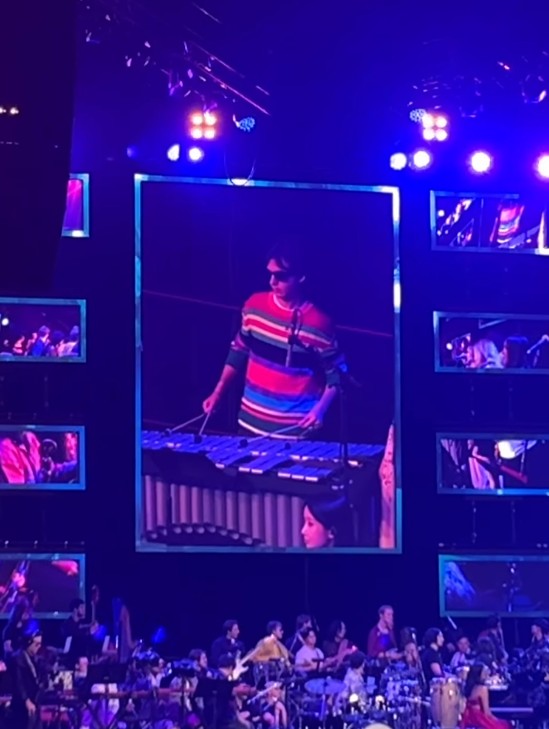
“Social media is a huge part of where the music industry is right now and has become one of the most important assets for the entertainment industry,” said Mirzabeigi. “[It] has allowed me to connect with many people on a global level and provided a way to build a fanbase and a career. In school…we have been taught how to use it to our advantage for things like fan engagement and networking, and it has become another instrument for us to learn.”
Job Outlook
Even with an unemployment rate for recent college graduates at 5.6% — 1.3 percentage points higher than the national average — 77% of recent college graduates are securing jobs within three months of graduating, according to ZipRecruiter’s 2026 Graduate Report.
All of the graduates I interviewed already have plans.
Kalandjian is working as an associate consultant at Bain & Company in Austin, Texas, with a goal of pursuing a career in international development and sustainability.
Aiming to become a music producer, Mirzabeigi secured a role at a recording studio in North Hollywood, California.
Students who worked while attending classes were almost twice as likely to land a job before graduation, which was the case for Sargsyan.
“Social media is a huge part of where the music industry is right now…and has become another instrument for us to learn.”
Throughout graduate school, she worked as an enterprise risk management analyst at a multinational financial services company, where she is now expanding that work into AI risk and governance. Her long-term goal is to bridge the gap between emerging technology, public policy and organizational decision-making.
Topalian is continuing her education and will head abroad in the fall as a Fulbright Young Professional Journalist Scholarship recipient, where she’ll engage in academic research and a newsroom internship in Munich, Germany. Her goal is to explore the world as an investigative reporter and eventually an editor.
The Armenian Factor
For all four graduates, Armenian heritage played a central role in their college experience, including in finding community.
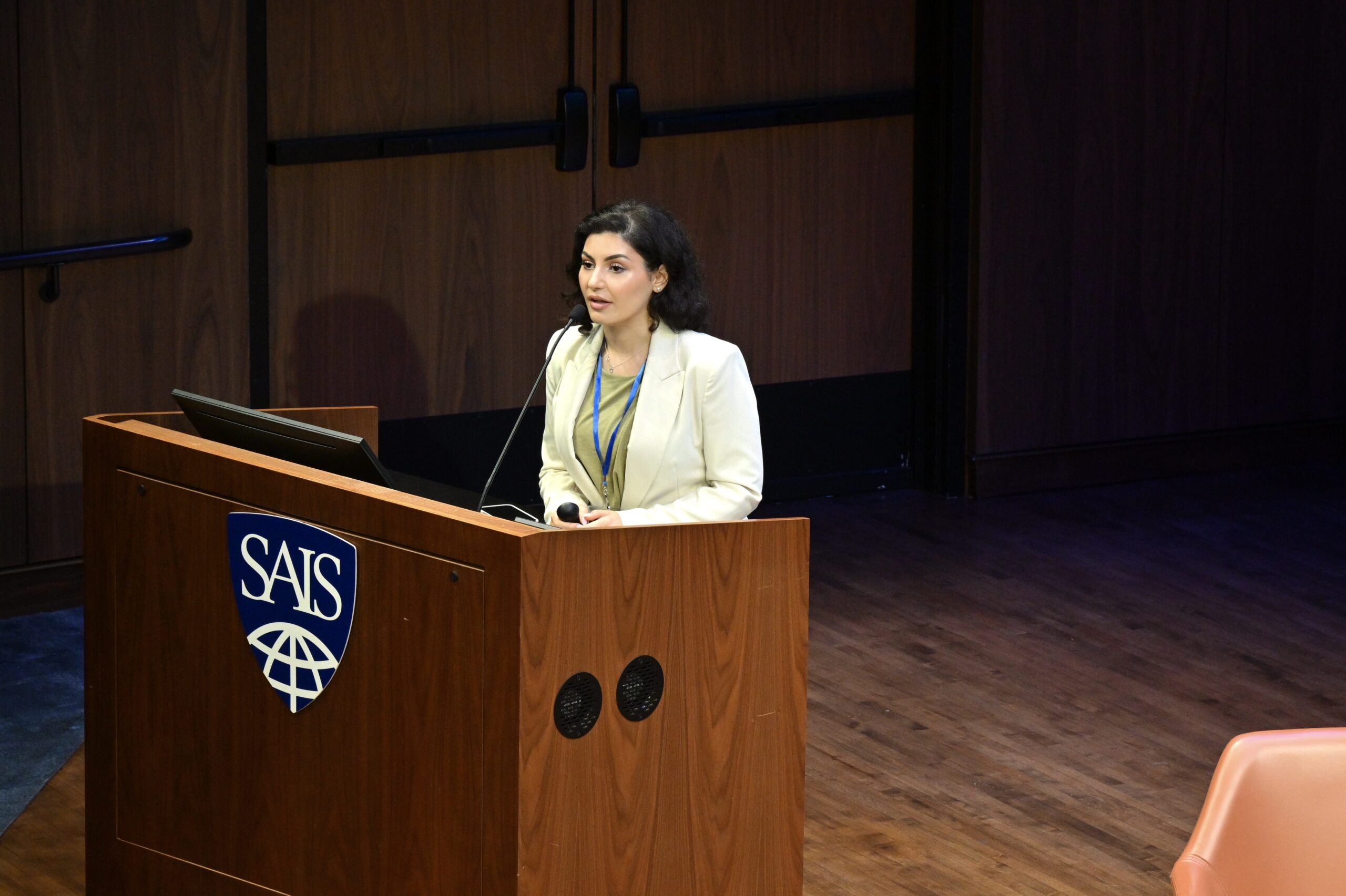
While away from Los Angeles’ large Armenian community, Sargsyan said, “I made an intentional effort to find a sense of community [in Washington, D.C.] by attending Armenian events, connecting with fellow Armenians and attending the local Armenian church.”
Student clubs, particularly those related to identity, ethnicity or culture help create community, promote a sense of belonging, and boost leadership skills. These are especially valuable when navigating a new school, state or country. And when an Armenian club didn’t exist, these students created one.
“When I first got to Berklee, the Armenian community was very scattered… During my third year, thanks to the help of my friends Lia Sarkissian, Elisa Sarkissian and Arno Melkonyan, an ASA [Armenian Student Association) chapter was established at Berklee,” Mirzabeigi said. “We were finally able to network with the other ASAs at other Boston schools – like BU, Northeastern, and Tufts – and play a couple of gigs, thanks to the Tekeyan Cultural Association, AGBU, and the Armenian Heritage Park.”
In New York, Topalian found “an already strong community in the Armenian Society of Columbia University.” But in Ireland, she said, “The young Armenian community was disparate and had no ASA equivalent. Through many…events on campus, however, I was able to bring some of the country’s Armenian youth together and we ultimately created a group chat that today has 70 members.”
Kalandjian said, “I not only met some of my closest friends by co-founding Vanderbilt’s Armenian Student Association, but I have also made lasting relationships that span my educational and professional pursuits by participating in programs centered on elevating Armenian youth.”
The interviewees also credited youth programs such as the ARS “Norian” Youth Connect Program and the AGBU Global Leadership Program with providing opportunities to learn from Armenian scholars and connect with other young Armenians outside their geographic or academic niches.
Many also chose to study Armenian history in and out of the classroom.
Topalian said, “I chose my Middle Eastern studies major at Trinity in large part because I wanted to explore Armenian history and better understand where I came from. My thesis used archival records to analyze the work of the U.S. humanitarian organization Near East Relief (NER) after the Armenian Genocide. I specifically homed in on the letters of a couple sent to Syros, Greece, by NER to teach Armenian orphans American agricultural techniques.”
At Columbia, Topalian said, “I also had the privilege of taking Dr. Khatchig Mouradian’s “War, Genocide, and Aftermath in Comparative Perspective” class, which really helped me make sense of the historiography of the genocide and the varying scholarly perspectives on it.
I chose my Middle Eastern studies major at Trinity in large part because I wanted to explore Armenian history and better understand where I came from.
Kalandjian volunteered with Rerooted, “an Armenian-run international NGO that focuses on uplifting stories of the Armenian diaspora by creating collections of oral histories from all over the world.” She said, “As a volunteer, I traveled to Sydney, Australia to interview members of the Armenian diaspora about their family histories and roles in forming Sydney’s first Armenian schools and churches.”
But community involvement doesn’t end with college.
“My heritage is a big part of who I am, so being able to grow a platform and use it to spread awareness is a very big goal of mine. I plan to collaborate with Armenian organizations in Los Angeles in the near future,” said Mirzabeigi.
Sargsyan said, “Armenians have a natural tendency to find and support one another wherever we may be, including within our respective professions and industries…Even when my primary role is not within an Armenian organization, I hope that the skills, relationships and experience I develop can also support the broader Armenian community.”
“Wherever my career takes me physically, I’ll strive to find or create an Armenian community network,” Topalian said. “It is a blessing to be able to make friends wherever I am because of this identity I share with so many wonderful humans.”
College Reflections
Supported by their Armenian community, the graduates were surprised by how much they grew in college and how well they navigated unfamiliar situations.
Kalandjian said, “[In college], there are so many opportunities to expand your comfort zone.”
Mirzabeigi said, “Moving into a new city and school, not knowing anyone, I was worried about how quickly I could adapt. I was thrown into so many new situations that I had no choice but to handle them, and it helped me grow not only professionally but also personally.”
“It is a blessing to be able to make friends wherever I am because of this identity I share with so many wonderful humans.”
Topalian said, “I realized I was more capable of dealing with unknowns and unfamiliar circumstances than I’d originally thought. I grew so much in that adjustment period and learned to accept imperfection as I struggled to accept a totally new reality.”
For future college students, they stressed the value of learning, not as a means to an end, but as its own skill.
Sargsyan said, “My advice is not to view education as simply a path toward learning one fixed set of tasks. A degree is ultimately what you make of it. Its value comes not only from the subject matter you study, but also from the ability to think critically, communicate clearly, build relationships and adapt as the world changes.”
Topalian said, “While I’m not naive to the importance of earning money, I think that learning has become overly sidelined in the core purpose of college…A strong academic arsenal is a gift that will keep you curious your entire life, and it will also help you figure out what you believe in…”
They also advised being present and open to new opportunities.
Mirzabeigi said, “My advice is to really live in the moment. Especially toward the end, it is very easy to get caught up in wondering, ‘What’s next?’ to the point that you could miss out on so many great moments and opportunities that could even help you figure out the answer to that question.”
“A large part of the college experience comes down to putting yourself out there: networking, stepping outside your comfort zone, and remaining open to unexpected opportunities,” Sargsyan said. “Instead of trying to compete with AI, students should learn how to use it thoughtfully while developing the distinctly human skills that technology cannot easily replace, such as a network and genuine relationships, a personal brand, leadership and empathy.”
Continuing on the power of an alumni network, Sargsyan said, “Many of the most valuable opportunities I encountered, from professional introductions and mentorship to academic events and career conversations, were made possible by alumni who were willing to share their time, experience and connections…It’s a testament to the fact that education extends far beyond the classroom. The relationships you build and the broader community you become part of can be just as influential as the courses you take.”
“A strong academic arsenal is a gift that will keep you curious your entire life, and it will also help you figure out what you believe in…”
In closing, Kalandjian shared advice for recent grads and beyond: “Always be kind to others and never doubt yourself.”