



The Region in Brief
Armenia
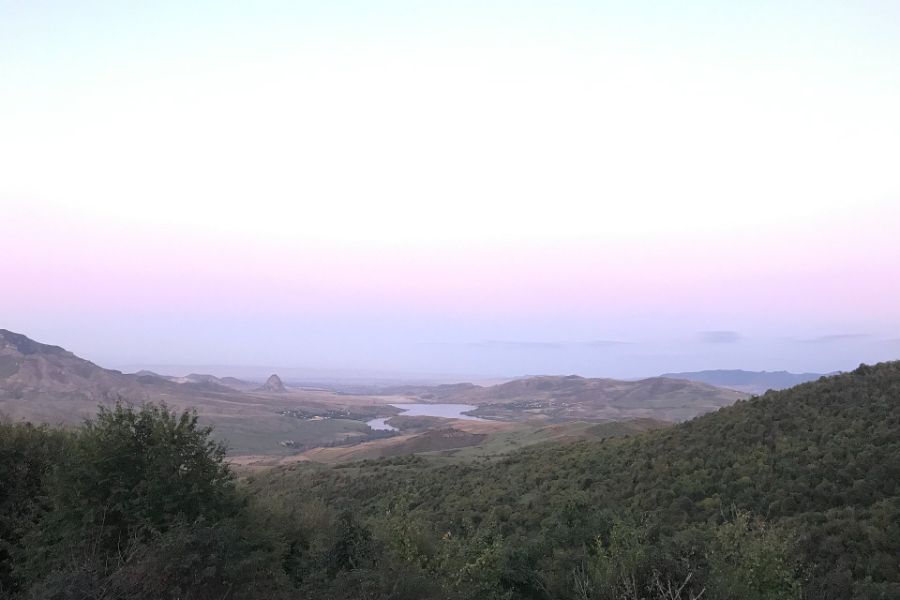
Journalist Davit Galstyan reported that Armenia’s Ministry of Defense has withdrawn troops from a military position in the Tavush region, near the Berkaber reservoir. Earlier, Galstyan had also noted a withdrawal by Azerbaijani forces from a position on the opposite side of the Berkaber reservoir.
According to Galstyan’s social media post, the position was located outside areas currently subject to border delimitation. He cited recent satellite imagery as evidence, noting that a position that existed in 2023 appears to have been dismantled by 2025, with trenches filled in and defensive structures removed.
Galstyan emphasized that the area lies outside the officially designated zones for delimitation, as indicated on a map previously published by the prime minister’s office.
Galstyan said he requested clarification from the Ministry of Defense. He was told that the National Security Service had already addressed a similar inquiry. However, the journalist expressed uncertainty about whether that response referred to this specific case or to other positional changes, suggesting the reply did not directly answer his question.
He also underscored the position’s potential tactical importance, arguing it provides control over the surrounding terrain, including access routes toward Kirants and visibility over a nearby Azerbaijani village.

Azerbaijan
Azerbaijan’s human rights commissioner (Ombudsperson), Sabina Aliyeva, called for international recognition of the 1918 events as a “genocide,” according to Azerbaijani media reports.
In a public statement, Aliyeva said Azerbaijanis had been subjected to “ethnic cleansing and genocide” by Armenians at various points of history. She emphasized that international acknowledgment of what she described as crimes against Azerbaijanis is essential to prevent similar acts in the future.
She urged international organizations and United Nations member states to adopt a principled stance regarding what she described as systematic acts of “ethnic cleansing and genocide” against Azerbaijanis.
Aliyeva’s remarks come amid ongoing tensions surrounding historical narratives and accountability in the region.
The most recent case of ethnic cleansing by Azerbaijan occurred in 2023 in Nagorno-Karabakh. The Sept. 19 attack, which displaced more than 120,000 ethnic Armenians, was preceded by a nine-month blockade of the region that included abductions, physical and psychological pressure, and conditions leading to widespread deprivation.
Iran
Iran’s Foreign Minister, Abbas Araghchi, ruled out the possibility of a ceasefire, instead insisting on a comprehensive end to the conflict across the region in an interview with Al Jazeera.
“We will not accept a ceasefire; we demand a complete end to the war — not only in Iran, but across the whole region,” Araghchi said. Araghchi said current interactions with the United States do not constitute formal negotiations.
All communications, he added, are handled exclusively through Iran’s Foreign Ministry and official security channels under the supervision of the government and the National Security Council. Araghchi emphasized that no parallel institutions within Iran are engaged in talks with Washington. He also said Tehran has neither responded to a reported 15-point U.S. proposal nor submitted a counteroffer.
Iran has not decided to enter negotiations and continues to adhere to specific conditions for ending the conflict. Chief among them is rejecting a ceasefire in favor of a full cessation of hostilities across multiple fronts. Tehran is also seeking guarantees against future attacks, along with compensation for damages sustained during the conflict.
The foreign minister said the Strait of Hormuz remains open, except to those “engaged in hostilities against Iran.” He warned of the risks of miscalculation and indicated that Iran is prepared for potential ground confrontation. Araghchi reiterated Iran did not initiate the conflict and maintains its actions fall within the framework of self-defense.
Addressing regional dynamics, Araghchi said Iran is targeting only U.S. military bases and assets, not countries in the Persian Gulf. However, he acknowledged that trust between Iran and its neighbors may be strained. Despite this, he expressed confidence relations could improve over time.
Turkey
Turkey’s minister of transport and infrastructure, Abdulkadir Uraloglu, provided an update on the progress of TRIPP, referring to it as the so-called “Zangezur Corridor.”
According to the minister, construction and rehabilitation work has begun on a 224-kilometer section on the Turkish side of the route.
Uraloglu stated that work on the Azerbaijani section is nearing completion. He added that a contract related to the so-called “Zangezur Corridor” has been signed, although construction has not yet begun. “I believe it will begin soon without significant delays,” he said.
The minister also said the route includes a 180-kilometer section passing through Nakhichevan, where part of the infrastructure will be renovated and another part rebuilt.

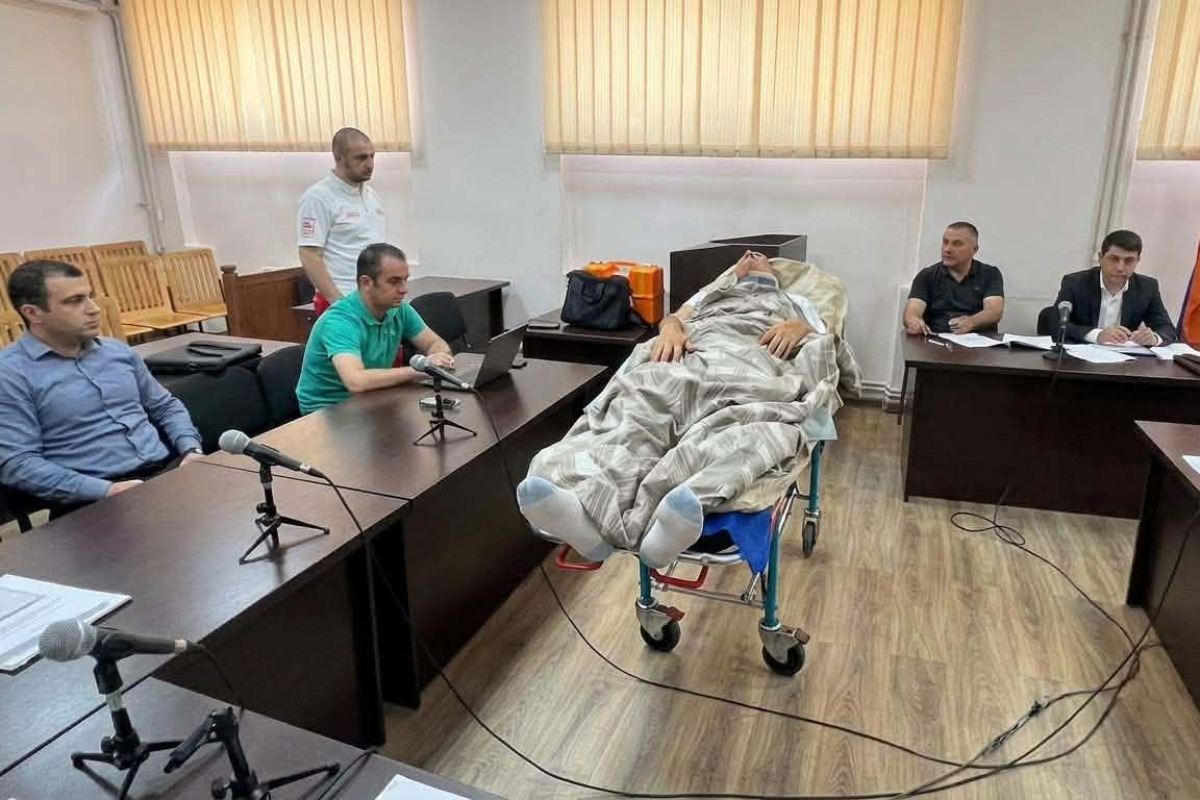
Azerbaijan has a “human rights commissioner”? The existence of a “human rights commissioner” in a dictatorship like Azerbaijan is funny, considering that the Aliyev regime imprisons opponents on fabricated charges, and even eliminates them by denying them medical treatment in prison, or eliminates them outside via a suspected “heart attack” for elderly opponents or a suspected “traffic accident” for younger opponents. And Azerbaijan (like its big brother Turkey), is the last country who should dare talk about genocide and ethnic cleansing, when it has committed genocide and ethnic cleansing against Armenians more than once.
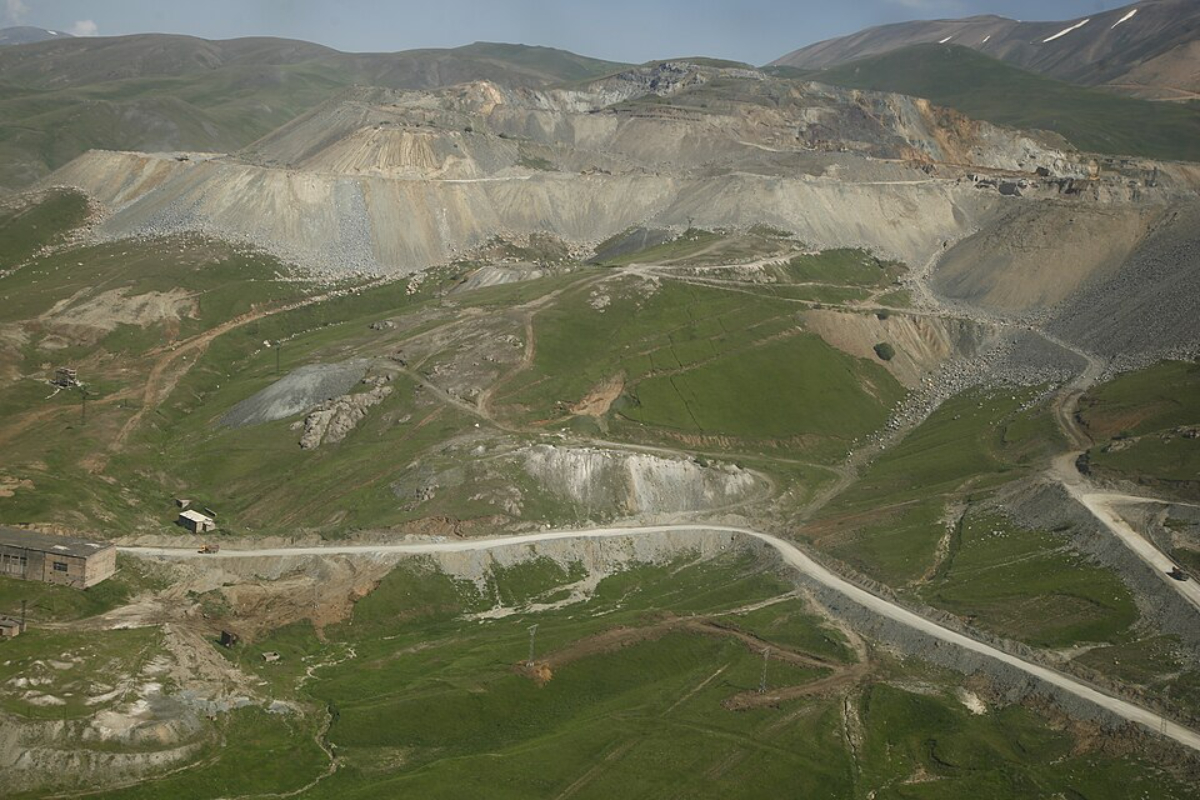
Turkey and Azerbaijan talk about “their” projects in the TRIPP corridor and act as if this corridor belongs to them, without any mention of Armenia. No comment, let alone any rebuke, from Pashinyan and his government ministers as usual.