



The Erdogan dilemma: Will Trump’s anti-terror policy trump a personal friendship?
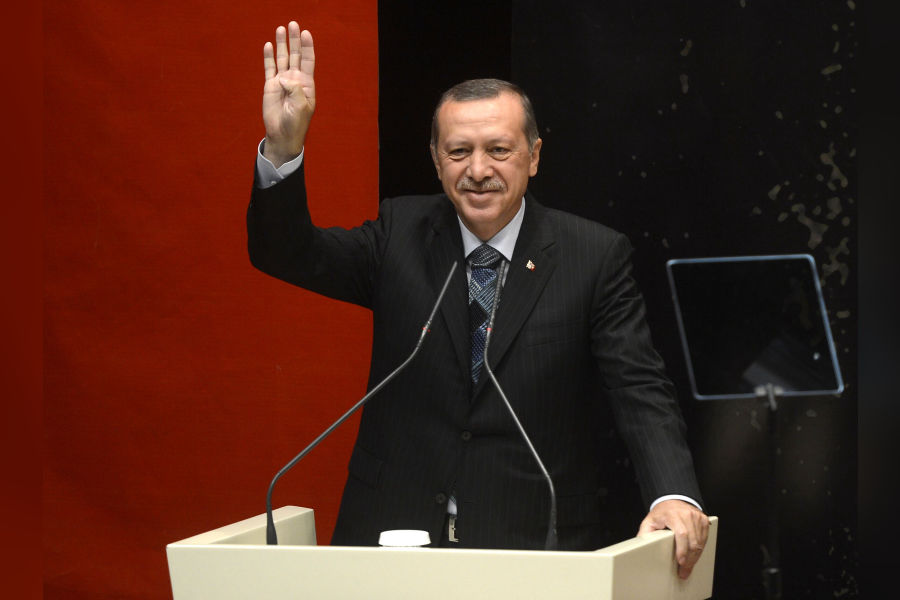
The Trump administration’s decision to begin designating certain Muslim Brotherhood (MB) chapters as Foreign Terrorist Organizations (FTOs) has revived a complex diplomatic dilemma: How will the move affect relations with Turkey, a NATO ally whose leadership has become one of the Brotherhood’s most outspoken global patrons?
This is not a new question. The first Trump administration discussed a full designation of the group in 2017, generating immediate worries about complicating ties with Ankara. At the time, Reuters reported concerns that such a move would “complicate relations with Turkey, a key American ally in the fight against Islamic State, and where the Islamist-rooted AKP Party that dominates the Turkish government of President Recep Tayyip Erdogan is in power.” The report added: “Tunisia’s Islamist Ennahda Party has also participated in democratic elections.”

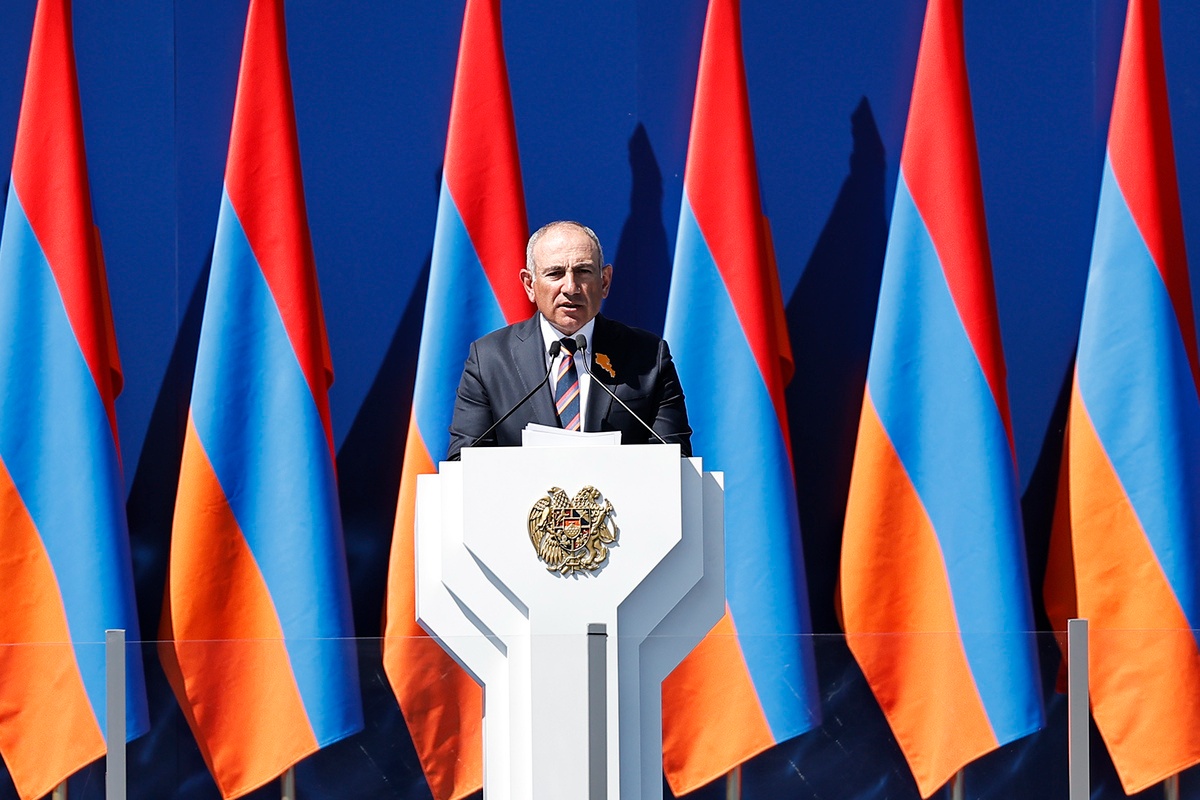
The Islamic fundamentalist Erdogan openly declared his support for the Muslim Brotherhood and its offshoot Hamas, when he became a dictator back in 2008, nine years before Trump became president for the first time. During his first presidency, Trump did nothing to reign in Erdogan, for the abovementioned reasons explained by the author. Even worse, he became chummy with Erdogan, despite Turkey constantly acting against U.S. interests in the Middle East and North Africa then – and also now. Unfortunately, it looks like it will be business as usual during the second presidency of Trump, who has been unusually tolerant of Erdogan’s provocations. Trump gets p#ssed off to other leaders’ “infractions” for much less and punishes them with tariffs and/or sanctions, yet Erdogan’s misdeeds go unpunished and are tolerated by him.