



Growing as a scout at Aurelia’s Garden

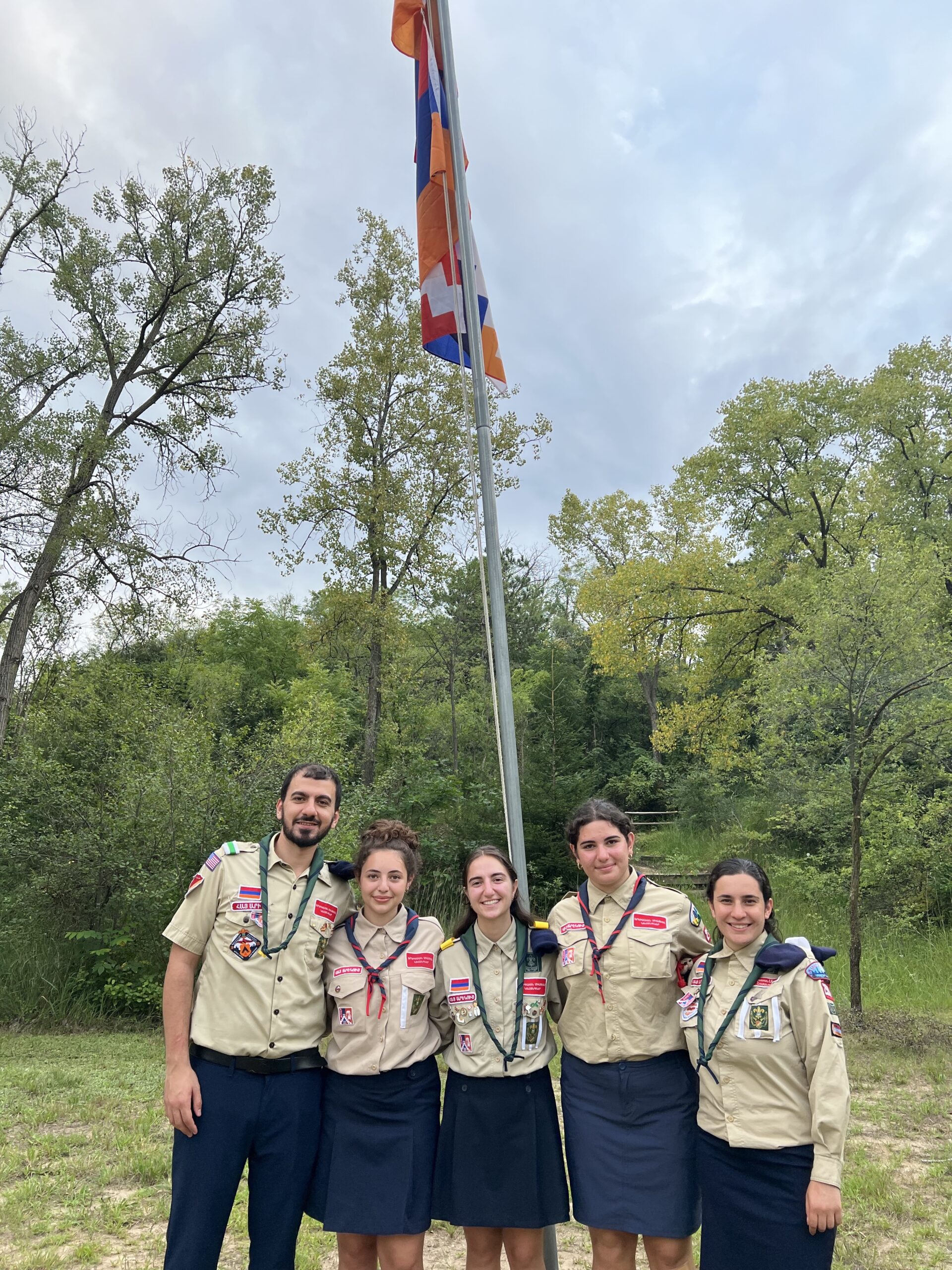
My name is Ani Ourfalian, and I have been a scout for the past 10 years at the Homenetmen Boston chapter. Over the last two years, I have worked toward one of the highest achievements in our scouting program called the Vgayal gark, which is the fifth of six rankings an Armenian scout can earn. Currently, only one scout in the Eastern region of the United States holds this rank, so achieving it would be a great honor.
The Vgayal program includes 12 steps, each designed to help scouts grow as leaders, community members and cultural ambassadors. These steps include tasks such as volunteering in the local community, studying and presenting Armenian history, planning and leading camping trips, becoming an expert rock climber, earning CPR certification and interviewing influential members of our chapter. The steps can be completed in any order, but each one must be reviewed and approved by our regional scouting council.
Step two requires the Vgayal candidate to complete at least 20 hours of volunteer work with a charitable or nonprofit organization. It also requires the scout to write an article about the experience and have it published in a local newspaper or magazine. This article fulfills that final requirement. Once it is published, I will have completed all 12 steps. I have been working toward this goal while balancing college, work and extracurriculars, so reaching this point has been a long time coming.
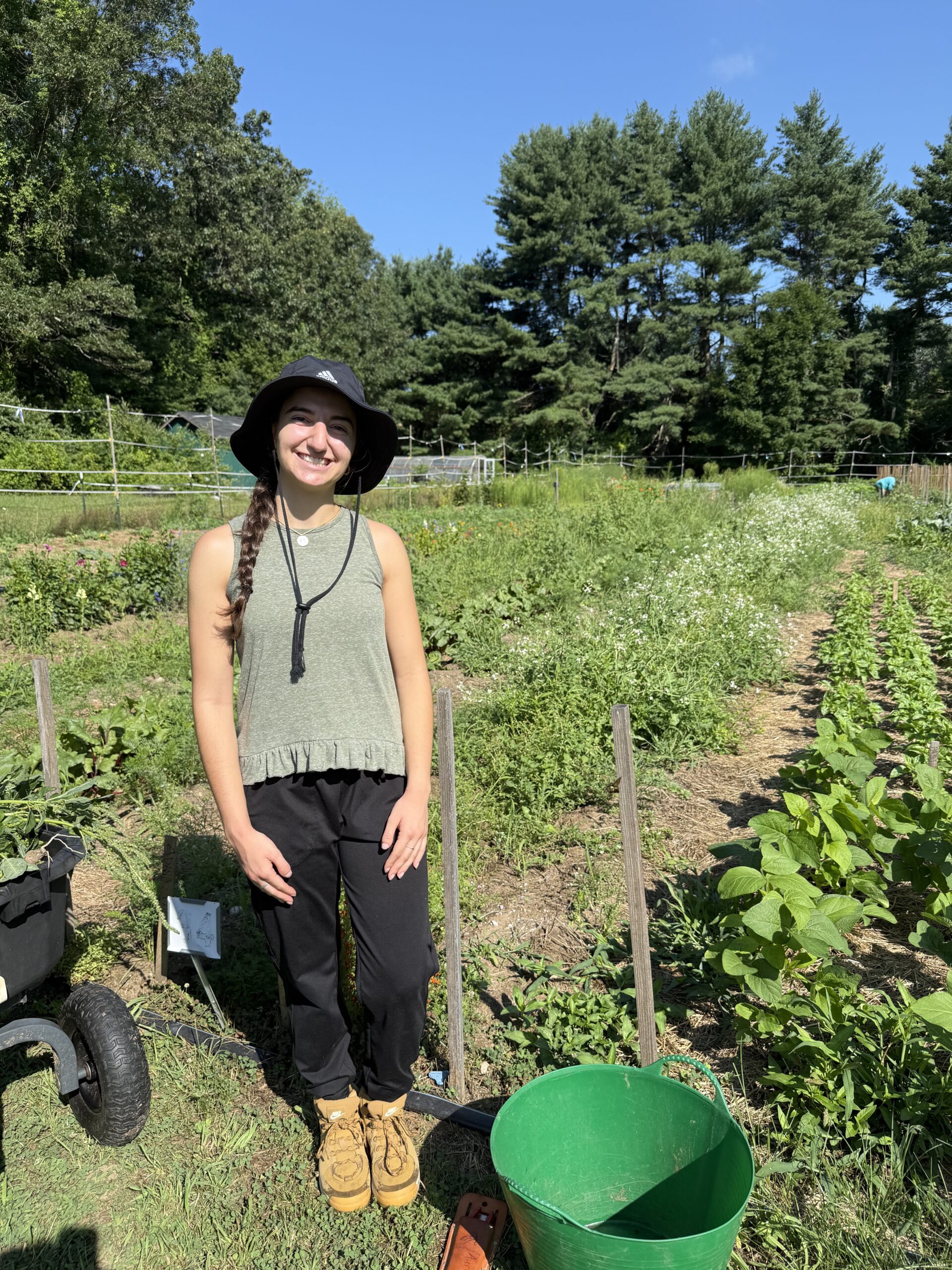
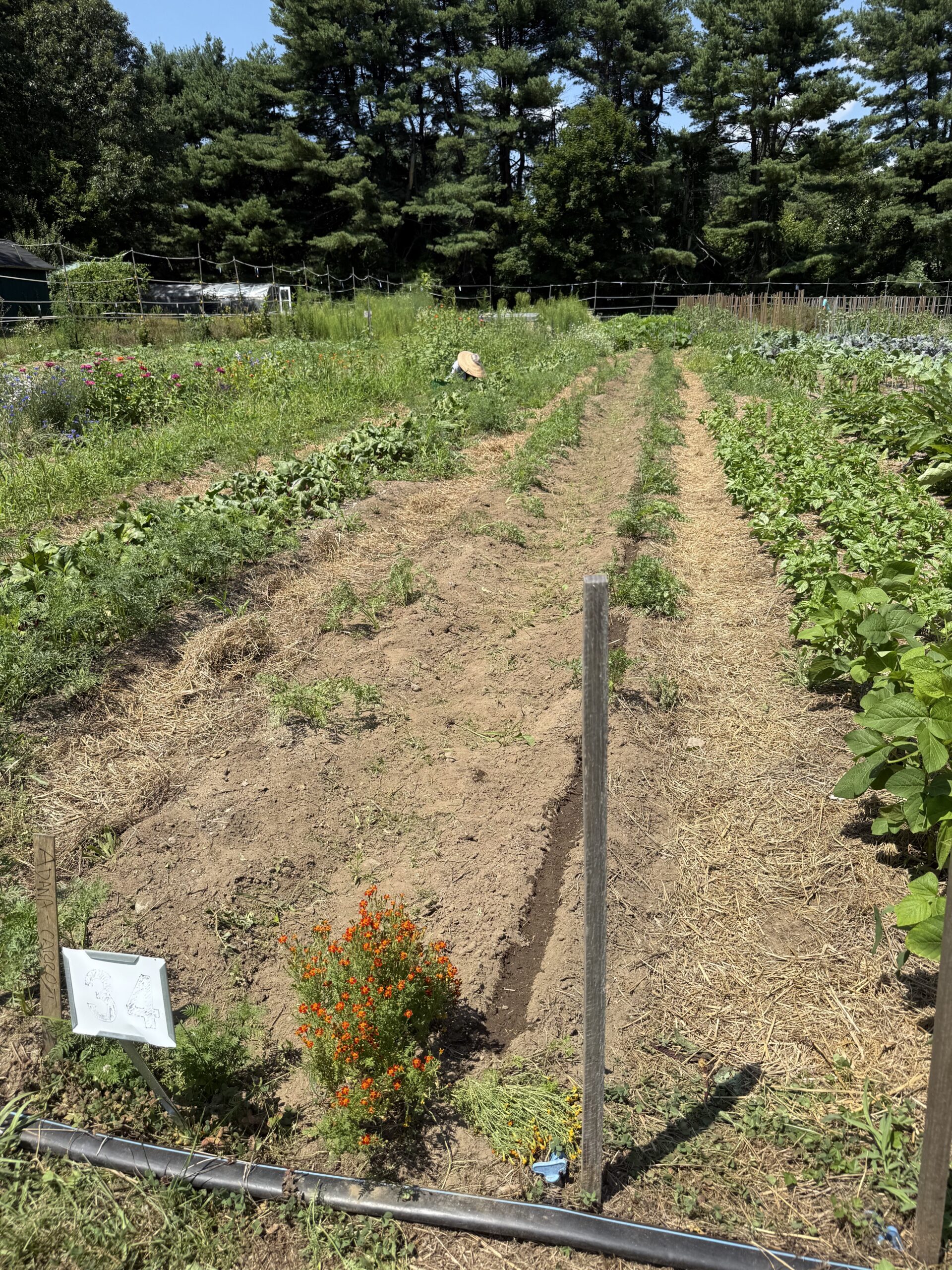
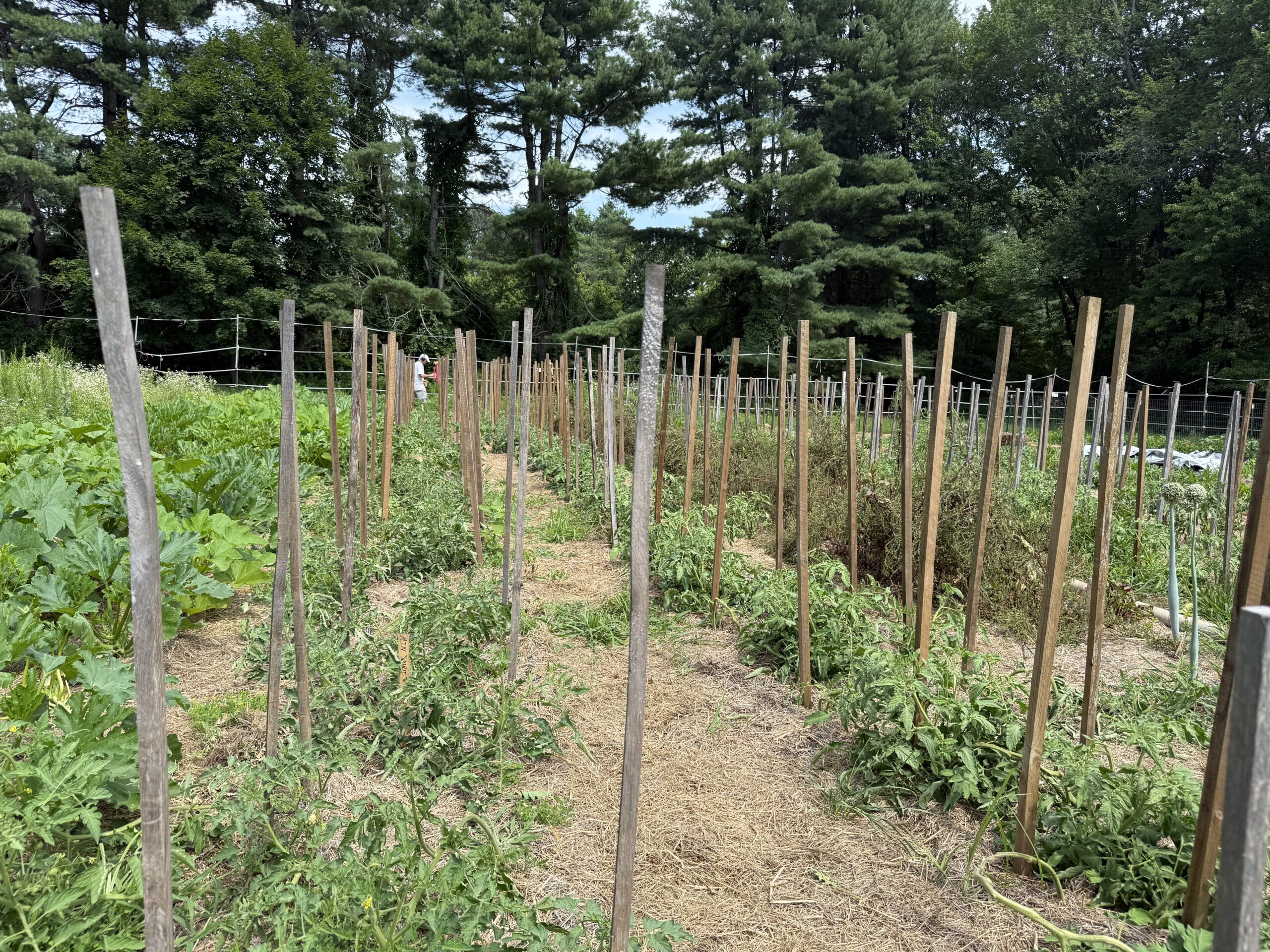
As part of my journey, I recently volunteered at Aurelia’s Garden in Wayland, Massachusetts. This nonprofit, volunteer-run, 40,000-square-foot garden donates all its harvest to local food pantries. These include the Open Table of Maynard, Sudbury Food Pantry, Medway Village Church Food Pantry and La Colaborativa in Chelsea. The garden grows a wide variety of produce, such as carrots, onions, parsley, collard greens, bok choy, lettuce, celery and many more. It also cultivates many herbs like fennel, basil and mint.
The garden is open to volunteers and welcomes everyone—from those with little to no farming experience to students training to become master gardeners and certified master gardeners themselves. I signed up through their website as a volunteer farmer and started volunteering in late June. During my time there, I planted fennel, basil and flour corn as well as weeded around carrots and onions. I helped prepare the soil for new crops by weeding and laying down hay. I also helped reseed carrots to maximize the garden’s harvest. This experience meant a lot to me as someone who loves being in nature and looks for ways to give back to the community.


One of the things I admire most about Aurelia’s Garden is its motto: “Volunteers sowing seeds of hope for the community.” The garden was founded and is still maintained entirely by volunteers. I had the opportunity to work alongside many of these dedicated individuals. Each time I volunteered, I gained new knowledge from those around me. Many were master gardeners who generously shared their expertise with patience and enthusiasm. They taught me how to properly remove weeds, which tools are most effective for deep roots and introduced me to crops I had never encountered before. One example is gandules, a type of bean native to Puerto Rico and the Caribbean. Because gandules typically grow in warmer climates, the garden is experimenting to see if they can thrive in our New England summers. I also learned practical techniques, such as how laying down hay before planting helps retain soil moisture and reduces weed growth.
One memorable discovery was a tool called the hori-hori, introduced to me by an experienced volunteer. This Japanese gardening tool, whose name means “dig dig,” combines the functions of a knife and a trowel. It is designed to cut through tough weeds and prepare soil for planting. When I first used it, I was impressed by its effectiveness and versatility. It quickly became my favorite tool because of its strength, reliability and how much it improved the ease of gardening tasks.
Spending time at Aurelia’s Garden taught me more than I expected. I saw how much behind-the-scenes work goes into growing crops and how important that work is to families who rely on food pantries. I learned to slow down, be patient and pay attention to the little details that make a big difference. Something as simple as removing weeds or planting a seed takes time and care, yet every task contributes to a much larger goal.
This experience also deepened my understanding of what it means to serve. While volunteering at the garden, I saw how meeting basic needs like food access can bring people together in powerful ways. It made me reflect on the different ways I have been able to serve my own Armenian community. I have helped lead scouts, taught Sunday school and taken part in Armenian organization boards—all with the hope of giving back and helping the next generation stay connected to their roots. Serving both communities has shown me that each one has its own needs, and there isn’t just one way to make a difference. Whether planting food for families or helping young Armenians feel proud of who they are, I am grateful to be part of something bigger than myself.
Aurelia’s Garden relies entirely on volunteer support and donations to operate. They are always looking for helping hands and financial contributions to cover the costs of tools. If you are interested in supporting their mission, you can learn more or donate at www.aureliasgarden.org. Every bit of support helps nourish our local communities!

This one of the most inspiring articles I’ve yet read about Aurelia’s Garden at Patterson Field in Wayland – and there are so many wonderful things to say! Thank you, Ani, for documenting the work you, Massachusetts Master Gardeners, and so many others are doing to address food insecurities by growing nutritious food for donation. Well done, you!