

What we remember
A common theme for humans in general, and for Armenians in particular, is to try not to dwell on the past, especially negative experiences and past tragedies. It is only natural to feel that we need to “move on.” But for Armenians, and the Armenian nation, we need to remember our past tragedies because, as the saying goes, “history repeats itself.” Remembrance can help us learn, grow and change, in order to move forward successfully.
If we don’t remember our past, who will?
I remember as a child wondering why my great-grandfather Kevork never smiled. And I wondered why my great-grandmother Lucine was always afraid. I remember visiting her in her older days in San Francisco, how she thought Turks were still out to get her — and how I reminded her, “Dadig, abahov es, you’re safe.”
They both lived through many tragedies. They survived orphanhood, refugee camps and displacement. They had to start over in life multiple times.
Growing up in an area where we were not surrounded by many Armenians, I had a desire to keep my Armenian identity and roots, especially as I learned the terrible stories of my other ancestors whom I never met. They survived, I told myself, I don’t have the right to forget my identity. When making decisions, I often look back and wonder: would your great-grandparents be proud of you? Are you doing their legacy justice?
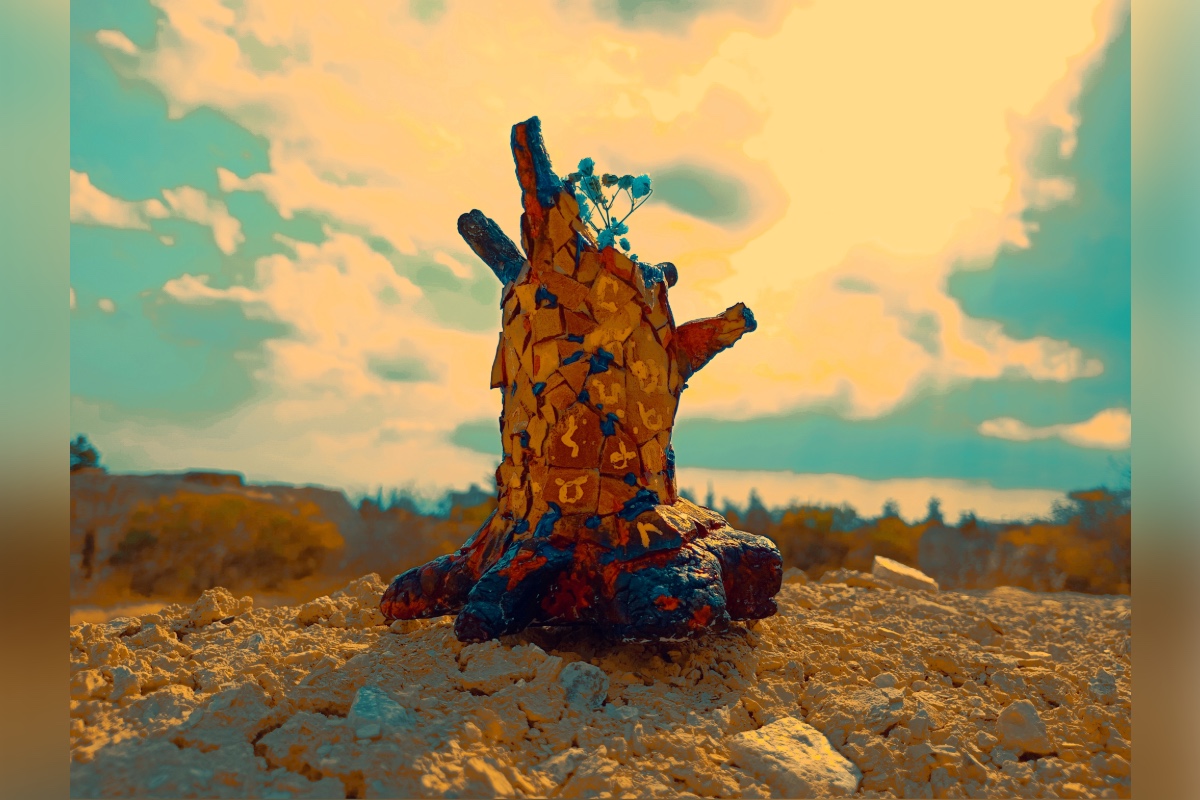
When hearing rhetoric — even from within the Armenian community — arguing the genocide happened 111 years ago, that we should forget about it and bring more positive associations with Armenians to the international stage, I disagree.. Of course, we have many beautiful aspects to our culture, heritage and traditions. However, the genocide is an integral part of us. We don’t have the right to forget it.
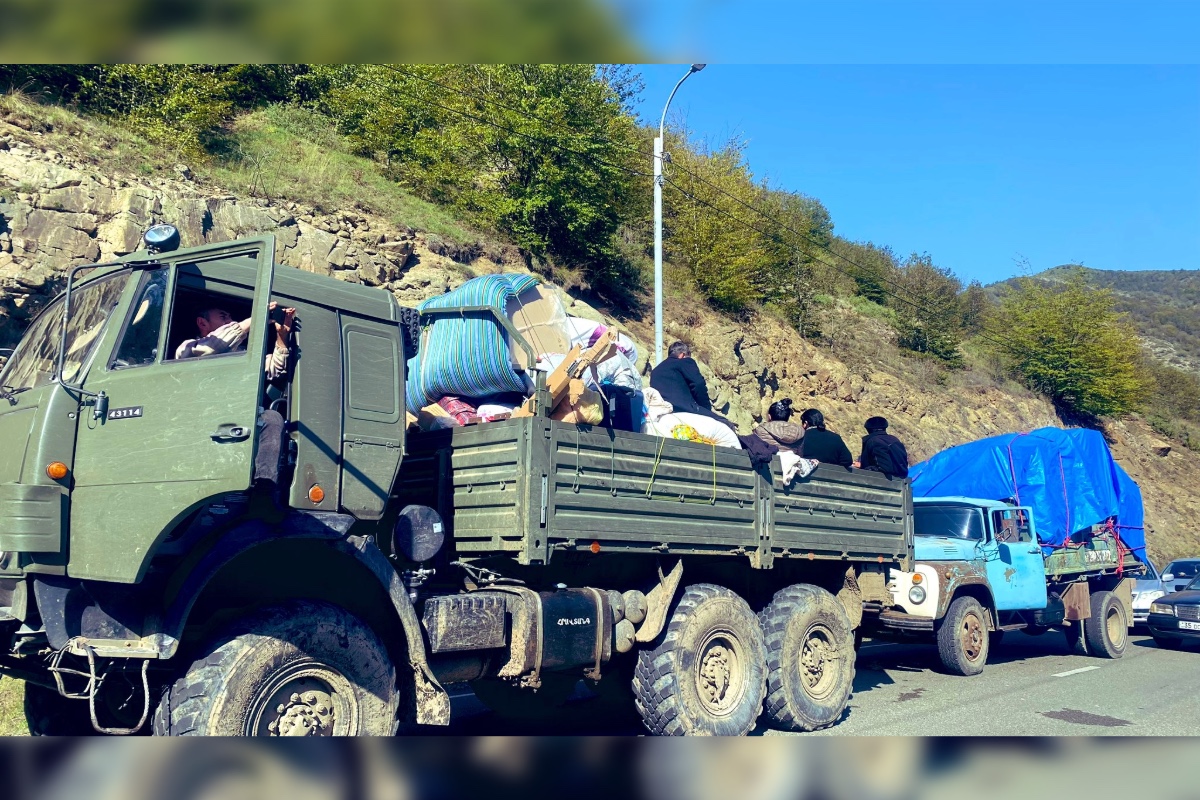
Our memory can be even more short-sighted than that. Many Armenians, including the current Armenian government, have closed the chapter on Artsakh. Many want to forget the recent war, how we lost a whole generation of brave men, and witnessed the displacement of 150,000 of our fellow Armenians who lost their homes, their precious Armenian land and heritage. We still have fellow Armenians imprisoned in Baku. Many others are still unaccounted for. To me, this is unimaginable.
Are we ok with knowing our fellow Armenians are imprisoned because — and solely because — of their Armenian identity? Are we ok with knowing many don’t know the fate of their family members who are still missing in action? Are we ok with knowing thousands of our fellow Armenians lost their homes, and that many have either left or are contemplating leaving Armenia?
Are we ok with the fact that we have the Azerbaijani military encroaching into Armenian territory? Are we ok with the recent Western Azerbaijan rhetoric?
Many Armenians don’t take it seriously. Many want peace. I also want peace. Do we have real peace? If we can agree there was a pan-Turkic agenda, what makes us so sure that agenda doesn’t exist anymore?
Sure, it’s great to see progress in Armenia. It’s great to see new roads, businesses that are doing well, and that life in Yerevan is comfortable. I want us to live comfortably and happily. But at what cost?
As a people, we must remember what happened in the very recent past. Maybe some people didn’t witness the exodus from Artsakh as I did. Maybe they haven’t seen the gruesome videos I’ve seen of beheaded and mutilated soldiers. Maybe they haven’t met with families of the missing in action. Maybe they haven’t gone to the borders to talk to the people living there. Maybe they aren’t aware of how Armenians are tortured in Baku prisons?
Maybe they don’t remember the stories we heard just a few years ago, such as the one about the two young brothers Nver and Mikayel who were killed in Sarnaghbyur. Maybe they do n’t know that the boys’ younger brother witnessed their death and still suffers from the shrapnel in his brain?
Maybe people do not know.
It’s more comfortable not to dwell on these things, to want to move on and forget.
I can’t predict the future. I can’t claim to know what will happen to our beautiful country. But I do know one thing: we can’t pretend what we recently went through did not happen. Because if we do, we’re dishonoring the memory of all those who went through these tragedies for us to survive.