


The Region in Brief
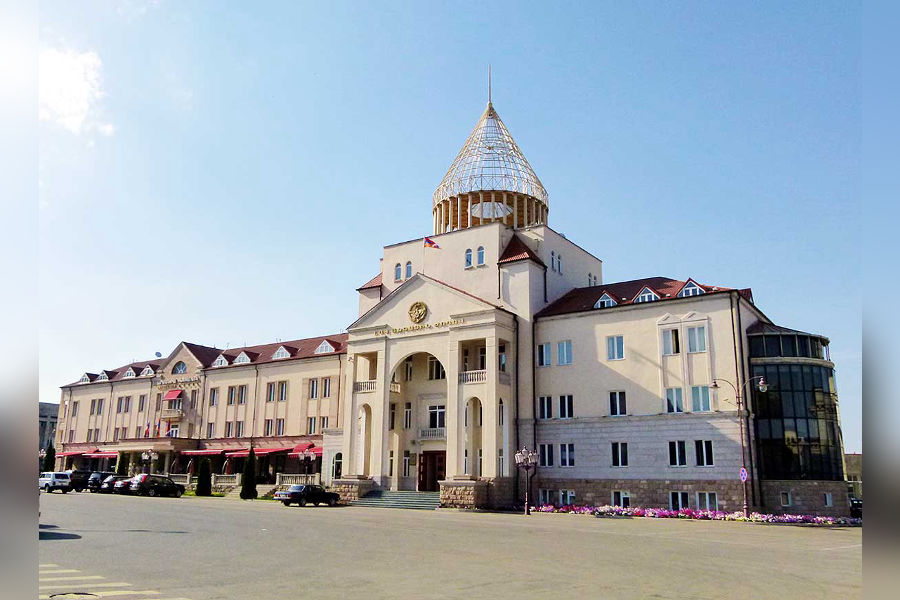
Artsakh
In Washington, members of Congress and Armenian advocacy groups marked the 1,000th day of Azerbaijani detention of Armenian POWs and civilian hostages. At least 19 Armenian detainees remain in Azerbaijani custody, including eight former Artsakh leaders who are on trial in Baku.
Armenian American advocacy groups described the trials as politically motivated and called for stronger U.S. pressure on Azerbaijan. The detainees include former Artsakh presidents and senior officials arrested after Azerbaijan’s September 2023 military offensive and the forced displacement of Artsakh’s Armenian population.
A separate humanitarian development also emerged in the missing persons file. Armenia and Azerbaijan, with the support of the International Commission on Missing Persons, have launched a mechanism allowing citizens from both countries to confidentially provide information about missing persons or burial sites. According to the announcement, the information will be used only for humanitarian purposes. However, critics remain skeptical about the potential national security risks.
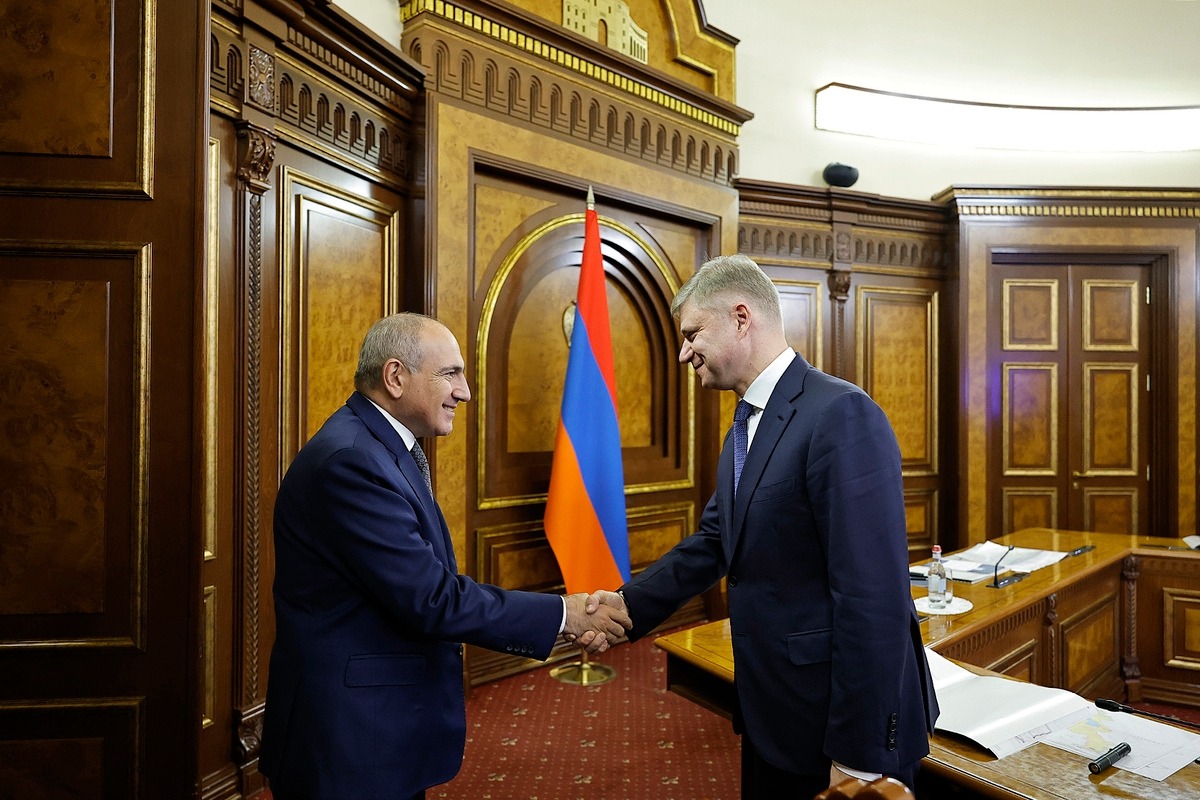
Armenia
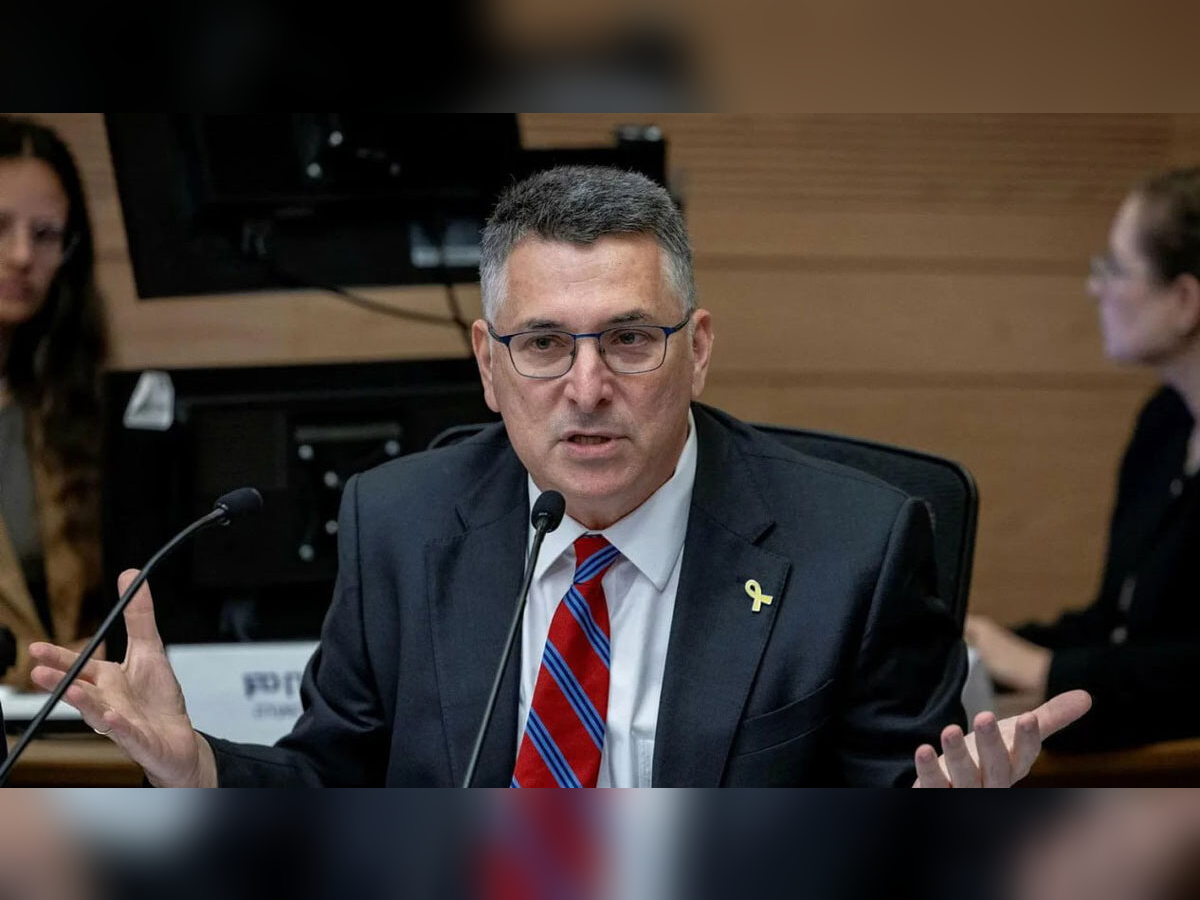
Israel’s Cabinet has approved a proposal to formally recognize the Armenian Genocide, a move that still requires approval by the Knesset before becoming official state policy. The proposal was submitted by Israeli Foreign Minister Gideon Sa’ar and approved by the Cabinet on June 28.
The decision marked a rare shift by Israel, which has historically avoided formal recognition under pressure from Turkey and Azerbaijan. Israeli and international reporting noted that the move comes amid a sharp deterioration in relations between Israel and Turkey, as well as growing criticism from Ankara over Israel’s war in Gaza.

Prime Minister Nikol Pashinyan gave a restrained response when asked about the development. Speaking June 29, Pashinyan said Armenia did not need to react to the Israeli Cabinet’s decision and argued that avoiding the “weaponization” of genocide recognition is in Armenia’s interest.
“We see no need to respond,” Pashinyan said, adding that Armenia should not become part of a process in which genocide recognition is used as a political instrument.
Pashinyan’s reaction also continued a broader pattern in his foreign policy approach, in which the Armenian government has sought to avoid open confrontation with regional powers, even on issues involving Armenian historical memory and national identity.
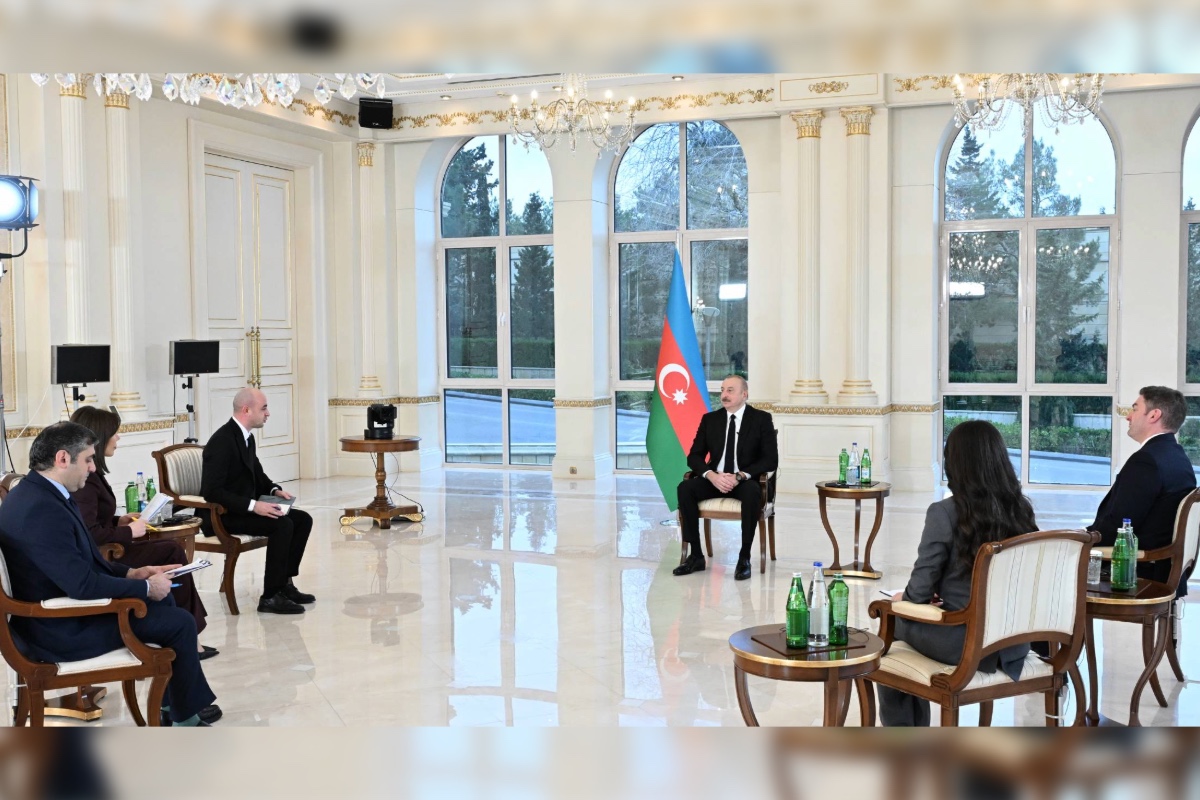
Azerbaijan
Azerbaijan condemned Israel’s Cabinet decision to move toward formal recognition of the Armenian Genocide, calling it a distortion of historical facts and urging Israel to reconsider.
The reaction was notable because Azerbaijan and Israel have maintained close strategic ties for years, including cooperation in energy, defense and security.
Azerbaijan’s response also followed its broader alignment with Turkey on issues involving Armenian Genocide recognition. Baku has consistently rejected international recognition efforts and framed such decisions as politically motivated rather than historical or legal matters.
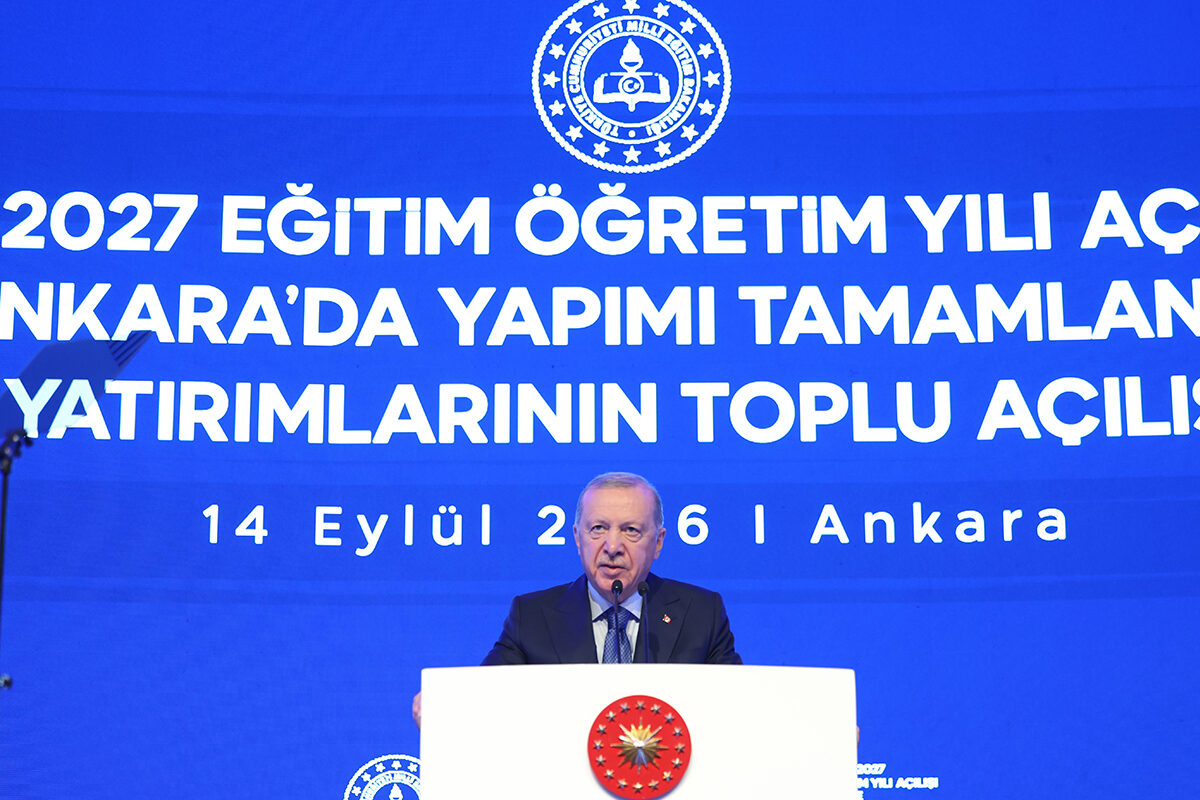
Turkey
Turkey strongly rejected Israel’s Cabinet decision on the Armenian Genocide. The Turkish Foreign Ministry called the move politically motivated and accused Israel of trying to distract from its own actions in Gaza.
President Recep Tayyip Erdogan also condemned the decision, describing genocide recognition as a “slander” against Turkey and accusing Israel of hypocrisy. His comments reinforced Ankara’s long-standing policy of rejecting the Armenian Genocide and opposing recognition efforts in foreign parliaments.
Turkey’s response also showed how Armenian Genocide recognition continues to be tied to broader regional disputes. In this case, Ankara treated the Israeli decision not as an isolated historical question, but as part of the worsening political confrontation between Turkey and Israel.