ReviewsLiterary Corner

“Déjà Vu” and the fragile boundaries of identity
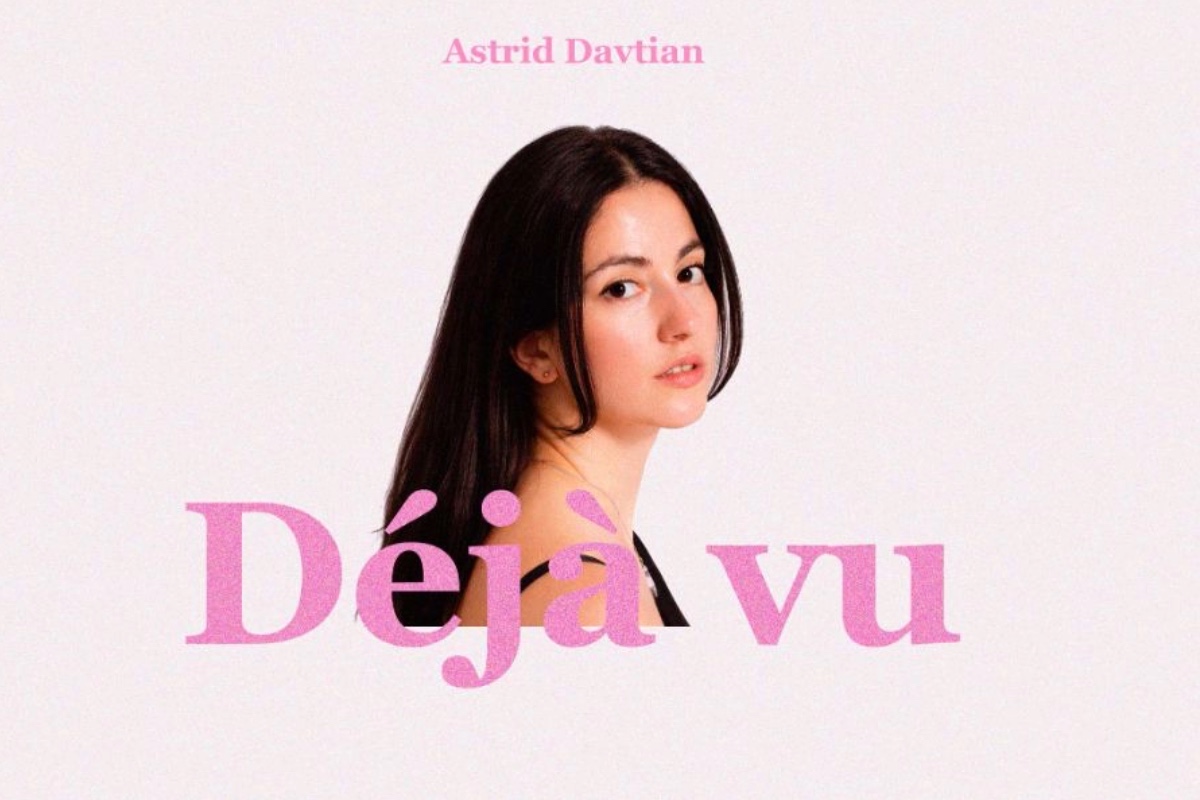
If you are tired of the usual “girl meets boy” tropes, Astrid Davtian’s recently published novel, “Déjà Vu,” will subvert your expectations with its sharp and unsettling exploration of identity, obsession and the longing to be truly seen.

Set against a rain-soaked Amsterdam backdrop, the story is not a conventional romance or a predictable thriller, but a psychological journey into the ways people construct, perform and sometimes lose themselves. Through themes of appearance, desire and reinvention, Davtian creates a story where every interaction reveals another layer of human vulnerability. 

The unnamed narrator, a television makeup artist who has built her career around transforming the appearances of others, begins her own journey after experiencing a dramatic physical transformation that forces her to reconsider how she sees herself and how she wishes to be perceived by the world. From this point, she begins reconstructing her identity through the desire to become someone entirely new.

Feeling unseen and underestimated by her clients, the narrator begins searching for a sense of control over how others perceive her. One particular client, Mr. Goldbaum, repeatedly calls her “angel,” imposing an identity onto her that reflects his own desires rather than who she truly is. His relentless pursuit and the constant feeling of being defined by others push her further toward reinvention.

At its core, “Déjà Vu” examines modern loneliness and the difficult search for genuine intimacy in an age shaped by online dating, algorithms and carefully curated identities. Davtian captures the contradiction of a generation that is more connected than ever, yet often struggles with genuine emotional closeness.

Advertisement

Her fixation on a mysterious man she notices in a coffee shop leads her to uncover the story of Cynthia, a jazz singer who died under mysterious circumstances. As the lives of these characters gradually intertwine, the narrator becomes increasingly fascinated by Cynthia and develops a disturbing desire to claim ownership over a life that was never hers.

The narrator finds a twisted sense of victory in believing she has already defeated Cynthia, her only true rival, because Cynthia is no longer alive to challenge her claim. Yet the more she attempts to possess another woman’s identity, the further she drifts from her own. Through this psychological unraveling, Davtian explores what happens when the longing for connection becomes inseparable from the desire to escape oneself.

Through a parallel narrative exploring ancient beliefs and the ways modern people attempt to interpret and reconnect with traditions from the past, the novel reflects on how contemporary life reshapes our understanding of history, identity and belonging. 

WhileDéjà Vu” contains elements of psychological suspense, it is also a novel about contemporary relationships, identity, loneliness and modern city life. Davtian explores the contradictions of a world where people seek connection while constantly reinventing themselves. In the vein of contemporary urban fiction, reminiscent of writers such as Frédéric Beigbeder or Sergey Minaev, the novel examines modern society, human behavior and the gap between how we present ourselves and who we truly are. 

What makes “Déjà Vu” so compelling is its examination of intimacy and validation in the modern world. Davtian explores the ways people seek love, recognition and belonging through appearances, performances and imagined versions of others. Beneath the psychological thriller elements lies a deeply human question: How much of ourselves are we willing to change in order to finally feel understood?

Astrid Davtian is an Armenian writer and film director based in the Netherlands. Her work explores the subtle tensions of modern life, where perception, desire, and social behavior shape who we become. Her storytelling blends dark humor with emotional depth, balancing irony and vulnerability. “Déjà Vu” is her debut novel and can be purchased as a paperback copy on Amazon. Readers can learn more about her work and creative journey through her Instagram page here. 

Angelina Der Arakelian-Dennington

Angelina Der Arakelian-Dennington is an award-winning screenwriter, author and journalist based in Cyprus. She draws on her experience as a descendant of Armenian Genocide survivors and as a member of the Armenian diaspora to explore the intersection of culture, literature and entertainment, examining questions of identity, belonging, memory and storytelling across borders.

Leave a Reply

Your email address will not be published. Required fields are marked *


Back to top button