OpinionOp-Eds

What happens if 300,000 Azerbaijanis are resettled in Armenia?

After Azerbaijan, with critical support from Turkey, defeated Artsakh in the fall 2020 44-day war, Baku immediately moved to isolate Artsakh and force its inhabitants out of their ancestral homeland. Azerbaijan’s quick war was followed by an agonizing blockade, which was essentially a slow-motion genocide through the denial of access to basic necessities. In September 2023, Azerbaijan invaded again and immediately ethnically cleansed Artsakh of its native Armenian population. Baku has now turned to the complete destruction of all traces of the ancient Armenian presence there, as if Armenians never existed — similar to what it did in Nakhichevan and other Armenian areas. 

To cover up its crimes against humanity, Azerbaijan has tried to shift attention away from its genocidal actions by focusing on the return of Azerbaijanis whom it claims once lived in Soviet and pre-Soviet Armenia. Flipping the script on the historic Armenia the world has known for millennia, Baku has engaged in a massive information war accusing Armenia of genocide and ethnic cleansing and demanding that Armenia accept the resettlement of 300,000 Azerbaijanis. This psychological warfare campaign is known as the “Western Azerbaijan” narrative.1A. Ismayilowa and A. Abbasova, “Genocide Carried Out in Western Azerbaijan 1918-1920,” Slovak International Scientific Journal, No. 84, 2024, pp. 47-51.S. Quliyeva, “The Western Azerbaijan Issue in the Context of International Law and Diplomacy,” Baltic Journal of Legal and Social Sciences, No. 4, 2025, pp. 42-56.

The constant drumbeat of the fictitious “Western Azerbaijan” narrative is predicated on the false claims that Azerbaijanis are the original inhabitants of Armenia but were driven out by latecomer Armenians. Baku claims it is now imperative for the first wave of 300,000 Azerbaijanis to return to their lost homeland and rebuild “Western Azerbaijan” inside the sovereign territory of the Republic of Armenia. Baku, having long perfected its ability to distort, obfuscate and outright falsify the historical record, has harnessed the full power of the state to promote its invented “Western Azerbaijan” myth. It is a massive international propaganda effort and psychological warfare operation aimed at both Armenians and the international community, one that makes Turkish denial of the Armenian Genocide inside and outside Turkey look like child’s play. 

The following predictive analysis is based on my reading of the historical record and relevant precedent. Knowing that full-scale direct military action against Armenia would raise numerous problems for Azerbaijan, Baku has chosen to proceed in stages, just as it did in Artsakh.

If Azerbaijanis are resettled in Armenia, what would such a resettlement look like? First, the dictatorship in Baku would ensure that Azerbaijanis were resettled in Armenia’s most strategically situated areas. Falsified ethnographic maps would be produced to “prove” that Azerbaijanis once inhabited those areas. These settlements would act as Azerbaijani strongholds inside Armenia, severely undermining Armenia’s national security and limiting its ability to defend itself. In addition, Azerbaijani settlers would most likely attempt to buy up as much surrounding Armenian real estate as possible, expanding their holdings on Armenian territory.

Related Articles
Advertisement Donate Today!

These Azerbaijani settlements would effectively become centers of subversion and sabotage throughout Armenia. The absolute hatred of all things Armenian taught in every Azerbaijani school for decades, combined with unceasing anti-Armenian state propaganda, hardly gives confidence that these so-called Azerbaijani settlers would integrate into Armenian society. They would come under the de facto protection of the Azerbaijani armed forces, whether Yerevan agreed or not, making control over their activities all but impossible. Once these settlements were established in Armenia, it would only be a matter of time before Baku manufactured a provocation in which the “safety” and “civil rights” of these Azerbaijani settler communities were allegedly threatened by Armenians. These Azerbaijani settlers would then call on Baku to “protect” them against Armenian “terrorists,” as they like to label Armenians, clearing the way for Azerbaijani armed intervention. 

Armenia, already weakened and disoriented, would be compelled to acquiesce to Azerbaijani demands supported by Turkey. The internal instability created by the presence of hundreds of thousands of Azerbaijanis in an Armenia already full of displaced and marginalized Artsakh Armenians would be a recipe for potential chaos. It would be highly unlikely that any Armenian government could remain in power under such conditions. The remaining rump Armenian state would be completely dependent on the whims of Baku and Ankara. Russia would not intervene to protect its former client, having already demonstrated its complete unwillingness to come to Armenia’s aid during the 44-day war. Iran would most likely still be preoccupied by seemingly endless attacks by the United States and Israel. Thus, Baku’s “Western Azerbaijan” fever dream would be realized, spelling the end of the Republic of Armenia. 

The critical reader has the right, indeed the responsibility, to question this predictive analysis. Why would this scenario be more likely than others? I would argue for its high likelihood because it is based on a close reading of the historical record, especially the experience of the First Republic of Armenia from 1918 to 1920, as well as the early years of the Artsakh Liberation Struggle from 1988 to 1991.

Even though history does not necessarily repeat itself, it often rhymes. During the First Republic, Azerbaijani villages were in constant rebellion against the government in Yerevan.2 H. Virabyan, “Muslim Movements and Interethnic Processes in the Republic of Armenia in 1918-1920,” Fundamental Armenology, 2 (22), 2025, pp. 99-125. Ottoman Turkish military officers armed and organized these villages and encouraged Azerbaijani villagers to go on the offensive to prevent the Republic of Armenia from becoming a stable state. Azerbaijani “diplomats” based in Armenia were also directly involved in organizing and arming Azerbaijanis against the Armenian government.3Richard Hovannisian, “Parliamentary Government as Modernization,” Armenian Review, 36 (1), Spring 1983, pp. 26-34.

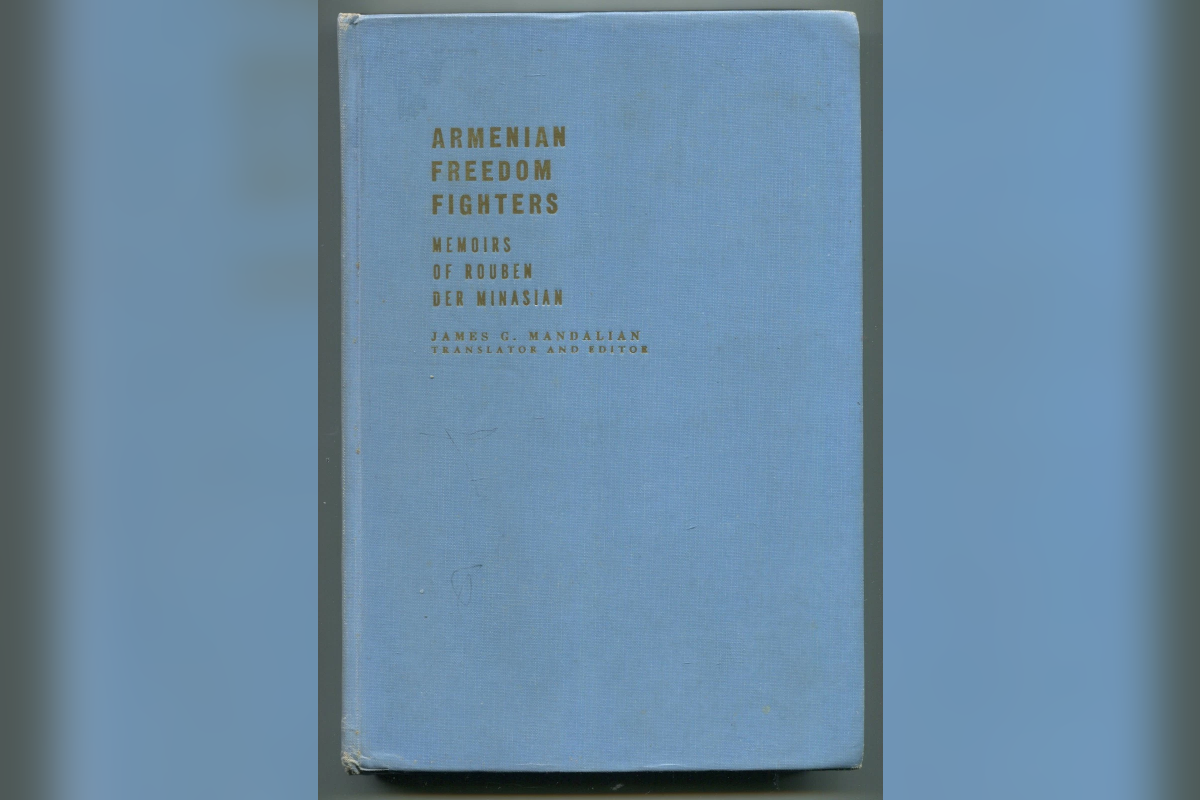
There were serious disagreements among Armenian government leaders over how to handle such subversive actions. Some leaders, such as Alexander Khatisian and Hovhannes Kajaznuni, argued for an accommodating approach, while military leaders Ruben Ter Minasian and Gen. Dro Kanayan knew firsthand the futility of such accommodations. When Ruben and Dro were finally able to subdue these rebellious villages in 1920, a degree of stability was established, but it was already too late: Turkish and Soviet forces pounced on an already weakened and exhausted Armenia.4Ibid.

In more recent times, during the final years of the Soviet Union, many Armenians were attacked inside the borders of Soviet Armenia when they passed through Azerbaijani villages. Certain areas of the Armenian SSR were simply too dangerous for Armenians to enter. Places such as Yeraskh and Vedi were notorious hot spots of Azerbaijani aggression. Assaults, robberies and murders of unarmed Armenian civilians were frequent occurrences. Motor vehicles and trains passing through these areas were attacked with stones and firearms. It was especially dangerous along the roads leading into and out of Artsakh.

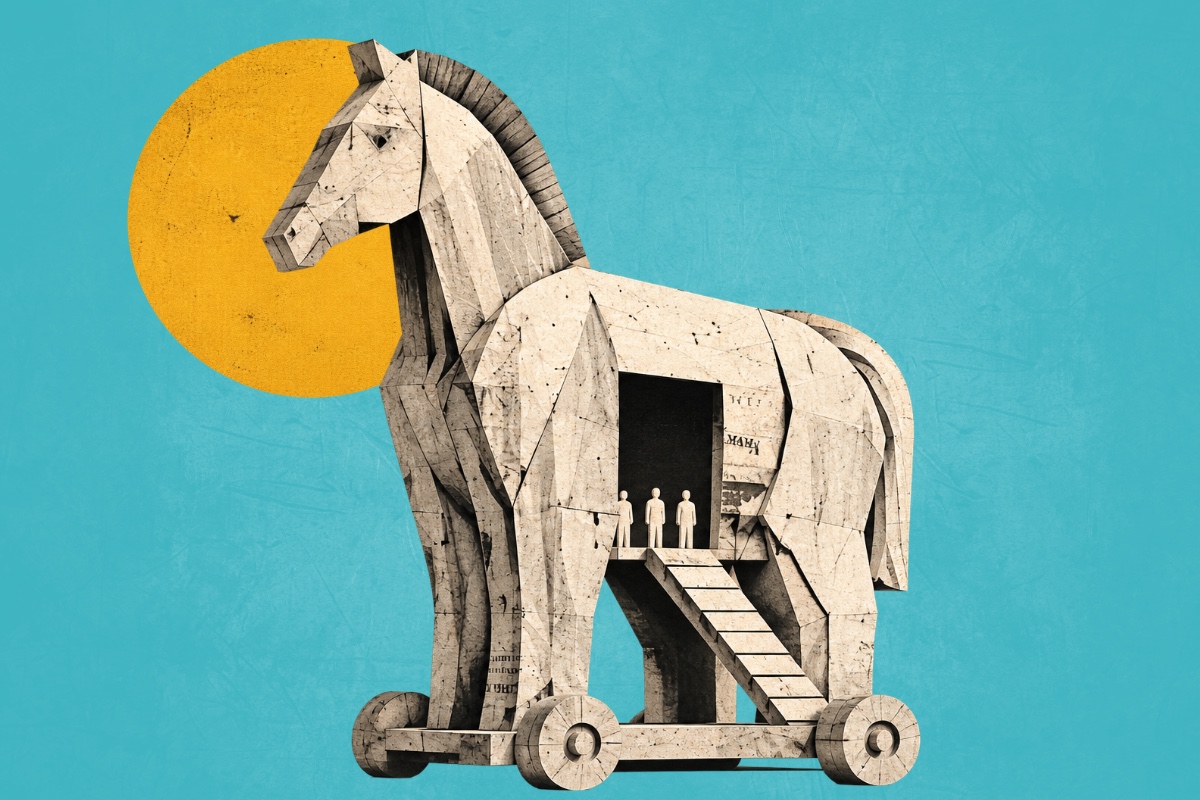
Thus, based on historical and recent experience, there is every reason to conclude that the resettlement of Azerbaijanis in Armenia would be nothing more than a Trojan Horse intended to destroy Armenia from within. Without a strong and definitive response from Armenia, the Azerbaijani goal would finally be within reach. 


Robert Krikorian

Dr. Robert O. Krikorian retired from the Department of State after more than two decades as an intelligence analyst and senior adviser. He began his State Department career as a diplomatic historian, focusing on the practical and policy-relevant applications of historical knowledge. He earned a bachelor’s degree from Clark University, a master’s degree from The George Washington University and a Ph.D. in history and Eurasian studies from Harvard University, where he also taught courses on Russian and Middle Eastern history. He has taught at the Elliott School of International Affairs at The George Washington University and has lectured to hundreds of diplomats at the State Department’s Foreign Service Institute as part of their training for postings in the South Caucasus and elsewhere. Dr. Krikorian has written and presented extensively on the modern history and politics of Armenia and Eurasia.

Leave a Reply

Your email address will not be published. Required fields are marked *


Back to top button