


ColumnsTashjian's Take

A three-scenario analysis of Iran’s future and its impact on the South Caucasus
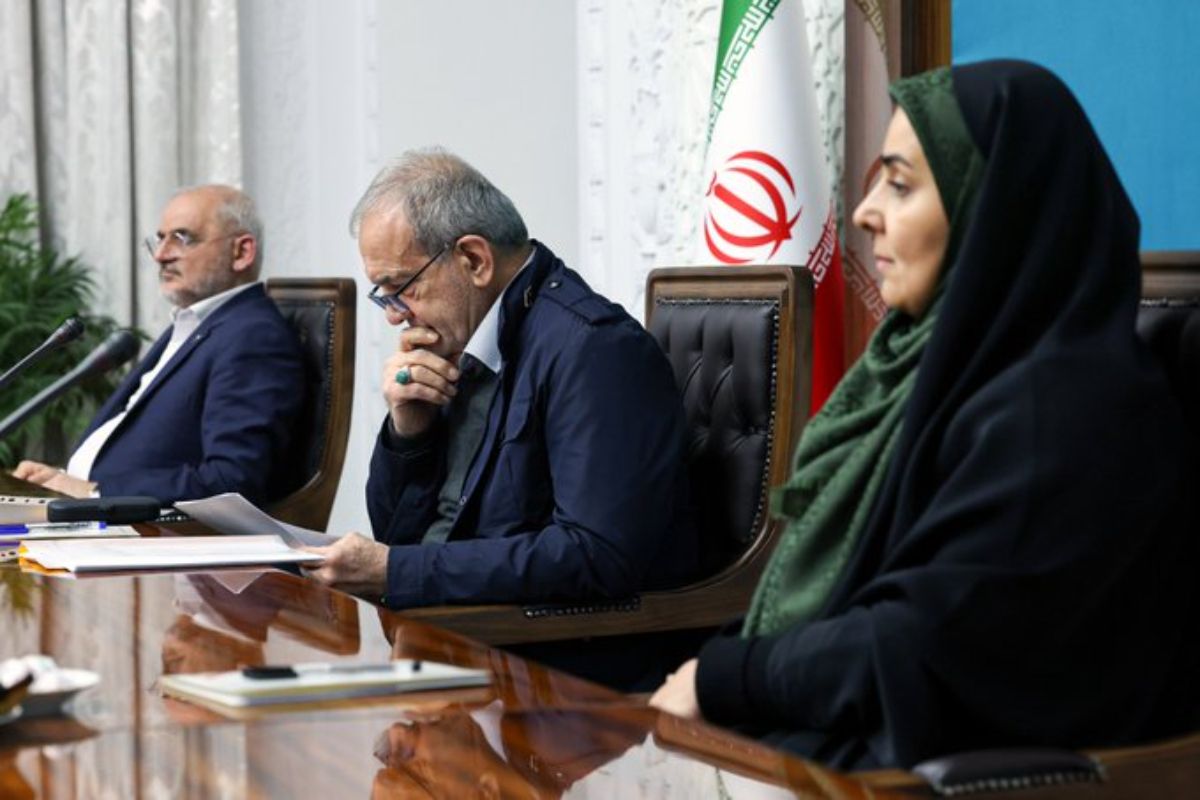
For decades, Iran has been perceived in Western strategic policy thinking primarily as a Middle Eastern player. Yet Iran borders both Central Asia and the South Caucasus. Hence, any internal turbulence, whether through a managed political transition or chaos and instability, would shape Iran’s foreign policy and spill into neighboring regions. Such developments would recalibrate the balance of power in one of Eurasia’s most fragile and strategically contested regions: the South Caucasus. 

After the collapse of the Nagorno-Karabakh Republic in September 2023, the forced displacement of Armenians and the withdrawal of Russian peacekeepers, the South Caucasus began undergoing a slow but profound realignment. Russia’s war in Ukraine also weakened Moscow’s capacity to become the region’s main security guarantor and power broker, paving the way for extra-regional actors. 

Already a subscriber?Log in here

This story is FREE for you...

Create a free account to access this and four more articles, and get more sent to you with our e-newsletter.

Or, subscribe now for unlimited access
By submitting your email address you agree for Hairenik Association, Inc. to send you communication by email.

Yeghia Tashjian

Yeghia Tashjian is the Issam Fares Institute Public Policy and International Affairs-American University of Beirut’s Regional and International Affairs Cluster Coordinator. He holds a master’s degree in Public Policy and International Affairs from the American University of Beirut and completed the "Strategic Leadership in Global Societal Security Program" at the Swedish Defense University in 2022. He earned his bachelor’s degree in political science from Haigazian University in 2013 and has worked in the university's Armenian Diaspora Research Center between 2016-2017. Yeghia's master’s thesis focused on China's geopolitical and energy security interests in Iran and the Persian Gulf. Currently, Tashjian is engaged in research on the phenomenon of Turkish-Russian 'co-opetition' in the MENA+ Caucasus region and Russia's involvement in the International North-South Transport Corridor. He contributes to various local and regional newspapers, has presented various topics from minority rights to regional security issues, and is a part-time instructor in the Department of Political Studies and Public Administration at the American University of Beirut.
Back to top button