


Briefs

The Region in Brief

Armenia

Civil society representatives in Armenia have appealed to the Council of Europe commissioner for human rights, as well as international organizations and diplomatic missions operating in Armenia, calling for urgent attention to the arrest and prosecution of Artsakh activist Arthur Osipyan.

According to the Transparency International Anti-Corruption Center, the appeal raises concerns that the criminal proceedings and detention of Osipyan may be unfounded, unlawful and politically motivated. The signatories also point to the court’s decision to place him in two months of pretrial detention, restrictions imposed on visits and communication with the outside world, and the fact that Osipyan is on a hunger strike in custody. 

The case stems from a heated exchange between Osipyan, a displaced Artsakh Armenian activist, and Armenian Prime Minister Nikol Pashinyan during a campaign event in Yerevan’s Arabkir district in May. During the confrontation, Pashinyan made a controversial remark, asking Osipyan, “Why didn’t you die?” as the discussion touched on Artsakh and the Nagorno-Karabakh conflict. 

Human rights groups say the case raises serious concerns over democratic freedoms, political pluralism and freedom of expression in Armenia. The appeal’s authors are calling for Osipyan’s immediate release and full guarantees of his fundamental rights and freedoms.

Artsakh

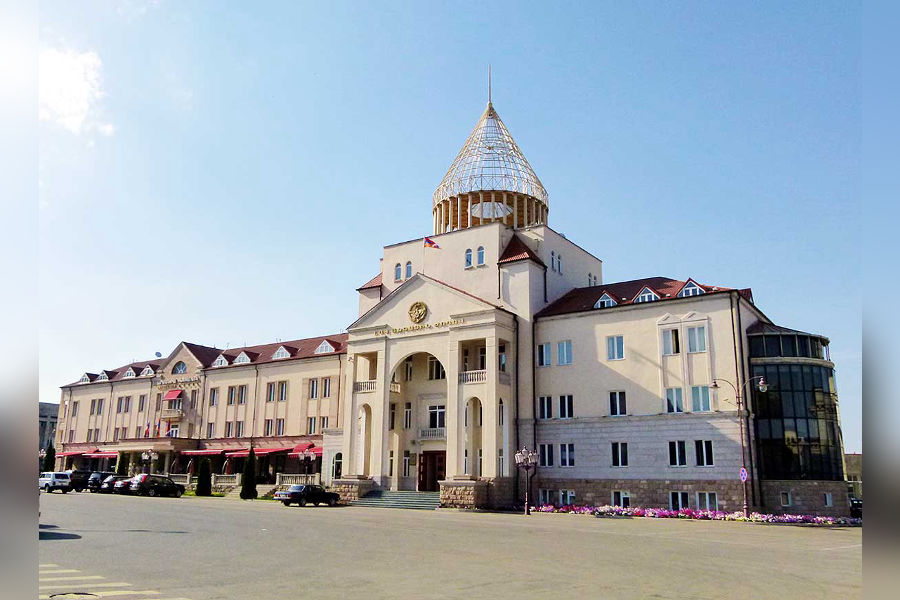
The Baku Court of Appeal has continued proceedings in the appeal case concerning former Artsakh political and military leaders and other Armenian detainees. 

Related Articles
Advertisement

The defense submitted several motions related to the clarification of appeals, witness testimony and the participation of a representative of Azerbaijan’s human rights commissioner. The prosecution opposed several of the motions, arguing that sufficient evidence had already been examined and that the new requests lacked adequate substantiation. After deliberations, the court partially granted the motions. The appellate hearing is scheduled to continue on June 9.

Separately, concerns have been raised over the condition of the St. Astvatsatsin Church in Mets Shen, one of Shushi’s villages in occupied Artsakh. Hovik Avanesov, Artsakh’s cultural heritage ombudsman and vice president of the “National” Historical-Cultural NGO, warned that the church faces a serious risk of damage or possible destruction.

Avanesov said large-scale construction activity was recorded in the immediate vicinity of the church on its eastern and northern sides between Oct. 31, 2025, and May 14, 2026, without international expert oversight, transparency or public accountability.

Avanesov said the activity raises serious concerns regarding the physical integrity of the church, the preservation of its historical and architectural setting and its long-term survival. He described St. Astvatsatsin as an important component of Armenian Christian cultural heritage in Artsakh, with religious, historical, architectural and identity-related significance.

The statement further warned that any intervention around the monument that does not comply with international cultural heritage protection standards could alter its historical appearance, distort its value or result in irreversible loss. It also placed the reported developments in the broader context of documented concerns over vandalism, alteration and destruction of Armenian cultural heritage sites in the occupied territories of Artsakh.

Avanesov called on UNESCO, international cultural heritage bodies, academic institutions, and human rights organizations to respond urgently, conduct independent monitoring and take practical measures to help safeguard the St. Astvatsatsin Church and other Armenian cultural heritage sites in Artsakh.

Azerbaijan

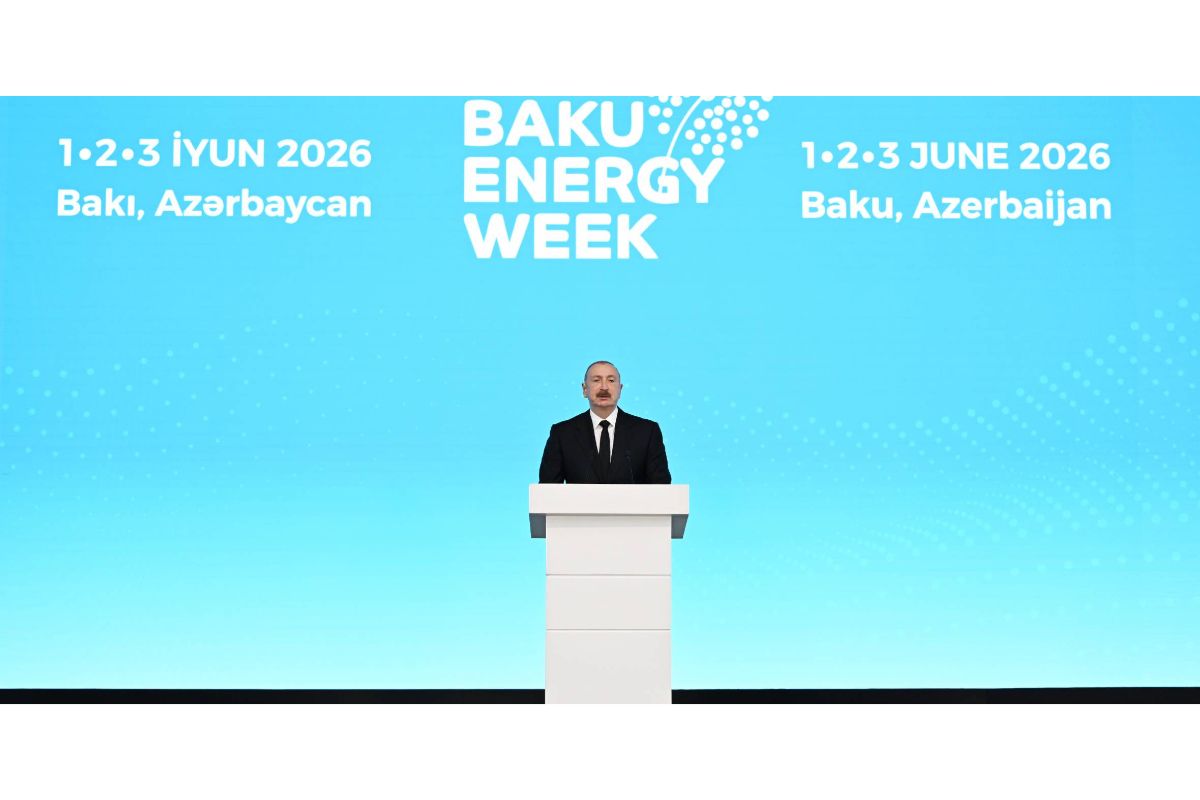
Azerbaijani President Ilham Aliyev has once again referred to the proposed transport route through Armenia’s southern Syunik region as the “Zangezur Corridor,” rather than TRIPP, the term agreed to by Armenian Prime Minister Nikol Pashinyan and Aliyev in Washington in August 2025.

Speaking at the official opening of the 31st Baku Energy Forum, Aliyev said Azerbaijan is opening new transport corridors through investment in railway and road infrastructure. He added that the route would become another branch of the East-West corridor and would “certainly be built” in line with the document signed at the White House on Aug. 8, 2025, by Pashinyan and Aliyev, with U.S. President Donald Trump signing as a witness.

Iran

Iran has reportedly suspended indirect talks and message exchanges with the United States through mediators, citing continued Israeli military operations in Gaza and Lebanon.

According to the report, Tehran argues that Tel Aviv’s actions in Lebanon violate ceasefire-related conditions and has demanded an immediate halt to military operations in Gaza and Lebanon, as well as the full withdrawal of Israeli forces from occupied areas in Lebanon. The report states that Iran will not resume exchanges with Washington until those demands are addressed. The report also claims that Iran and allied groups have discussed the possible closure of the Strait of Hormuz and the activation of other fronts, including the Bab al-Mandeb Strait, as part of a broader response to Israel.

Turkey

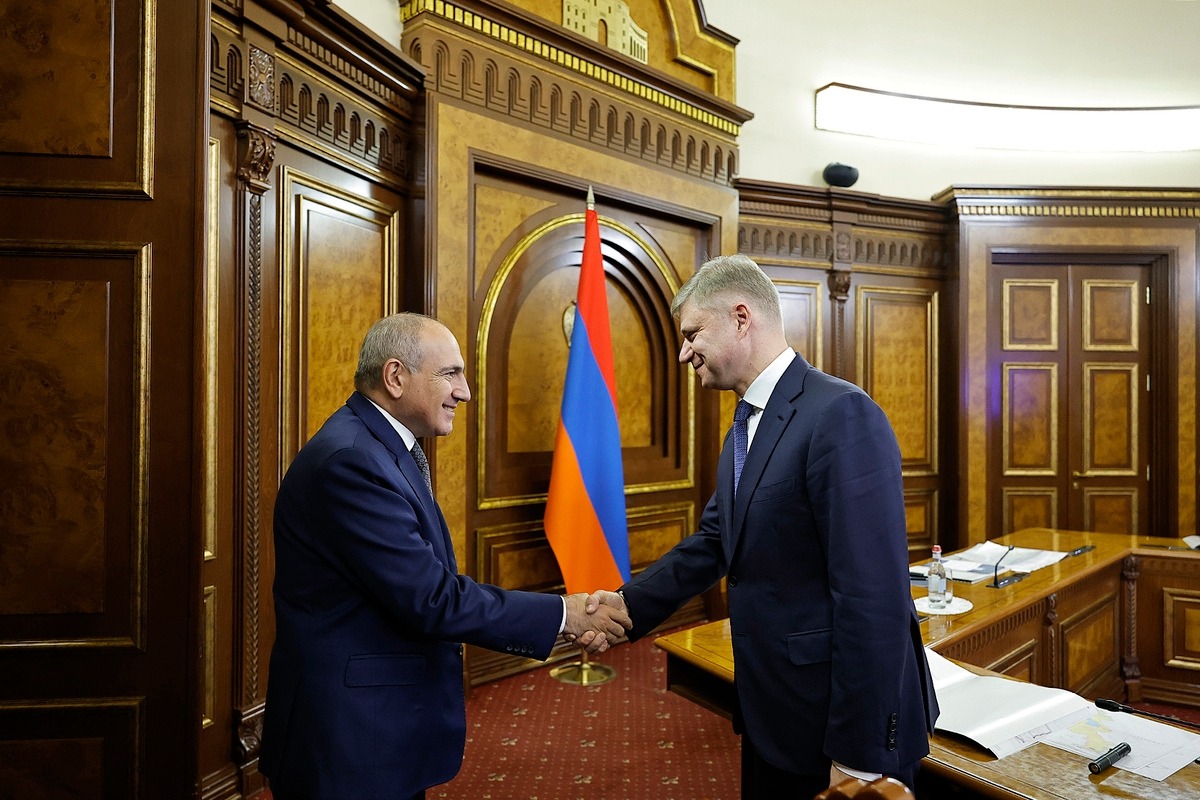
Turkish President Recep Tayyip Erdoğan and Armenian Prime Minister Nikol Pashinyan held a phone conversation, the Turkish presidency reported. According to the statement, Pashinyan congratulated Erdoğan on Eid al-Adha.

They discussed the normalization process between Armenia and Turkey, as well as regional issues.

Erdoğan said the normalization process is continuing, including through steps aimed at launching direct trade between the two countries. He also emphasized that Turkey is working to promote peace and stability in the region and would continue to support steps taken in that direction.

Hoory Minoyan

Hoory Minoyan was an active member of the Armenian community in Los Angeles until she moved to Armenia prior to the 44-day war. She graduated with a master's in International Affairs from Boston University, where she was also the recipient of the William R. Keylor Travel Grant. The research and interviews she conducted while in Armenia later became the foundation of her Master’s thesis, “Shaping Identity Through Conflict: The Armenian Experience.” Hoory continues to follow her passion for research and writing by contributing to the Armenian Weekly.

Leave a Reply

Your email address will not be published. Required fields are marked *


Back to top button