



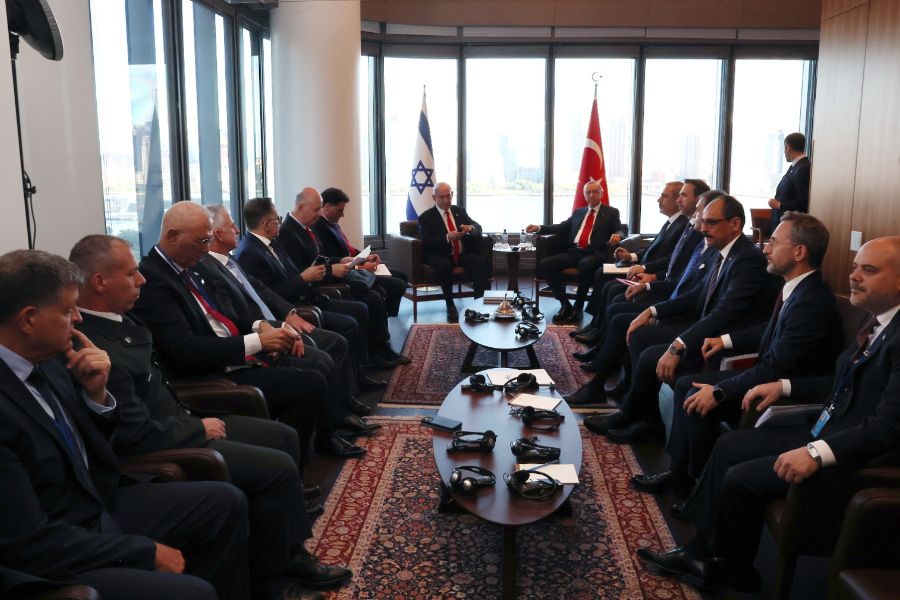
The emergence of rivalry between Turkey and Israel following their once-close strategic cooperation marks a pivotal shift in the dynamics of the Middle East. This article argues that the deterioration of Turkey-Israel ties is not the result of isolated conflicts, but rather the outcome of broader structural changes shaped by regional multipolarity, ideological differences and overlapping spheres of influence.
Based on a framework informed by theories of regional security complexes, balance of power and ideational conflict, this article identifies how Turkey and Israel have become rival powers competing across several arenas, including Syria, the Eastern Mediterranean and the broader Arab world.
Although several obstacles prevent the two countries from engaging in direct confrontation, including U.S. influence, economic interdependence and military deterrence, continued indirect competition indicates that rivalry will remain a defining feature of Middle Eastern geopolitics.
Introduction
Turkey and Israel’s relationship has changed dramatically over the years. Not long ago, the two countries cooperated, shaped by shared interests, particularly in security affairs and both countries’ ties to the West. But that partnership has faded. Today, they’re rivals, clashing over politics, regional ambitions and deepening mistrust. This shift is part of a broader transformation in the Middle East. Old alliances have weakened, state power has become less stable, and the region less predictable. In this new landscape, countries such as Turkey and Israel are no longer working together. Instead, they’re often competing to shape geopolitical outcomes.
Put simply, the rivalry between Turkey and Israel isn’t just another temporary spat. It has become part of how both countries perceive their roles and stature in the region. Past disagreements were sometimes resolved through diplomacy — those days feel long gone. Today, their competition is rooted in identity, strategy and the broader structural changes across the region. Understanding this shift requires a blend of theory, history and contemporary geopolitical analysis to show how the rivalry plays out across different arenas and what it could mean for the region’s future.


From alignment to rivalry: Historical transformation
Turkey and Israel’s relationship dates back to 1949, when Turkey became the first Muslim-majority country to officially recognize Israel. That early move set the tone for a pragmatic partnership shaped by the tensions and alliances of the Cold War.
Both countries aligned with the Western bloc, both were concerned about Soviet influence, and both viewed the Middle East as unstable. Their cooperation was not always publicly emphasized, but the two countries developed a working relationship that created a foundation for future cooperation.
The 1990s marked the high point of their relationship, turning a working relationship into a strategic partnership. Their interests aligned on several key issues, including shared concerns about Syria and Iran, while Turkey’s relations with many Arab states remained strained. The two countries signed military cooperation agreements, exchanged intelligence and held joint military exercises. Trade also expanded. At the time, Turkey and Israel appeared to form the backbone of a pro-Western alliance in the region.
The relationship began to shift in the 2000s with the rise of Turkey’s Justice and Development Party (AKP). Ankara placed greater emphasis on regional engagement with neighbors, support for Palestinian rights and a more independent foreign policy. This new direction clashed with Israel’s policies toward the Palestinians, and tensions began to grow. Gradually, smaller disputes developed into larger diplomatic crises, and cracks began to show.
Everything came to a head in 2010 with the Mavi Marmara incident. After Israeli forces boarded a Gaza-bound flotilla and several Turkish activists were killed, relations deteriorated sharply. Diplomatic ties were nearly severed, and the episode became a symbol of how far the partnership had unraveled. Later attempts to repair relations, including the restoration of diplomatic ties and the preservation of economic links, did not resolve the deeper issues that had split the two countries in the first place.
Structural drivers of geopolitical competition
Geopolitical competition between Turkey and Israel is fueled by a combination of structural, strategic and ideological factors. One of the most important drivers is the shift toward a multipolar Middle East. As U.S. influence fades, the region has become more competitive and less predictable. As a result, countries such as Turkey and Israel are taking more assertive steps to shape their regional environments on their own terms.
This transformation has altered the way the two states interact. Under the previous U.S.-led order, rivalry between them was partly contained. Today, that constraint has weakened. Each side increasingly views the other as a direct competitor, especially in arenas where their interests collide. Syria is the clearest example. Actions by one state there almost always affect the security calculations of the other.
The clash is also rooted in competing visions for the region. Turkey presents itself as a natural regional leader, emphasizing strong states, active diplomacy and connections rooted in history and culture. Israel, on the other hand, is focused on maintaining its security, preserving its military edge and preventing the emergence of a unified regional threat. These two outlooks are difficult to reconcile and regularly produce tension and strategic competition.
Ideas and identities further complicate the rivalry. Turkey’s support for Palestinians and its outreach to Islamist or post-Islamist movements place it at odds with Israel’s security-centered approach and its suspicion of sweeping political change in the region. These are not merely surface-level disagreements. They drive each country’s policies and alliances, reinforcing the perception that their interests may remain fundamentally incompatible.
Arenas of Competition in the contemporary Middle East
Turkey and Israel are engaged in a rivalry that extends into several arenas, with Syria at the center. Since the start of the Syrian civil war, both countries have become involved for different reasons. Turkey seeks to prevent Kurdish groups from gaining autonomy near its borders, consolidate its influence in northern Syria and shape the country’s postwar order. Israel’s priorities are different. It is primarily concerned about Iran’s military presence in Syria from becoming a direct security threat.
The Eastern Mediterranean is another major arena of competition, especially of newly discovered natural gas reserves. Israel has cooperated with Greece and Cyprus to benefit from these energy resources, develop infrastructure and build regional partnerships. Turkey has challenged maritime boundaries it considers unfavorable and has resisted being excluded from emerging energy corridors. The dispute extends beyond energy. It is also about territory, influence and regional order.
The Palestinian issue is also central to the rivalry. Turkey’s vocal support forPalestinian rights strengthens its standing with some regional movements, but it puts Ankara at odds with Israel. Israel views Turkey’s position as hostile, and this perception fuels their rivalry. As a result, the Palestinian question has become a political, identity and symbolic driver of Turkey-Israel competition.
Beyond these main arenas, both countries have expanded their reach into areas such as the Gulf and the Horn of Africa. Through investments, military agreements and diplomatic initiatives, Turkey and Israel have built competing networks of influence. These overlapping efforts further complicate the rivalry.
Constraints, risks and the future of the rivalry
Despite the depth of the rivalry, several factors make direct conflict between Turkey and Israel unlikely. The United States continues to act as a stabilizing force, pressuring both countries to prevent their competition from spiraling out of control. Additionally, economic interdependence also matters — money talks. Trade between Turkey and Israel has often continued despite political tension, giving both sides incentives to avoid escalation. Military deterrence is another constraint. Both countries possess powerful militaries, making open confrontation costly and risky.
Still, the risks should not be dismissed. Both countries remain involved in conflict zones, especially in Syria, which raises the possibility of unintended escalation. Proxy conflicts and heated diplomatic standoffs could further intensify the rivalry. As the Middle East becomes more complicated and fragmented, these risks are unlikely to disappear.
The most likely scenario is that the rivalry will remain contained, stopping short of anything disastrous. However, if the regional balance shifts or external actors become more deeply involved, the rivalry could become more volatile. Limited cooperation may still be possible in areas where shared interests exist, but a return to the 1990s and broad strategic partnership seems unlikely.
Conclusion
Turkey and Israel were once strategic partners, but their relationship is now defined by rivalry, a change that mirrors broader shifts across the Middle East. The region’s changing dynamics — including the rise of new power players, clashing ambitions and overlapping interests — have made this rivalry a lasting feature of regional politics. Although American influence and economic ties between Turkey and Israel limit escalation, continued competition means tensions are unlikely to disappear soon.
Their rivalry offers a revealing snapshot of the Middle East today: fragmented, unpredictable and shaped by the rise of new power centers. Understanding the Turkey-Israel relationship is essential not only for analyzing the foreign policies of the two countries, but also assessing the direction of the Middle East as a whole.


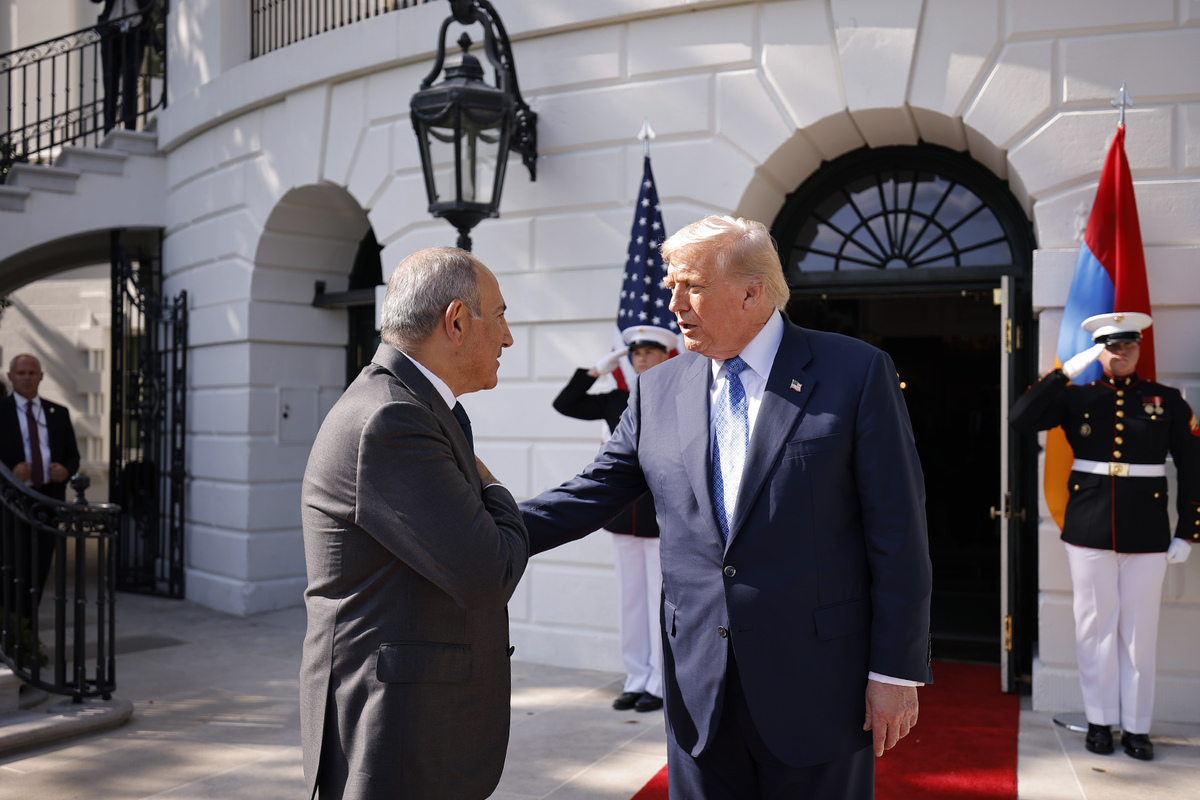


Is it strategy or capitulation when opposition candidate Samvel Karapetyan hires Israeli political strategists?
Does this mean that Israel will now accept the Armenian Genocide?
Let’s assume that Armenia decides to align itself with Israel. Would Israel ditch its strategic relations with Azerbaijan? Very unlikely. What would Armenia gain? Likely very little. It would certainly further complicate Armenia’s already chaotic foreign policy, further endanger its already precarious security, damage its friendly relations with Iran and cause it to become hostile, and cause Turkey (and Azerbaijan, if it were to fall out with Israel in this far-fetched scenario) to become even more hostile and malevolent towards Armenia than it already is. Given the current circumstances, the cons of a hypothetical rapprochement with Israel far outweigh the pros for Armenia.
If the relationship between Turkey and Israel continues to deteriorate then Azerbaijan would definitely come under pressure to take a side, Armenia despite some improvement with Turkey could hardly be expected to side with it despite its own distrust of Israel and it shows how relationships between countries can come and go.