



Armenia’s real war is in the cradle
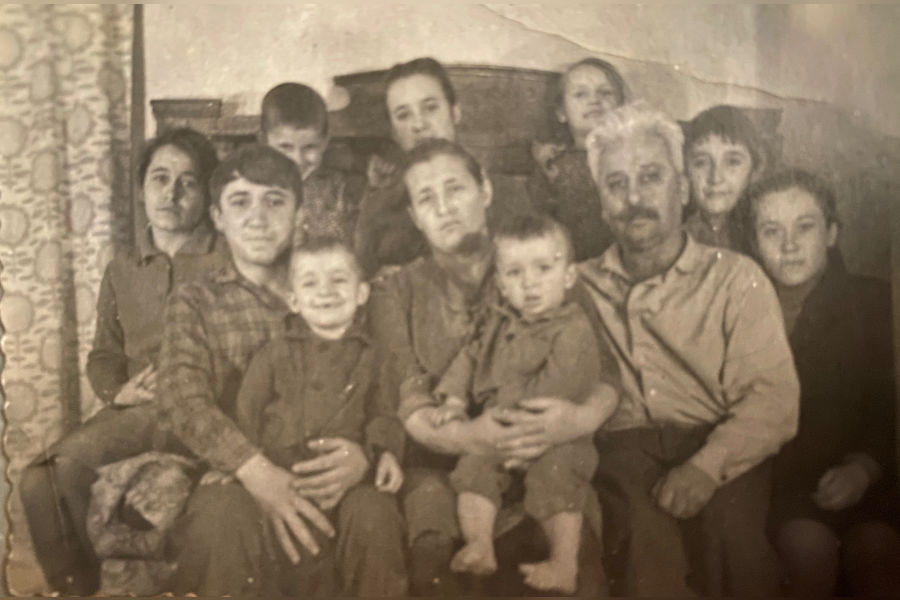
Two of my great-grandmother’s daughters perished in the Armenian Genocide. After years of searching, she found and rescued the third, fled to America and had two more children. She understood that children are survival.
Today, Armenia’s fertility rate is 1.65 children per woman — far below the 2.1 needed for replacement. Births are 11.5 per 1,000 people; deaths 9.5. An aging population will push deaths to 14 per 1,000 within a decade. By 2030, Armenian deaths will exceed births every year.
The official population is 3 million — realistically closer to 2.5 million after emigration for work to Russia and elsewhere. That is 1/4 of Azerbaijan (10.2 million), 1/35 of Turkey (88 million) and 1/36 of Iran (91 million). By 2050 — one generation away — excess deaths over births will shrink the population by another 600,000, dropping it below 2 million.
Immigration from Russia, Syria and Lebanon has stalled, and much of the recent inflow is temporary Indian labor. Long-term re-emigration of diasporans averages just 2,000 per year. Villages empty as young people chase jobs in Yerevan or abroad. Schools and universities shrink. Labor shortages already cost 1-2% of GDP growth yearly. Remittances ($2 billion, 12% of GDP) cannot replace a missing generation.
Geopolitically, a shrinking, aging population facing oil-rich, growing neighbors is an existential risk Armenia can no longer ignore.

Yet, one developed nation defies the global trend: Israel. In 2024, its total fertility rate was 2.9 — the highest in the West — and its population (9.8 million in 2025) continues to grow without heavy reliance on immigration.
Why? A survival instinct forged by historical traumas and repeated conflicts. “Demography is destiny” is not a slogan; it is policy and culture. Religion reinforces this outlook — the biblical command to “be fruitful and multiply” remains a lived imperative, especially among Haredi families, who average 6.4 children — though many secular families also maintain fertility above replacement levels.
Cash incentives, free IVF and child allowances — the usual Western toolkit — have marginal effects everywhere. What works is a shared conviction that having children is the ultimate act of national and civilizational continuity.
Armenians once shared that conviction. Our grandparents did not survive genocide so their great-grandchildren could travel the world childless and watch the nation fade.
The diaspora is part of the problem: our birth rates abroad mirror the low rates of host countries. It must become part of the solution. Every Armenian family — whether in Yerevan, Glendale or Paris — carries the same obligation.
We marry late (average age of first marriage for women is now 28), chase perfect jobs, perfect partners, perfect experiences. Economic hardship is real, but it is not unique; young couples struggle everywhere, yet billions still manage to have children.
The mindset must change. Political leaders, intellectuals and, above all, the Church must lead. Consumer culture sells the lie that happiness comes after one more trip, one more promotion, one more swipe right. Our ancestors knew better: real joy is family, continuity and faith.
A church is still the best place to meet serious, family-oriented people, whether Apostolic or Evangelical. Get involved, build community, marry younger, have children earlier. Four is a good Armenian number.
Our enemies grow. Our villages empty. Our schools close. Time is not on our side.
Turn envy of Israel’s success into emulation. Remember the genocide survivors who rebuilt their lives through new children. Their blood runs in us. It is our turn to choose life — many lives — so Armenia endures.





Great and a very accurate point of view! We need to remember what our forefather did to continue our bloodline and imitate it.