Two-thirds of Armenians don’t believe peace is possible with Azerbaijan

Over the years, I have been following many polls that track the views of Armenia’s population on key social and political issues. All of them indicate a precipitous decline in Prime Minister Nikol Pashinyan’s popularity — from 82% in 2018, when he first ascended to power, to just over 10% today.
The most recent nationwide poll was conducted by the ARAR Civilizational Research Foundation in Armenia from October 5 to 25, 2025, with results released on November 11, 2025. The margin of error is ±2.92%, and participants’ ages ranged from 18 to 80+.
The survey began by asking about families’ economic condition: 12.7% said they were poor or very poor; 30.3% below average; 49.7% above average; and 6.2% well or very well to do.
Here are the results regarding public satisfaction with various governmental institutions:
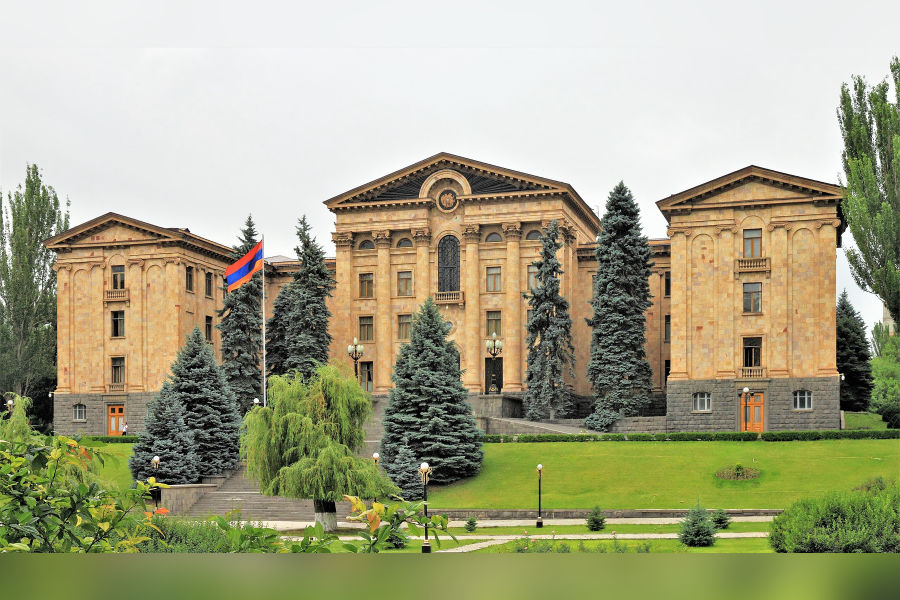
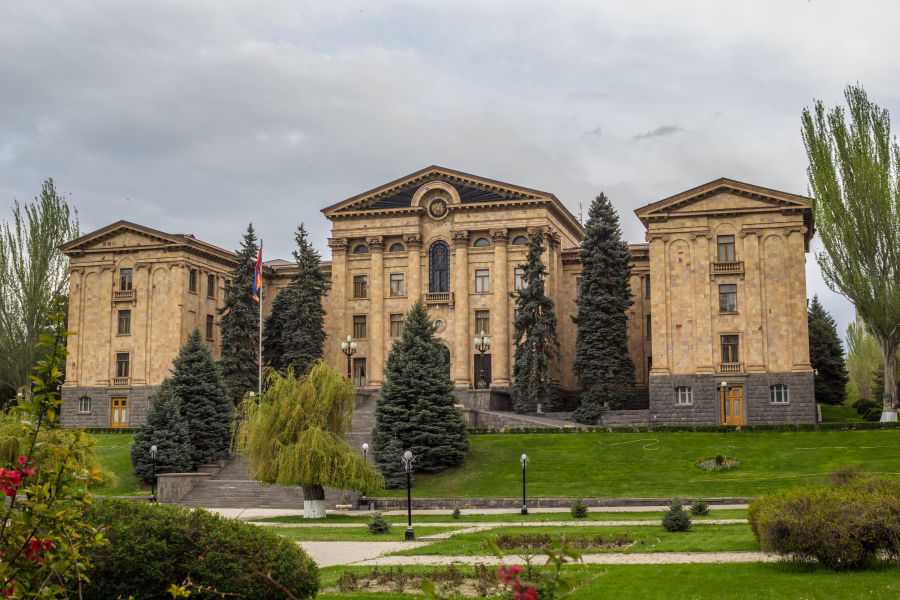
- Parliament: low satisfaction, 50%; average satisfaction, 24.4%; high satisfaction, 25.2% (17.9% in February 2025).
- Armed Forces: low satisfaction, 14.3%; average satisfaction, 18.1%; high satisfaction, 66.4% (58.3% in May 2024).
- Police: low satisfaction, 23.2%; average satisfaction, 21.1%; high satisfaction, 54.6% (58.3% in May 2024).
- Government: low satisfaction, 39.5%; average satisfaction, 20.5%; high satisfaction, 39.5% (23.1% in April to May 2024).
- Armenian Apostolic Church: low satisfaction, 19.1%; average satisfaction, 16.8%; high satisfaction, 62.5% (54.1% in April to May 2024).
On whether the Armenian government’s foreign policy is right or wrong, 42.9% said right, while 51.8% said wrong (64% in February 2025).
Regarding the Armenian government’s internal policy, 34.5% said it was right, while 62.7% said it was wrong (30.4% in December 2023). Importantly, the share of respondents who had no opinion or refused to answer fell from 33.1% in December 2023 to 2.8% in October 2025.
On whether stable, long-term peace with Azerbaijan can be achieved through negotiations, 30.5% said yes, while 69.2% said no (67.2% in July 2024).
When asked whether a peace treaty between Armenia and Azerbaijan, mediated by President Donald Trump, would bring real peace, 33.7% answered yes, while 65.1% answered no.
To the question, “Given the [government’s] criticisms of the Armenian Apostolic Church, would the public rally around the Church?” 49% said yes, while 49.3% said no.
On whether it is necessary to reduce the military budget and the number of soldiers, 19.1% answered yes, while a whopping 80.2% said no.
On whether Russia’s 102nd military base in Armenia should be closed down and Russian soldiers withdrawn, 32.1% answered yes, while 64% said no.
Regarding a return to power by the former Armenian leaders, 18.3% said yes, while 78.6% said no (79.5% in July 2025).
On whether Armenia needs a new constitution — a precondition set by President Aliyev for signing a peace treaty, which Pashinyan has addressed by forming a committee to draft a new constitution — 35.1% said yes, while 61.3% said no. This presents a serious problem for Pashinyan, since he seeks constitutional change to appease Aliyev, but the law requires a public referendum on a new constitution.
Given the public’s negative sentiment toward a new constitution, Pashinyan would likely be unable to secure President Aliyev’s signature on the peace treaty, which Pashinyan desperately needs to keep his seat after next year’s parliamentary elections. A failed referendum could result in turmoil in relations with Azerbaijan and internal unrest in Armenia, possibly leading to Pashinyan’s departure from office.
A follow-up question asked more specifically whether Armenians would agree to change the constitution at Aliyev’s demand in return for peace. An overwhelming majority — 91.3% — said no, while only 7.7% said yes.
When asked what Azerbaijan’s long-term objective for Armenia is, 13.7% said to occupy parts of Armenia’s territory; 15% said to weaken Armenia’s independence and create dependency; 48.5% said the total destruction of Armenia; and 17.4% said to establish peaceful relations and economic cooperation. These results show that the overwhelming majority of Armenians reject Pashinyan’s assurances about peace with Azerbaijan.
When respondents were given the names of five countries and asked with which Armenia should establish a military alliance, 37.8% chose Russia (up from 24.3% in July 2024; 15.9% chose European Union countries (down from 29% in July 2024; 17.5% chose Iran (down from 18.2% in July 2024); the United States drew 18.3% (virtually unchanged from 18.2% in July 2024); India drew 5.4%, (down from 6.8% in October 2024); and Turkey drew 0.5%.
The results of this poll matter far more than any one person’s opinion.