


Revisiting Akhaltskha

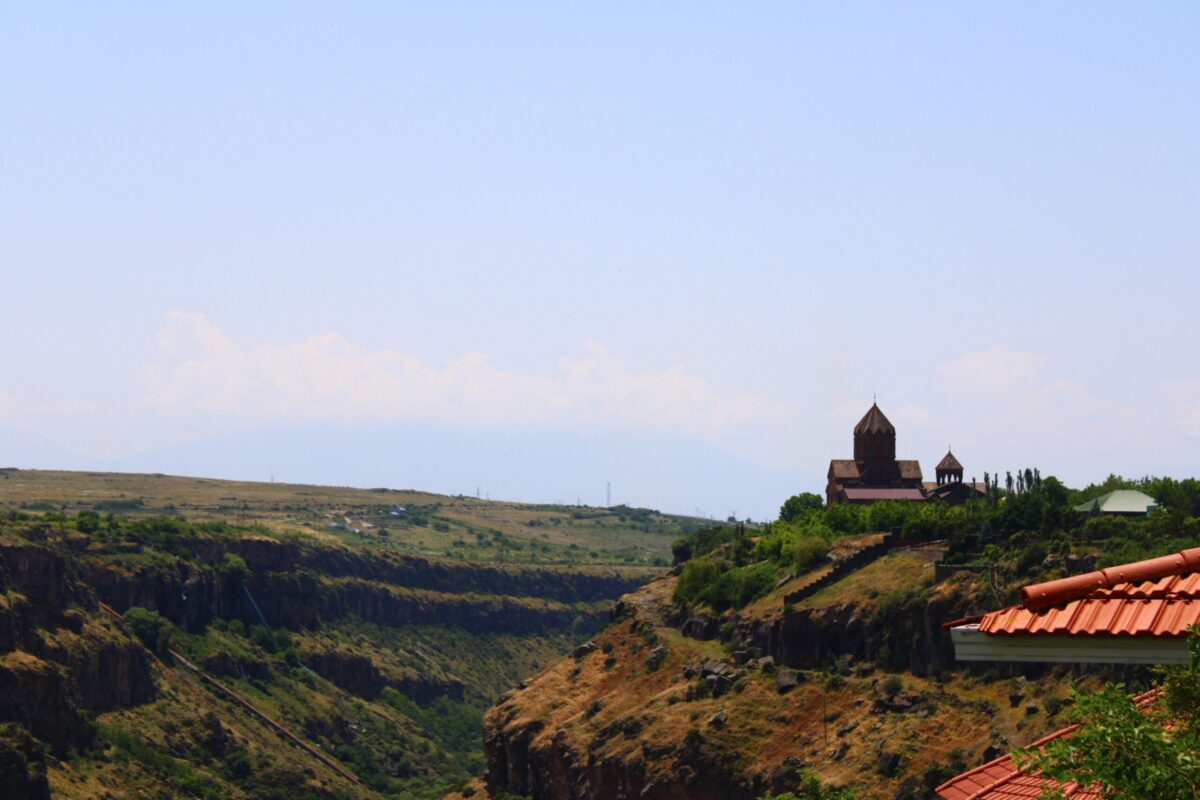
Akhaltskha, a small city in the historical Armenian region of Javakhk (referred to as Samtskhe-Javakheti by Georgians) in southwestern Georgia, is home to a vibrant Armenian community. For me, it has become a place filled with lifelong memories.
This past summer, I had the privilege of once again participating in the Armenian Relief Society’s (ARS) Camp Javakhk program, returning to Akhaltskha exactly one year after my first visit. The city hadn’t changed in the slightest; everything felt instantly familiar the moment I stepped into the same host family’s home. Memories from my previous stay rushed back, and every corner of Akhaltskha reminded me of those cherished moments I had stored away.
My experience last year in Javakhk was the reason I decided to return, as this may be the last chance I have to participate in the program for a while. For a year, I kept telling myself that I would return one day, though I never expected it to be so soon, with memories still so vivid.
To briefly summarize, for those unfamiliar with the program, ARS Camp Javakhk (Javakhk Jampar) brings together counselors (volunteers) from all over the world to participate in a one-week day camp. However, the program runs for two weeks and those volunteering, depending on their availability, have the chance to participate in two separate locations. The goal of the program is simple yet deeply meaningful: to help preserve Armenian culture and identity in the region of Javakhk through various educational and cultural activities designed for the youth in local Armenian communities such as Akhaltskha, Ninotsminda, Akhalkalak and Tsalka.
When I returned to Akhaltskha this year, I noticed that many of the local participants had not changed at all. On the first day, I was greeted by familiar faces. The badanes (Juniors) ran up to welcome me, excited to see me again. The ARS ladies at the agoump recognized me as they prepared food. However, this year was different. Unlike last time, I was responsible for the older group, Narinchakyun Khoump, which mostly consisted of badanes I had not worked with before.
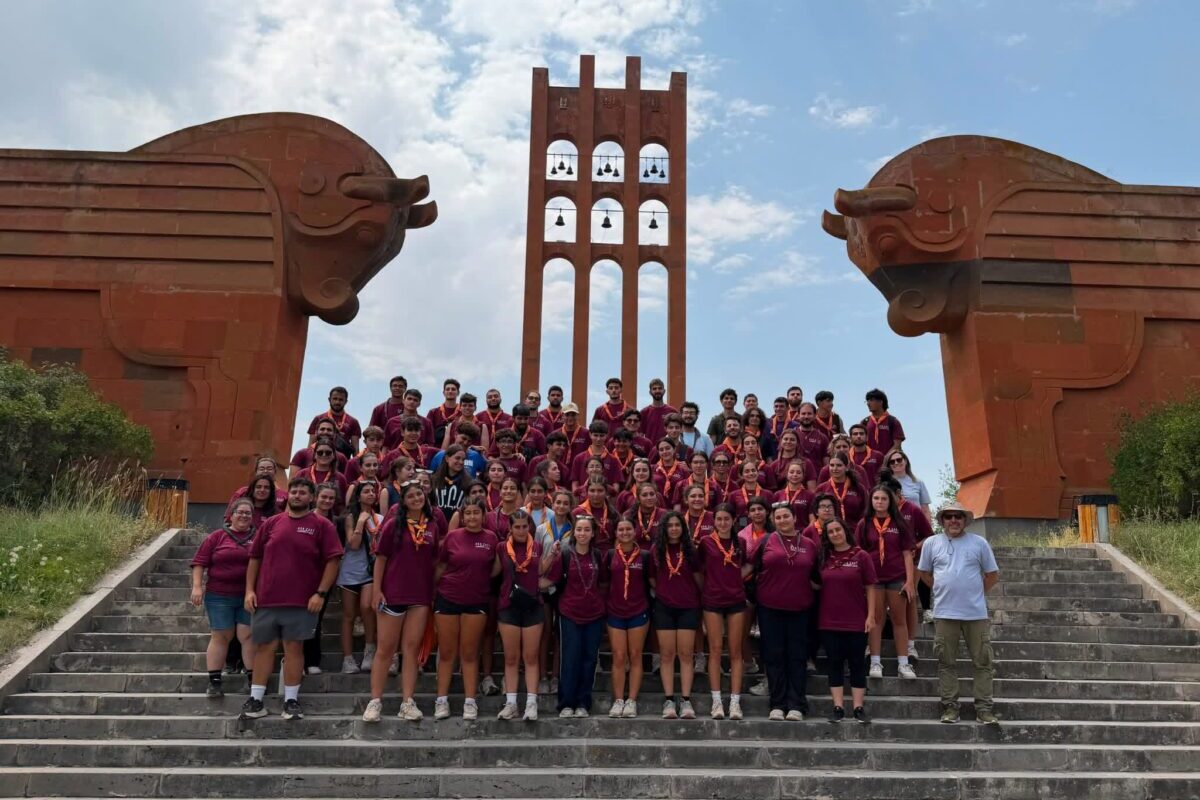

From the beginning, these badanes impressed me. They were incredibly bright and well-informed about Armenian history, its significant figures and the broader culture. Their thoughtful answers, curiosity and consistent engagement in discussions amazed me. Of course, being teenagers, they still had their playful moments. But they were remarkably respectful and eager to learn, setting them apart from the younger groups who find it challenging to stay focused.
What stood out most was their eagerness to learn and ask questions, especially during educationals — often in detail. Each group was assigned multiple oknagans based on the group’s size. The oknagans are members of the local youth who have aged out of participating in the program. They assist counselors throughout the program, especially if there is a language barrier or too many badanes, sharing responsibilities. One of my group’s oknagans, Andranik Grigoryan, who was very knowledgeable about Armenian history and culture, had been helping with the educationals throughout the week. He asked the badanes engaging questions, encouraging them to ask their own, allowing them to showcase what they understood while learning.
The questions didn’t stop during educationals, with badanes peppering the counselors with inquiries about our lives. The same thing happened last year. At first, I was confused about why they cared so much, but I soon realized that this program — this one week that occurs once a year — is what they look forward to. They enjoyed meeting Armenians from all over the world, learning about those who had traveled from afar. They took in what the world had to offer and experienced what it means to be Armenian in different places.
Diasporans who participate in this program truly make an impact, whether big or small. Programs, such as the ARS Camp Javakhk, help ensure that Armenian culture is maintained and taught in our ancestral lands, while allowing the youth of these communities an opportunity to meet Armenians from the diaspora.
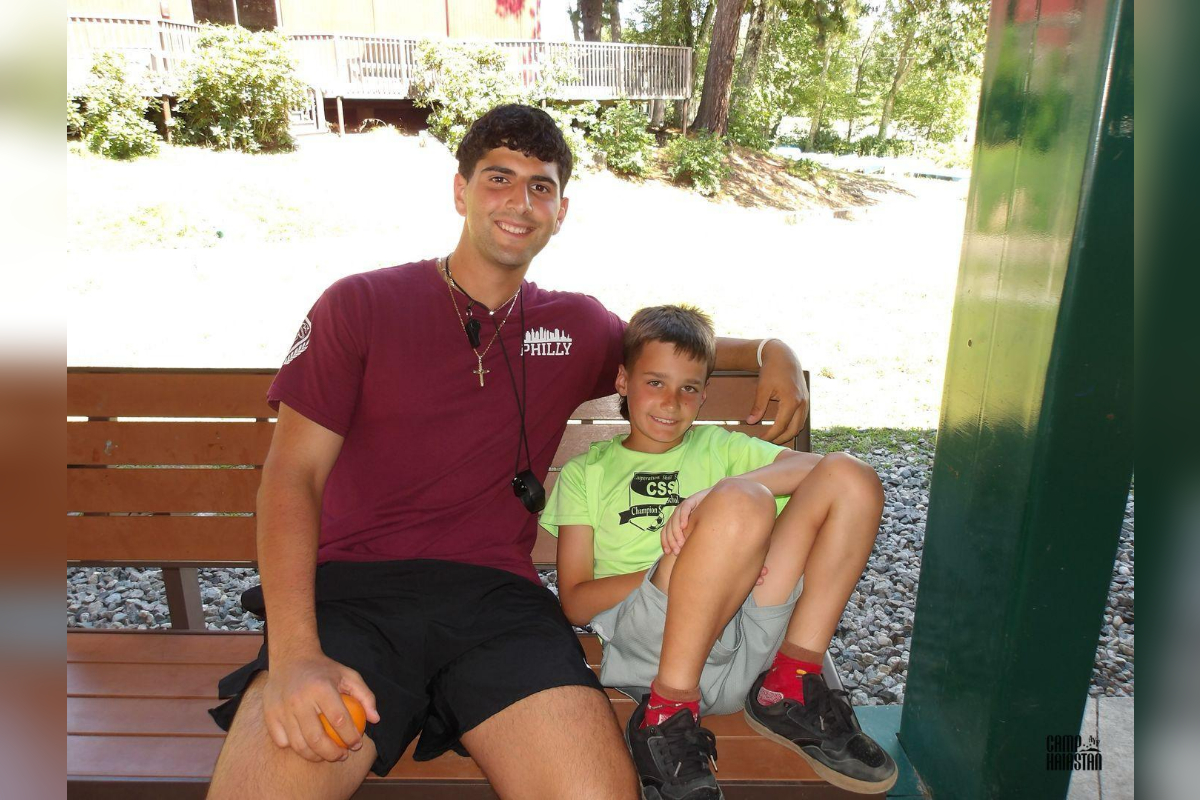
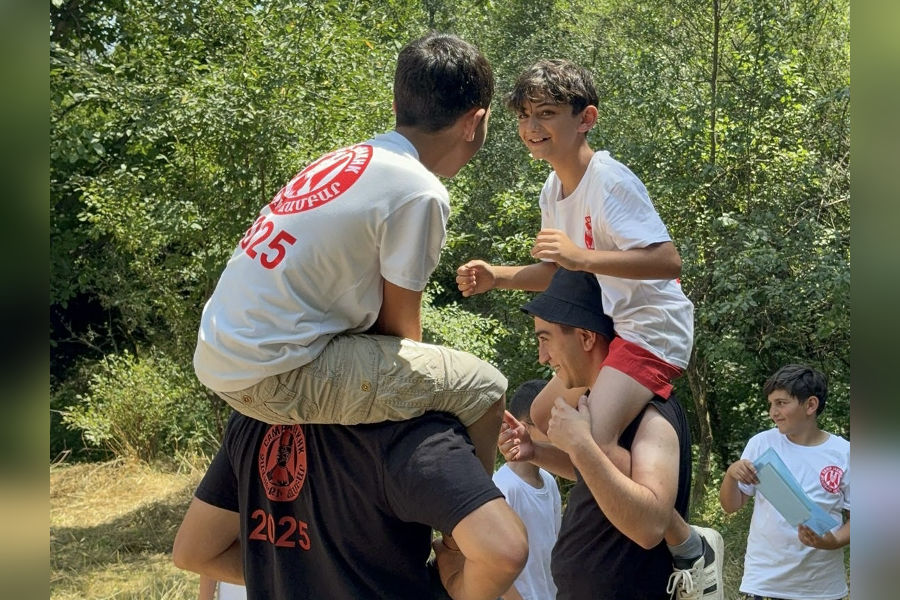
During breaks and free time, everyone interacted and got to know one another. The badanes would ask us to pick apples off trees for them or play volleyball. Sometimes, you’d simply be sitting in the shade, under a tree and they’d come up to you — asking personal questions, for a photo or if they could sit on your shoulders; sometimes, all of the above.
The okanagans, too, would take this opportunity to talk to us, telling us about their own lives — their hopes, academic goals or what they wanted to do with their lives, where they wanted to travel.
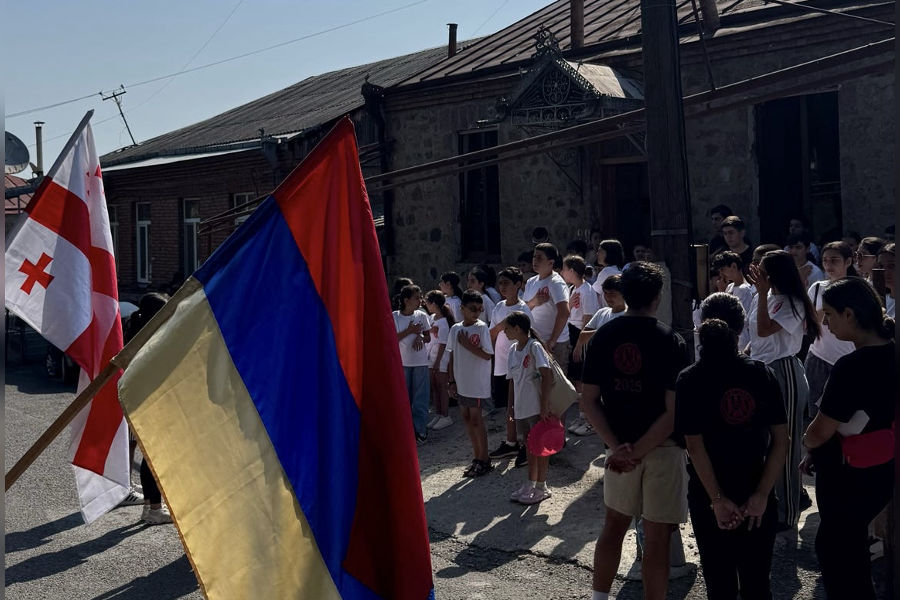
The day would end with singing the Armenian and Georgian national anthems. Afterward, the kids would disperse and we, counselors, exhausted from the day’s activities, would visit the Armenian-owned and operated grocery store near the house we were staying in, grabbing whatever we could to give us some energy for the rest of the day.
Once we returned home, we would either prepare for an excursion to explore Akhaltskha and enjoy dinner at a local restaurant or simply spend the evening together at home. While exploring, we would frequently run into camp participants, who would eagerly greet us. Even some locals knew who we were, recognizing us as the counselors of the jampar, probably because we looked like tourists.

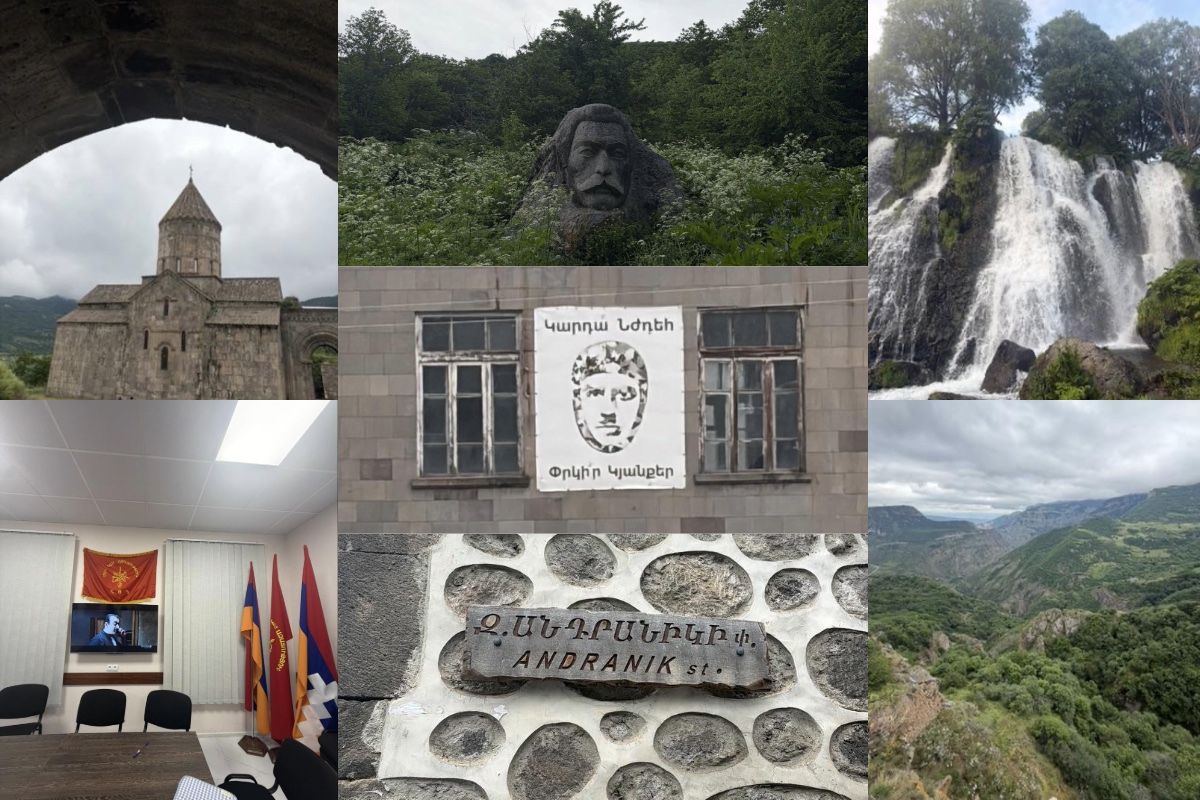
We visited landmarks such as Rabati Castle and the local Armenian church of Akhaltskha. One of my fondest memories was when two other counselors, Tro Armen Kalaydjian from Brazil, and Vahagn Khachatryan from Artsakh, along with myself, randomly decided to get haircuts. We arrived at the nearest barbershop in town and, upon entering, we learned that the owner and all the employees were Armenian.
To our surprise, they turned out to be former participants of Camp Javakhk — a few had even been oknagans themselves. As we chatted with the barbers, waiting for our turn, the owner suddenly began playing Armenian music. Within moments, everyone in the shop started singing along. The three of us sat there, amazed, agreeing that it was the best haircut experience we had ever had. What struck me most was how those songs showed our connection in a country where Armenians face discrimination. We all came from different countries and grew up in different environments. Yet, we were brought together by a shared love for our culture, simply by being raised Armenian, whether in the diaspora or our ancestral lands.
Armenians within Georgia face oppression, especially in the region of Samtskhe-Javakheti. These issues must be recognized, as many are unaware of this reality. For instance, during the late 19th century, there were approximately 29 Armenian churches in Tbilisi (Tiflis). Today, only two remain active. As you walk around the city, you may come across a few of these churches, most of which have either been shut down, banned from operating or nearly destroyed. The actions of the Georgian government are aimed at erasing Armenian heritage and culture, particularly in Tbilisi.
Near the largest church in the country stands the Holy Trinity Cathedral of Tbilisi (Tsminda Sameba), built between 1995 and 2005. Nearby is an Armenian burial ground known as Khojavank, or the Armenian Pantheon of Tbilisi. The land was initially owned by an Armenian family who acquired it in the early 17th century. By the mid-17th century, the Church of St. Astvatsatsin was built, and the site became a prominent burial ground for Armenians in the city, eventually holding the remains of over 90,000 people, including many prominent Armenian figures. The last burials took place around the 1920s. In the mid-1930s, the Soviet authorities ordered the destruction of the church and burial site, leaving only fragments of the original Khojavank. Today, a few surviving gravestones and burials are preserved at the modern-day site.
When construction began on Tsminda Sameba in 1995, excavators uncovered numerous tombs, gravestones and human remains, forgotten burials that had been hidden by the landscape over time. The remains were removed and piled together, forming a large hill of bones before being transported to unknown locations. Only a small portion was preserved and reburied at the current Khojavank memorial. Most of the remains received no proper burial or identification, and were discarded into pits dug by the city.
It is said that during the construction, and even for years afterward, bones could still be seen protruding from the ground near the cathedral. The original burial site was the resting place of many notable Armenians, including priests, historians, artists, authors, poets and political figures, such as Raffi, Nigol Touman, Simon Zavarian and Hovhannes Tumanyan; however, the location of their remains remains unknown.
It is evident that Armenians are not entirely welcome in Georgia, and with each passing year, the voices of those in the region grow quieter. An article published in the Weekly titled “Armenians in Samtskhe-Javakheti risk losing their identity,” by journalist Davo Barseghyan, explores this issue in greater depth. However, the persistence and dedication to preserving Armenian heritage and culture remain strong despite government opposition.
Further, Georgia has developed closer ties with both Turkey and Azerbaijan. It is common to see Turkish supply trucks driving through the country, especially within the Javakhk region, as the Turkish border is close to where large Armenian populations are located. When entering big cities, such as Tbilisi, you see the Turkish and Azeri flags flying high next to the Georgian flag.
Initiatives such as Camp Javakhk aim to ensure that Armenian culture and identity endure in our ancestral lands. It encourages Armenians in Javakhk to appreciate their heritage, remaining devoted to their homeland, culture and traditions, even under many surrounding threats. It would be shameful to say that the Georgian government’s attempts to erase these values have gone unchallenged, as Armenians continue to resist assimilation, reminding the world of their enduring influence and presence in Georgia.
This program underscores the importance of preserving our culture within our ancestral lands, much like our collective fight for Artsakh today — the history of Armenians in the region should never fade. Though we may not live where our ancestors did, we still have a collective duty as Armenians to safeguard what was once historically Armenia — to remember our right to return.
Looking back on my time in Javakhk, I am grateful for the opportunity to take part in this program. For anyone considering participating in Camp Javakhk: take this chance to be a part of its legacy and impact. You will never regret exploring your ancestral lands and their people. Simply put, this is a once-in-a-lifetime experience — the friendships, lessons and memories will last forever.
I hope to return one day; in the meantime, I look forward to sharing my experiences with my community in Washington, D.C., and using them to strengthen our local AYF Washington D.C. “Ani” Chapter.