



Doulas in Armenia: State regulation and accessibility in the regions
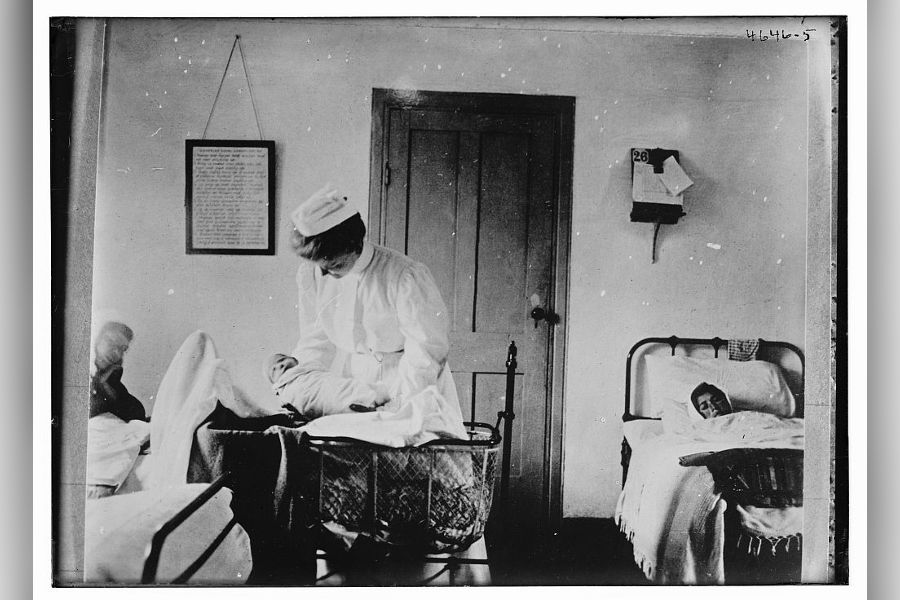
In recent years, a unique profession, the doula service, has begun to gain popularity around the world, gradually reaching Armenia. But what is a doula, and what do they do? Simply put, a doula is a supportive guide who provides non-medical physical, psychological and educational assistance to women, offering support during pregnancy, birthing and the postpartum period. A doula guides mothers and parents, helping them understand their bodies and choices, functioning as a trusted attendant and supporter during this most crucial phase of life.
Despite the growing importance of this role, the doula profession in Armenia is still new to many and faces a number of challenges in gaining traction. This article will address the activities of doulas, focusing on the gaps in state regulation and the issue of accessibility of services in the regions of Armenia. It explores the legal framework in which doulas currently operate, the obstacles they face when trying to expand their services outside the capital and how a doula’s support compares to other available forms of maternal care. Through the opinions of specialists in the field, we will try to reveal the potential of this sector and the necessary steps to improve maternal and child health in Armenia.
Astghik Vardanyan, founder of the MOM Center, a medical anthropologist and a doula, is one of the pioneers in the doula field in Armenia. Vardanyan provided a detailed overview of the work of doulas and how that work translates in Armenia, as well as the main challenges of the profession.
Although the doula profession in Armenia is still new, it is already gaining traction as an important resource in birthing care. Doulas began to gain prevalence in Armenia around 2020, and over the past few years, discussions and utilization of doula services have grown.
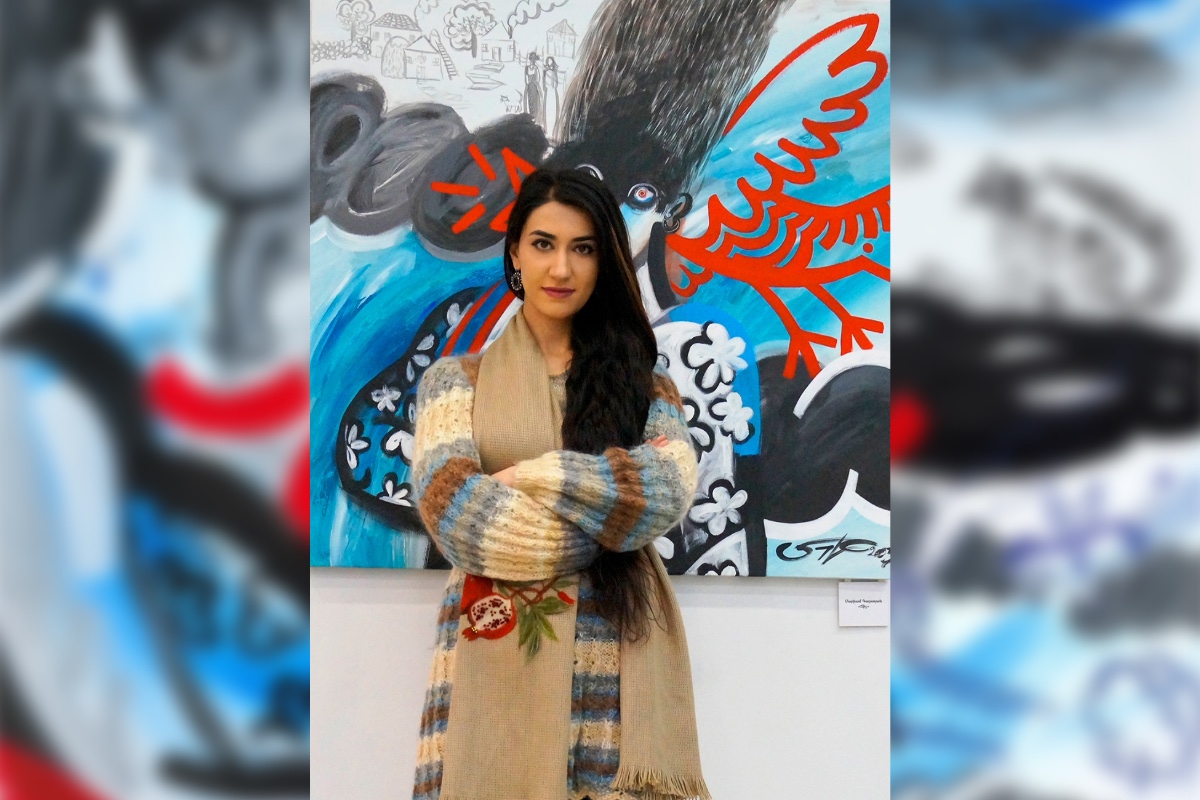
“We have presented the Ministry with a large package on the positive impact of doulas, which is based on research by international organizations such as the WHO and the Cochrane Library,” noted Vardanyan.
This research shows that the presence of a doula during childbirth has a significant positive impact by reducing the risk of cesarean sections by 25-52%, preventing postpartum depression by 57-64%, increasing the probability of natural childbirth by 15% and reducing the average duration of labor by 40 minutes. All of this is especially important for Armenia, where the birth rate is low.
Types of doula support and their importance
Doula support includes three main components: psycho-emotional, physical and informational, which are available during pregnancy, childbirth and postpartum.
One way a doula ensures physical support is by remaining by the expectant mother’s side throughout the entire labor. The doula may perform special massages, breathing and physical exercises to ease the pain and provide support throughout the birthing process. Vardanyan calls this physiological pain “constructive pain” and emphasizes that it may be made bearable without medical interventions, which have their own potential risks.
As for psycho-emotional and informational support, the doula accompanies the pregnant woman and other family members, offering guidance and emotional support, while educating them on the process and outcomes. “Fathers need a doula more than the women themselves [sometimes],” Vardanyan emphasized, referring to the fact that husbands can often be confused and anxious during childbirth. In addition, the doula provides the expectant mother with internationally recognized and scientifically backed information and resources so that she can make independent and informed decisions.
The experience of childbirth deeply impacts mothers physically and mentally, which is why being prepared and having support is imperative.
Professional ethics and future challenges
Doulas must adhere to professional ethics while understanding the challenges of the developing profession. A doula must be certified and operate according to a code of ethics, which means they do not interfere with a doctor’s work or decisions and respect the pregnant woman’s choices. This approach ensures safety and effective cooperation, especially since doulas are not medical professionals.
A challenge of the profession is that it is demanding and difficult work, which only offers modest compensation. Doula work is mainly performed by people who choose it as a calling, but it is important to be cognizant that although the profession is rewarding, it does not constitute high pay. “Don’t think you’ve found a gold mine. This is a profession you agree to with a modest living,” Vardanyan explained.
Another challenge doulas face in Armenia is the lack of state support or funding. State support is important for accessibility. For example, in the United States, some doula services have begun to be sponsored by the state in some places.
Vardanyan appealed to healthcare workers, calling on them to realize their important role in improving national health and birth rates. Vardanyan believes that the work of medical professionals and doulas complements each other — that they can work together to provide comprehensive and accessible care. For her, childbirth is not only a medical issue but one of national security, because access to services that improve the health of the inhabitants of Armenia directly affects the future of the country.
According to Doula Anushik Harutyunyan, the official recognition and regulation of the doula profession in Armenia is extremely important. Doulas currently do not have official status, and their role is equated to a “birth support person.” Since any person can be a birth support person, a certified doula is often not perceived as a professional by the medical staff, complicating their work. Not to mention, most doctors have a misconception about the functions of a doula. The number of doulas in Armenia is still small, and the burden of raising awareness is mainly on their shoulders. They are doing what they can, according to Harutyunyan, to gain recognition for the profession, but there are no significant, large-scale results yet.
Harutyunyan believes that if the profession is officially recognized, doulas will be perceived as professionals, have a status in the health care system and provide varying methods of care to those who need it. “We will no longer have to prove that we are different from ordinary support people; the scope of our functions and competencies will already be clear to the medical staff,” Harutyunyan remarked.
Providing new and diverging forms of care may lead to an increase in the number of informed women, which will improve the quality of births, making them even more respectful, caring and safe.
Although incorporating the work of doulas in the medical field may have positive consequences, the integration may come with challenges. If hospitals employed doulas, Vardanyan noted, there may be accompanying challenges, since the primary interest for doulas is the benefit of the birthing woman, not the benefit of the hospital or the system. “When a doula works directly for the woman and receives payment from her, she serves the woman’s interests. However, when the payer changes, the priorities can be reconsidered,” said Harutyunyan.
Difficulties in the accessibility of doula services and awareness about this profession exist, especially in other regions of Armenia, outside of the direct vicinity of the capital. Harutyunyan conveyed that the primary difficulty in the accessibility and awareness of doula services is the lack of official status, followed by the small number of doulas available. The lack of official recognition hinders funding, and a lack of a livable wage hinders the increase in the number of doulas.
However, Doula services remain mostly accessible because the cost varies depending on the woman’s needs. Many doulas are ready to provide free services or work on a donation basis for women who do not have the opportunity to pay.
Awareness, which is hindered by the lack of official recognition, obstructs access. “I personally, within the framework of the MOM Center, was at the ARS Akhuryan “Mother and Child” Health and Birthing Center, participating in a birth and in a meeting organized for local women․..and the residents of the regions still mostly do not know what a doula is or what they do. And it’s normal that they don’t know — how would they know?”
According to Harutyunyan, even organizing free meetings where doulas talk about childbirth, the role of a doula, women’s rights and the importance of preparation does not ensure sufficient participation. She noted that even with investment in advertising, it is difficult to gather 10-20 women for informational sessions. “This shows that there is a serious problem with awareness, and women still don’t fully understand why, for example, they need to prepare for childbirth,” she commented. A sufficient number of pregnant women gather when meetings are organized by maternity hospitals, where the doula is simply allowed to introduce herself and explain what it means to give birth with a doula. The most effective way to raise awareness for doula services and education, however, is honest testimonies of their experiences from those who have given birth with a doula.
The doula’s role significantly differs from but complements other forms of maternal support and healthcare. Working together, professionals can provide the most comprehensive and accessible care to the women, people and families of Armenia.
Reflecting on her experiences as a doula, Harutyunyan informed that a birthing woman is often left alone in the delivery room during contractions, because the medical staff is not designed for individual, continuous support. “For a doula, the #1 function is precisely continuous support: we are constantly by the woman’s side to understand her needs, massage her, give her cues, bring her water and ensure her comfort. No medical staff can provide this continuous presence, even with the greatest desire,” Harutyunyan explained.
Doulas do not solve specific medical problems, like lactation consultants and other specialists, but offer support, resources and guidance. If problems arise, they direct mothers to a qualified specialist and medical professionals. Prenatal yoga specialists, for example, also prepare women for childbirth by providing knowledge, but they cannot provide the same support during childbirth as a certified doula. Harutyunyan specified that “in some places our functions are the same, but for the most part, the roles are very different.”
According to Harutyunyan’s assessment, the potential for involving doulas in improving the quality of maternal care and making the birth experience positive in Armenia is boundless and invaluable, if there is an appropriate state approach.
“Regardless of whether a woman gives birth with a doula or not, the important thing is that the woman does not give birth alone — that there is someone by her side who can create a safe, secure environment around her, because that is the main guarantee of a positive birth,” said Harutyunyan. The involvement of doulas may be one of the best guarantees for the growth of Armenia’s birth rate, she conveyed.
The work of improving the quality of maternal care and making the birth experience positive has deep layers. Many women are not educated in childbirth and may rashly choose a cesarean section without a clear education on the other available options.
Harutyunyan added that in our current culture, it is not customary to take care of the mother after childbirth, as the focus is mostly only on the baby. However, the mother also needs support, care and knowledge. Mothers often unintentionally harm their health due to a lack of knowledge or because they do not value or prioritize themselves or their health and healing.
Although there is evidence that the state should make doula services more accessible and accepted, Harutyunyan believes that achieving quick results throughout different regions in Armenia seems impossible. The efforts of organizations like the MOM Center, although huge and yielding very good results, are negligible on a state scale.
According to her, the state should clearly recognize the problem related to the birth rate and the importance of the doula’s role in solving it. It is necessary to first, encourage many women to choose the doula profession by covering the costs of education, and second, to inform women about how childbirth actually proceeds, how doulas can help and what risks come with childbirth. Harutyunyan concluded: “These two steps alone can solve many problems, but currently their implementation is in the realm of fantasy.”
All of this raises questions about the status of doulas’ work and its regulation at the state level. In response to this inquiry, the Ministry of Health of the Republic of Armenia provided clarifications on the status of the doula profession and the regulation of her activities in Armenia.
The Ministry’s response notes that the doula, as a professional, is not officially recognized by the legislation of the Republic of Armenia. It is not included in the list of main healthcare professions (according to the Minister of Health’s decree N 23-N of February 17, 2025) or allied medical services (according to the Minister of Health’s decree N 29-N of May 6, 2021).
Furthermore, according to the information provided by the Ministry, it is noted that the services provided by a doula are not included in the list of types of medical care and services approved by the Government of the Republic of Armenia’s decree N 276-N of March 27, 2008. This means that the regulation or licensing of their activities is outside the powers reserved for the Ministry of Health by law. Therefore, the Ministry does not have data on doulas operating in the territory of the Republic of Armenia or organizations providing these services.
At the same time, the Ministry informed that the Government of the Republic of Armenia constantly emphasizes the preservation of the health of the mother and child. Guided by the best interests of mother and child, informational awareness work is carried out within the framework of state-guaranteed free medical care and services through “maternal schools,” and breastfeeding issues are regulated through breastfeeding specialists.
The Ministry of Health also reports that it encourages the presence of a husband, relative or another person chosen by the woman during childbirth for the purpose of providing psychological support to the birthing woman. This possibility is defined by the Minister of Health’s decree N 13-N of April 21, 2020, provided that the relevant sanitary and hygienic requirements are met.
Finally, the Ministry’s response notes that, according to the World Health Organization (WHO), a doula is considered a supportive person, without distinguishing her from a husband or relative. Despite the responses from the Ministry of Health, the question remains open: how to regulate the work of doulas and how to protect the rights of both doulas and clients? A legal analysis is needed to answer these questions.
Insights from lawyer Lusine Ghukasyan shed light on the current legal status of the doula profession and the possible ways it may be regulated in Armenia.
Ghukasyan confirmed that doula professionals are not included in the list of medical and public health professions in the healthcare sector of the Republic of Armenia, nor in the list of allied medical services. Therefore, their activities are not currently regulated by the legislation of the Republic of Armenia.
Since the activity of a doula has no legal regulation, according to Ghukasyan, there should not be clear legal gaps in the process. She noted that a service provision contract is usually not concluded between a birthing woman and a doula, which hinders the clarification of the doula’s rights and obligations.
According to the lawyer, without defining specific obligations, it is impossible to talk about responsibility and liability. For example, it would be difficult to prove that a doula provided inappropriate psychological support or did not perform her duties if they are not clearly defined. Ghukasyan sees a similarity with the profession of a psychologist, where it is also difficult to prove the provision of inappropriate services.
She emphasized that until the doula’s rights and obligations are clarified, the absence of a contract or mutually agreed-upon terms between the parties does not allow for a discussion of responsibility. It is also important to understand what type of responsibility is implied, as the work of a doula is currently unregulated and possesses many gaps.
Since the doula profession is becoming more relevant and gaining more demand, its regulation is crucial.
Ghukasyan paid special attention to the protection of medical privacy, noting that the disclosure of private medical information entails criminal liability for doctors. Since a doula is not a doctor, this principle does not directly apply to her, but the doula is directly aware of the health status of the birthing woman, entering the area of medical privacy. According to Ghukasyan, since the activity of a doula is not regulated by law, no responsibility can be placed on doulas for violating medical privacy. This is another important gap that should be taken into account during regulation.
Currently, Ghukasyan only anticipates positive consequences from the possibility of state recognition and regulation of the doula profession. According to her, incorporating doulas officially, while ensuring state regulation, would increase the number of qualified professionals in Armenia. The doula will know her place in society and in the labor market, which will be beneficial not only for the users of the services but also for the doula herself. Users will know what to expect from a doula and what their obligations are.
Changes can be made not only in laws, but also in the form of decisions of the government or the Minister of Health. According to Ghukasyan, adopting the doula profession at the legislative level “is not a very big problem and is also not unrealistic.”
Outside of the legal point of view, it is also important to understand the opinion of the medical professionals who have experience in the medical field. Unfortunately, due to scheduling conflicts or due to refusal, in order for them to maintain sensitivity and privacy surrounding the topic, no medical professionals were conferred, although obstetrician-gynecologists from various medical centers were contacted.
Conclusion
This article demonstrated the role of a doula, their supportive profession in maternal care, which has real significance. The analysis of specialists, when compared with the international experience, emphasizes that the presence of a doula in the childbirth process may significantly reduce the physical and mental risks that come with pregnancy, childbirth and postpartum care, making that experience more positive and safe for the mother and baby — benefiting Armenian society as a whole.
However, the lack of legal and state regulation of doulas’ activities in Armenia creates serious challenges. As noted by specialists, this gap does not allow for a clear definition of doulas’ rights and obligations, which complicates both their work and the protection of consumers’ interests. Although the Ministry of Health encourages the presence of a companion during childbirth, the doula, as a profession, still does not have official status. This circumstance, as well as low public awareness, especially in different regions in Armenia, hinders the wide accessibility of services.
At the same time, the views of specialists on the issue, as well as the lawyer’s conclusion, show that the legislative recognition and regulation of the doula profession are not only possible but necessary. This step will ensure professional qualifications and improve the overall quality of maternal care.
In the end, the role of doulas is outside the boundaries of medical services and aims to solve more fundamental problems related to the culture of childbirth and the improvement of national birth rates.


Good for you! Having the presence of a doula at the birth is immensely valuable for both parents.
I worked as a doula in the US for ten years and fully understand and support the work you are doing.