

Voices that break barriers
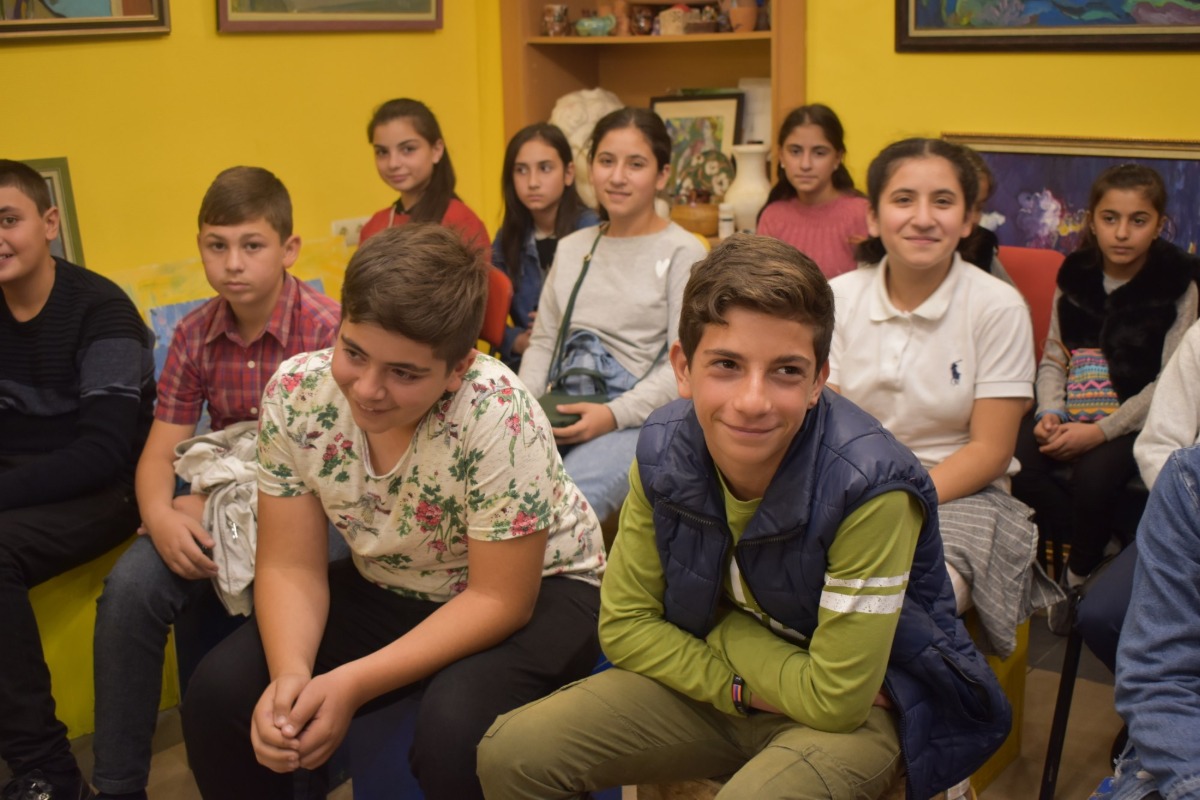
Every day at the Mughdusyan Art Center, children gather and no one asks who can afford to be there and who cannot. They paint, sing and create side by side, unaware of the quiet system of care that makes it possible. For Mariam and Naira Mughdusyan, this is the point: creating a space where art erases boundaries between children from families of different financial, educational and cultural backgrounds.
Founded in 2014 by Mariam, the Mughdusyan Art Center began as a small initiative with a clear mission to make art education accessible to all. Soon after, her sister Naira joined her, along with other inspiring, open-minded women who dreamt of building a space aimed at educating people through art while promoting equality and inclusion.
“From the very beginning, we believed that every child deserves access to quality art education,” Naira told the Weekly. “Regardless of financial means or physical ability, our center welcomes children with disabilities and those from low-income families, ensuring that talent and commitment determine access to learning.”
The families of children who can afford classes contribute financially; those who cannot but show dedication attend free of charge. Over the years, the center has expanded its offerings to include painting, sculpture, vocal training, rug-making and ceramics. A strong sense of community supports its work: some parents donate more than the required fees, allowing the center to purchase art supplies for children in need. The team also organizes fundraisers and secures grants to sustain its work. Transportation challenges prevent some students from attending classes, and the team works to address those barriers.
What sets the Mughdusyan Art Center apart is its strong social focus. In 2021, the team launched Masoor Art House, a space where people of all ages can explore different art forms, with a particular emphasis on Armenian culture. During the summer, children from low-income families attend Masoor’s programs. The initiative also highlights Armenian cuisine as an art form, working to revive forgotten traditional recipes.
Beyond regular classes, the center organizes school tours, special reading days dedicated to Armenian writers and community-based cultural activities. It has also established a pottery school in Berdavan, a border village in Tavush, extending its impact beyond the capital.
Art, for the Mughdusyan team, is more than creative expression; it is a unique way to engage with society. Through research and exploration, they address social issues using the language of music and art, making complex topics accessible and meaningful.
The center remains open to everyone, from children as young as five to adults of any age. Inside, social differences fade; children are not concerned with what others wear or whether they come from wealthy families. The goal is to create an environment where everyone feels equal and included. To date, more than 700 children have received art education through the center’s efforts.
As a private initiative, the Mughdusyan Art Center does not receive government funding. Instead, it relies on grants and individual support to sustain its programs and expand opportunities for its students. The Mughdusyan Art Center continues its journey with the same founding belief: that art can transform lives, build communities and give voice to those who need it most.
In 2015, Naira founded the Nairyan Vocal Ensemble, which became an essential part of the center’s identity. The name “Nairyan” was suggested by Gohar Charents, the granddaughter of Armenian writer Yeghishe Charents. Watching the women perform Armenian folk music, she remarked, “Girls, you are real Nairyans.” Singers loved it so much that they adopted the name. Even though their journey wasn’t easy, because their songs don’t reflect current music trends, clips of their performances shared on social media are widely viewed, suggesting strong audience interest in this style of Armenian music.
Beyond music, the ensemble is also a platform for raising awareness. Human rights are a central theme in their repertoire. Recently, they have been collecting old Artsakh songs, preparing to present a set of 15 pieces. The singers carefully reinterpret these works, preserving every musical note while bringing a modern, expressive twist. Their performances often incorporate sign language and address issues such as women’s rights.
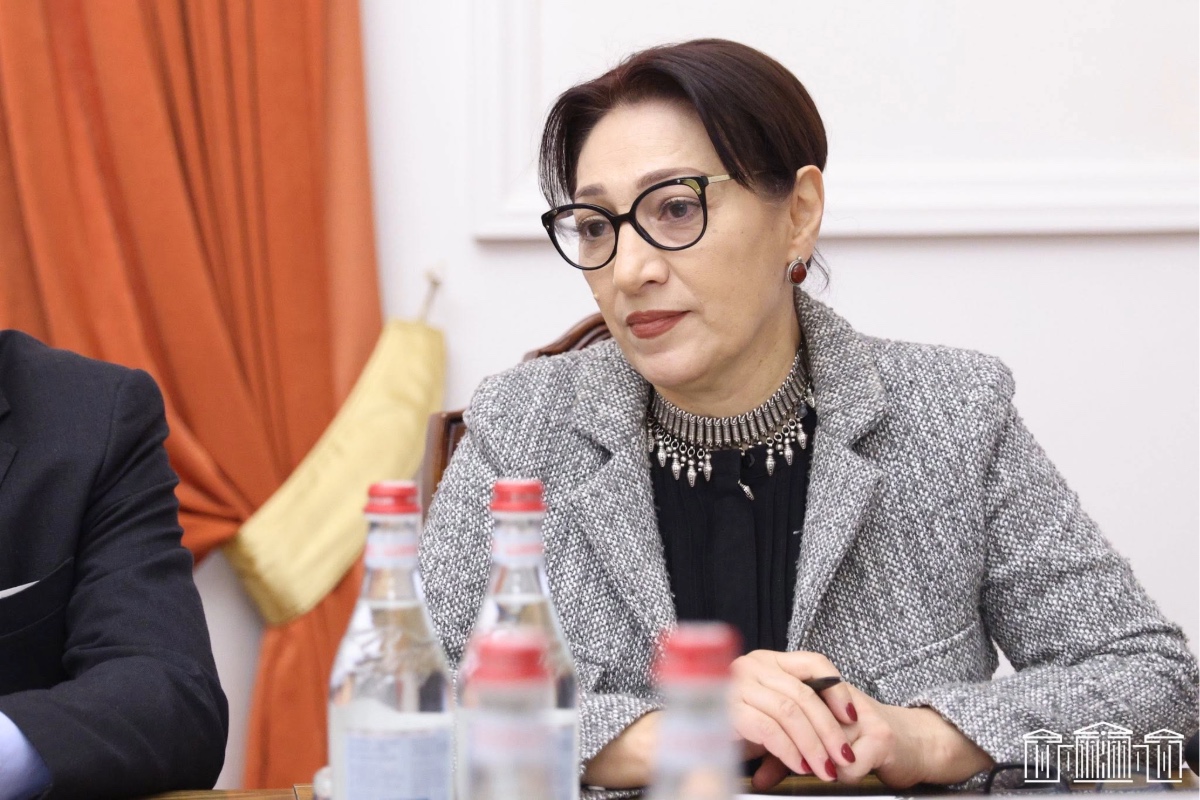
“I can’t imagine my life without the Mughdusyan Center and Nairyan Vocal Ensemble. We’ve been together with two other women, Yelena Azaryan and Anna Minasyan, for 11 years,” Naira explained.
Today, the Nairyan Vocal Ensemble is preparing to participate in a competition in Germany, where they will present Armenian spiritual music alongside songs from Artsakh.
Looking ahead, Naira has a clear vision for the future. “I dream of having our own space, instead of renting,” she said. “It would give us the freedom we need. Rent prices limit what we can do and how many children we can support with high-quality education.”
Performing works by Komitas, the ensemble’s voice is beautiful, pure and emotionally powerful. More than a singing group, they are a collective of women using their voices to raise awareness through music.