Lusine Tumanyan and the medicine of cultural restoration
Every year, thousands of people visit the Matenadaran, where ancient Armenian manuscripts, historical documents and precious canvases are preserved. Most of these treasures have been saved from the destruction of past centuries, surviving wars, migrations and the passage of time. Before appearing on display shelves or in research rooms, they undergo a long restoration process, hidden from the public eye in quiet laboratories.
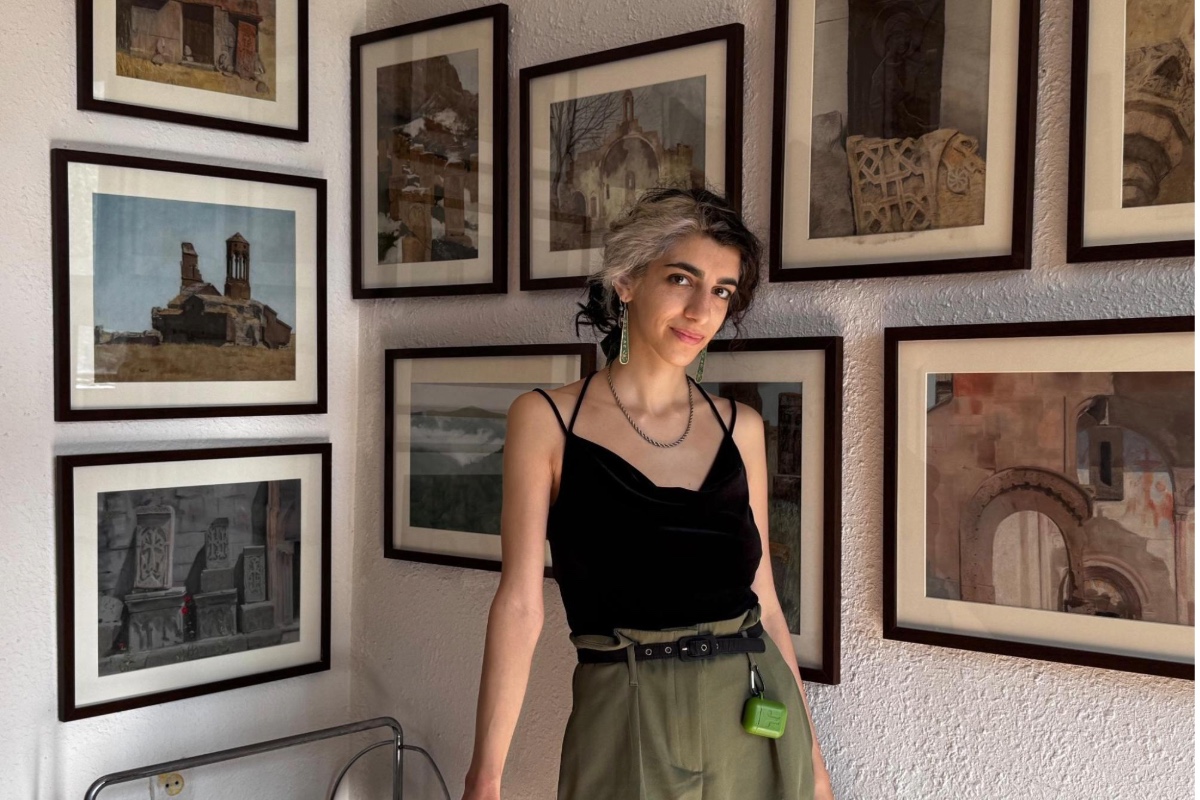
One of these crucial restorers is Lusine Tumanyan. Over the past few years, she has worked at the Matenadaran, restoring priceless fragments of Armenian cultural heritage. For her, the responsibility is akin to saving a life.
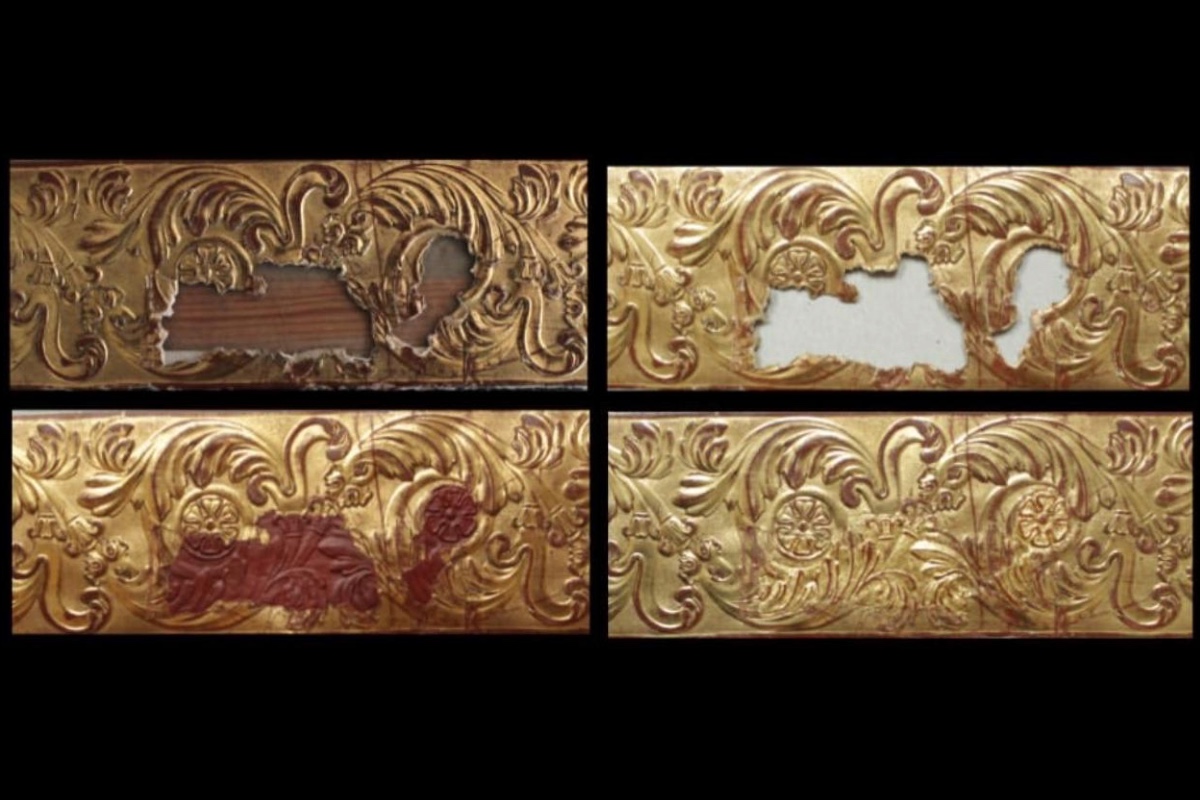
“When a person gets into an accident, doctors think first about saving their life; beauty and aesthetics become secondary,” she said. “We apply the same principle to filling the gaps in manuscripts and canvases. We never allow ourselves to intrude upon the artist’s space. This is a precise scientific methodology, where emotion must yield to fact and rule.”
Tumanyan’s path to the Matenadaran began with a conscious choice to bring vital skills back home. She received her professional education in St. Petersburg, a city renowned for its highly developed schools of canvas and manuscript restoration. Recognizing a deep shortage of formal, specialized training in the field in Armenia, she chose to return, driven by a desire to be useful to her country.
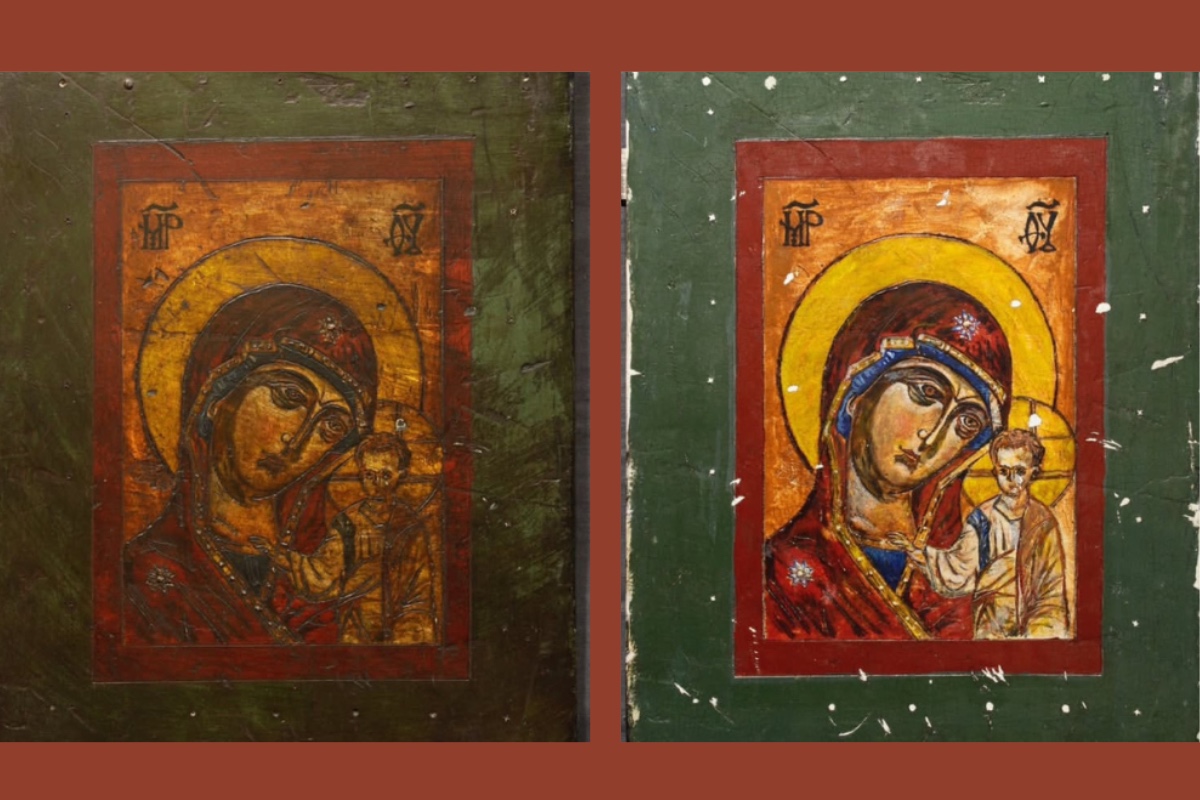
Today, many restoration works on display at the Matenadaran and beyond have passed through her hands. Tumanyan believes the process of “treating” an artifact begins with understanding its individual nature, viewing each piece as having its own soul.
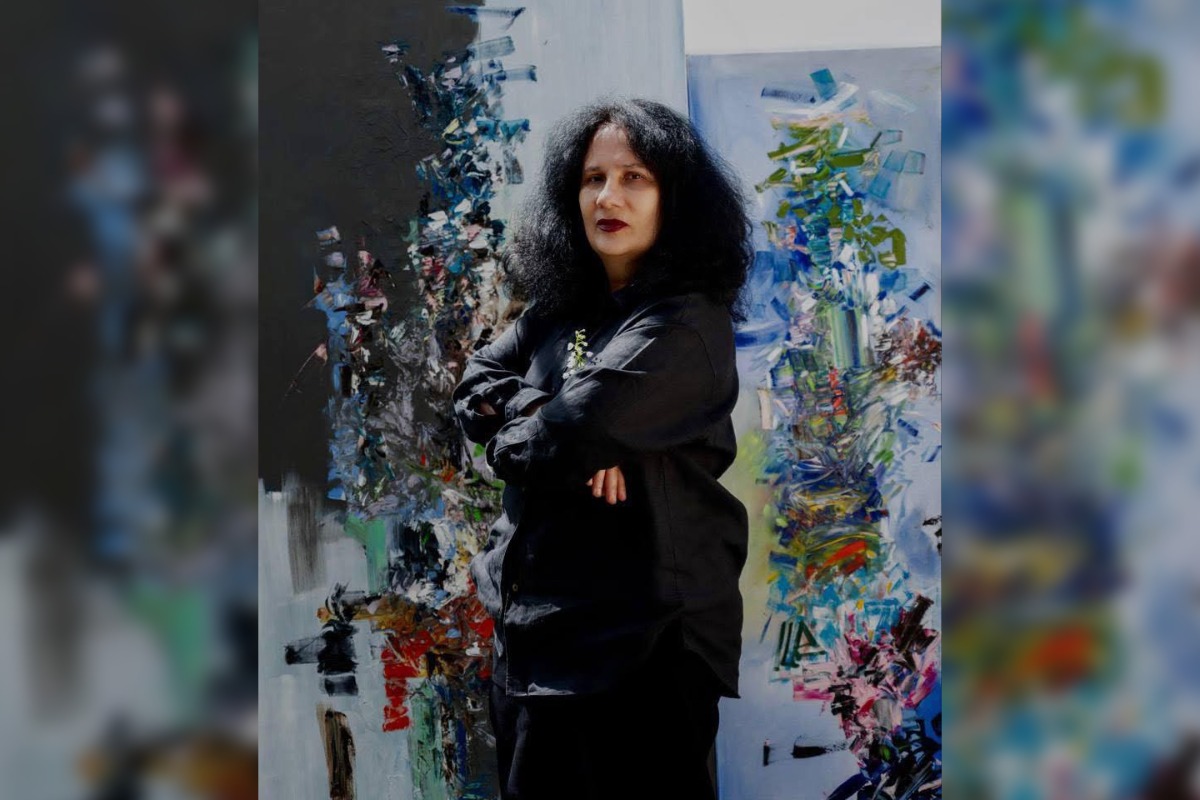

“Sometimes, it is difficult to find an inner connection with a particular work, and sometimes I do not even want to work on it. But if it has landed on my desk, the work must be done regardless,” she said.
Working as both an independent painter and a professional restorer creates a unique internal dynamic. Tumanyan describes it as a complicated relationship: The strict discipline of restoration can sometimes constrict the freedom of painting, yet the practiced eye of a painter greatly aids the restoration process.
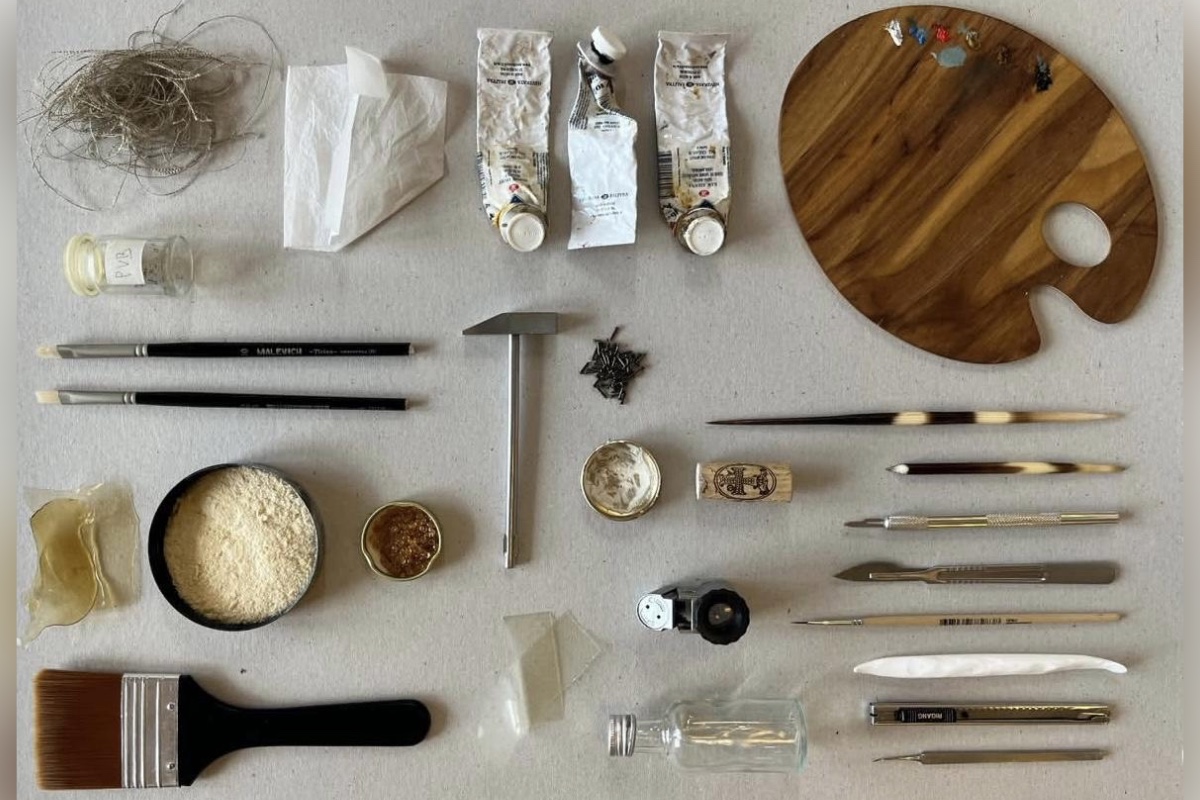
“Restoration and painting share a complicated relationship: Restoration interferes with painting, while painting helps restoration,” she said. “When I was filling in the missing sections of the St. Mark’s canvas, I wasn’t just applying color. I was trying to understand the artist’s intent. A camera can see thousands of details, but an artist chooses only a fraction of them when creating. My task is to preserve the true meaning and style of the piece, not to leave my own signature on it. We cannot change the original.”
This tireless focus on the original creator’s intent defines her daily contribution to Armenian culture. Behind the closed doors of the laboratory, her hands do the silent, vital work of reversing the damage caused by time and neglect.