



Build a home in Armenia
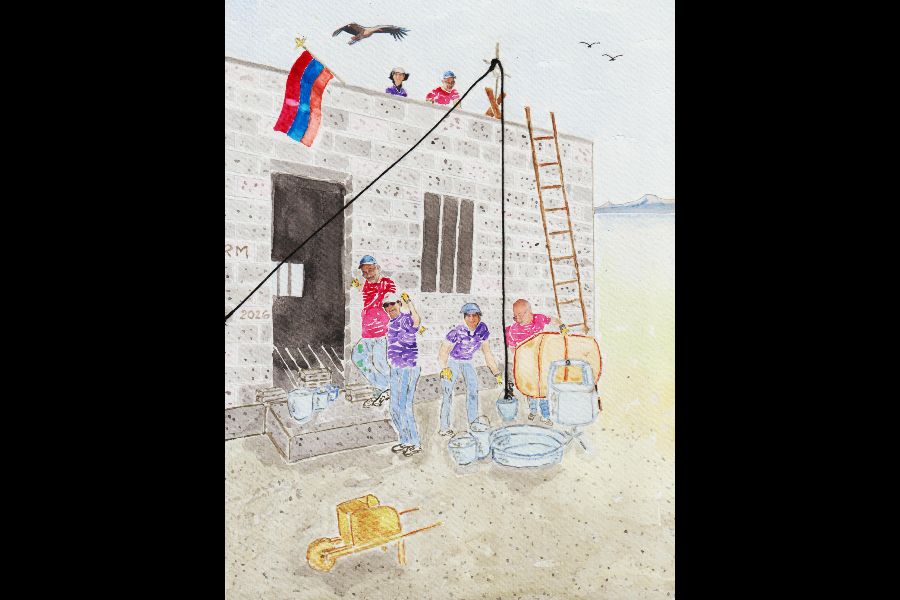
Soon, my sister, June, and her husband, John, will head to Armenia again. They’ll work there with an international volunteer team intent on building a home for a family in need. In the United States, we hear the persistent lament that more housing is necessary. Old factories, mills and schools sit vacant, waiting endlessly to be retrofitted into apartments, their previous uses long abandoned. Yet in Armenia, small armies, like the one the JJs have joined, march into the tiny republic, eager to dirty their hands to erect one house at a time.
Twenty years ago, June and I visited Armenia with a different agenda. We were on a church-sponsored sightseeing trip. At the time, John and my wife, Becky, weren’t up for the long flight from Boston yet. Being our first trip to Haiastan (Armenia), we were the only sibling couple traveling together on what our fellow bus riders thought was odd. We didn’t care. We wanted to experience Yerevan, visit ancient churches on the itinerary, and interact with Haiastan’s people on their own turf—or shall I say, concrete?
We stayed in first-class quarters in Republic Square, not exactly typical for locals. We’d return to earth each day as we boarded our rickety bus with its broken-down bathroom. To further ground us in reality, the bus would proceed outward from Yerevan, and we’d inevitably see drivers of Soviet-era Ladas pulled over to the curb, hoods up and overheated radiators spewing steam. Sometimes, the disabled vehicles would be small, olive-green, round-ish buses, their commuters stranded on the sidewalk.
The extra-wide corner sidewalk of our hotel was the favorite evening haunt of the Der Hayr (priest) who guided our tour. We’d congregate there after our daily sightseeing, lick ice cream, people-watch and inevitably run into paregams (friends) from back home, also on a church tour. What we weren’t doing, however, was actually meeting locals on the street. We were simply following the tour’s script.
During the communist years, long before the JJs and I made our trips, others went for their own reasons. Perhaps they imagined idyllic images of Mount Ararat. (Actually, the taller of its two peaks often hides in the clouds.) Or travelers may have sought bragging rights for visiting the village where their ancestors had lived. On a more mundane level, tourists could have had wishful thoughts of acquiring, at Yerevan’s Vernissage Market and its bargain prices, some tchotchkes. (My Mezmamas – grandmothers – using their mixed Turkish-Armenian dialect, would have called the items khver zver.) Earlier travelers might have had friends who begged them to bring back Armenian-made items that were hard to find in the U.S. — carved pomegranates or khatchkars (cross-stones), beaded jewelry, dried fruit or preserves, tiny tricolor flags or cognac.

Times have changed. Armenia, despite its small size, is part of a global economy. There’s no more fretting about gifts labeled ‘Made in Armenia’: pillows, books or even 3-D printed churches. We can get them here in the States, online. Aeroflot no longer has its monopolistic grip. Even when June and I flew, it was on Air France via Paris. Now, thankfully, going to Armenia is as routine as flying within America, Europe or wherever. For their trip number six, the JJs had planned to fly through Dubai, their preferred route, but have rerouted due to the current political situation in the Middle East.
As June, John and their cohorts prepare to return to Armenia, they have pressing issues on their minds. Building a house is providing a basic need. When June and I went to Haiastan, we dined with our fellow travelers in restaurants. Conversely, John, with his engineering background, and June, with her decades of teaching, will share their knowledge as they eat with locals and their team after a long day hoisting cement to the roof of the sixth home they’ll construct.
June, John: hachoghootiun (good luck). Vartsgernid gadar (keep up the good work).

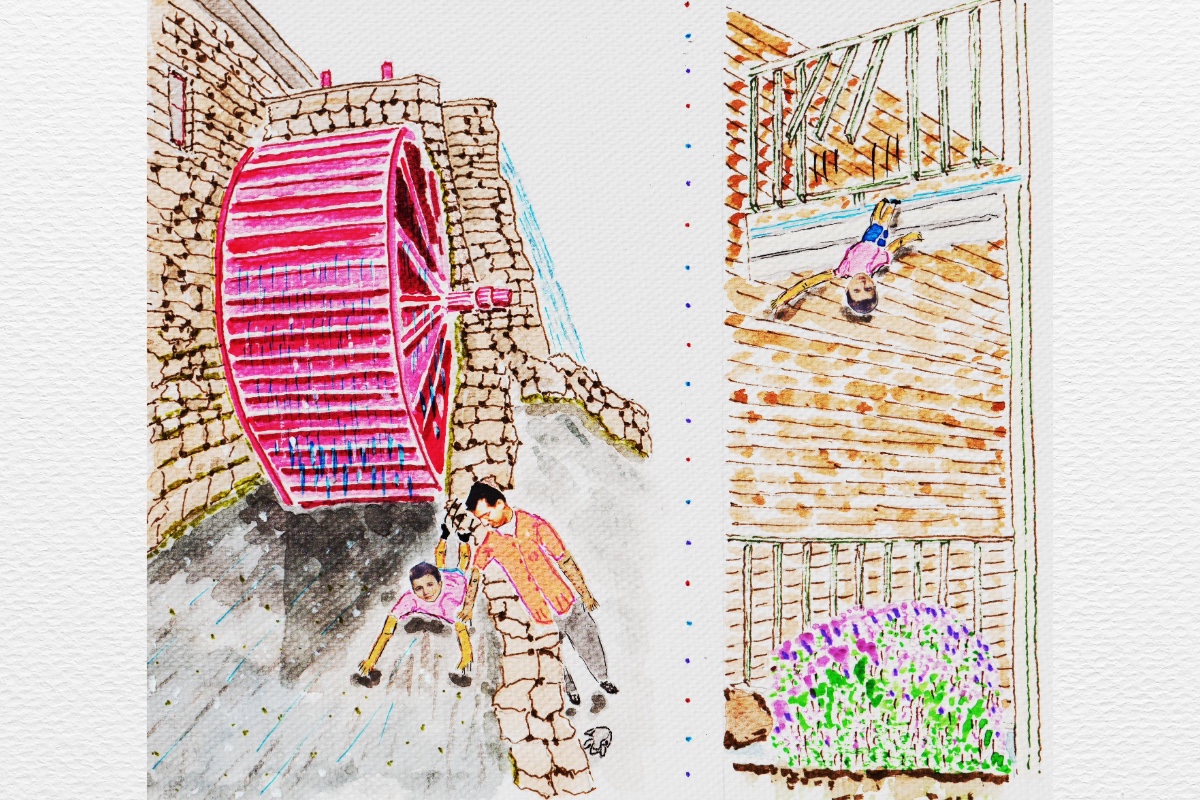
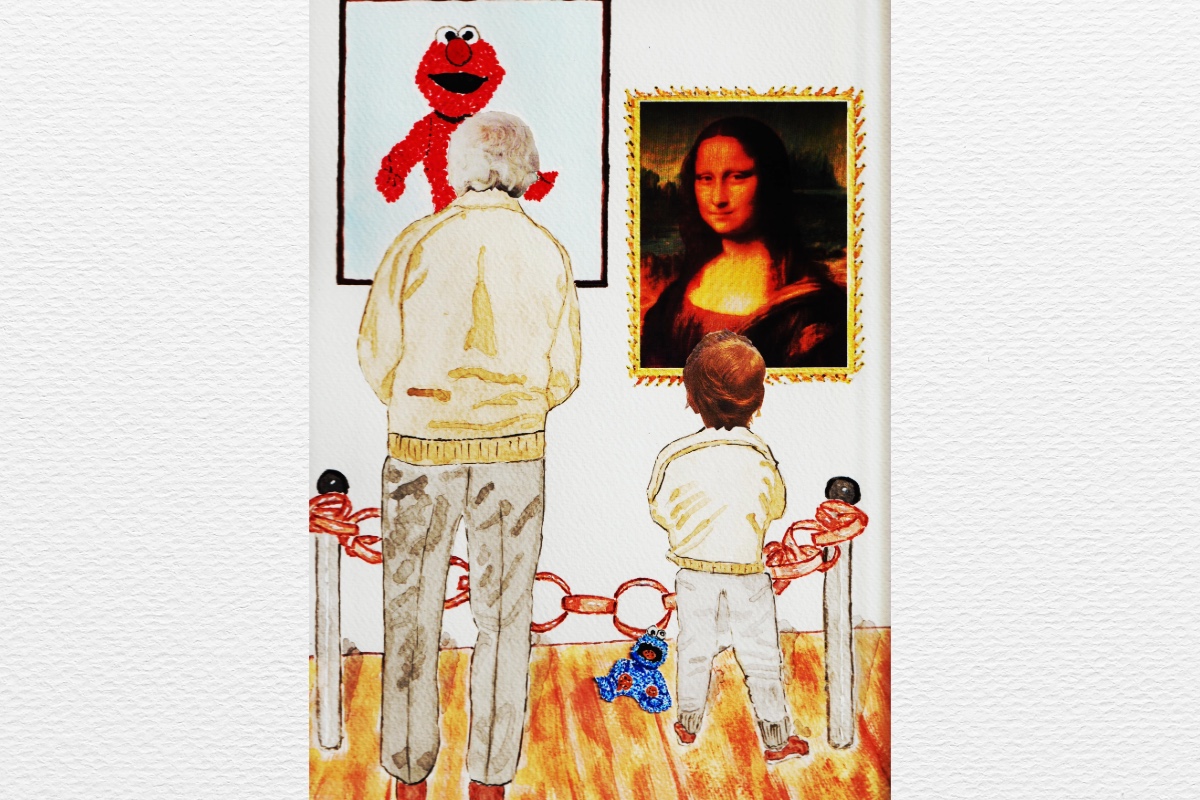
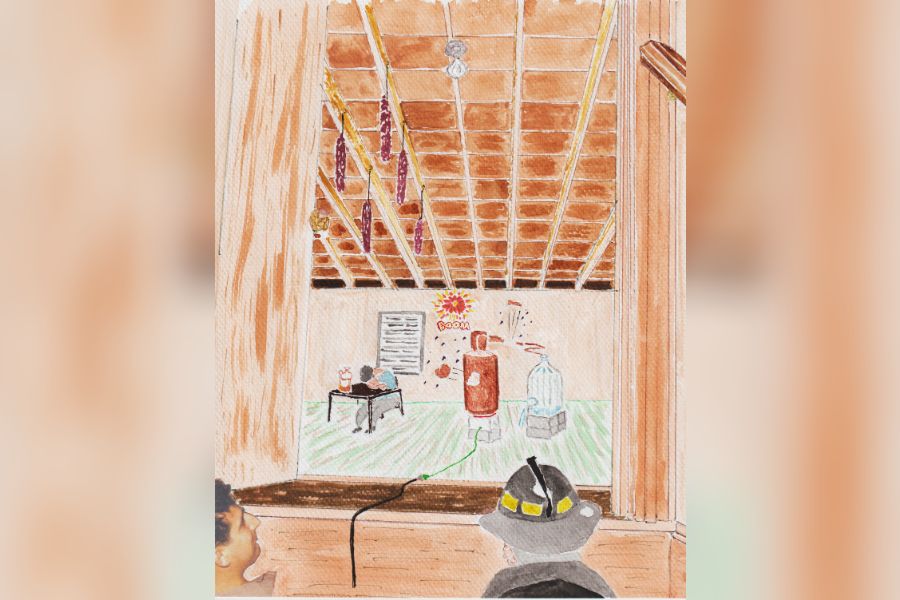
Though not to build a home – I’m a bit too old to lift heavy bags of cement, sadly – I did enjoy and was thoroughly moved my recent trip to Armenia:
https://substack.com/home/post/p-176512709
Paul Kayaian