



The trickery of images
Dad was a smoker. Sure, you may say that there have been many. Perhaps you’re among them. Dad was born in 1923 and died in 1983, most likely due to the effects of smoking for 20 years. How much more could he have accomplished had he not smoked all that time? How much more could we, his family and friends, have enjoyed his company and learned from him?
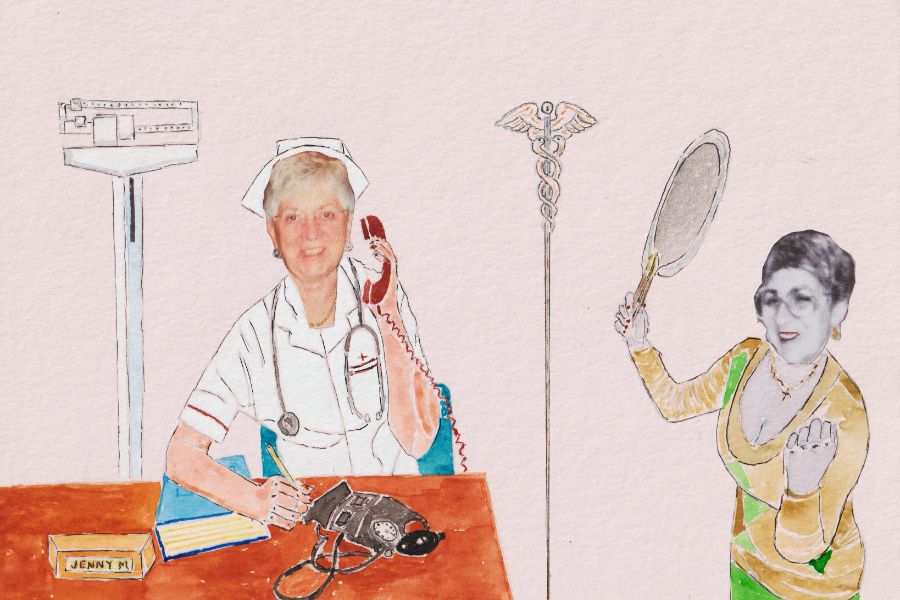
Dad entered Service in 1943 as a non-smoker. The Armenian Weekly had a small entry about him at the time. He came out in 1946 a pack-a-day smoker of unfiltered Camels made from “fine Turkish tobacco.” The Navy gave sailors cigarettes to calm them, so they claimed. Smoking was the “in” thing then. If you don’t believe me, watch some old movies, say, on the Turner Classic Movies channel. Nearly everyone is lighting up in every scene. Even doctors in hospitals were smoking while offering smokes to patients being gurneyed in.
There were other telltale signs at the homes of our friends and neighbors that smoking was engrained in the zeitgeist. Ashtrays, full and empty, were all around. The smell permeated our clothes, furnishings and the food we ate, too. Looking around, one could find cigarette burns on curtains and wooden furniture and floors. Outside, smoked butts littered the sidewalks. People coughed a lot. The 2006 Nobel Laureate, Orhan Pamuk, memorialized butts and his thoughts smoking them in his novel, The Museum of Innocence. He also pinned thousands of them to an artwork he hung in the actual museum of the same name he founded in Istanbul.
I could not have been more than 10 when Dad offered me a cigarette. He was not crazy. I reacted as I’m sure he expected, hacking and pledging that I’d never be a smoker. It worked, and I’m writing this article, as well, as a non-smoker.
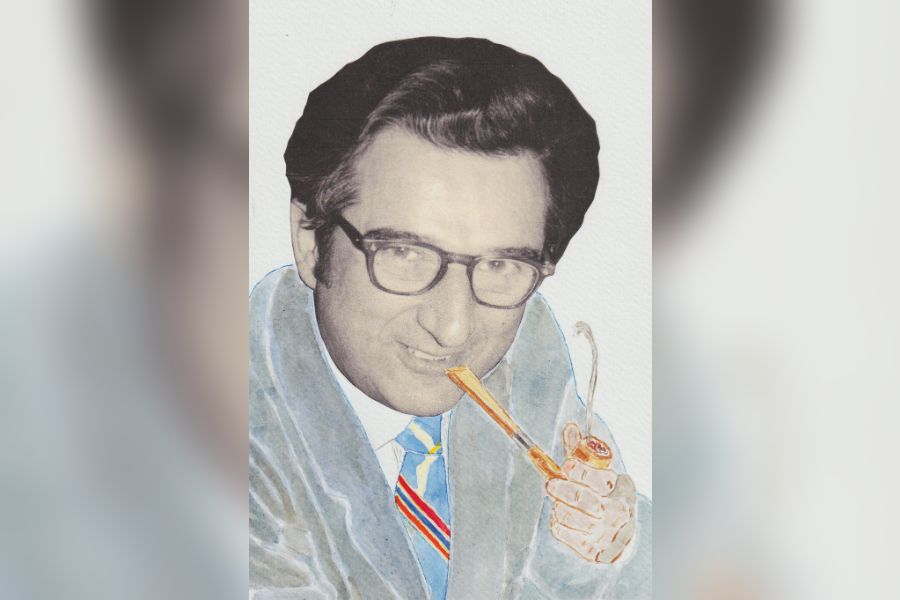
Dad never was into cigars, though Mom’s dad, Dikran, was. However, Dad did pass through a pipe-smoking phase. He amassed a small collection of briars and a few corn cob models. He didn’t have any classic, pricy Turkish meerschaums with amber stems, though he would have liked one. Cigarettes were for smoking at work and pipes were meant for home, such as when he worked on his stamp-collecting hobby at night. Dad had a decent collection, American and foreign, but not as extensive as his friend, Kenny Kazanjian’s. Ken’s, in turn, was a step below that of Jimmy Tashjian, the decades-long stalwart editor of the Armenian Weekly. The three friends met to swap stamps, likely over tobacco of some sort.

In the 1960s, Dad gave up smoking — cold turkey — cigarettes, pipes and everything but the desire. Perhaps he sensed that the addiction would catch up with him. He got rid of the habit when he learned, in the early 1980s, that he had cancer, what he called “The Big C.” Chemotherapy completely exhausted him and he eventually stopped the treatments. The cancer had spread. Finally, a heart attack did him in.
I don’t mean to preach, but it would be nice if more folks could pass on smoking. Armenia ought to take a lesson. There, nearly half of all men smoke and about one quarter of adults—more than twice the percentage in the U.S. When I visited Armenia 20 years ago, I took in a nightclub performance by the Armenian Navy Band. The smoke was so intense that my non-smoking group sought relief from the management, who reseated us at the back with fans positioned behind us blowing forward. The trick didn’t work, but the music was spectacular. I hope none of those in the audience will live any shorter due to their habit.
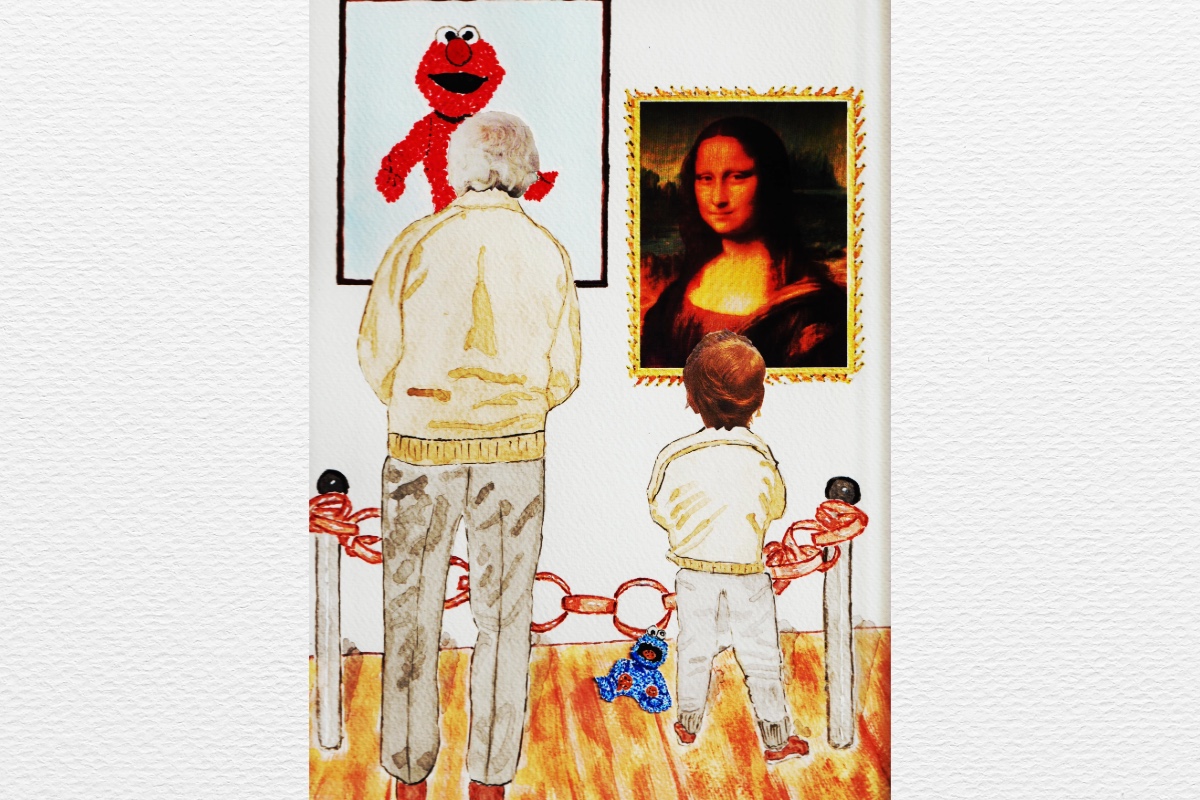
Dad, this article and accompanying painting are for you. If only you could have beaten the odds and lived longer. I confess to the readers that you machined a brass pipe artwork, and smoked it for laughs. How’s your burnt lip?