



The Region in Brief
Armenia
Reports circulated in Armenia that Google Maps had relabeled the Armenian village of Tigranashen in Ararat province with an Azerbaijani toponym and displayed the area as part of Azerbaijan, prompting renewed political controversy over border sensitivities and territorial issues.
The development drew criticism from opposition figures, including Kristine Vardanyan, a lawmaker and member of the ARF Supreme Body of Armenia. Vardanyan argued that such cartographic changes could occur only on the basis of information from official or institutional channels and linked the issue to broader concerns surrounding Armenia-Azerbaijan border delimitation talks.
Vardanyan accused the Armenian government of withholding sensitive political understandings from the public ahead of future elections and criticized Prime Minister Nikol Pashinyan’s administration over its handling of territorial and sovereignty issues. She further argued that political change in Armenia is necessary to prevent additional territorial concessions.
The controversy reflects growing concerns amid ongoing negotiations between Armenia and Azerbaijan.
Iran
Iran’s supreme leader, Ayatollah Mojtaba Khamenei, said Gulf states will no longer serve as a protective shield for U.S. military bases, claiming that Washington will no longer have a secure foothold in the region.
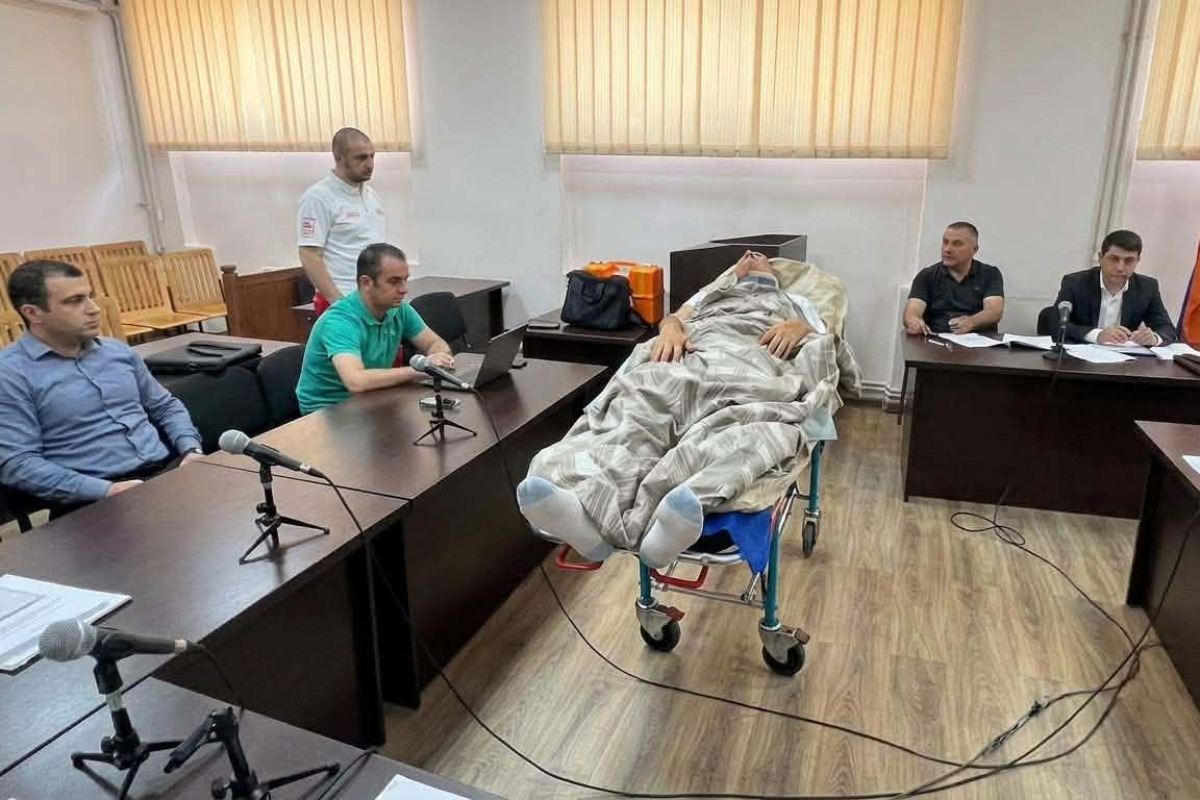

Khamenei made the remarks in a May 26 post on his Telegram channel, warning that “the nations and territories of the region will no longer serve as a shield for American bases.”
Separately, Iran’s Foreign Ministry condemned recent U.S. strikes in Hormozgan province, describing them as a “blatant violation” of the ceasefire. The ministry characterized the attacks as “aggressive and unjustified” and stated that Washington would bear full responsibility for the consequences.
The statement followed an announcement by U.S. Central Command that it had conducted additional strikes against Iran to protect American forces from threats posed by Iranian-backed elements in the region.
Russia
Russia has formally warned Armenia that continued movement toward European Union accession could trigger the suspension or termination of bilateral agreements governing the supply of natural gas, petroleum products and unprocessed diamonds.
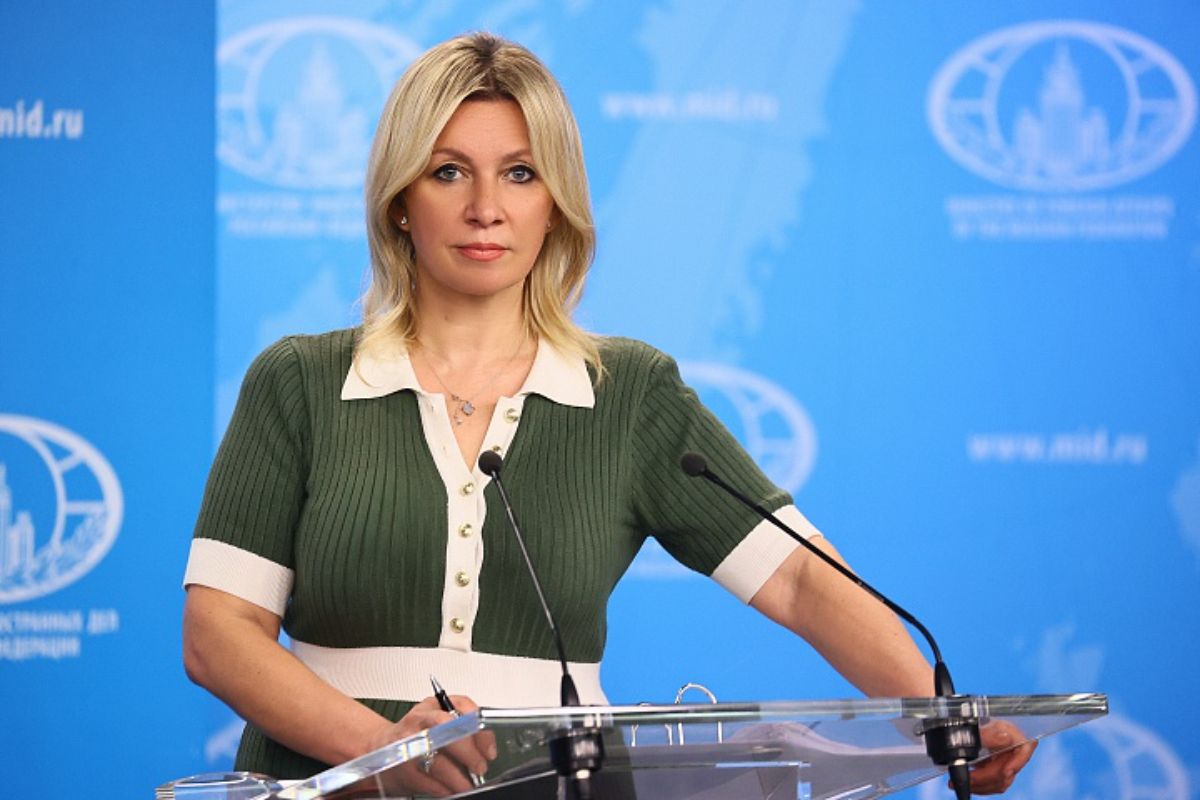
Russian Foreign Ministry spokesperson Maria Zakharova confirmed that Moscow had conveyed the warning to Yerevan through official diplomatic channels, citing the 2013 intergovernmental agreement that eliminated export duties on key Russian energy exports to Armenia within the framework of Eurasian integration.
According to Russian officials, the agreement was designed to support Armenia’s participation in the Eurasian Economic Union (EAEU) and applies specifically to supplies intended for Armenia’s domestic market, while prohibiting re-export to third countries. Zakharova said Russia could act unilaterally if Armenia continues advancing its EU integration process.
The issue has also intensified political debate within Russia. State Duma Deputy Andrey Lugovoy called for a broader reassessment of Armenia’s preferential economic treatment, including subsidized gas prices and favorable customs arrangements. He also proposed considering restrictions on Armenian brandy imports, arguing that Armenia cannot simultaneously pursue closer integration with the EU while retaining the economic advantages of EAEU membership.
Lugovoy warned that removing Russian energy subsidies could sharply increase electricity costs in Armenia and deepen existing economic vulnerabilities. He also highlighted Armenia’s dependence on Russian export markets, grain supplies and trade logistics, calling for a full audit and repayment framework for Armenia’s interstate obligations to Russia.
Separately, Russian Security Council Secretary Sergei Shoigu criticized Armenia’s strategic reorientation toward Western partners, saying Yerevan was “seeking protection from the direct source of the threat.” Shoigu described Armenia’s current trajectory as a sovereign political choice for which the Armenian leadership would bear responsibility.
Turkey
Turkish political and diplomatic circles continue to signal support for Armenia’s current leadership amid ongoing regional normalization efforts. The latest remarks came from Halil Akıncı, founding secretary-general of the Organization of Turkic States and a former Turkish diplomat, who publicly questioned Ankara’s continued reluctance to open the Armenia-Turkey border.
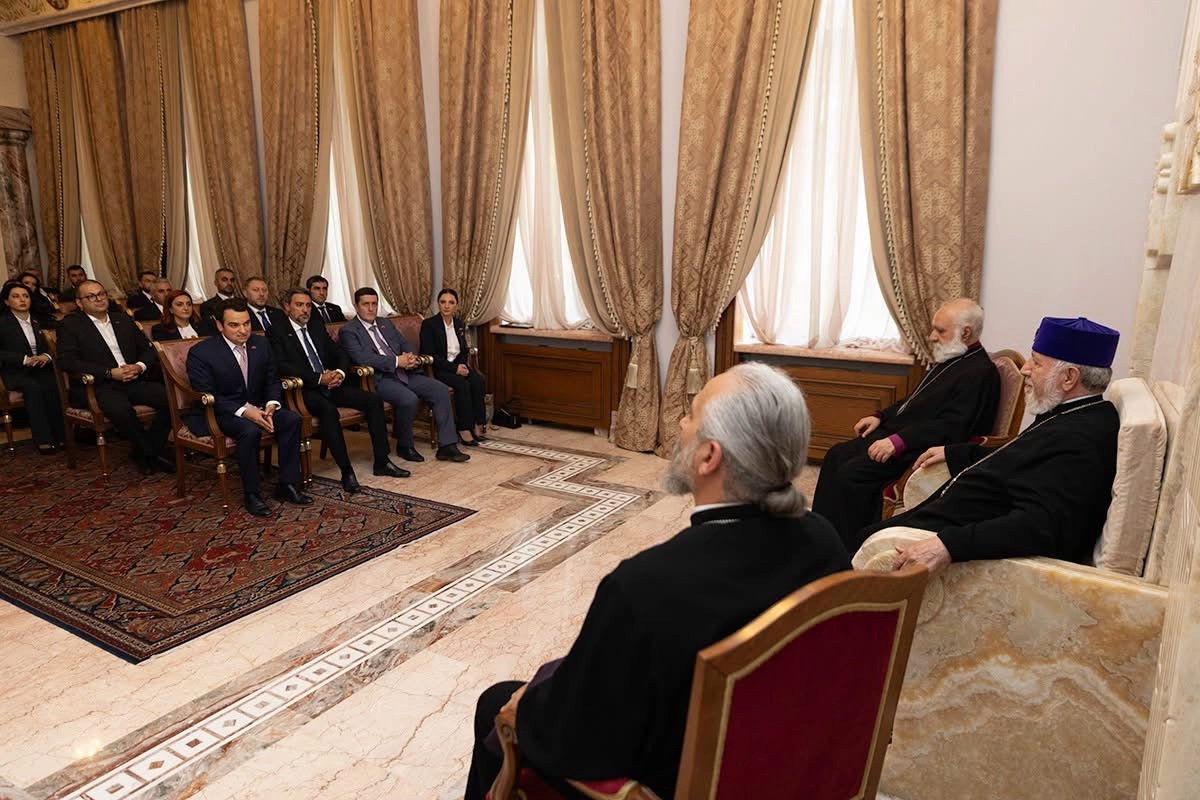
In an interview with the Turkish newspaper Cumhuriyet, Akıncı argued that Armenian Prime Minister Nikol Pashinyan remains the only major political figure willing to pursue constitutional changes and confront domestic opposition, including resistance from segments of the Armenian diaspora and the Armenian Apostolic Church.

Dear Armenians,
Protect your culture, protect your families, protect your demographics.
Joining the EU will destroy Armenian society.
Stay Eastern. You are spiritual people and you know.