The Region in Brief
Armenia
Armenia’s National Assembly approved amendments to the Land Code that change how land is allocated to the Armenian Apostolic Church, limiting future transfers to usage rights rather than full ownership.
The draft law, titled “On Amendments to the Land Code,” was introduced by the Ministry of Territorial Administration and Infrastructure and passed in its second and final reading with 67 votes in favor, 26 against and 3 abstentions.
Under the new legislation, state- and community-owned lands designated for the construction and maintenance of churches will no longer be granted to the Mother See of Holy Etchmiadzin as gratuitous ownership. Instead, such lands will be provided exclusively under a free-of-charge usage arrangement.
The reform reflects a broader policy shift by the government, which proposed revising the Land Code to restrict the transfer of public land into private ownership, even in cases involving religious institutions.
The decision follows earlier approval by the Armenian government, which endorsed the proposal during a cabinet meeting late last year. As a result, the Mother See will retain access to relevant land parcels but only under usage rights rather than full ownership.

The changes are expected to affect future church construction and property management, redefining the legal framework governing relations between the state and the Armenian Apostolic Church.
Artsakh
Access to information about Armenians unlawfully detained and convicted in Baku is becoming increasingly restricted, according to human rights lawyer Siranush Sahakyan.
Sahakyan said that following the end of court proceedings, the expulsion of the International Committee of the Red Cross and the absence of independent international monitoring, even previously available fragmentary information, such as photographic evidence, has largely disappeared.
She said limited official updates continue through the European Court of Human Rights, but these are mostly formal, particularly regarding prisoners’ health. Comparisons with other sources, including calls with relatives, suggest serious and worsening medical conditions, with reports of respiratory issues and a lack of adequate care, raising life-threatening concerns.
Sahakyan also said detainees are not being provided with full or partial court verdicts, preventing them from understanding the charges or pursuing legal defense. She described this as a deliberate attempt to block access to international legal remedies.
She said efforts are underway to initiate individual cases in international courts, regardless of state action, and that Armenian rights advocates have already called on international actors to take urgent steps to protect detainees and secure their release.
According to Sahakyan, international organizations continue to monitor the situation and issue statements, though Azerbaijani authorities often respond with aggressive rhetoric.
The concerns follow the conclusion of trials in Baku, which ended on Feb. 5, 2026, with several former Artsakh officials sentenced to life imprisonment, while others received 20-year terms.
Azerbaijan
Azerbaijan’s Foreign Ministry spokesperson Aykhan Hajizada said Baku is awaiting clarification from Russia regarding recent remarks by Russian Foreign Ministry spokesperson Maria Zakharova during a press briefing.
Hajizada stated that, in response to comments by Armenian Prime Minister Nikol Pashinyan about members of the clergy, Zakharova referred to former Azerbaijani leader Heydar Aliyev without any connection to the topic under discussion, calling the remark “unacceptable.”
“Mentioning the name of the national leader Heydar Aliyev in such a context is a sign of disrespect toward his legacy and the Azerbaijani people,” Hajizada said.
He added that such statements do not meet the standards expected of an official spokesperson. “Diplomacy requires discipline, precision and responsibility, not unfounded statements that can create tensions and undermine trust. We are awaiting clarification from the Russian side regarding this statement,” he said.
The comments follow a press exchange in which a journalist cited Pashinyan’s remarks alleging that some clergy members in Armenia, whom he described as former “KGB agents,” were attempting to “sacrifice Armenia’s independence in the interests of third countries.” In response, Zakharova questioned the reference, asking whether Pashinyan was referring to “KGB agents” linked to Heydar Aliyev.
Iran
Mohsen Rezaei, a military adviser to Iran’s Supreme Leader Ayatollah Mojtaba Khamenei and a former commander of the Islamic Revolutionary Guard Corps, outlined three conditions under which Iran would consider ending the ongoing war.
Speaking to IRINN, Iran’s state broadcaster, Rezaei said hostilities would continue until all damages are compensated, all economic sanctions are lifted and guarantees are provided that the United States will not interfere in Iran’s internal affairs.
“This is the decision of our people, our leader and our armed forces,” he said, adding that the U.S. has “undermined Iran’s economy for 47 years” and obstructed its development.
Rezaei also claimed that Iran’s adversaries aim to divide the country into multiple parts, alleging that the U.S. seeks to control oil-rich provinces, including Bushehr, Khuzestan and Ilam.
Turkey
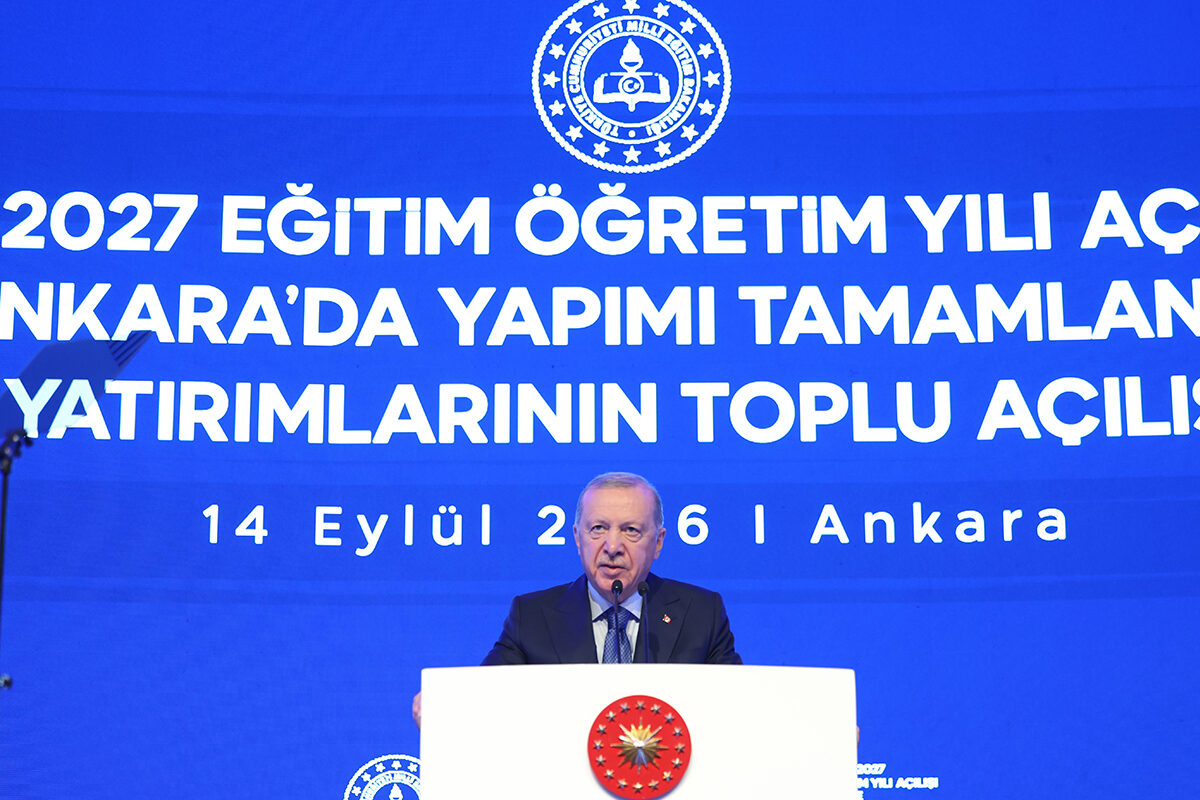
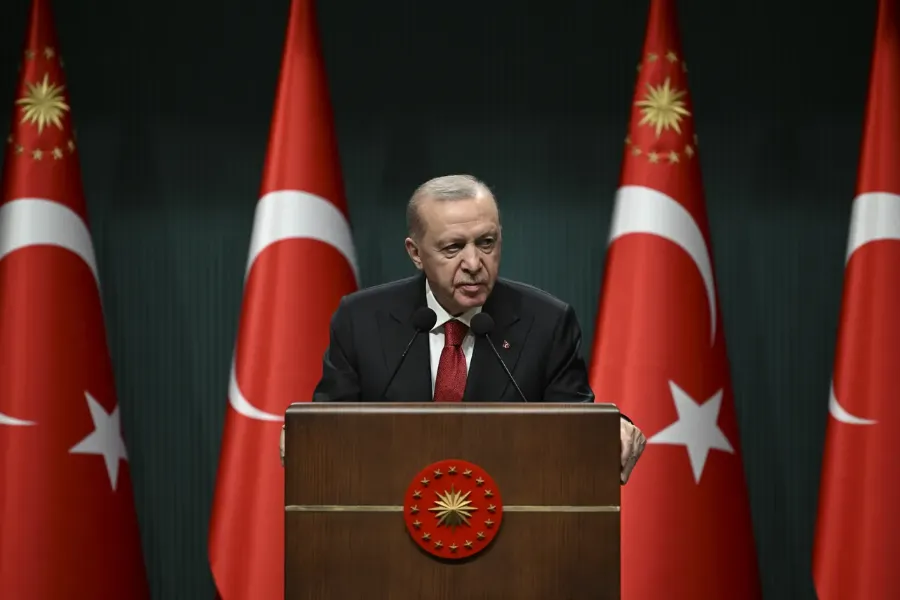
Turkish President Recep Tayyip Erdoğan warned against the risk of the ongoing war in Iran escalating into a broader regional war of attrition, urging immediate steps to halt the violence.
“We do not want this war to turn into a war of exhaustion between countries in the region,” Erdoğan said in remarks on the conflict. He said that while the war is being waged by Israel, “the entire world is paying the price.”
The Turkish leader also criticized Israeli Prime Minister Benjamin Netanyahu, claiming the conflict is driven by Netanyahu’s political survival. According to Erdoğan, the consequences are being felt globally, affecting billions of people.
Erdoğan also called for an immediate end to what he described as a “network of massacres” led by Netanyahu, emphasizing that halting the violence is essential for both regional stability and humanity.
He urged all countries to adopt a “brave and active stance,” warning that Israel’s “intransigent, maximalist and radical position” undermines diplomatic solutions.
The remarks come amid continued international concern over the conflict and growing calls for de-escalation and renewed diplomatic efforts.