


Pashinyan’s high-wire act and the hollowing of the Armenian state
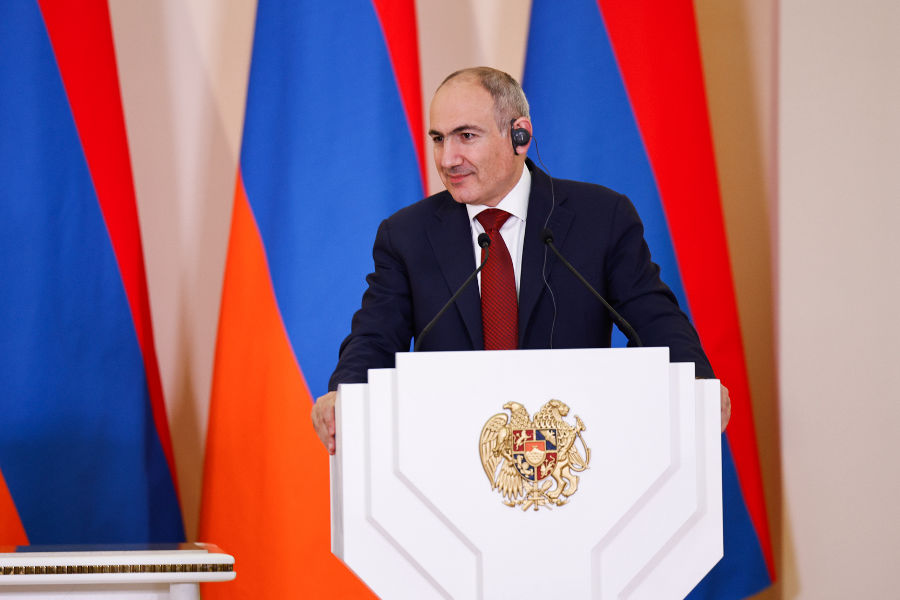
Yerevan in the winter of 2026 is a city gripped by profound dissonance. Inside government offices, a narrative of historic courage and strategic reinvention is assembled with clinical precision and broadcast through the prime minister’s increasingly self-aggrandizing televised monologues. Outside, a population drained by defeat and disillusionment moves through a landscape of national unravelling. The June 2026 parliamentary election, advertised by the ruling Civil Contract party as a cathartic break from a century of tragedy, is in fact a referendum on a project whose risks verge on the irresponsible.
Prime Minister Nikol Pashinyan’s “Real Armenia” doctrine, presented as a bold leap toward border normalization, Western integration and reconciliation with Baku and Ankara, is less a strategic plan than a cascade of concessions repackaged as sovereign awakening. The leader who presided over the collapse of Armenia’s three-decade state-building effort now attempts to recast himself as the author of its salvation, even as he trades institutional capacity and national confidence for promises from powers that have repeatedly demonstrated their readiness to abandon Yerevan when convenient.