


The Region in Brief
Artsakh
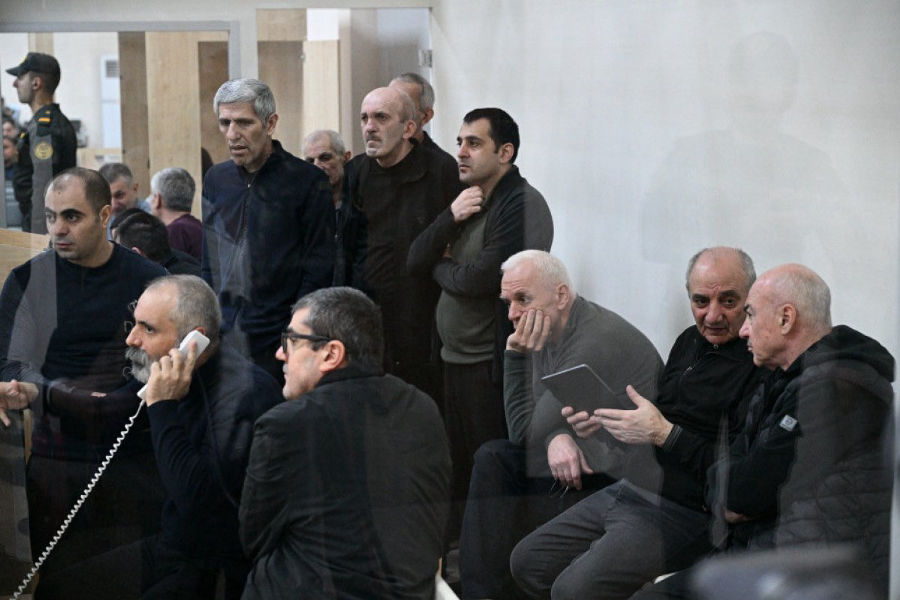
Azerbaijan’s Prosecutor General has requested life sentences for several former political and military leaders of Artsakh, including former Artsakh President Araik Harutyunyan, former Defense Army Commander Lt. Gen. Levon Mnatsakanyan, former Deputy Commander David Manukyan, former Speaker of Parliament David Ishkhanyan and former Foreign Minister David Babayan. The prosecution is also seeking 20-year prison terms for former Artsakh Presidents Arkadi Ghukasyan and Bako Sahakyan, as well as Madat Babayan, all currently held by Azerbaijan.
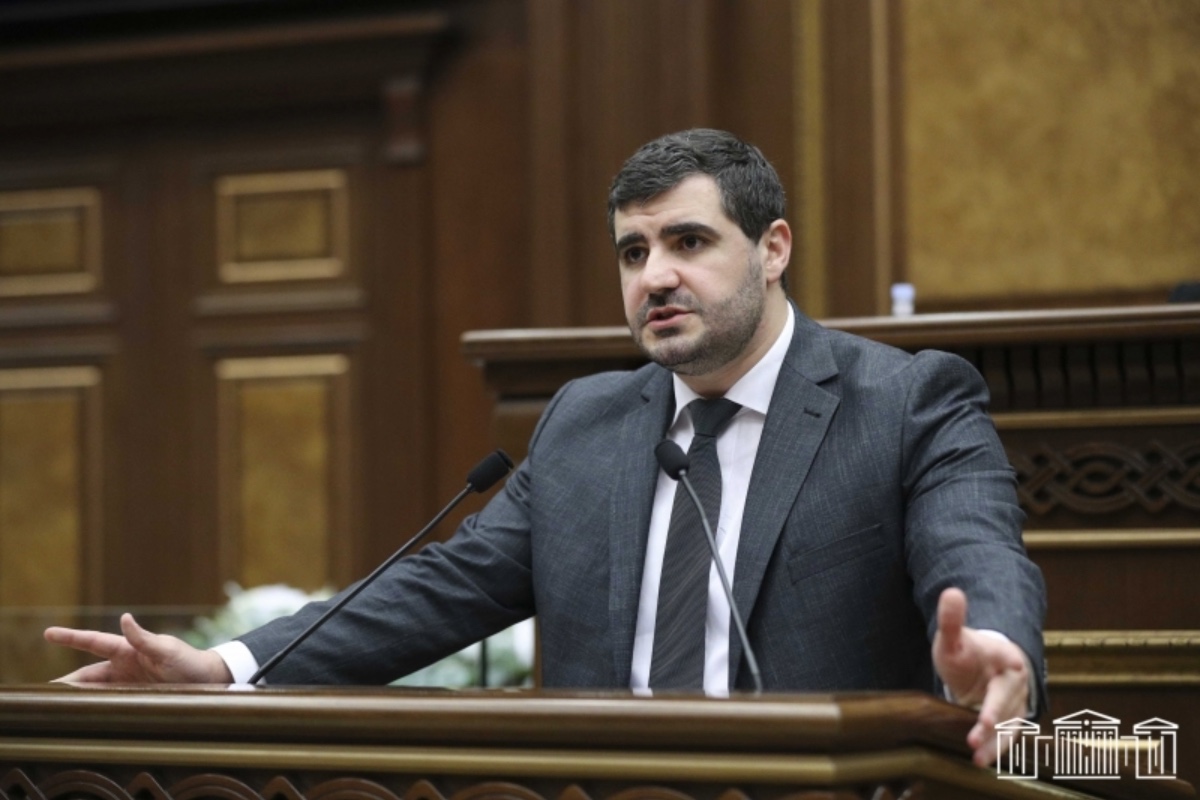
Opposition lawmakers in Yerevan continue to criticize the Armenian government’s position on Armenian detainees in Baku. MP Lilit Galstyan stated during a parliamentary briefing that the repatriation of Armenian prisoners is effectively absent from authorities’ agenda. She argued that despite official claims, no tangible results have been achieved, citing the ruling party’s refusal to support resolutions on prisoners at both the Euronest Parliamentary Assembly and a recent Organization for Security and Co-operation in Europe (OSCE) meeting. Galstyan accused the government of signaling to international partners that the fate of Artsakh’s former military-political leadership, as well as other detainees, is no longer a political priority for Armenia following its renunciation of Artsakh.
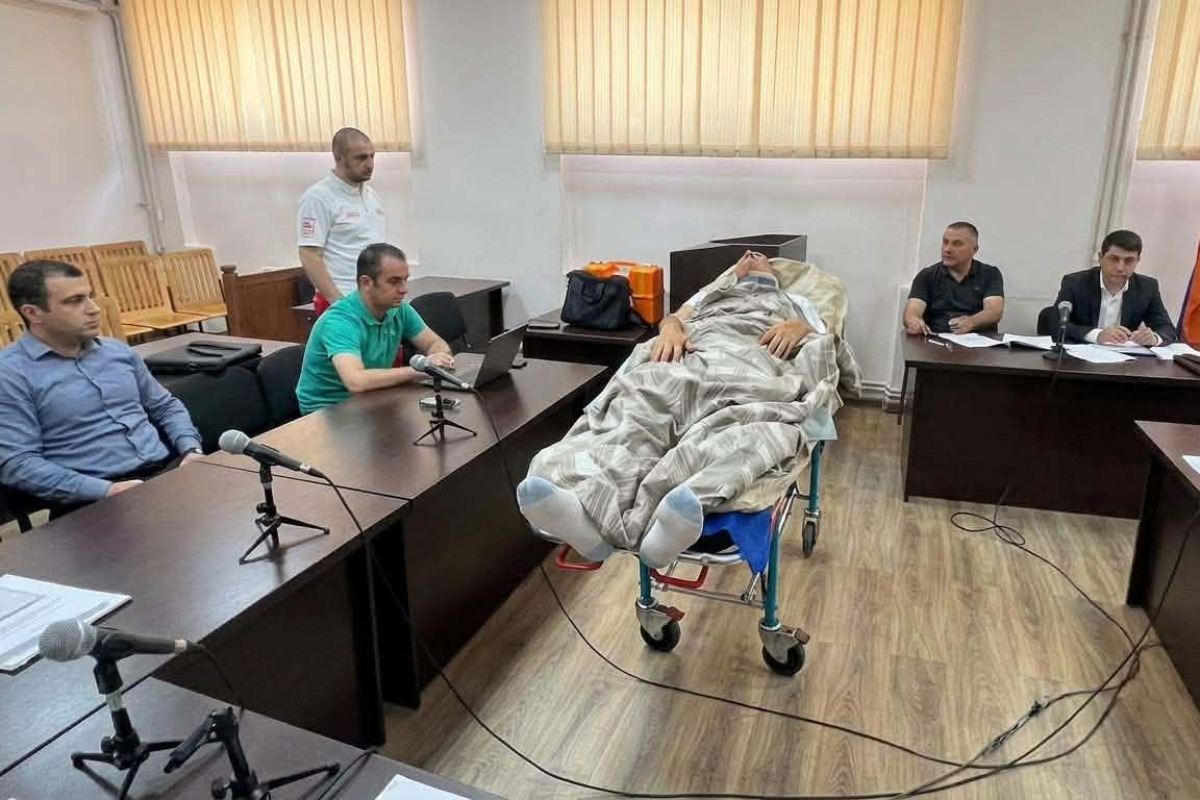
Lawyer Siranush Sahakyan, who represents Armenian POWs at the European Court of Human Rights, reported that proceedings for 15 Armenian prisoners are advancing more rapidly than those of philanthropist and former Artsakh State Minister Ruben Vardanyan. According to Sahakyan, Vardanyan’s trial could enter its final stage within two to three weeks, as most evidence has already been examined.
She emphasized that the release of Armenian detainees hinges largely on political processes, noting that they are effectively political prisoners and hostages. While legal avenues remain important, Sahakyan stressed that political intervention — particularly by the international community — will be decisive in securing their release.

Azerbaijan
Azerbaijan was accepted as a full participant in the Consultative Meeting of the Heads of Central Asian States. President Ilham Aliyev traveled to Uzbekistan to attend the seventh summit session, marking deeper engagement with Central Asian partners.
Analysts in Baku said cooperation between Azerbaijan and the region is expanding rapidly, bolstered by socio-cultural affinities, the absence of significant political disagreements and a growing institutional framework of councils, joint companies and multilateral initiatives. Collaboration now spans sectors ranging from security to artificial intelligence.
However, experts note that challenges remain, including limited public familiarity across societies and a legacy of Soviet-era education that emphasized Russia over neighboring states. Calls have been made to intensify exchanges between civil society, media and research institutions, and to harmonize standards across transport, trade and industrial sectors to unlock the full potential of regional integration.
Georgia
Georgia is moving to restrict citizens abroad from voting in nationwide elections, citing international examples — including Armenia, Ireland, Malta and Israel. Parliament Speaker Shalva Papuashvili argued that voting rules should ensure more informed participation, noting that prolonged absence from the country may increase the likelihood of uninformed choices. The proposal has sparked domestic debate over citizens’ rights and electoral inclusivity.
Iran
Iran has launched special cloud-seeding operations in an effort to combat what officials describe as the country’s most severe drought in decades. The first operation took place over Lake Urmia, one of the hardest-hit regions, with additional missions planned for East and West Azerbaijan provinces. According to Iran’s meteorological service, the country is experiencing its driest autumn in 50 years, with precipitation levels falling 89% below the long-term average.
Russia
Tensions rose following a missile strike on the Azerbaijani Embassy compound in Kyiv on November 14. Russian Ambassador to Azerbaijan, Mikhail Evdokimov, was summoned to the Foreign Ministry, where a formal protest note was delivered.
Moscow has rejected accusations that an “Iskander” missile was used. A Russian military source asserted that photographs of the damage indicate it was caused by a Patriot air defense missile, adding that an Iskander strike would have produced significantly greater destruction. The source accused Kyiv of attributing the incident to Russian forces to conceal air defense failures.
Turkey
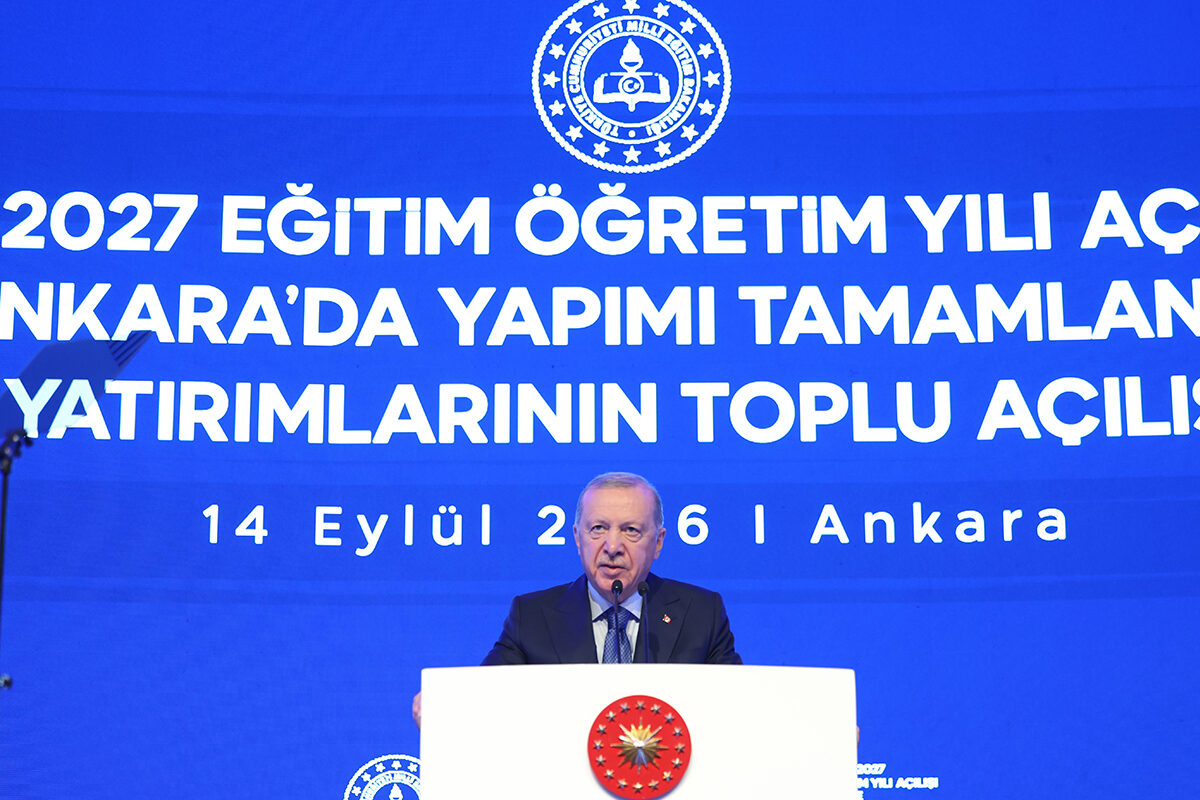
Turkish Foreign Minister Hakan Fidan reiterated Ankara’s position that normalization with Armenia is contingent on the signing of a final peace agreement between Armenia and Azerbaijan. Fidan emphasized that Turkey and Azerbaijan continue to act in full coordination, both bilaterally and across multilateral platforms.
He described the “constructive” atmosphere following the Washington talks on August 8, and said that progress in the Armenian-Azerbaijani peace process has supposedly strengthened hopes for lasting regional stability. Ankara, he added, supports efforts to rebuild and revitalize occupied Artsakh in coordination with Baku.