



Joy amid adversity: How Camp Javakhk fosters heritage and community

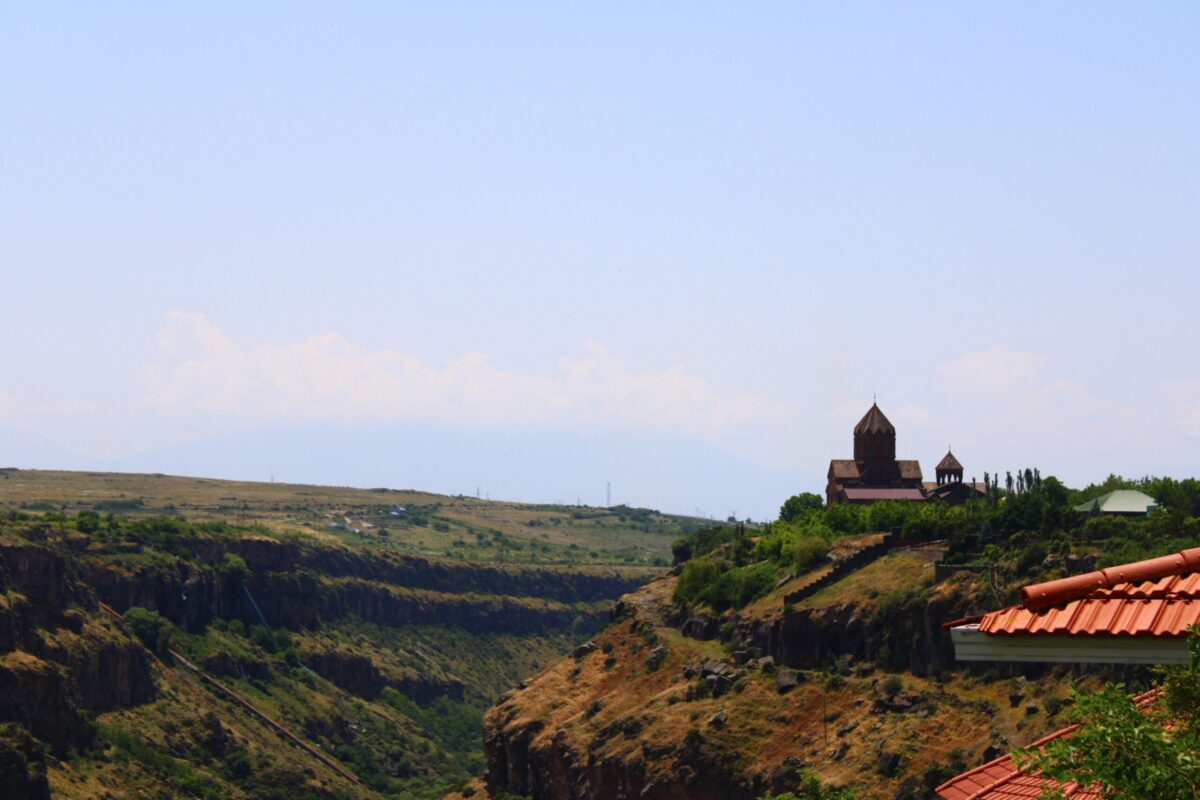
The presence of hate surpasses borders and battlegrounds, and it seems to follow the Armenian people more persistently than ever. In Javakhk, a historically Armenian region within Georgia, the local community encounters normalized threats of hostility and oppression. Yet, there remains no choice but to combat these challenges through community building, education and the love found at Camp Javakhk.
Camp Javakhk, a summertime day camp hosted by the Armenian Relief Society (ARS), takes place in four of the region’s ethnically Armenian villages: Akhalkalak, Akhaltskhe, Ninotsminda and Dzalka. Young volunteers from across the world devote two weeks of their time to sing, dance, play and learn among the local youth. Since 2012, this tradition has united international Armenians with the communities of Javakhk, forming lifelong bonds despite linguistic or lifestyle differences.
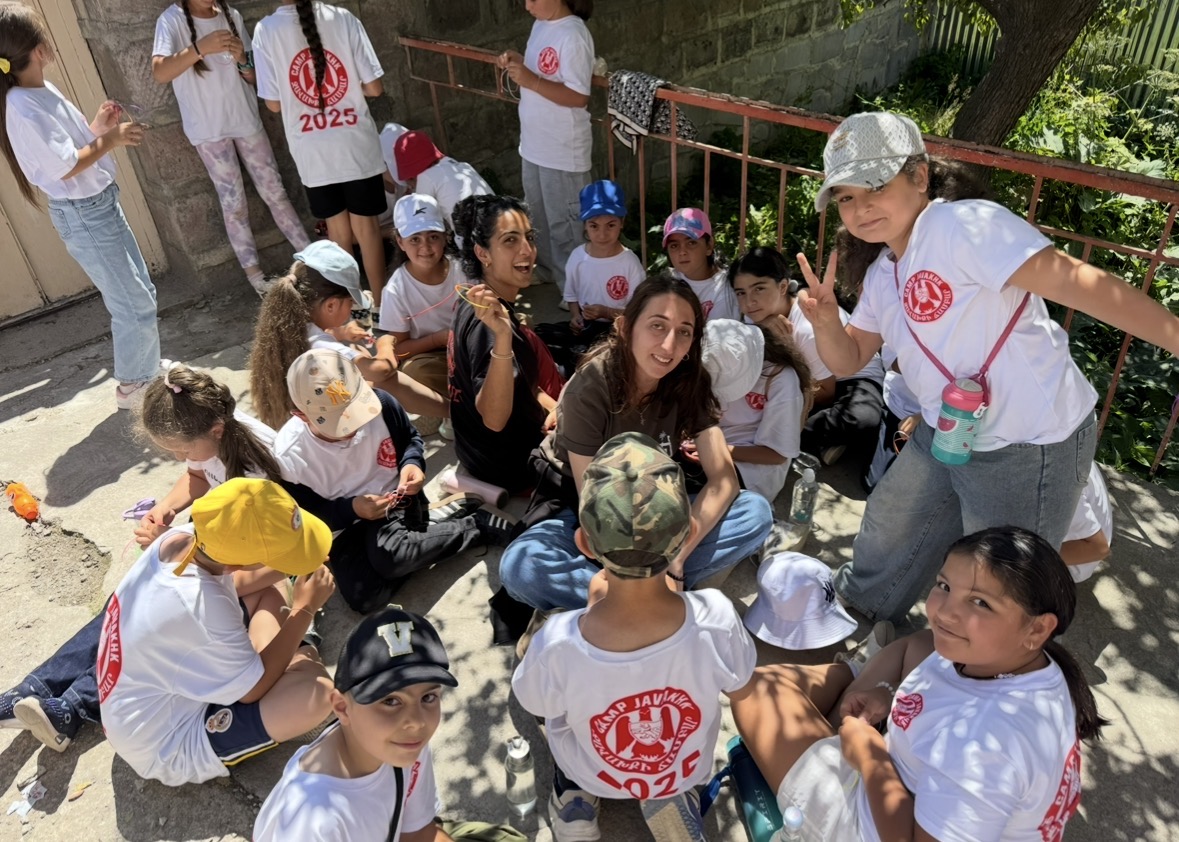
The camp encourages positive community building, education and cultural pride. However, outside the bubble of joy that is each “agoump” comes a bitter truth. Georgian governmental restrictions and oppressive policies against Armenians permeate the local communities, making it difficult to express Armenian identity and heritage freely. The historic exclusion and marginalization of the Armenians in Javakhk — and in Georgia more broadly — echo the broader struggles of Armenian history.
The threat of genocide and oppression shadows Armenians everywhere, rooted in a history that continues to the modern day. Camp Javakhk offers a sanctuary — a community protected from the pressures and puncturings of the outside world — but we couldn’t help but notice the myriad reminders of genocide and historical trauma that remain ever-present.
On the bus ride to Tbilisi, we passed through blurry militarized borders between villages in Tavush and Azerbaijan, where the Azerbaijani flag loomed less than a mile away as Kedashen played from a JBL speaker. Each import truck on the roads between Javakhk’s cities and villages was decorated with Turkish and Azerbaijani flags, some marked with logos indicating a trade alliance between the two nations. These trucks pass through the nearby Turkish border checkpoint, acting as vessels of communication between the two countries with a genocidal mission against Armenia, delivering goods from occupied Kars to the Armenian youth of Javakhk.


And of course, in the middle of our two-week program in Javakhk, a U.S.-brokered “peace agreement” was signed between Armenia and Azerbaijan, signaling an international mission to eventually place those same trucks in Armenia. These instances, among many others, underscore the precariousness that Armenians routinely face from surrounding territories, reminding us of a deeply frightening past.
Reading news headlines from the United States often numbs us to these seemingly distant realities. Traveling through the South Caucasus, however, these pressure points are visible at every turn. In a world where greed often overshadows justice, and the Armenian nation faces the repetition of genocide, we are left with one choice: to foster love, kinship and pride in younger generations.
The ultimate mission of Camp Javakhk is rooted in love — for the bonds of brotherhood and sisterhood formed during camp and for one’s Armenian heritage. Yet, despite the positive intentions of our trip, it is impossible to ignore the symbols of hate and fear that protrude from every corner of this region. These reminders of our proximity to politically tense regions are unsettling for American-Armenians, making the surrounding animosity impossible to ignore.
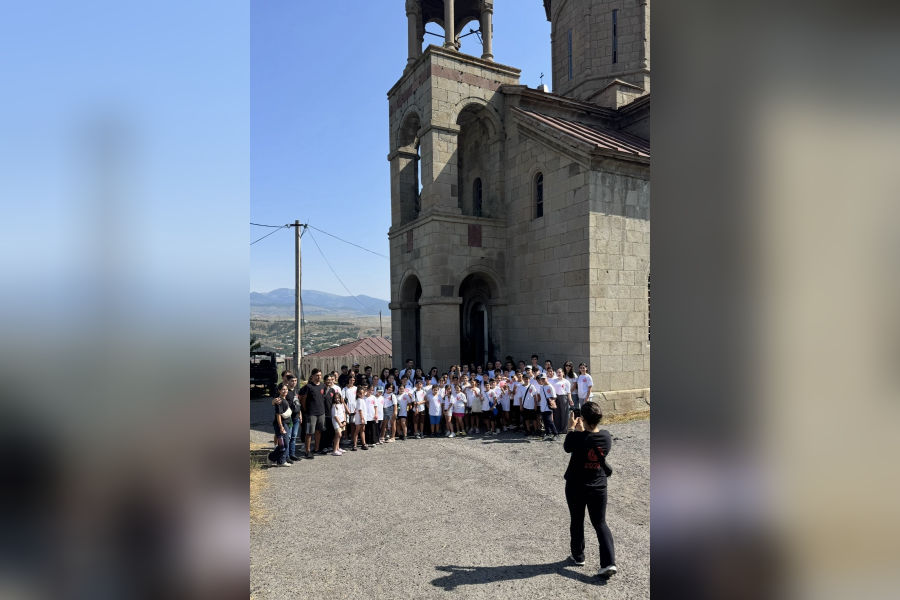
In our efforts to forge devoted ethnic communities amid such tension, our volunteer work must aim to override victimhood, overcome the impacts of the historical scattering of Armenians across the globe and not succumb to the pressures of assimilation. By refusing to buy Azerbaijani pretzels from the store, singing songs about Armenian freedom fighters, befriending Armenians from all over the world and educating each other about the history that upholds our cause, we begin to promote cultural confidence in a world that attempts to dilute it.
This program challenges participants to go beyond simply teaching Tamzara or playing soccer; it asks them to navigate cultural and linguistic barriers, enriching both campers and counselors alike. We cultivated a safe environment to embrace our heritage, bringing this joy back home to the diaspora. Our joy is not born out of ignorance or numbness to pain — it is an active response to erasure, and we manifest it through language, education and shared meals.
Two weeks at Camp Javakhk present physical, linguistic and cultural challenges to diasporan Armenians. Yet, each participant leaves with a deeper understanding of how to defend and sustain Armenian heritage. Immersed in a foreign space, volunteers overcome obstacles to achieve a shared goal. Language barriers and lifestyle differences did not divide us; instead, they called us to bond with the locals, in pursuit of a successful week of camp together. We found joy in the repetitive, gritty and demanding moments, which form the foundation of a grounded community amid these times of hate.
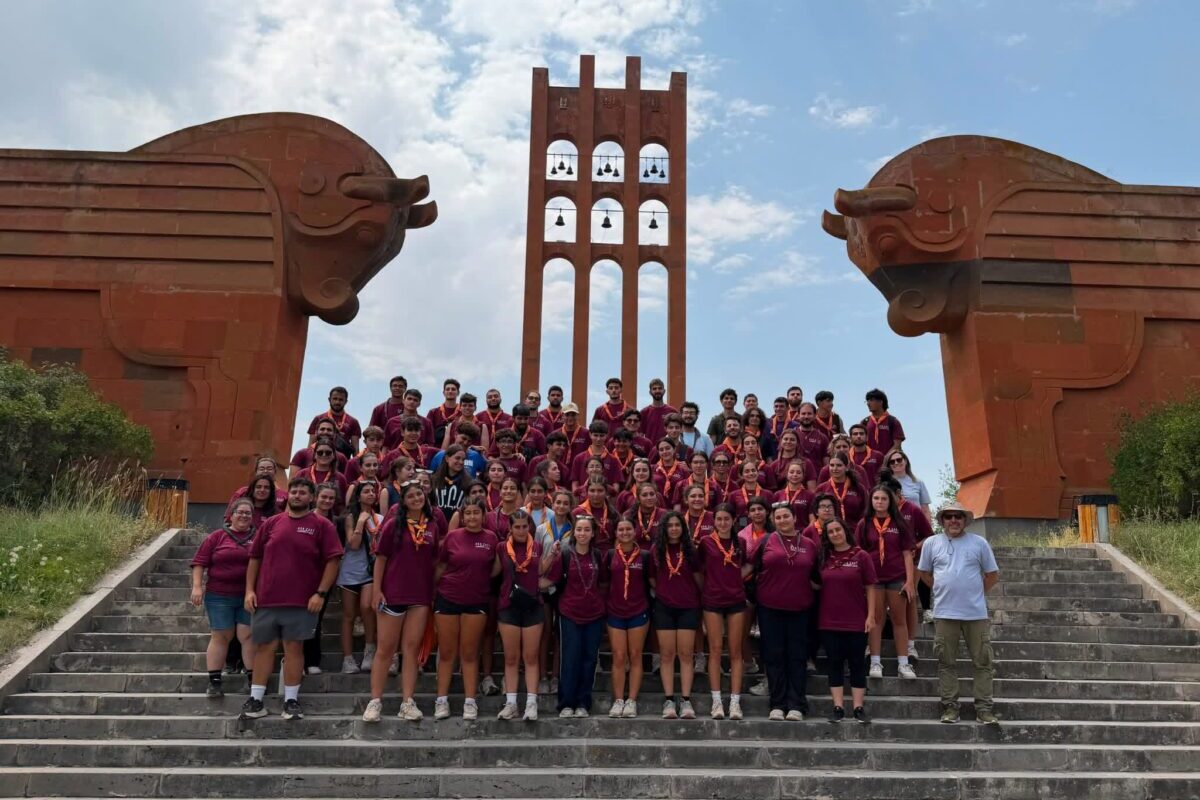
As a director this summer, I witnessed the tireless work of ARS women who lay the foundation for this yearly tradition. I also valued the bonds formed within our team, as we collaborated to execute each day’s goals. This summer put into action a belief I’ve always held: a robust, unified community can empower individuals to face the fear of mistreatment and pain.
The Azerbaijani flag flies over villages in Tavush, and the Georgian political system complicates life for Armenians — these are today’s unchangeable truths. Yet, the 11-year-old campers will return to Camp Javakhk year after year, as will diasporan counselors and ARS leaders. Our return is a testament to the program’s impact. As global tensions and negativity grow, so too does our commitment to lean on one another in the pursuit of joy.
All photos courtesy of the author.

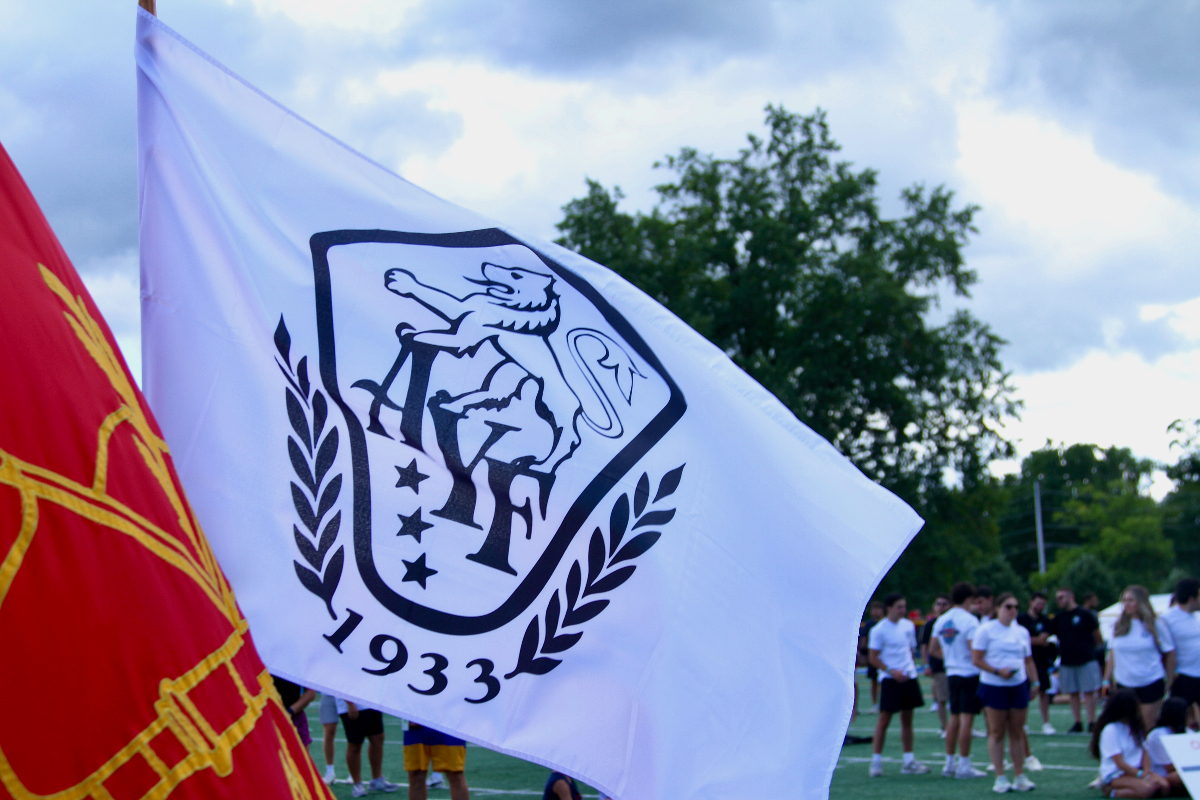
What a simply wonderful article about Armenians coming together to support each other-through ARS programs & AYF youth combining their resources and spirt to help those in “Armenian” communities that face constant struggles to maintain their Armenian Identities.
Areni, with your educational background in English and various forms of media, I encourage you to keep writing for our nation. We need more young adults like yourself to lead our future. God Bless
Unger Greg Minasian
Andover, MA