




The corridor trap: How “Pax-Americana Goes to Caucasus” trades Armenian leverage for optics (Part 1)

The Washington rollout promised prosperity and “soft deterrence,” anchored by a 99-year U.S.-Armenia joint venture to run a commercial rail link “under Armenian law.” But the architecture that matters — jurisdiction, enforcement, suspension — was pushed into future commissions and side texts. The design codifies Armenian concessions now while deferring the clauses that would protect sovereignty later. In practice, it de-links human security from economic benefits and leaves Azerbaijan’s pressure tools intact. That’s not a win-win; it’s compellence with better lighting.
There are no triggers that would deter Azerbaijan in the case of any missteps. A credible peace instrument would auto-suspend operations and payments after any incursion, POW return inaction or blockade. The current framework adds no such tripwires. Worse, it allegedly front-loads withdrawals of international cases and bans third-party monitors, removing Armenia’s external brakes while adding none to Baku’s machine.
Sovereignty is being utilized as a label. Calling a corridor “commercial” doesn’t prevent de-facto extraterritoriality if inspections, security, dispatch control and customs live in later “implementation” deals. That is exactly where control can migrate — away from statutes and into opaque instruments.
The “math” does not add up. No public capex/opex, tariff bands, demand scenarios or force-majeure cost-sharing means Armenia could shoulder construction risk while others capture income — especially if violence resumes. Even supporters and Armenian government interlocutors may concede that internal capacity constraints could stall delivery.
There are hidden resets, as the March and subsequent August accord framework, which was never put before the Armenian public, allegedly binds Yerevan to withdraw interstate cases, bar border monitors, amend constitutional language on Artsakh and commit to “open communications.” Which very well may be a codeword for letting Azeris into Armenia, while omitting enforceable POW/heritage safeguards. The August texts then defer the corridor’s hard terms to later agreements — precisely where leverage is weakest.


Why does this matter now? Armenia’s mineral wealth and strategic geography — especially Syunik — are the country’s economic lungs. Gold/polymetallic reserves exceed $19.4 B; six iron-ore sites are valued at >$2.5 T; annual yields could include 670 kg gold, 70 T silver, 5,300 T lead; and high-value elements like scandium add outsized upside. Whoever controls Syunik controls Armenia’s economic survival. A corridor that dilutes control mortgages sovereignty against paper guarantees.
Diaspora and other “explainers,” who have not bothered to declare any conflicts, while masquerading as dispassionate academics/observers, have framed the deal as modernization while downplaying jurisdictional risk and conflicts of interest — sometimes doubling as fundraisers for advocacy products that only later disclosed sensitive funding sources. Whatever the forum, undisclosed conflicts corrode trust and cannot substitute for published texts with enforceable protections. This has been in full display recently with the concerted effort to promote the Pax Americana concept to diasporans in the U.S.
A real peace-through-connectivity model would publish the full treaty, annexes and joint venture charter; hardwire auto-suspension for violations; restore litigation/monitoring until milestones (POWs, border pullbacks) are verified; adopt International Finance Corporation (IFC) and the European Bank for Reconstruction and Development (EBRD) grade procurement and audits; replace multi-decade tenures with short, reviewable terms and neutral dispute seats; and show the economics.
Peace is not a ribbon-cutting; it’s the wiring behind the switch.

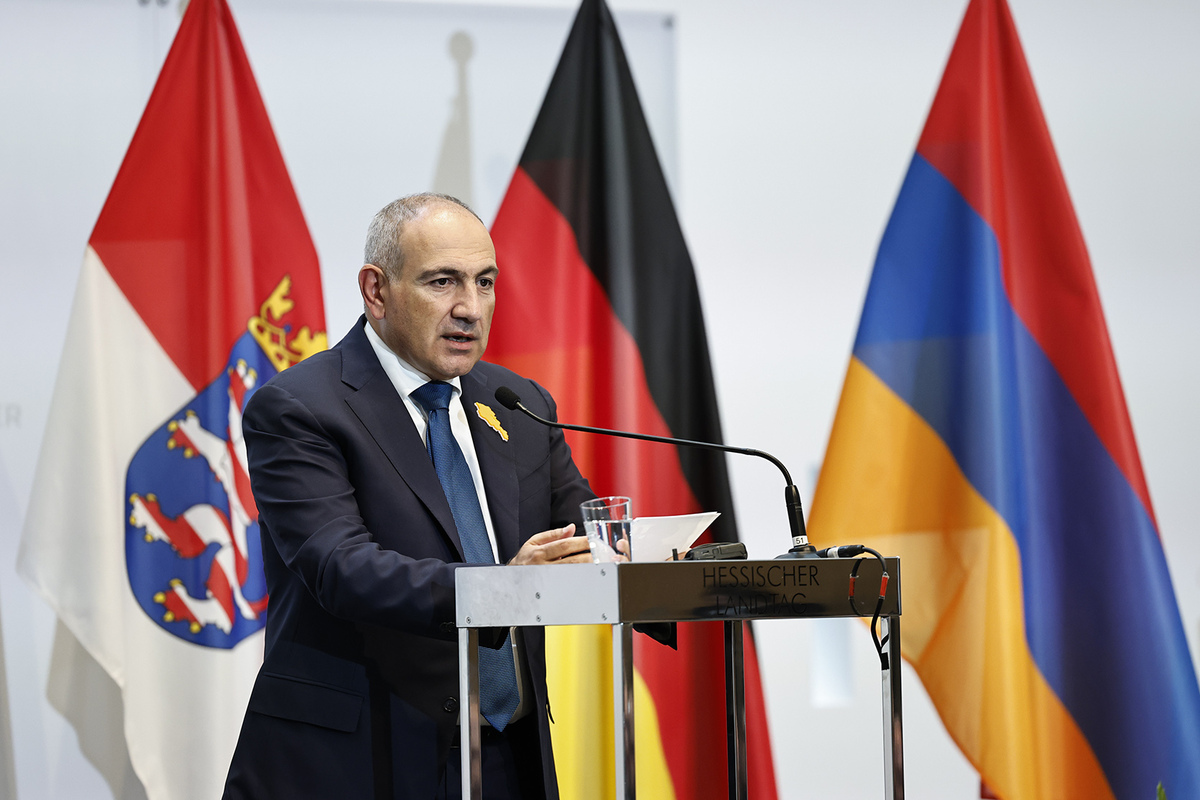


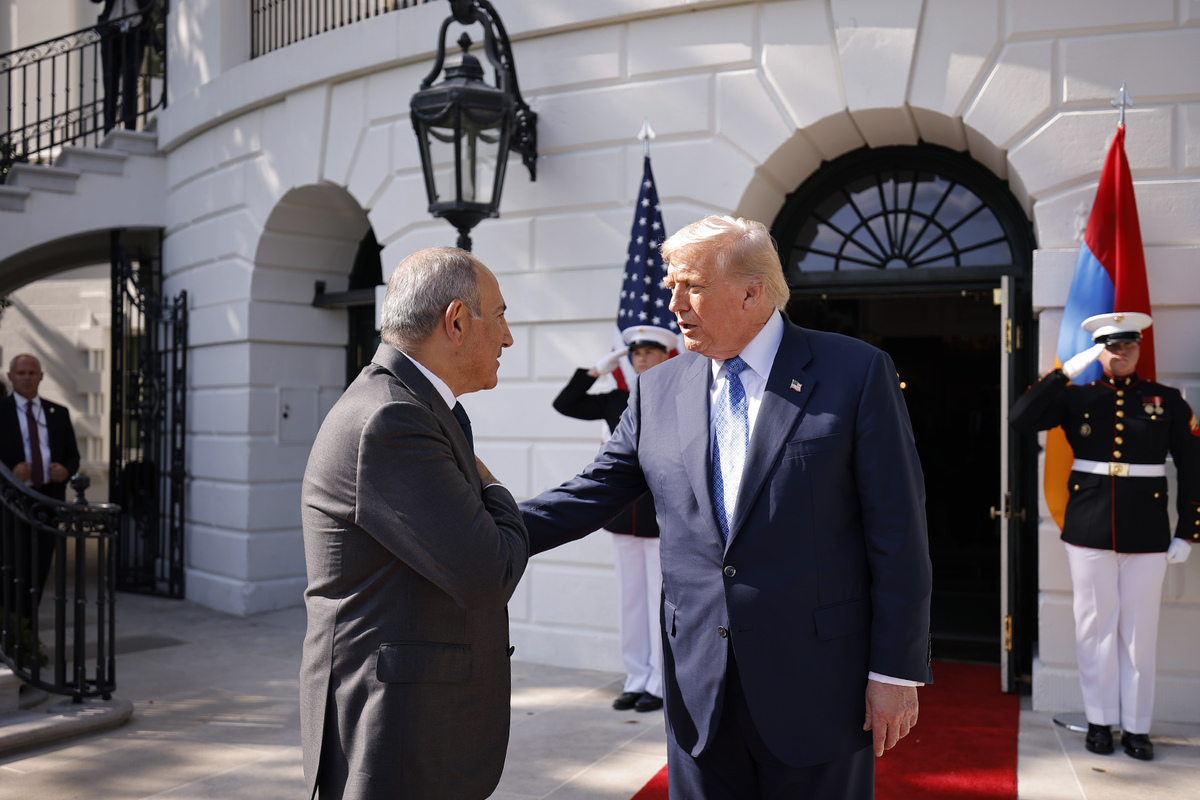
There is the risk that the 99-year lease to the United States could become a fait accompli and turn semi-permanent, with Armenian jurisdiction remaining only on paper and not in practice, and thus become a de facto US territory. Just look at the example of the Guantanamo Bay Naval Base in Cuba, which was leased to the US in 1903, but is still officially Cuban territory and supposedly under Cuban jurisdiction. Cuba wants it back, but the US has clinged to it ever since. There is no guarantee that the same thing couldn’t happen to this part of Armenia. (That the corridor could be ceded to Azerbaijan by the traitor Pashinyan, shouldn’t be dismissed either.) There is also the risk that the US could use this corridor to attack Iran and thus drag Armenia into a war. Imperialism is the same old imperialism. It never changed. It just morphed from naked colonialism to neocolonialism.
All is said boils to this.
If the citizens of Armenians are unable or unwilling to have a free, independent Armenia, it will have to be for them to make their choice “between the devil and deep blue sea”, as ARF ideologue Kristapor Mikaelian said , quoting the saying, in his famed treatise «Ամբոխային Տրամաբանութիւն»
I, from Diaspora, rather have for them, a lasting Pax Americana come to South Caucasus, than a lasting Russian hegemony come to the South Caucasus.
All you’ve done is admit that you are geographically illiterate.
You failed your geography exams at school.
Do you even know where Armenia actually is?
Armenia’s alliance with Russia is based on Geography.
Look at a map!!!!!!
Absolutely, I do not have the geographic expertise, you surely imply to have.
Educate me plase: How far or how close is Russia’s closest border to Armenia? And where is that?
Ignore the question, you make a public mockery of yourself.