



Lost and found in Urasar
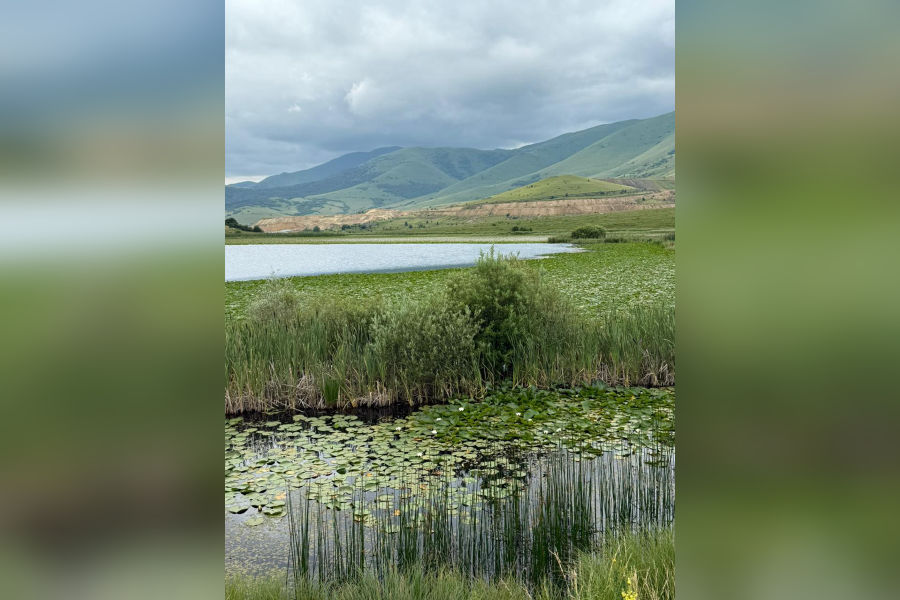
When planning a summer getaway to Lori, I knew it was time to reach for my old travel list—a collection of dream destinations I had been curating for years, quietly tucked away, waiting for their time. The list included centuries-old monasteries, small villages and other must-see sights, but at the very top was Urasar (Water Lily) Lake.
I first came across a photo of Urasar Lake a few years back and was instantly infatuated: a preserved, water lily-covered lake tucked away in a little Armenian village I had never heard of. I knew I had to see it for myself.
Although I had visited Lori before, this time was different. With a longer trip planned, I finally had the chance to really take it all in—no rushing, no shortcuts. Just slow, intentional exploring with plenty of time to unwind and relax.
With places like Tumanyan village, Odzun, the Lori Fortress and other landmarks lined up, we decided it would be best to leave Urasar for the last day. When we looked up the map, the route from the village to the lake was not exactly straightforward. Nonetheless, we were determined to make our way there, one way or another.
Located at the border of Lori and Shirak regions, Urasar is one of those villages that is completely off the radar of typical tourism, which is why it is largely unknown to many people.

From the moment we set foot in it, Urasar had us hooked. It was one of those places where time seemed to slow down, with a kind of effortless charm. It was peaceful; the kind of harmony that feels absent in modern city life.
We found the nearest spot to park and got out, hoping we were somewhere close to the lake. Two elderly women greeted us with big smiles, and we asked if we were in the right place and how to reach the lake on foot. Without hesitation, one of them turned around and called out to her grandson. “Come here; take these kids to the lake. They want to see the flowers,” she said, still smiling. “He goes there every day anyway. He’ll show you the easy way.”
We thanked her and headed toward the boy, who was already standing by, ready to lead the way.
That’s how we met Artiom, a sweet 7-year-old boy who agreed to guide us. “Follow me. I was going there anyway,” he replied, seemingly unbothered by strangers showing up out of nowhere and asking for directions.

That settled it; we were off to see the lake. It is hard to describe the feelings I had walking there, but I knew that we were stepping into a different kind of world.
Soon enough, our walk turned into a climb up a hill that would take us toward the lake.
“Do you come up here often?”
“Almost every day in the summer,” he said. “I help my dad with the sheep. Sometimes, they get lost—and there are stray dogs.”
The stray dogs part kind of threw me off, but I had to trust my gut, and of course, our trustworthy 7-year-old guide and follow his lead. About 20 minutes later, we spotted his dad with the herd and waved hello. Then, we noticed a small lake cutting across the road—the next obstacle on our path.
While I am definitely not an experienced hiker, I had already been pushed out of my comfort zone on this trip, especially with the trek up to Kobayr Monastery. I assumed this one could not be worse.
Of course, I was mistaken. We were still figuring out how to cross the lake when two stray dogs appeared up the hill and headed toward us.
We all exchanged a look, and Artiom quickly tried to reassure us: “Don’t worry; one of them doesn’t bite.”
Not exactly the reassurance we were hoping for, but given the situation, 50% odds were not that bad.
“I’ll go first. Over the lake and scare off the dogs. Just watch,” he said.
He hopped across the mossy rocks jutting through the stream, moving with the ease of someone who had done it his whole life. It looked effortless, like muscle memory. Then, just before reaching the other side, he turned back with a proud smile to signal it was safe… and slipped right into the water.
Fortunately, the water was low—something I may have held off mentioning for dramatic effect—and managed to soak only half of his body.
Just as we were figuring out who should cross next, the dogs decided for us. Barking loudly, they headed our way, leaving us on edge. With Artiom already across the lake and out of reach, the dogs kept approaching, making us more than a little uneasy. I will admit, I was shaken, but kept it to myself—partly because I was the one who had dragged everyone along in the first place.
Instead of risking a close encounter, we decided to retreat and try reaching the lake by car. The rocky, uneven road suddenly felt like a much better bet. The kid decided to make his way up the road and promised to meet us “upstairs,” so we headed back to the car, back to square one.
At that point, I started to wonder if the trip had become a little too complicated. I even floated the idea of calling it off. But it was too late to turn back; we had come all this way. We were determined to see the Water Lily Lake, no matter the obstacles.
The drive up wasn’t ideal, but safer than risking being bitten by the dogs. Next thing I knew, we were up the hill and, weirdly enough, all the chaos leading up to it made the moment more exciting. We stepped out of the car and spotted it right away. Calm; still—like a scene pulled straight from a painting. The lake looked like something out of a Monet painting, but somehow more real, more grounded, more familiar.
It was all oddly recognizable, like I had been there in a dream. No noise, no crowd. Just us, the lake and a moody sky. The waterlilies were out, though a little bashful, thanks to the clouds. I had never seen anything like it, and while Armenia has so many beautiful places tucked away in its nature, this lake stood apart. It felt like discovering a secret.
Barely five minutes in, I spotted Artiom from a distance, waving at us.
“Sorry, I’m late,” he called out, catching his breath. “I had to help my dad walk the sheep back.”
“No worries,” I smiled. “We just got here, too.”
Somehow, that small exchange made everything feel even more personal. He was not just our guide anymore; he felt like a friend.
He told us how the lake becomes the heart of the village in the summer, where children gather for picnics, games and flower-picking.
Despite his age, Artiom spoke with quiet confidence. He told us he was focused on school, working hard to get good grades.
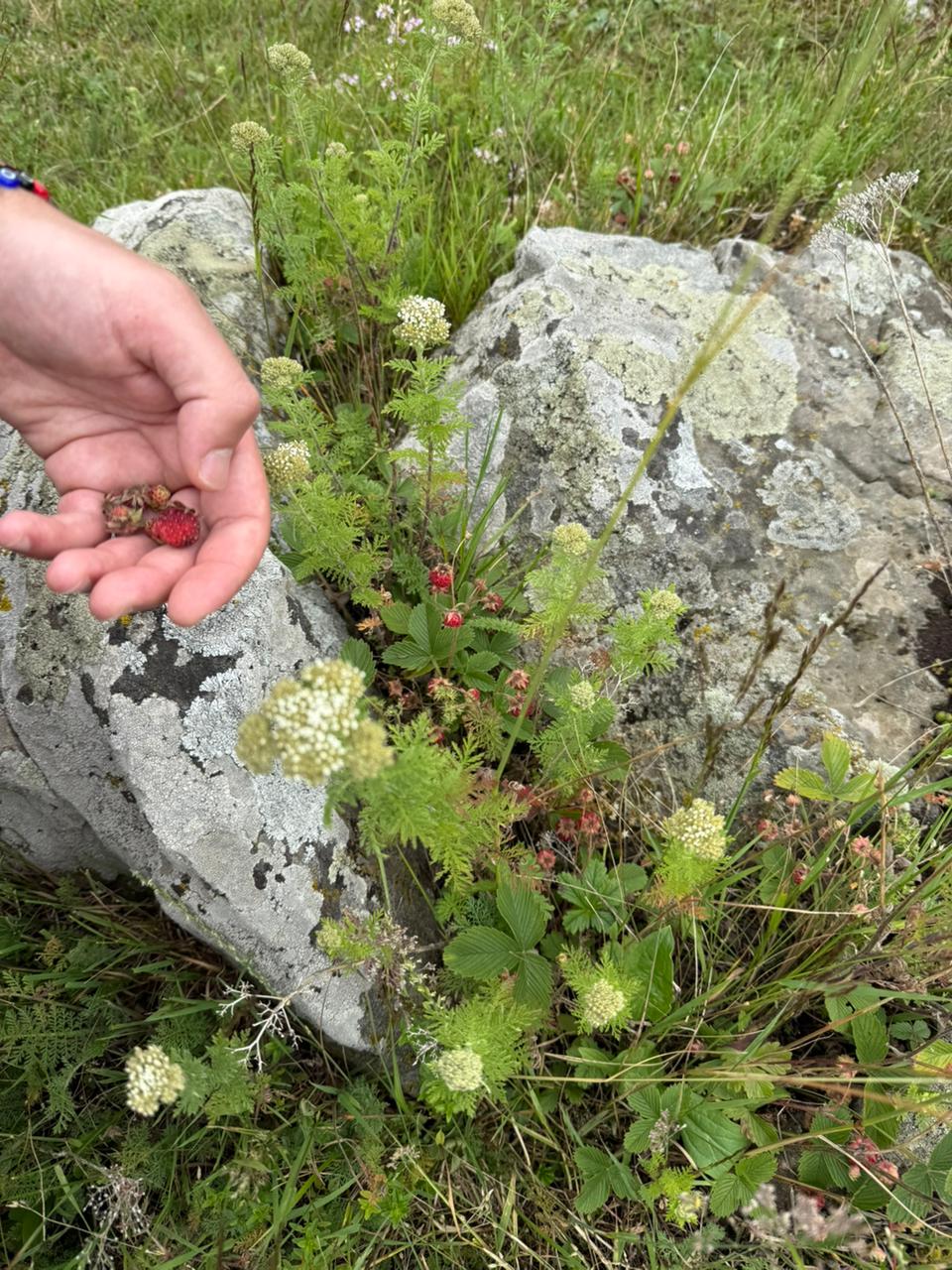
While walking around the lake, he even let us in on a little secret: tiny, strawberry-like fruits called getnamoris (fragaria vesca) scattered across the hillside.
“They’re sweet; you just have to look for them,” he said.
But once we spotted one, we saw them everywhere. We kept on walking, picking getnamoris, soaking in the view and exchanging stories.
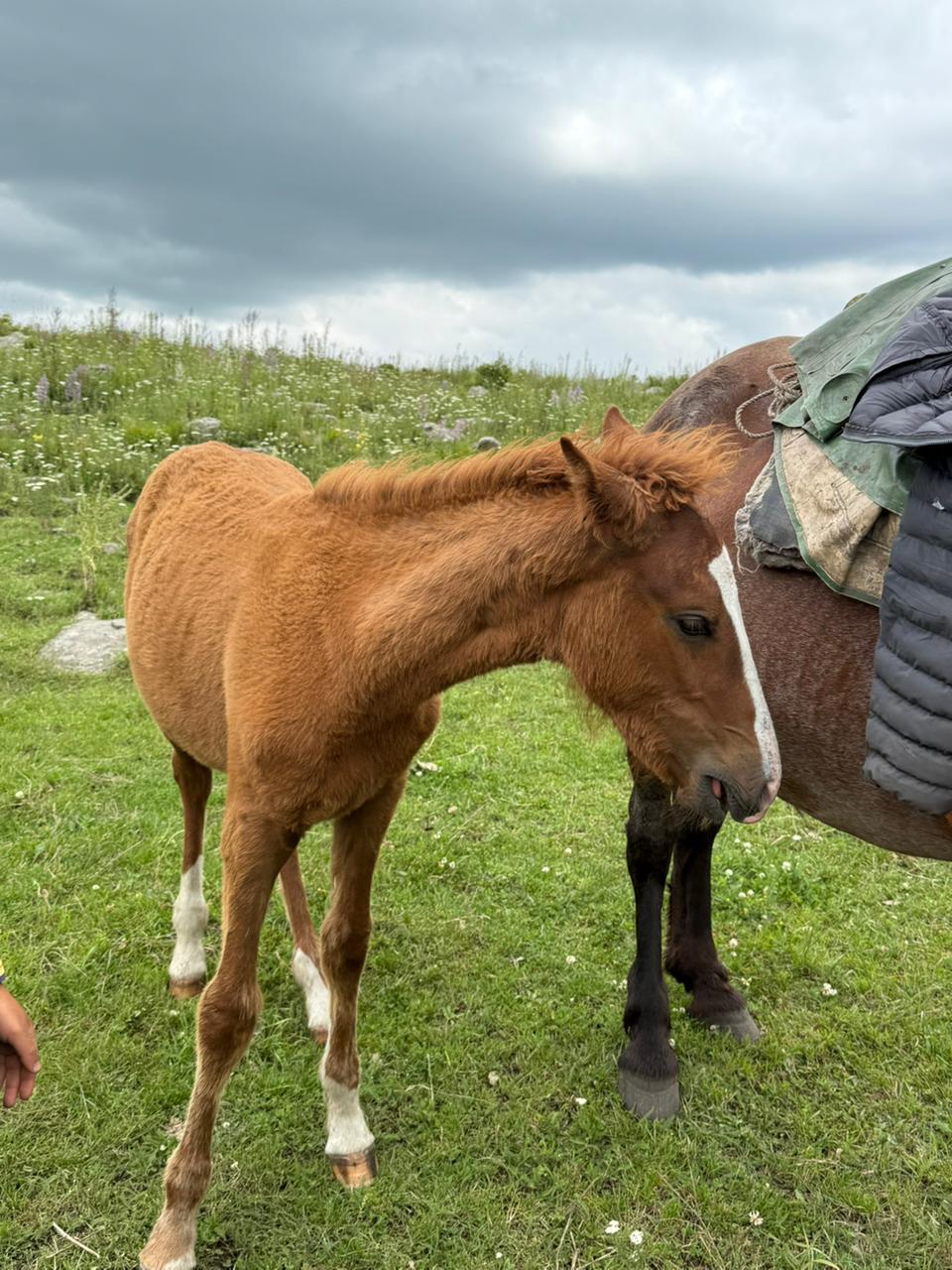
Later, a villager on horseback appeared with a younger horse walking ahead. Artiom waved.
“That’s my friend,” he grinned. “Those are his horses. Maybe your girlfriend wants to ride one?” he added, nudging my partner with a shy smile.
The man rode over and introduced himself before gently encouraging me to ride. I declined, politely but firmly. As someone already wary around animals, I was not eager to add horseback riding to today’s list of surprises.
“I don’t want money,” he said, clearly a little hurt. “Just take him for a spin.”
“Oh, no, it’s not about the money,” my partner jumped in. “She’s just a little tired.”
The man let it go, handing me a piece of candy instead, to feed the little horse. Frightened at first, I found the moment unexpectedly sweet.
He went on, proudly describing how well-trained his horses were, his plans to sell them and the fairness of his prices.
“A lot of people want this little one,” he said.
“My dad wants to buy it, too,” Artiom chimed in. “He’ll trade three sheep. I think it’s worth it. A horse is pretty useful around here.”
We spoke with him a little while longer—about life in the village, local politics and how people make ends meet—before saying goodbye. As the villager went on his way, we continued strolling around the lake.
“I have an idea!” Artiom said suddenly. “You have to see Katnaghbyur. It’s a holy spot, and it’s not far. I can take you!”
“We’re in,” I replied, “but only if your dad gives you permission.”
We returned to the village, this time with the kid riding in the car with us. He was polite, a little shy, but clearly thrilled to keep showing us around his world.
Pulling in, we spotted his father. After a brief conversation, we secured his permission for one more adventure.
As we re-entered the village, a woman approached, holding a bag of freshly picked strawberries from her garden.
“Buy these sweet local strawberries,” she smiled, “and have a blessed, safe journey.”
How could we say no? We took the fruit and hit the road but didn’t get far. Minutes later, we were stopped again—this time, by a group of children.
Eyes wide with hope, they offered bundles of wildflowers, mint and herbs they had gathered from nearby fields. We couldn’t refuse, and as we chatted, one child suddenly pointed to the back seat.
“Excuse me, is that a kid sitting back there?”
We rolled down the window to reveal our quiet companion.
“Artiom? What are you doing with them? He’s my cousin!” one of the kids shouted.
“He’s taking us to visit the holy site,” we explained.
They exchanged glances, then came the question we did not expect but could not resist: “Can we come, too?”
“Hop on in,” we said, shuffling around to make space for three more kids.
On the ride, introductions quickly turned into stories of village life, school and how they spend their summers collecting and selling herbs. The children, around 7 to 10 years old, were sharp, energetic and full of humility.
It was clear they were growing up grounded, close to nature, away from screens and full of real experiences. Some of them had not even been to the city.
“I want to come to Yerevan one day,” one of them said dreamily.
We replied, “You’re not missing much. Your village is far more beautiful and interesting than any city. We wish we lived here.”
Their faces lit up. “Then, move here! We’d come by every day. It’d be so much fun!”
It was such a sweet, sincere offer that it caught me off guard. My heart swelled and my eyes quietly filled with tears.
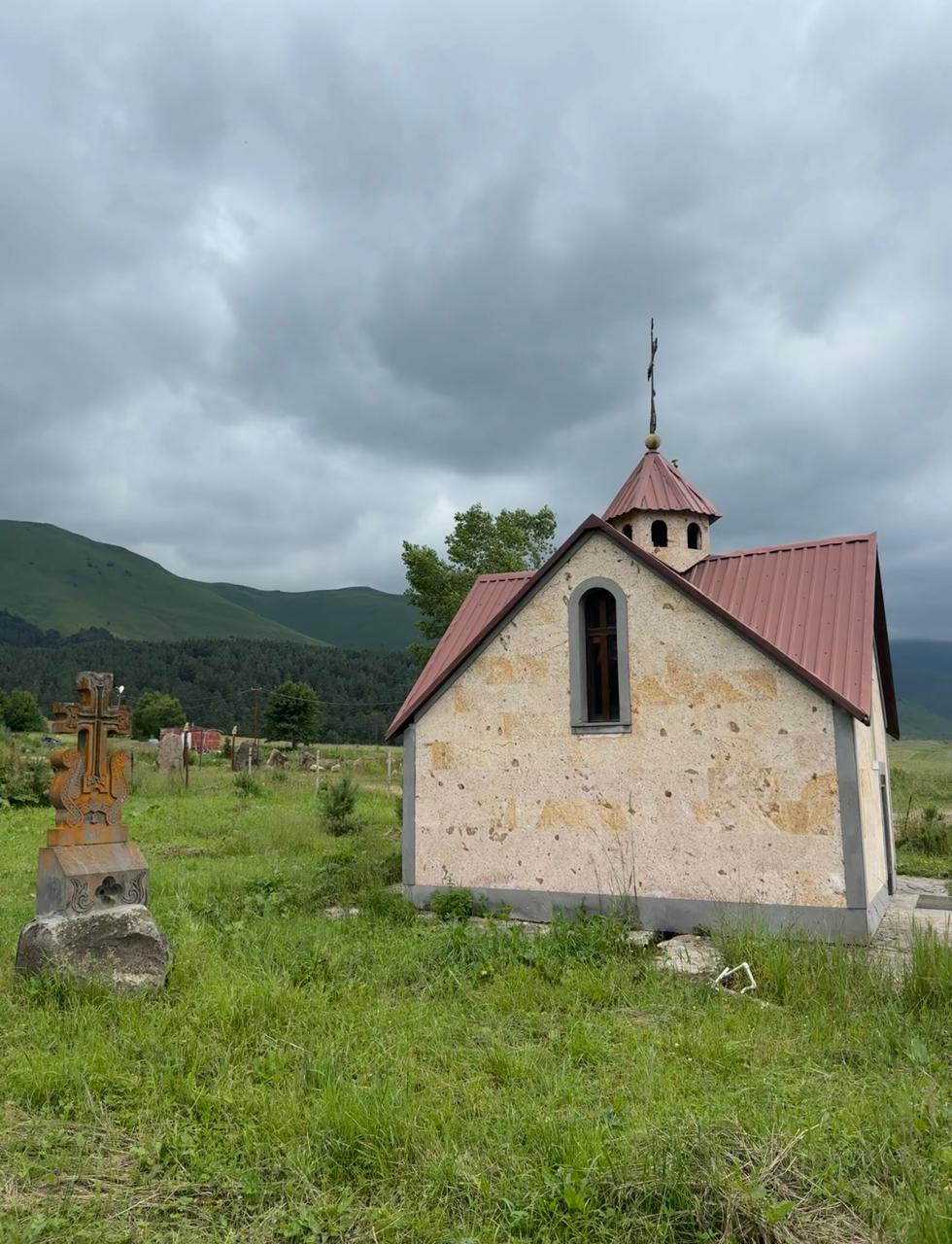
We finally arrived at Katnaghbyur, a small cathedral tucked away in a nearby village—another hidden gem we would have discovered, if it weren’t for Artiom.
We sipped the holy water, made wishes with tossed coins and slowly made our way back to the car.
Among the children, only one was a girl. With big, expressive eyes, she spoke less than the boys, but it was clear she was wise beyond her years.
“This was my first time here,” she said softly. “And I came with you guys.”
Moments like this linger. None of it was planned, yet it all came together perfectly: meeting Artiom, chatting with villagers, the spontaneous detours and stories. Everything unfolded naturally, as if it were meant to be.
Urasar became unforgettable—not just for the lake, but for the people and the moments that made it feel like something more.
By the time we returned to drop off the children, the village no longer felt unfamiliar; it already held meaning. We thanked them for their kindness, their stories and the memories we had made together. And we promised to return, making the farewell just a little easier.
This short trip became more than a scenic getaway. It reminded us of Armenia’s beauty and generosity, and showed the importance of stepping out of our bubbles to explore not just the famous landmarks, but the smaller, quieter places, too. So much sincerity, history and connection wait in those corners.


Especially now, when much of our lives revolve around screens and technology, we need moments to disconnect and return to nature—even briefly—to reconnect with what really matters: the land we come from, the people around us, the simplicity of just being. In doing so, we find meaning again and with clearer minds and full hearts, we can return to daily life with a little more balance.


Such a warm story. Wonderful people and nature.