


Loss of property, right of return, search for justice: Artsakh residents apply to the ECHR
In October 2024, a number of human rights defenders in Armenia founded the Artsakh International Legal Initiative, aimed at telling the story of Artsakh residents’ losses and violated rights through the language of international law. Since its establishment, the International and Comparative Law Center (ICLaw), in cooperation with partners, has carried out extensive legal work to protect the rights of persons forcibly displaced from Nagorno-Karabakh. The main objective has been to document and raise awareness, through the application of international legal instruments, of the violations faced by Artsakh residents as a result of the 2020 44-day war and the events of 2023.
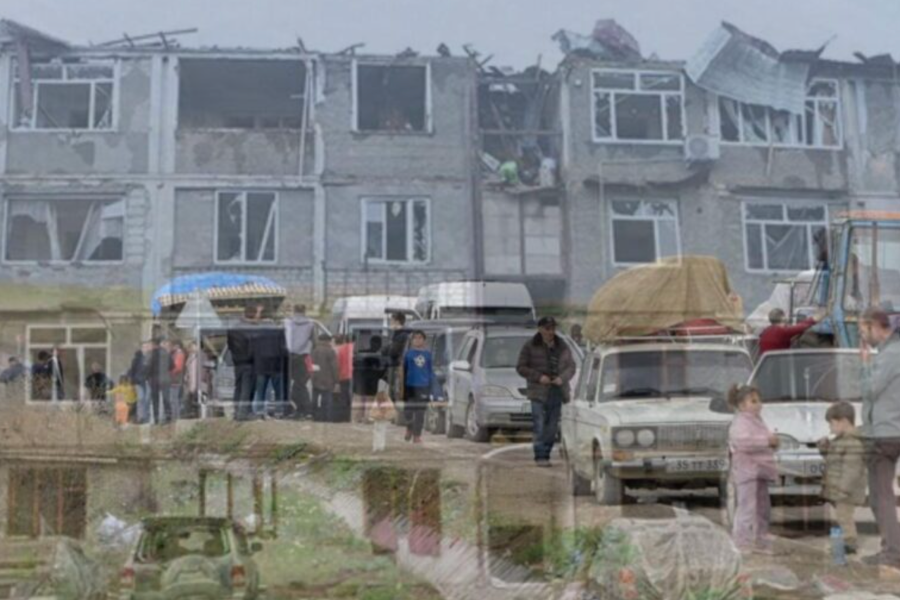
As a result of forced displacement, thousands of people have been deprived of the opportunity to exercise their fundamental rights. The right of Artsakh residents to live in their homeland has been violated, including the right to manage their property, which is enshrined in Article 1 of Protocol No. 1 of the European Convention on Human Rights. Immovable property, land plots and other possessions built or acquired by displaced Artsakh residents over the years have come under Azerbaijani control, effectively depriving them of the opportunity to manage and use them.
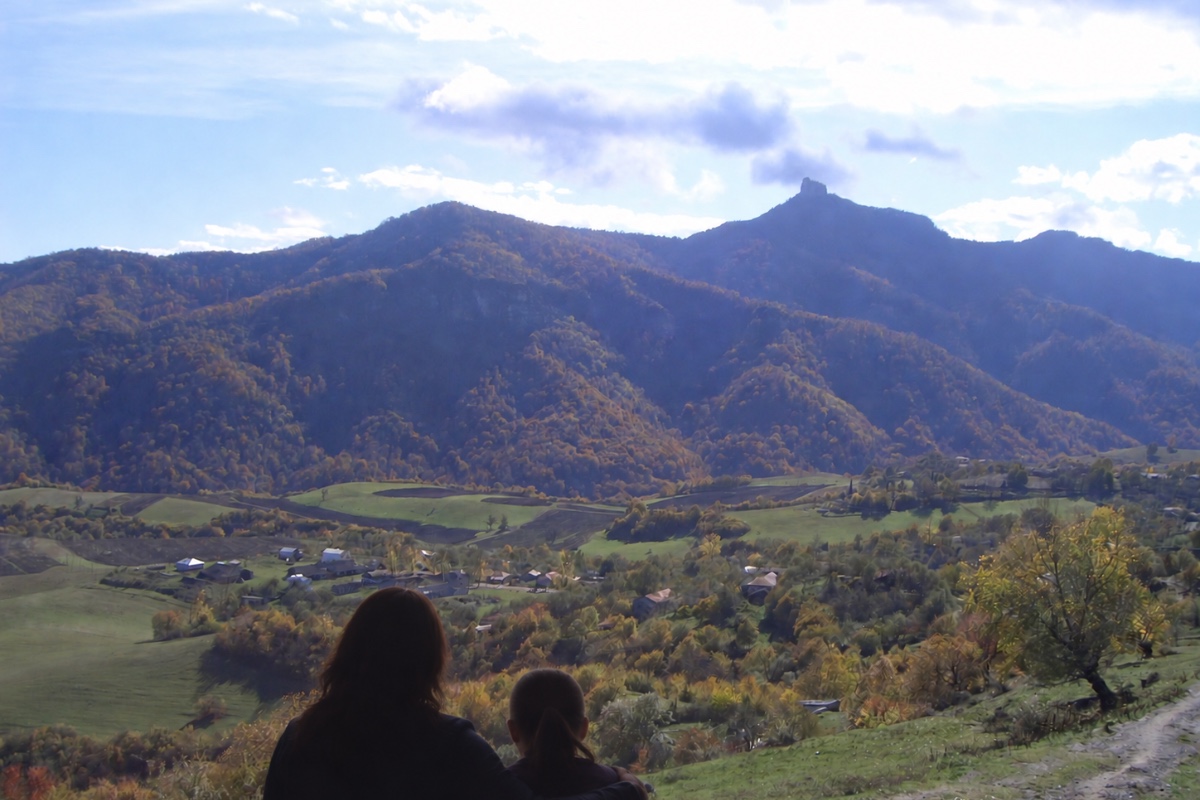
In this context, it is particularly important not only to protect individual rights but also to recognize the collective right of Artsakh residents to return and to create the possibility for its realization, since the issue concerns the right of an entire people to return to their historical homeland.
Currently, affected persons do not have effective domestic legal remedies because the violating party is Azerbaijan. Under these circumstances, the only effective legal avenue that remains is to use the mechanisms of the European Court of Human Rights (ECHR). The process of applying to the ECHR is viewed not only as a means of restoring individual justice but also as an important step toward raising and advancing, at the international level, the issue of the collective right of return.
Within the framework of the process, the initiative receives forcibly displaced Artsakh residents who submit documents confirming their place of residence in Artsakh, ownership of relevant property and other necessary documentation for the preparation of an individual complaint to the ECHR. Each complaint also includes personal accounts of property loss, the circumstances of displacement, as well as the severe and inhumane conditions created during the blockade of Artsakh. These stories form a comprehensive picture of collective displacement and the violation of the right of return.
Photographs of property and other media materials depicting the personal lives of affected persons prior to forced displacement are also often submitted as attachments to the complaints. The first complaints were filed with the court in late 2024, and the process gained wider coverage in 2025. As of April 2026, the interests of more than 1,000 people have been represented through more than 500 complaints.
The main expectation of the applicants is the restoration of justice through recognition of violations by the court, which could also serve as a basis for further legal proceedings, including the exercise of the right of return. In addition to preparing and submitting applications, the team remains in constant contact with staff of the European Court. Based on the court’s suggestions, technical changes have also been made to the application process to ensure a more efficient and timely examination of cases.
Cases with similar factual circumstances have previously been examined by the European Court of Human Rights, particularly those related to the conflicts in Cyprus and Nagorno-Karabakh. In those cases, the court found violations of property rights and other convention rights, thereby establishing important precedents for the present applications.
The initiative’s team continues its work with the aim of supporting all displaced persons who wish to apply to the ECHR for the recognition of their violated rights, while also contributing to the development and advancement of the international agenda concerning the collective right of return of the people of Artsakh.