



Speech therapy and neurodiversity in the Armenian community
An interview with Lusine Balian of Harmony Speech Therapy
While early childhood intervention is clinically proven to maximize neuroplasticity — the brain’s ability to adapt, grow and form new pathways — true progress requires a model that extends far beyond the clinic walls. In multicultural communities, navigating neurodivergence (a term describing natural variations in how the brain learns, processes and communicates) or a speech delay can often feel isolating, particularly when compounded by cultural stigmas, generational misunderstandings or the nuances of a multilingual household.
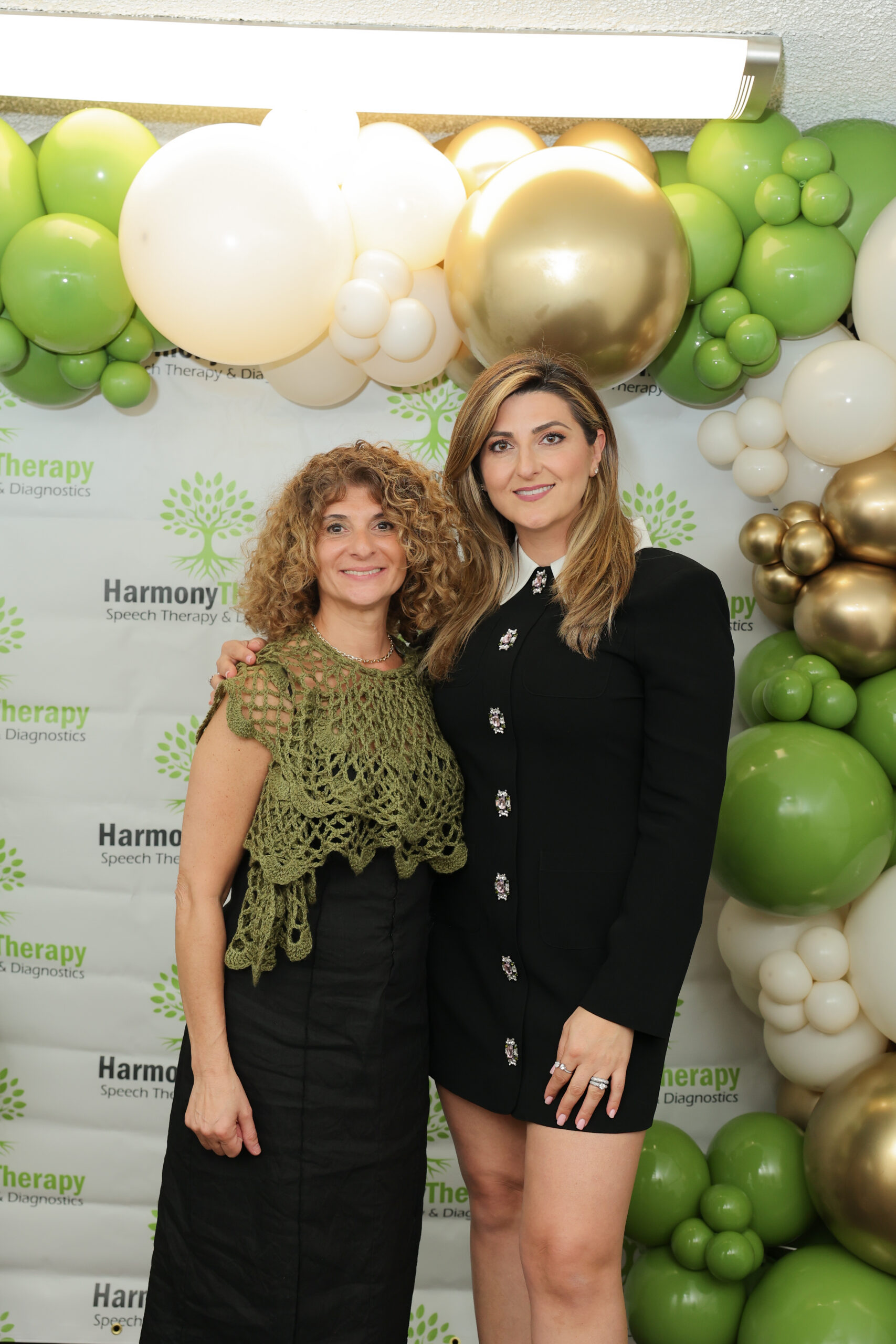
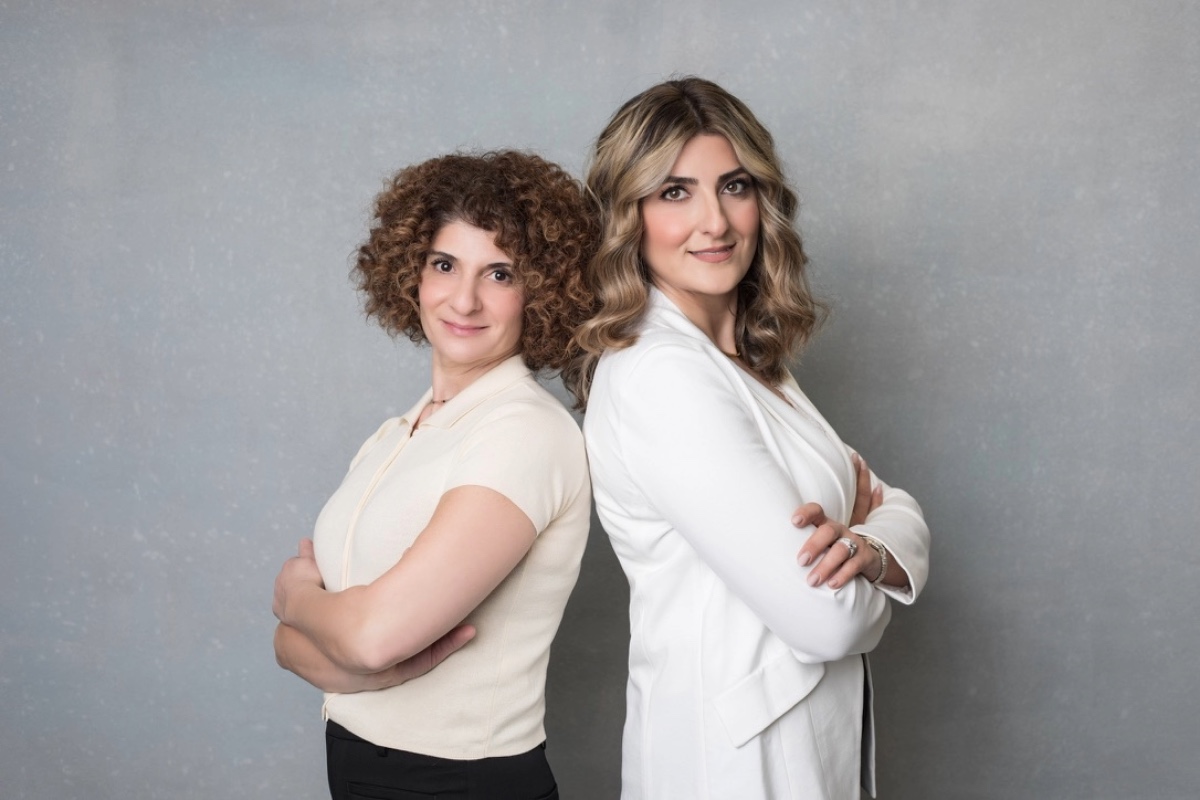
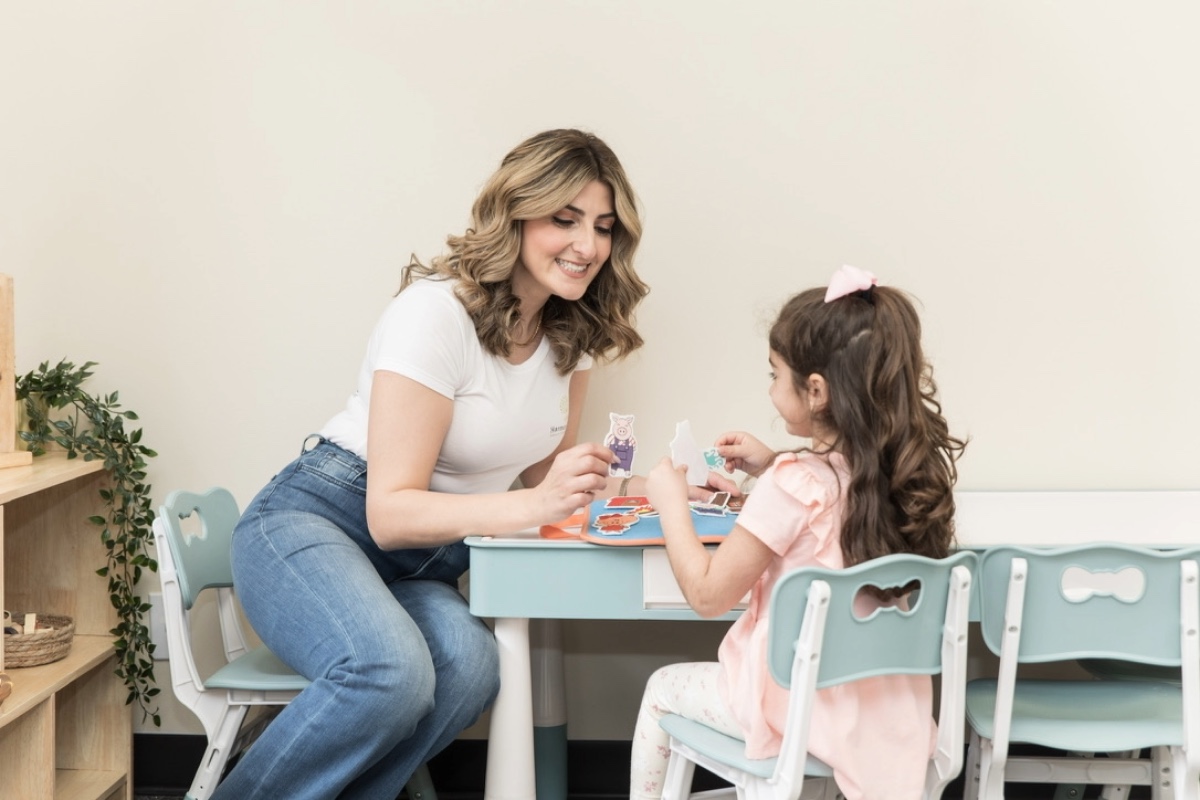
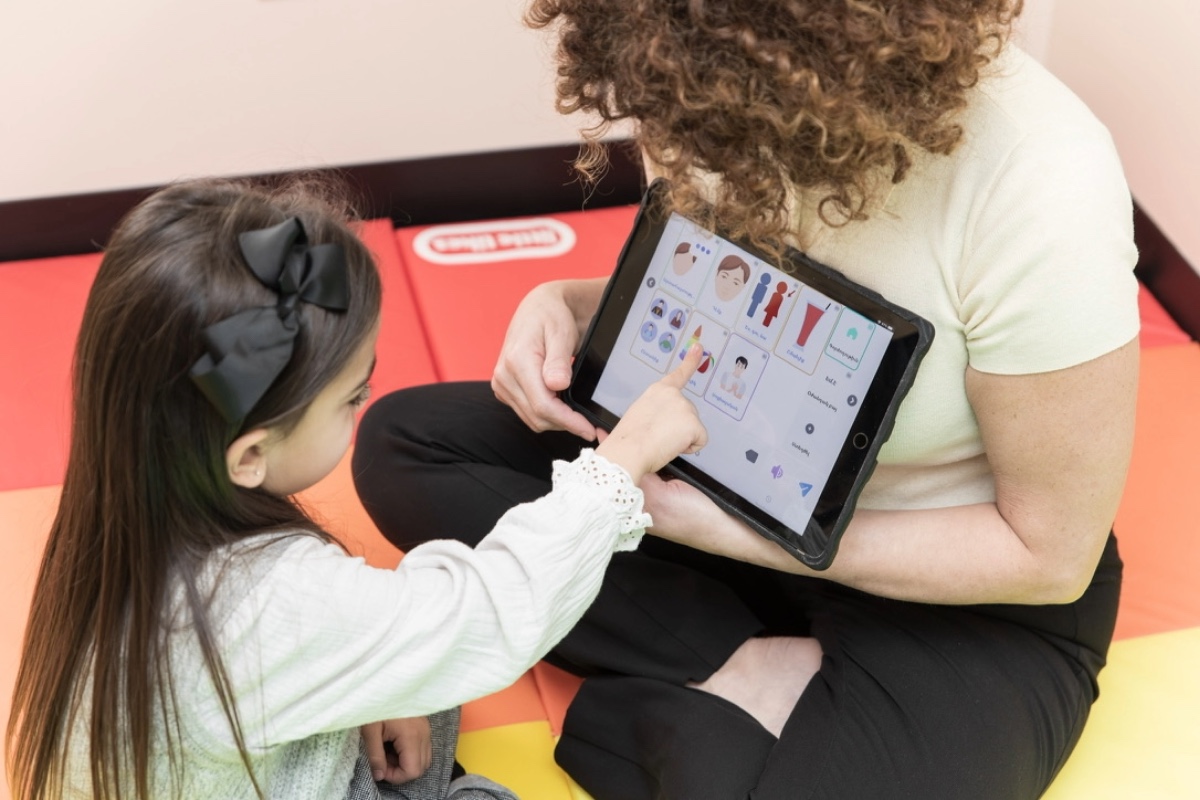
Lusine Balian, co-founder and CEO of Harmony Speech Therapy & Diagnostics in California, built her practice to dismantle these barriers by pairing clinical frameworks with a deeply empathetic, grassroots approach to family coaching. She uses methods such as dynamic assessment, an interactive evaluation that measures a child’s potential to learn rather than only what they already know, and augmentative and alternative communication (AAC), which incorporates tools such as picture boards or speech-generating devices. She strives to provide inclusive support for individuals throughout their lives.
In this interview, Balian, a licensed speech and language pathologist with more than 10 years of experience working with pediatric and geriatric populations in private practice, school and in-home settings, discusses the breakthroughs that fuel her passion, how she distinguishes natural bilingual language spurts from clinical disorders, and her vital advice for families moving past fear to embrace their child’s neurological differences.
Milena Baghdasaryan: What was the founding vision for Harmony Speech Therapy?
Lusine Balian: Our founding vision for Harmony Speech Therapy has always been rooted in inclusivity, collaboration and creating a space for individuals across the lifespan to access multidisciplinary services from qualified, experienced and dedicated clinicians.

Baghdasaryan: How do you feel the Armenian community’s perception of neurodiversity has evolved over the years? What role does Harmony Speech Therapy play in reducing the stigma around developmental delays?
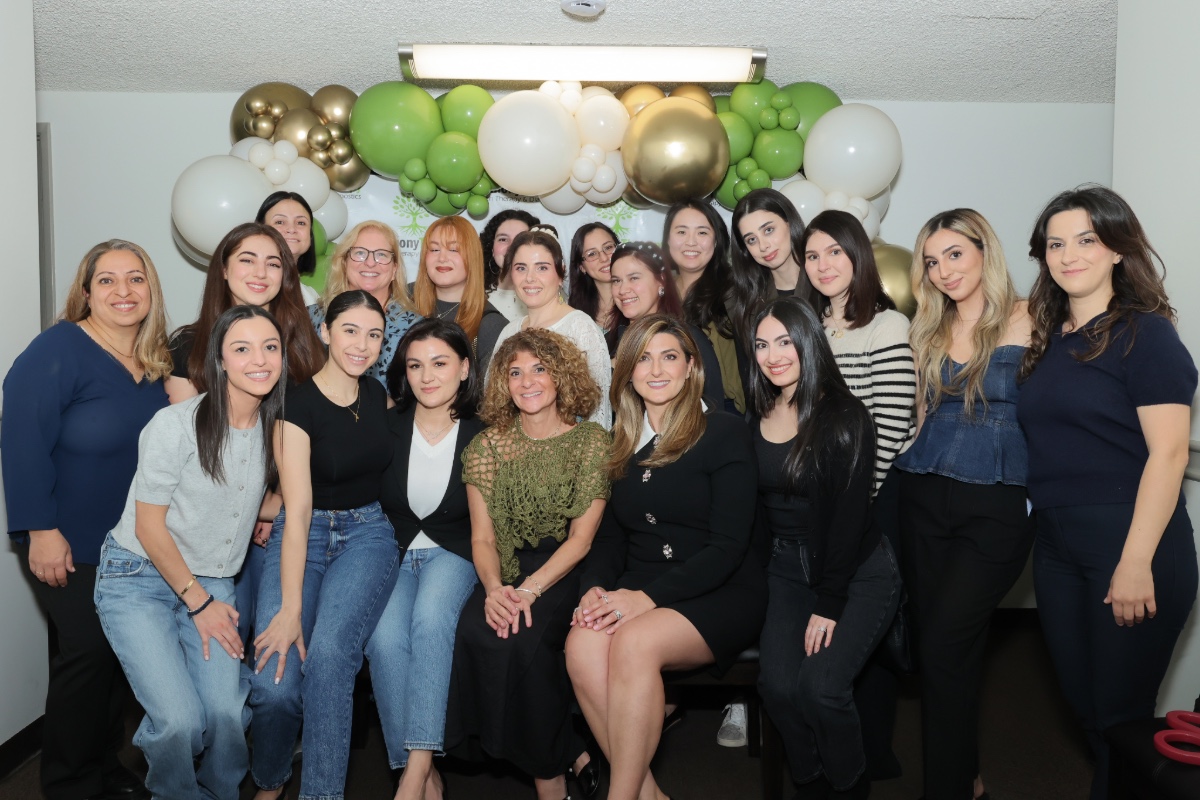
Balian: Although we have a long way to go in the Armenian community in regard to the perception of neurodiversity, I can confidently say that we are headed in the right direction. We are focused on a grassroots effort to root out stigmas and debunk myths surrounding access to services, diagnosis and treatment of neurodiverse individuals. We believe in taking the time to get to know each family we encounter, and bring in not only parents and caregivers but also extended family, to increase acceptance and understanding. Recently, we have increased our efforts to engage with our communities by attending forums, expos, speaking events and hosting parent coaching classes.
Baghdasaryan: Can you share a specific success story or a moment that defines why you do this work?
Balian: For me, one specific event truly brings me to tears. I had a little one whom I began working with when he was about 2 years old. We worked together for three years. He participated in one-on-one therapy with me, as well as group sessions throughout our time together. This little one was minimally verbal when we began working together, had a diagnosis of autism spectrum disorder [a neurodevelopmental condition that can affect communication and social interaction], behavioral challenges, and sensory differences [how the brain processes sights, sounds and textures uniquely or more intensely]. At about 5 years old, he started school, and our therapy sessions stopped. A few years later, his speech continued to improve, and his behaviors became more manageable. His mom texted me one day with a video of the little boy sending a message to me, and he said, “Hi, Ms. Lucy, I miss you!” This was so emotional for me, as I never knew if he fully knew me, understood or accepted the work we were doing, or even if he was really learning. I realized, and his mom also reported, that he remembered specific details about the toys we used, my car, when and where we had our therapy sessions and asked for me by name. This truly shocked me, and I realized at that moment that we must fight for every single child, even those we don’t think are progressing how we would want them to. I realized that the impact of our work is deep, meaningful and necessary. This experience reignited my passion for our field.
Baghdasaryan: Why is early communication intervention between birth and age three so crucial for children showing early signs of autism spectrum disorder?
Balian: The first three years are when the brain grows the fastest. Early intervention works best during this time because we can shape how the brain develops. The earlier we start, the easier it is for children to learn skills and catch up. During this period, children have peak neuroplasticity. Greater treatment responsiveness and intervention can have significant effects on improved functional and academic outcomes.
“We must fight for every single child, even those we don’t think are progressing how we would want them to.”
Baghdasaryan: For parents who may be unsure, what are the primary or subtle signs of speech and social communication needs that you look for during an initial screening?
Balian: We look at how the child plays, how they ask for help, how they engage in shared attention with the caregiver, and if there are any sensory differences the child exhibits. We look at how much verbal language the child has, but more importantly, we want to see how the child understands language. We are really looking for language understanding to be at least equal or more than expressive language skills.
Baghdasaryan: Many of your clients come from multilingual households. How do you distinguish between a natural “language spurt” delay in bilingual children versus a clinical speech-language disorder?
Balian: Typically, children who have delayed speech due to learning more than one language will exhibit typical receptive language skills, no challenges with play or engagement, and will respond quickly to therapeutic intervention compared to a child who has a language delay or disorder.
Baghdasaryan: Speech anxiety can be a significant barrier for both neurodivergent and neurotypical individuals. What are some of the common root causes of communication-related anxiety you see in your practice?
Balian: A common root is fear of judgment or making mistakes, which can lead to avoidance and reduced confidence. Another key factor is an underlying communication difficulty. When speech or language feels effortful, it increases stress in speaking situations. I also see a strong impact from past negative experiences, like being misunderstood or corrected frequently, which can create a lasting association between speaking and stress. For neurodivergent individuals, social communication differences or processing challenges can further increase anxiety, especially in fast-paced interactions. Finally, there’s often a cycle at play — anxiety leads to avoidance, and less practice reinforces both the anxiety and the communication difficulty.
Baghdasaryan: For a child or adolescent who feels “shut down” by the fear of speaking or making a mistake, what are some immediate techniques Harmony Speech Therapy uses to build confidence and create a “safe space” for verbal expression?
“Being misunderstood or corrected frequently can create a lasting association between speaking and stress.”
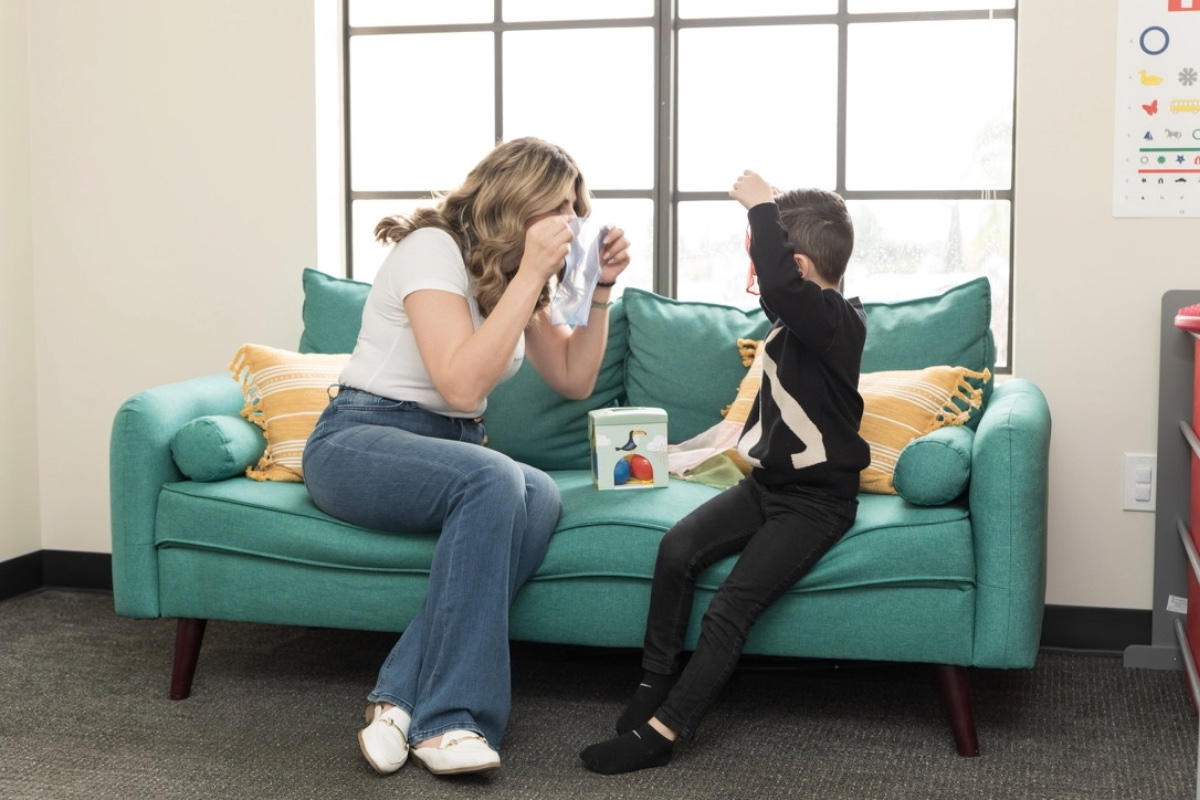
Balian: Our number one goal during therapy sessions is to establish rapport and trust with our clients. Once this is achieved, we focus on scaffolding cues [guided prompts] to make sure that the client is successful in every session. This builds confidence and increased engagement leads to confident communication.
Baghdasaryan: No two children on the autism spectrum are the same. How does Harmony Speech Therapy customize its therapeutic approach to meet the unique sensory and communicative needs of each child?
Balian: We really take the time to interview and establish a relationship with caregivers. This gives us great insight into the child’s strengths, weaknesses and areas of need. We also base all goals and treatment modalities on standardized testing and dynamic assessment. Sometimes we must focus on sensory needs and regulation before we can target speech goals.
Baghdasaryan: You emphasize a holistic approach. How do you involve parents and caregivers in the therapy process to ensure progress continues outside of the clinic?
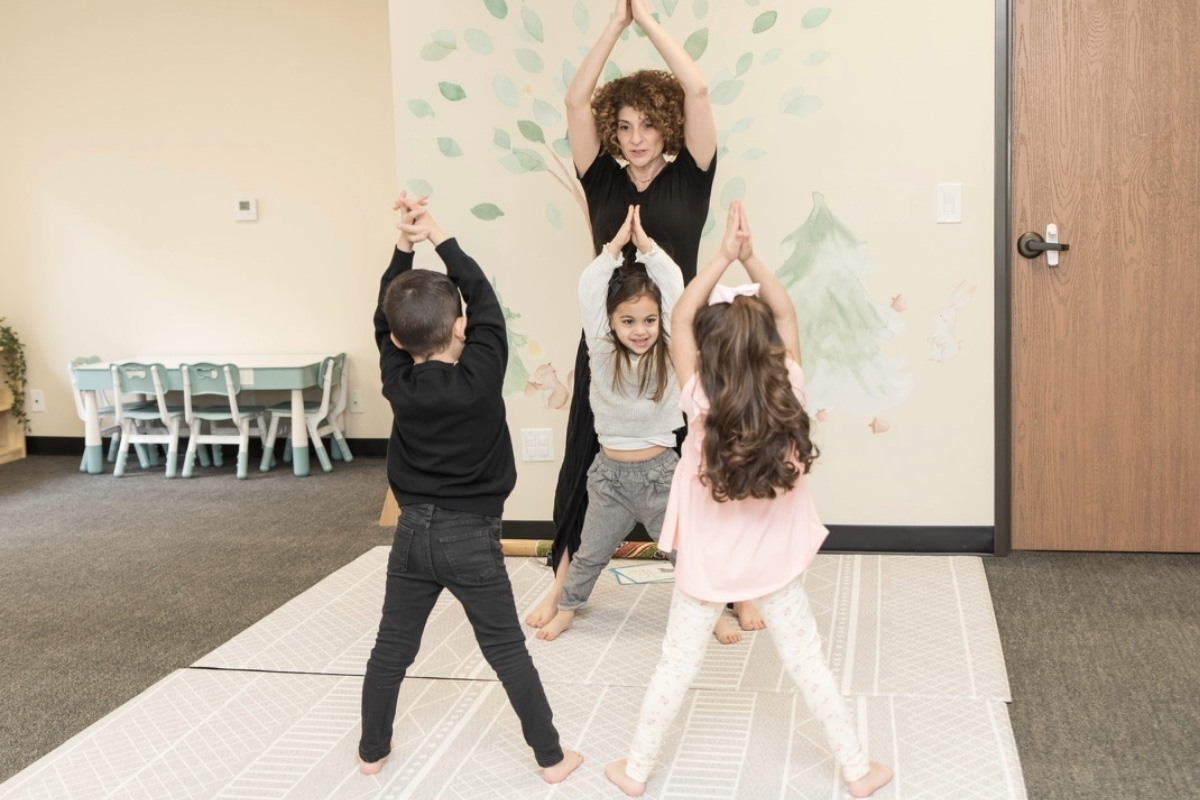
Balian: We believe parents are a critical part of the therapy team. We empower parents to take charge of their child’s therapeutic process. We encourage parents to stay during therapy sessions, watch and implement family and home goals daily. We believe that, in addition to direct therapy, parent coaching is also necessary for true and lasting progress.
Baghdasaryan: Speech therapy for children with autism often involves social pragmatics and non-verbal communication. How do you integrate these “life skills” into your sessions?
Balian: It depends on the child’s age and specific goals. Initially, therapy can focus on functional language development, vocabulary expansion and receptive language skills. As the child gets older, it may be important to engage the child in social skills groups and a push-in model for therapy. If the child is nonverbal or minimally speaking, it may be important to introduce an AAC device to the child to give them the best chance at having a means to communicate, if they can.
Baghdasaryan: As you continue to grow, what are your primary goals for Harmony Speech Therapy in the coming years? Are there specific community initiatives or programs you are excited to launch?
Balian: Our goals continue to be to provide the highest quality care for all our patients. We want to grow our team to include occupational and physical therapists as part of our efforts to become a more multidisciplinary clinic. Currently, we offer speech therapy and child development services, camps and group programs, as well as other related services. In the coming years, we want to focus more on parent coaching, parenting classes, community outreach and engaging in more continuing education courses and seminars here in the U.S. and abroad, especially in Armenia.
Baghdasaryan: If there is one thing you want a parent to know who has just received an autism diagnosis for their child, what would it be?
Balian: Yes, embrace and accept your child for who they are. Autism is a neurological condition, a different brain. The more you can understand your child, the more you can help them navigate a loud, confusing and overstimulating world to function to the best of their ability.