


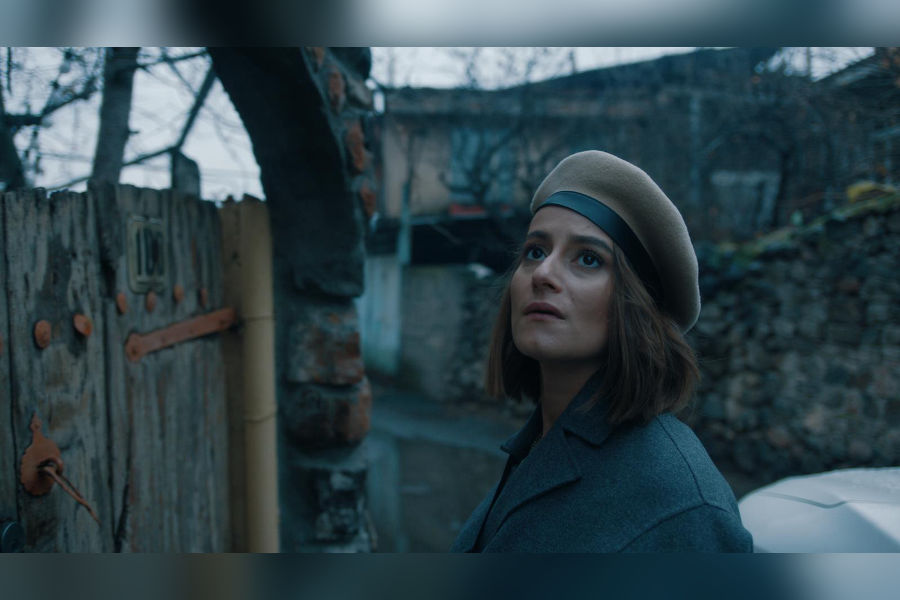
“All I Need,” a short film rooted in Armenian ancestral memory, has faced repeated censorship efforts at international festivals — pressure its creators say is tied to coordinated diplomatic intervention by Azerbaijan.
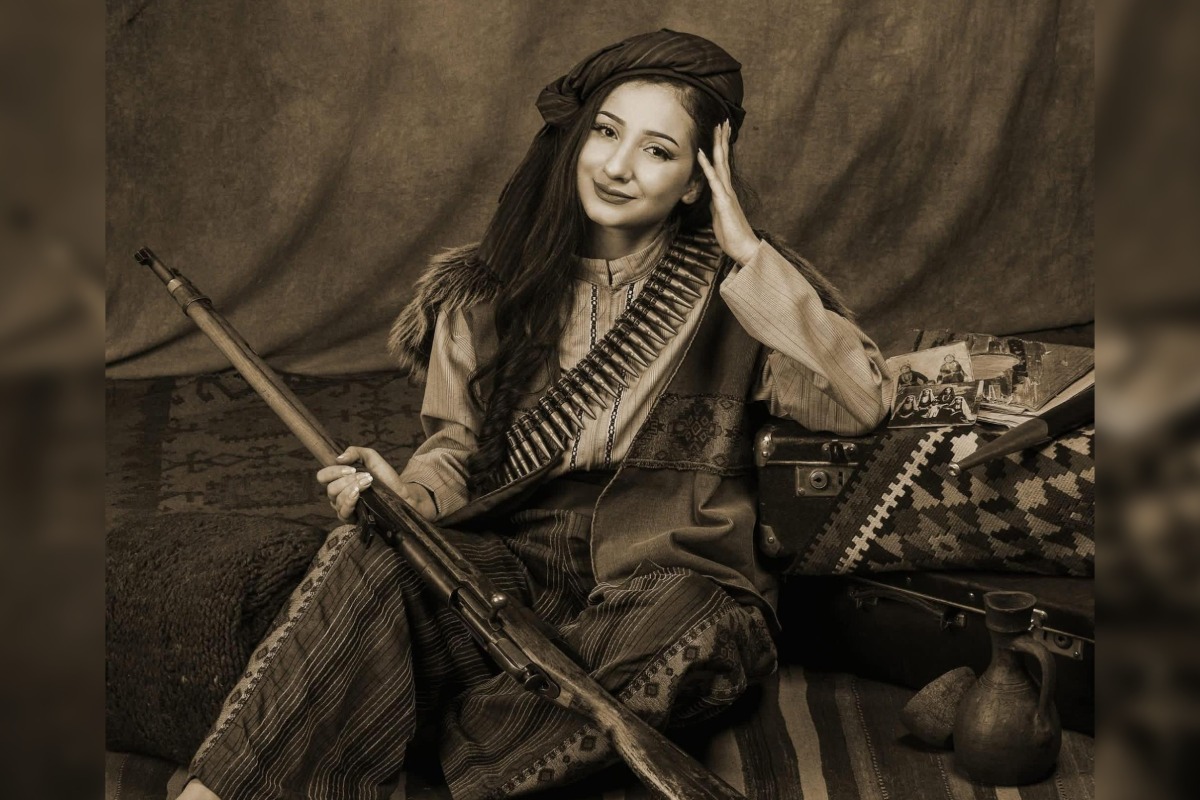
The 11-minute film was created by three sisters — Katia Spivakova Saakiants, Anna Kova and Tatiana — who grew up in Europe but have long felt a profound pull toward their Armenian heritage. Drawing from family archives, they tell the true story of their great-great-grandfather from Shushi, using one family’s experience to illuminate the broader trauma endured by Armenians from Artsakh.
Katia directed the film and co-wrote the script with Tatiana, who also performs every role, while Anna composed the original soundtrack. The film was executive produced by Kristina Khatchaturyan, who has worked closely with the sisters in bringing the project to international audiences.
“The goal of our film is to convey our love for Armenia, to honor our ancestors’ memories and to highlight the sorrow for its fate to those unfamiliar with its recurring tragic history,” Khatchaturyan told the Weekly.
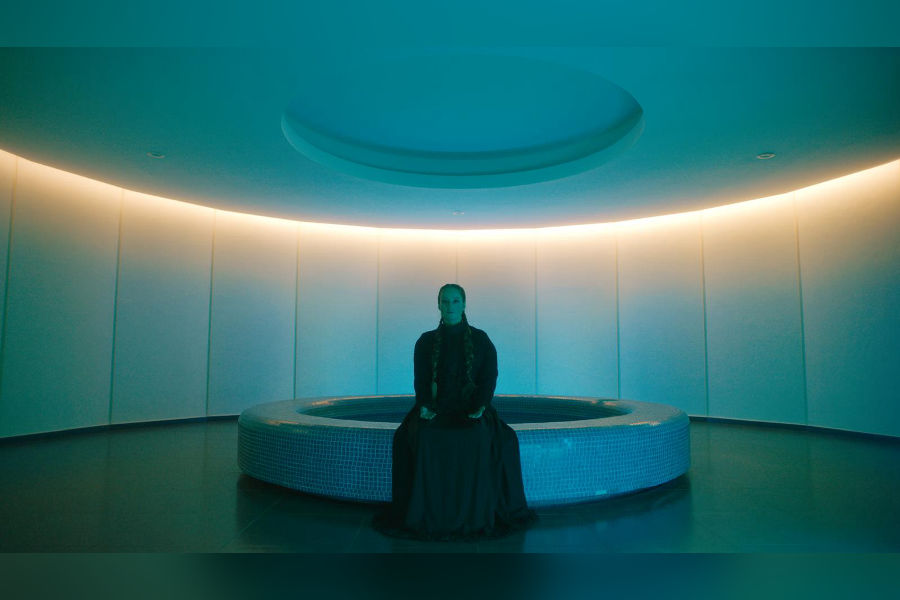
The team completed the film in December 2023 and began submitting it to festivals worldwide. Soon after, they encountered unexplained withdrawals — experiences they say mirror a public confrontation that unfolded in Morocco months earlier.
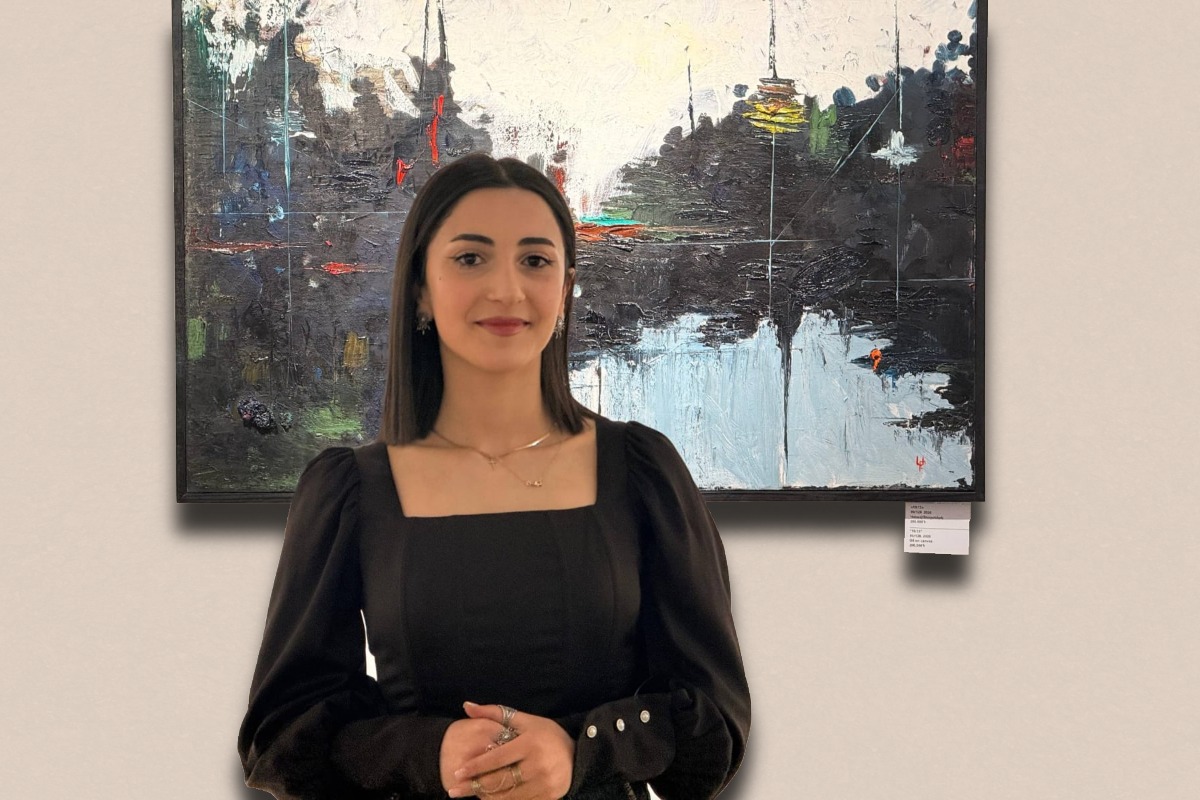
In September 2024, the Amazigh Issni N’Ourgh International Film Festival in Agadir abruptly canceled the film’s scheduled screening after the Azerbaijani Embassy intervened with Moroccan authorities and festival organizers. Azerbaijani media celebrated the cancelation, calling the film an “Armenian provocation” for using the name Artsakh rather than Karabakh, and for referencing the Armenian Genocide.
Azernews, a state-aligned outlet, described the cancellation as a “thwarted Armenian provocation” and reported that the embassy had “coordinated with Moroccan authorities and festival organizers” to block the screening.
The sisters say that similar objections are now surfacing in other countries. Some festivals have cited “external pressures,” while others have quietly withdrawn the film from consideration.

In these challenging times, the film is an important reminder of the ongoing struggles and the need for peace and understanding. “The effort to silence such stories is a form of injustice,” they explained.
Khatchaturyan argues that the pattern reflects a broader campaign to prevent narratives about Artsakh from reaching global audiences.
“Azerbaijan, a country that has occupied Artsakh and refuses to stop, has been pressuring festival organizers to prevent our film from being shown and to ensure the truth remains hidden,” she said. “They get annoyed when we mention the name Artsakh because, for them, Artsakh doesn’t exist.”
Despite the setbacks, the filmmakers remain committed to ensuring that “All I Need” reaches viewers.
“We want the world to know about this injustice because they spread false accusations through various articles,” Khatchaturyan said. “Stories like ours must be told — especially when there are efforts to erase them.”


That Armenian documentaries or films are censored or pulled out from film festivals, due to Azerbaijan’s pressure, for “portraying Azerbaijan negatively”(!), is outrageous and shameful, but not surprising.
This happened before in Jordan last year, when a Jordanian documentary about Artsakh called “My Sweet Land”, was pulled out by the Jordanian Royal Film Commission from its submission to the 2025 Oscars “due to diplomatic pressure”.
Azerbaijan may very likely have employed its “Caviar Diplomacy” lobbying strategy with the countries involved.
This “Caviar Diplomacy” of Azerbaijan consists of expensive invitations and gifts to foreign politicians, key people of international organizations, CEOs of foreign companies and foreign businessmen with ties to their countries’ leadership, at Azerbaijani expense. In other words: state-sponsored bribery by Azerbaijan, in return for political, strategic and economic gains for Azerbaijan by these foreign interests.
The Azerbaijani regime has employed this lobbying strategy throughout the world, especially in Europe, in the United States, in the Arab World and in the wider Muslim World, and always at the expense of Armenia’s interests, which is one of Azerbaijan’s main aims, and often with successful results.
Foreign policy and economic interests, have always been guided by Machiavellianism, long before this term existed, while many countries’ today, especially the Western countries, shamelessly and hypocritically pretend to uphold and claim to be guided by democracy, human rights and justice. In this unjust world, it is the rich and powerful who hold the sway and call the shots.
That is why, even documetaries and films about Artsakh or the Armenian Genocide, are affected by Azerbaijan’s “Caviar Diplomacy”.
When the dictatorship of this terrorist Azerbaijani cesspool gets involved in such matters, rest-assured they are alarmed and do not want the public to see them for who they actually are. They prefer to portray themselves to the world in positive light using bribery and blackmail instead. Bribery is a national pastime for these unscrupulous scoundrels. This is nothing new and should not come as a surprise. What is alarming, but not surprising, is the hypocrisy of the decision makers involved to bend to the will of this terrorist dictatorship.