Bridging the generational gap: Preserving Armenian culture in a digital age
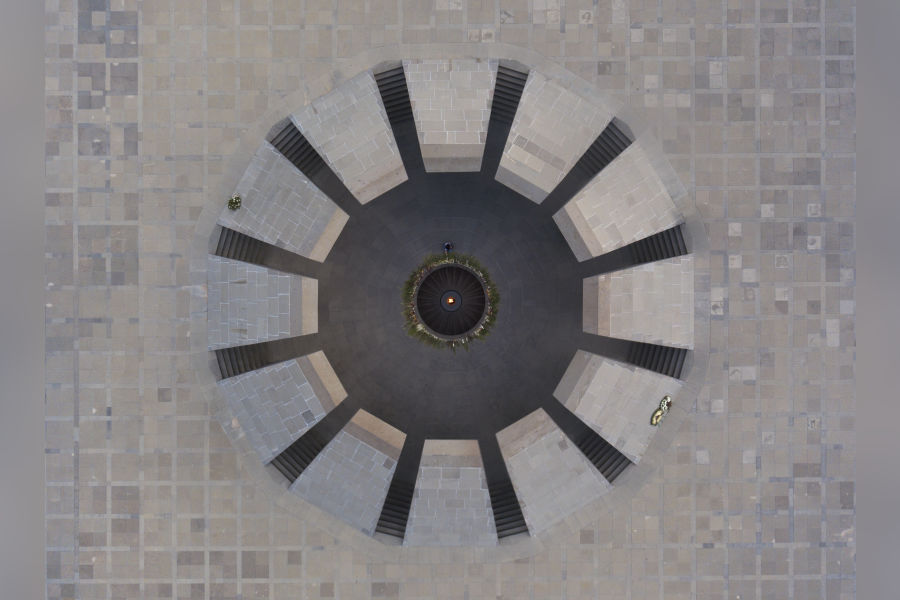
Armenian culture has always been a story of resilience. Across centuries, despite displacement and loss, our traditions, language and shared identity have endured through the stories we tell and the practices we pass down. For me, these stories came from family members, such as my great-grandparents, who recounted the genocide, the villages they were forced to leave, the lives lost and the sheer will it took to survive and rebuild.
These accounts weren’t just history lessons; they were warnings about the fragility of our identity and the importance of preserving it. Today, Armenia faces existential threats once again. The deliberate destruction of Armenian churches, cultural landmarks and cemeteries by Azerbaijan in Artsakh (Nagorno-Karabakh) is an attack on our heritage. It is a painful reminder that the erasure of a people often begins with the erasure of their culture. These losses underscore the urgency of safeguarding our history and traditions in ways that cannot be destroyed.
Technology offers tools to do this. Digital platforms allow us to share Armenian culture in ways that transcend borders and generations. By embracing these tools, we can ensure that our identity remains vibrant and accessible, even in the face of adversity.
Digital archives are among the most powerful means of preservation. Institutions like the Armenian Genocide Museum-Institute have begun digitizing survivor testimonies, documents and artifacts, making them available to anyone with an internet connection. These efforts are invaluable, but they are only the beginning. Each Armenian family has its own stories, photographs and heirlooms that contribute to the larger narrative of who we are.
Imagine a global platform where families could upload their own histories: videos of elders recounting life in villages lost to the genocide, photographs of cherished heirlooms or recordings of traditional songs. These personal contributions would form a collective digital archive, a living testament to Armenian resilience and culture. By preserving our stories in this way, we ensure they are not only saved but shared with future generations who might otherwise feel disconnected from their heritage.

For younger Armenians, or those who grow up isolated, technology also offers a way to reconnect with their roots. Social media platforms like Instagram and TikTok have become hubs for sharing Armenian culture, from cooking demonstrations to lessons in the Armenian alphabet. These efforts are inspiring, but they are only the start.
Initiatives like Armenian Virtual College and HyeConnect project are already experimenting with digital learning and heritage preservation, proving that technology can sustain both language and identity. Yet, there is still room for a broader, collective effort — one that bridges family archives with national ones, connecting stories across continents and generations.
We can go further by creating dedicated digital tools for teaching and celebrating Armenian culture. Mobile apps could gamify learning the Armenian language, while virtual museums could let users explore historic sites like Ani or the monasteries of Artsakh from anywhere in the world. Emerging technologies like virtual reality (VR) could recreate immersive experiences of these places, even those that have been destroyed or are inaccessible. VR can offer not just a visual representation but also an emotional connection, allowing Armenians everywhere to experience spaces that might otherwise be lost to history.
Augmented reality (AR) could overlay historical details onto physical spaces, offering a dynamic way to engage with Armenian culture in real time. Imagine standing at the ruins of a church and using a smartphone to see how it once looked, complete with narrated stories of its significance. AR could also be used in museums or cultural events, allowing visitors to interact more deeply with exhibits, scan artifacts for added context or explore 3D models of khachkars to understand their intricate carvings.
By blending digital information with the physical world, these technologies create a bridge between past and present, fostering a deeper appreciation and understanding of Armenian heritage.
What makes these efforts particularly powerful is their ability to bridge the generational gap. Older generations carry the memories and traditions that form the foundation of our identity. The new generations of Armenians, equipped with technical skills and creativity, have the tools to amplify those stories and share them widely. Together, we can ensure that Armenian culture thrives in the digital age.
Preservation is not just about holding onto the past; it is about building a future. As Armenians, we have continuously adapted to challenges, finding innovative ways to keep our culture alive. Today, as threats to our heritage persist, we have an opportunity to respond with creativity and determination. Through digital preservation, we can honor the resilience of our ancestors and ensure that their stories — like those my grandparents shared with me — are never forgotten.
By safeguarding these stories digitally, we not only preserve our ancestors’ voices but also ensure that future generations inherit a living connection to their heritage, just as I was fortunate to have. In doing so, we affirm that Armenian culture is not a relic of the past, but a force that continues to adapt, inspire and endure, no matter the challenges we face.