



The museum and the mass grave: How colonial powers curate our pain
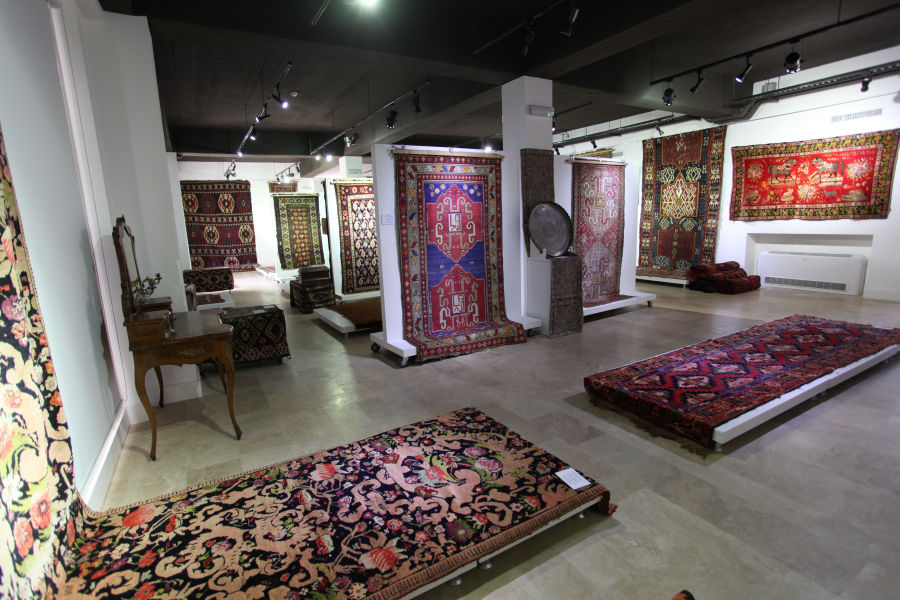
When a museum displays your ancestors’ relics behind glass, that glass is never neutral. It is a barrier erected by power — a line dividing the living from the dead, the colonizer from the colonized, the one who tells history from the one who is trapped inside it. The museum is often described as a sanctuary of culture, but for many nations that have suffered genocide or colonization, it functions more like a mausoleum of dispossession. Colonial powers have long used museums to collect, display and contain the suffering of subjugated peoples, transforming trauma into spectacle and erasure into curation. Armenia, like so many small nations whose history was stolen, remains entangled in this architecture of memory.
The museum as a theater of power
Museums do not simply preserve history; they produce it. Their architecture, display hierarchies and textual framing establish what counts as civilization and what is reduced to artifact. As scholar Tony Bennett argues, the modern museum emerged not as a space of education but as an extension of empire — a stage where the colonizer’s victory could be eternalized in marble and glass. Ethnographic museums across Europe were filled not through cultural exchange but through conquest. According to the International Council of Museums, a significant portion of these collections was obtained through “pillage, coercion or violence,” often following massacres and forced removals.
Even when institutions now attempt “decolonization,” the transformation is largely symbolic. Curators may change labels or add context, but the ownership and interpretive authority remain with those who benefited from colonial plunder. The museum thus continues to function as a space of containment: the colonized culture can be admired, even mourned, but never truly restored.
Armenian artifacts and the politics of absence

Few nations embody this paradox more than Armenia. Across Europe and North America, Armenian artifacts — cross-stones, manuscripts, carpets, jewelry — are displayed as fragments of a vanished world. These objects are celebrated for their beauty but stripped of their histories of loss. A khachkar removed from a destroyed church in Van or Moush is no longer a living memorial but a decorative relic. A rug woven in Shushi becomes an “oriental textile,” detached from the hands that made it and the streets that once carried its colors.

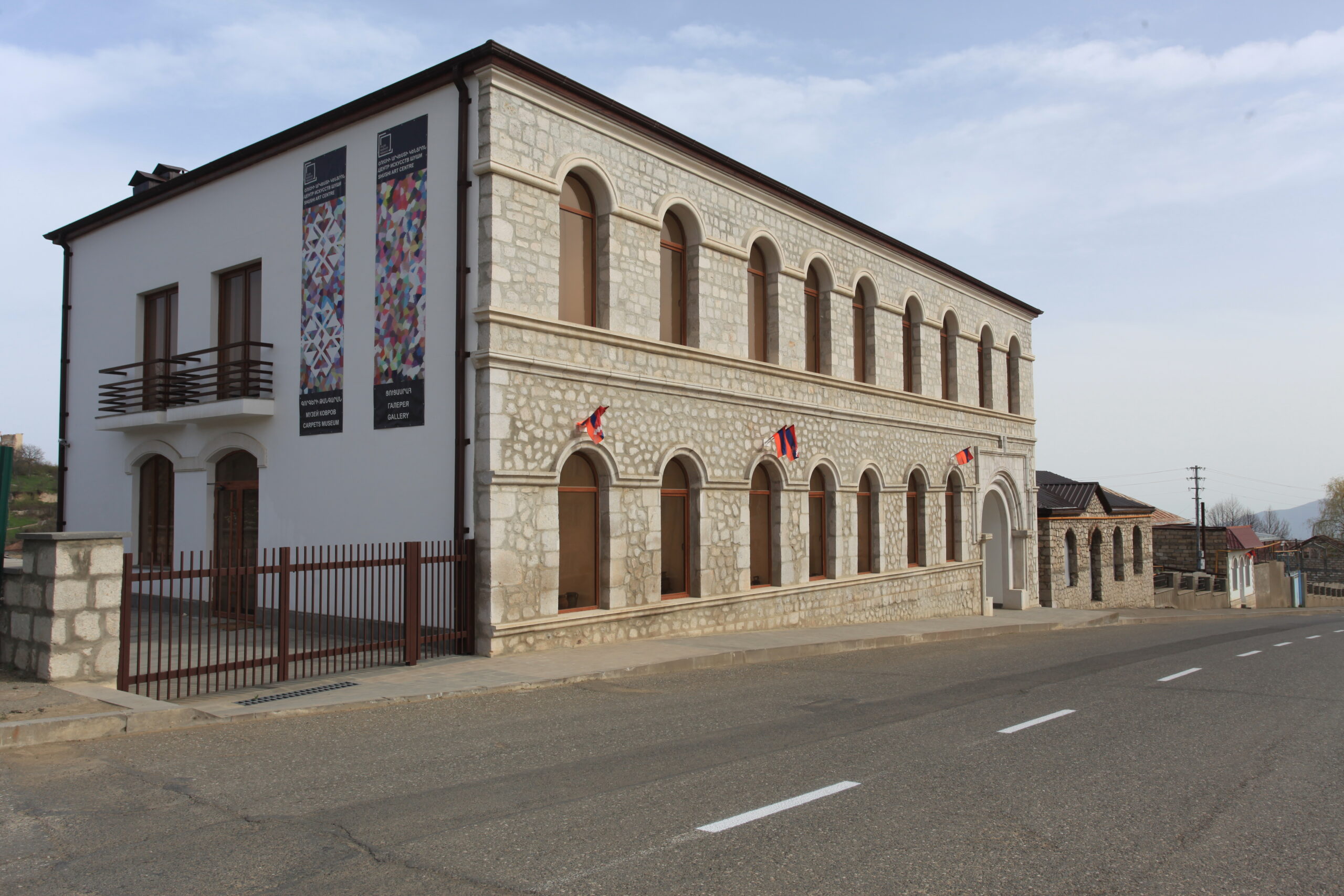
The fate of the Shushi Carpet Museum illustrates this perfectly. Before the 2020 war in Artsakh, the museum housed hundreds of carpets dating back centuries. When Azerbaijan’s bombardment of the city began, volunteers managed to evacuate part of the collection to Yerevan, but many of the remaining pieces were lost or seized. The museum’s founder, Vardan Astsatryan, told Armenpress that the carpets functioned as cultural witnesses to Armenian life in Karabakh, and that their loss amounted to a second destruction. Since then, the building has been repurposed under Azerbaijani control, its Armenian origin erased. What was once an archive of identity has become a vessel for someone else’s story.
In Western institutions, the dislocation is more subtle but equally violent. Armenian religious icons, manuscripts and ethnographic objects appear in permanent collections at the British Museum, the Louvre and the Metropolitan Museum of Art. Many were acquired through private sales, but their provenance often leads back to the chaos of the Armenian Genocide, when missionaries and collectors purchased cultural artifacts from looted churches or desperate refugees. These museums proudly display the material legacy of a people whose annihilation they once ignored, yet rarely confront how these objects arrived in their possession.
A global struggle for repatriation
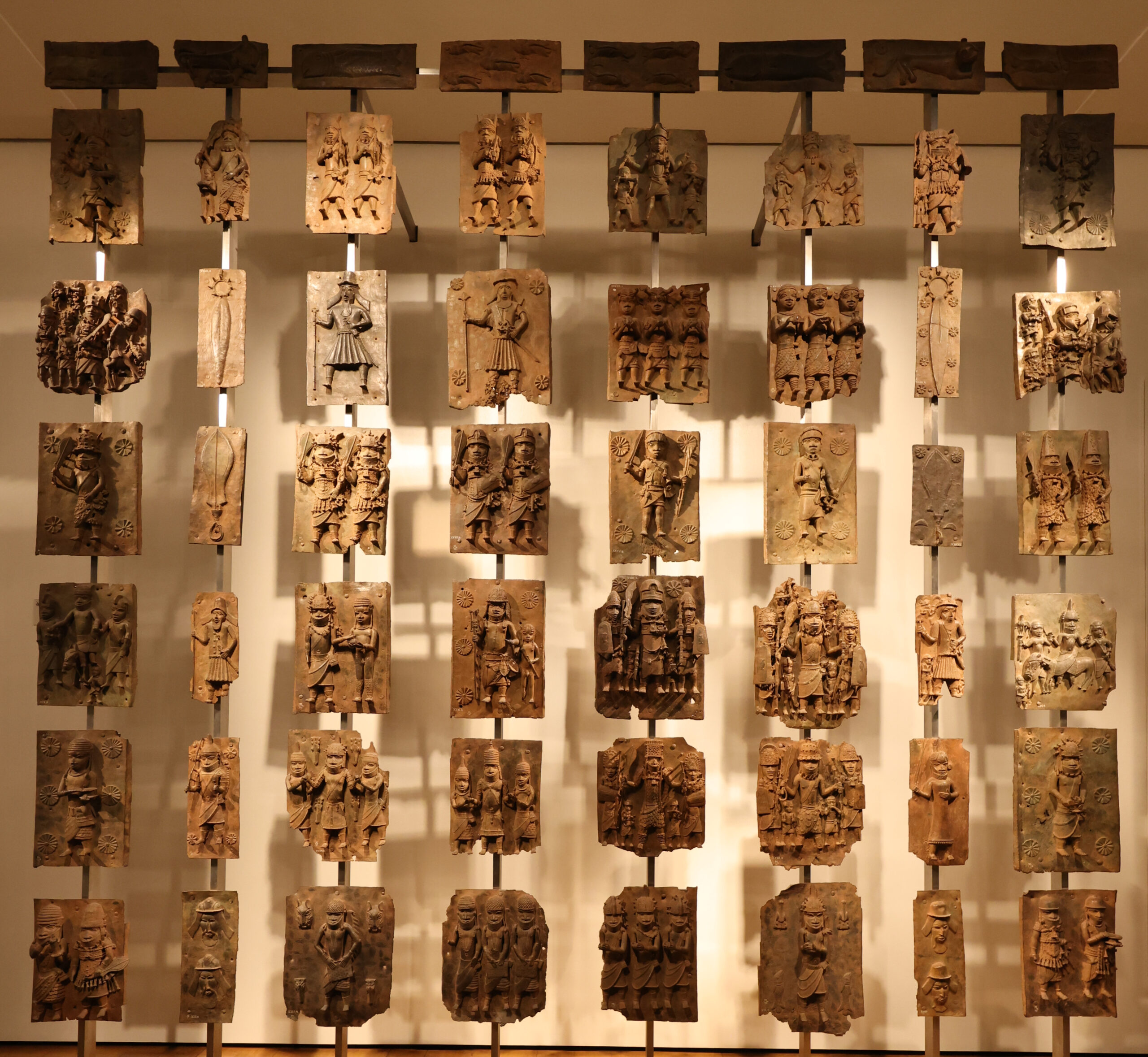
Armenia’s predicament is part of a broader struggle among colonized and dispossessed peoples to reclaim their heritage. Across Africa, the Caribbean and Indigenous North America, activists are demanding the return of objects stolen during conquest. The Benin Bronzes — thousands of sculptures looted by British troops in 1897 — have become symbols of this global movement. Following sustained pressure and the influential Savoy-Sarr Report, France agreed in 2021 to return several dozen artifacts to Benin. Yet, such gestures are the exception rather than the norm. Most Western museums resist full restitution, offering only “loans” or “shared custody” arrangements that preserve their ownership.
In the United States, the Native American Graves Protection and Repatriation Act (NAGPRA) has forced institutions to return thousands of human remains and sacred objects to tribal nations. But outside North America, there is no binding legal mechanism for restitution. The question of return remains governed by moral persuasion rather than enforceable law. As legal scholar Elizabeth Baylis observes, cultural repatriation today depends less on justice than on the “willingness of the powerful to concede symbolic ground.”
The logic of containment
The refusal to return cultural property reveals a deeper logic: by retaining the material remains of conquered peoples, colonial institutions retain control over their narratives. The museum, in this sense, is a continuation of empire by other means. The colonizer’s possession of the colonized’s memory legitimizes the original violence. By recontextualizing looted artifacts as universal art, the museum transforms crimes into curiosities.
Objects removed from their original communities lose their ritual and social life. A sacred relic becomes a specimen; a church carving becomes décor. The act of display replaces the act of devotion. In this transmutation, the violence of erasure is aestheticized. The museum visitor encounters beauty without context, culture without people, loss without accountability. The institution that once ignored or abetted genocide now performs empathy for its victims.
Reimagining heritage and justice
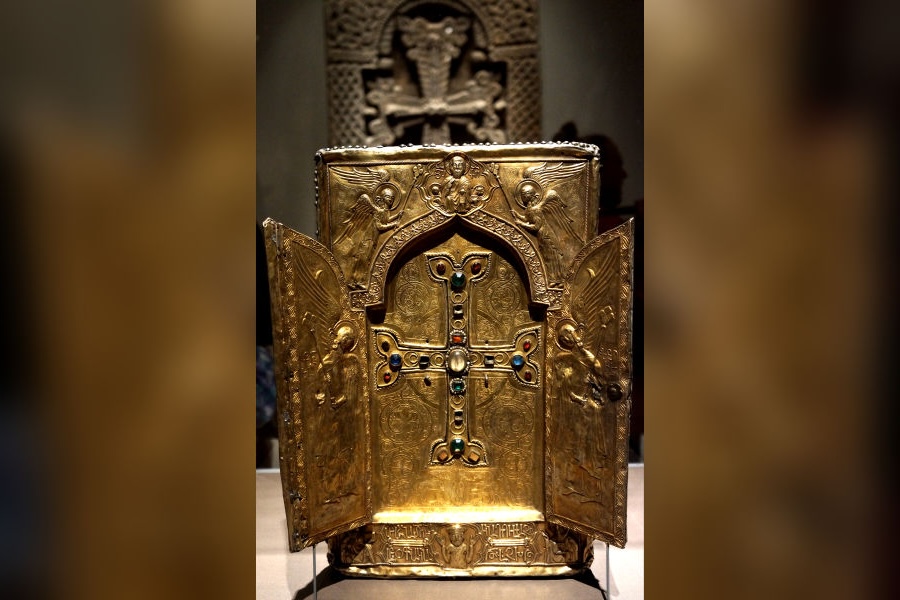
Repatriation must therefore be understood not as generosity but as justice. Cultural return restores more than objects — it restores memory, agency and dignity. The global movement for decolonizing museums offers a blueprint for Armenia and other small nations. Some scholars propose digital repatriation, where communities create open archives and virtual exhibits to reclaim interpretive control when physical return is impossible. Others advocate for full restitution accompanied by financial and technical support to rebuild local institutions capable of housing returned objects.
For Armenians, the stakes are existential. The Genocide was not only an assault on life but on continuity. When a khachkar stands in a European museum, it is not simply misplaced — it is silenced.
Memory as resistance
The question of cultural restitution ultimately leads to one of moral responsibility. The West cannot continue to admire the aesthetics of the peoples it destroyed while denying those same peoples the right to narrate their own histories. Museums that hold Armenian, Assyrian, African and Indigenous artifacts must decide whether they exist to display the spoils of empire or to repair them.
For Armenians, reclaiming these objects is an act of resistance against the logic of disappearance. Each rug, manuscript and stone cross is a fragment of a severed world waiting to be reassembled. Bringing them home — or even naming them truthfully — is a declaration that our ancestors will not remain behind glass, and that the archive itself is a battlefield.
The museum and the mass grave are two sides of the same coin. One hides violence beneath aesthetics; the other exposes it in the soil. To free the past from the glass case is to admit that beauty and brutality were always intertwined — and that the first step toward justice is to make the walls of the museum transparent enough to see the graves behind them.




This is such a great piece, thanks for sharing.