FeaturedThe Homeland

“Home without a roof:” Dizak Art and the endurance of Artsakh’s culture

Almost five years have passed since the 2020 war that led to the loss of the Hadrut region and, ultimately, all of Artsakh in 2023. In response, the “Dizak Art” cultural organization was established in Yerevan to preserve the rich cultural heritage of those displaced from Artsakh through educational programs. 

Co-founder Yerazik Hayriyan, herself displaced from Hadrut, and other members of the center work tirelessly to support more than 160 displaced children aged 4 to 13, offering free classes in music, dance, theater and applied arts in Yerevan and Abovyan. Hayriyan previously served as head of the Hadrut regional cultural department. After the loss of her hometown and, ultimately, the ethnic cleansing of Artsakh, she views her work as a personal mission to safeguard cultural heritage and help restore national identity.

The talented children of Dizak Art also perform theater in the Artsakh dialect as part of the “Ktseg: Promoting the Dialects of Artsakh” program. (Photo courtesy of Dizak Art)

Just before 2020, she organized the Gupar traditional game in Hadrut. Gupar, which means a fight, struggle or battle in Armenian, is a tournament that reflects Artsakh’s centuries-old history. In 2022, the game was held in the Askeran region and was covered by the Weekly.

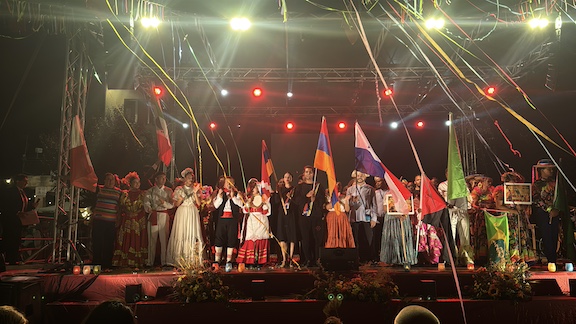
Over the years, students of the center have taken part in numerous competitions, winning awards locally and abroad. Recently, they earned first-place honors in international music contests in Italy and France. 

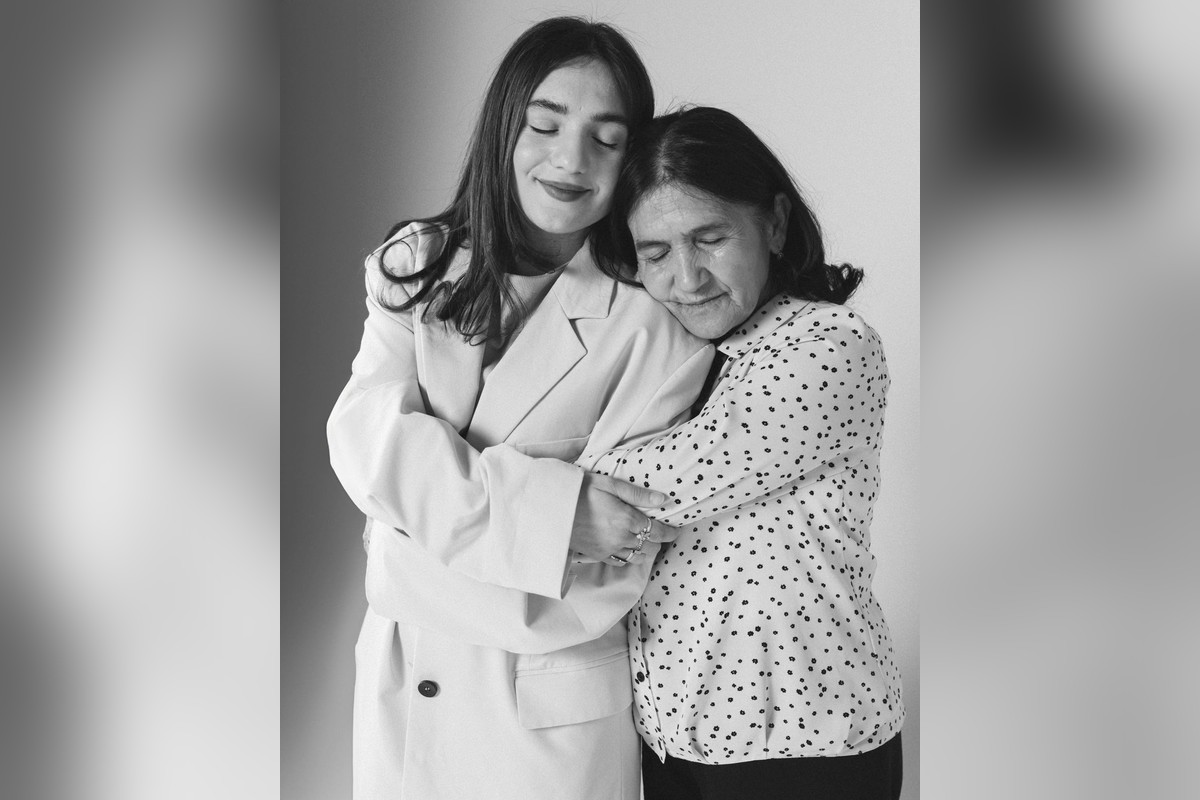
According to Hayriyan, who works daily with displaced children, the center helps children begin to heal from the trauma of war and forced displacement. Though they come from different communities, they form close bonds, supporting and caring for one another like family.

Advertisement
Yerazik Hayriyan, co-founder of Dizak Art Center, inspiring the next generation of Artsakh’s youth through cultural and artistic education. (Photo courtesy of Siranush Sargsyan)

Among its initiatives, the center runs “Ktseg: Promoting the Dialects of Artsakh,” which uses theatrical performances to raise awareness of Artsakh’s dialects and expressions. The plays and songs, enriched with proverbs, sayings and folklore, highlight the unique features of these dialects and help participants reconnect with their heritage and emotionally heal. For the children, the program helps ease their longing for Artsakh, their homes and their lost childhoods. 

This slideshow requires JavaScript.

According to Hayriyan, parents bring their children to the center to interact with peers and ensure they do not forget their customs. However, the parents themselves also need this community space. “We all need it,” she told the Weekly. “We are moving away from our traditions of helping one another. It is difficult for us to adapt to this large urban life because we are used to living in small communities, supporting and sharing with each other.”

Hayriyan added, “Our lives feel incomplete without our homes and graves. It is as if our path has been cut in half. We live disconnected from our roots.

I don’t know how to explain to my child that they should place flowers on their grandparents’ graves when those graves no longer exist or are inaccessible to us.” Through the center’s programs, Hayriyan works to preserve whatever remains of their heritage.

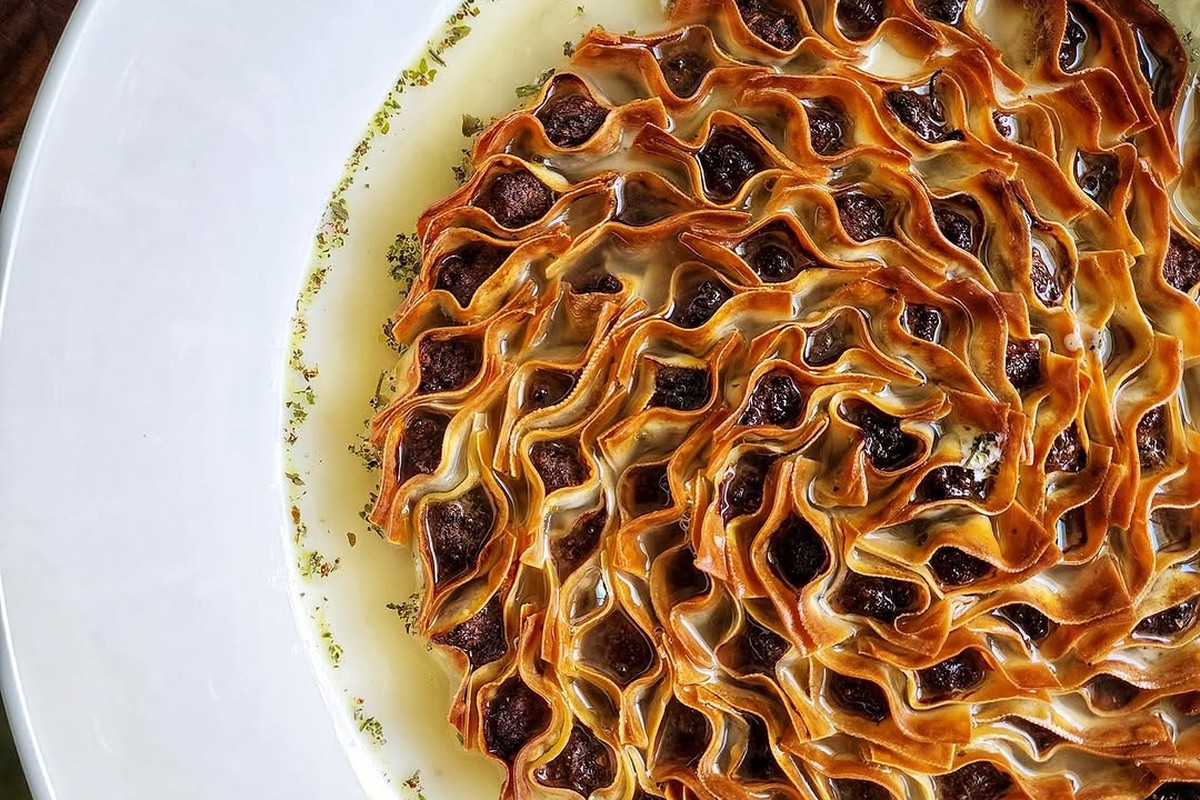
Alongside other founding women and teachers, she runs programs to empower displaced women living across different regions of Armenia. These women prepare traditional Artsakh dishes and take part in masterclasses to connect with partners and promote Artsakh culinary traditions throughout the regions.

The center also supports displaced artists and professionals, though resources are limited. Many seek work through the organization, but those who cannot find employment in Armenia are often forced to consider emigration.

Gohar Aleksayan, a singer who was also forcibly displaced and now teaches, took part in the final rehearsals with Dizak Art singers before their international concert. (Photo courtesy of Siranush Sargsyan)

From September 22 to 28, 2025, the center will hold the fifth annual international painting symposium, “Colors of Dizak,” in the remote village of Dprabak. The first two symposiums were organized by the center in Hadrut, followed by one in Stepanakert. After the loss of Artsakh, organizers chose this border village in Armenia because, as Hayriyan explained, its character and atmosphere closely resemble Hadrut. 

This year’s international symposium will feature about 20 painters from Armenia and abroad creating compositions inspired by Artsakh’s landscapes and cultural monuments. The goal is to preserve the cultural color and heritage of Artsakh. Proceeds from sales will help support the center’s needs.

Although Dizak Art receives support from various organizations and individuals, it lacks permanent funding. Through the reArmenia platform, the center launched a fundraising campaign. According to Hayriyan, the biggest challenge remains the lack of a permanent space.

“We have created a home without a roof,” she explained.

For years, the center has paid significant rent for its two branches in Yerevan and Abovyan. Owning a building would allow them to expand programs, provide free education to more displaced children and revitalize cultural life in this small village.

This slideshow requires JavaScript.

Today, canvases from the earlier “Colors of Dizak” symposiums in Hadrut still hang in the center’s rented hall. The rare works, depicting Hadrut’s distinctive architectural spirit and daily life, are not for sale.

The Dizak Art initiative not only preserves a fragile cultural heritage but also serves as a lifeline for a displaced community seeking continuity, connection and hope amid the uncertainty of exile.

Siranush Sargsyan

Siranush Sargsyan is a freelance journalist from Stepanakert, Nagorno-Karabakh/Artsakh, now based in Armenia. She covers human rights, politics and women in conflict zones, with work featured in outlets such as the BBC, Newsweek, Open Democracy, IWPR, The Armenian Weekly and other publications. Previously, she was Chief Specialist in Education and Political Science on the standing committee in Artsakh's parliament and taught History at Machkalashen school. Sargsyan holds degrees in History and Political Science and completed the Tavitian Scholar Program at Tufts University, as well as a journalism internship at Taz media.

Leave a Reply

Your email address will not be published. Required fields are marked *


Back to top button