


Reflections

“When two of them meet”

Today, I drove to a field and a grave.

And met faces old and new, familiar and unworn. 

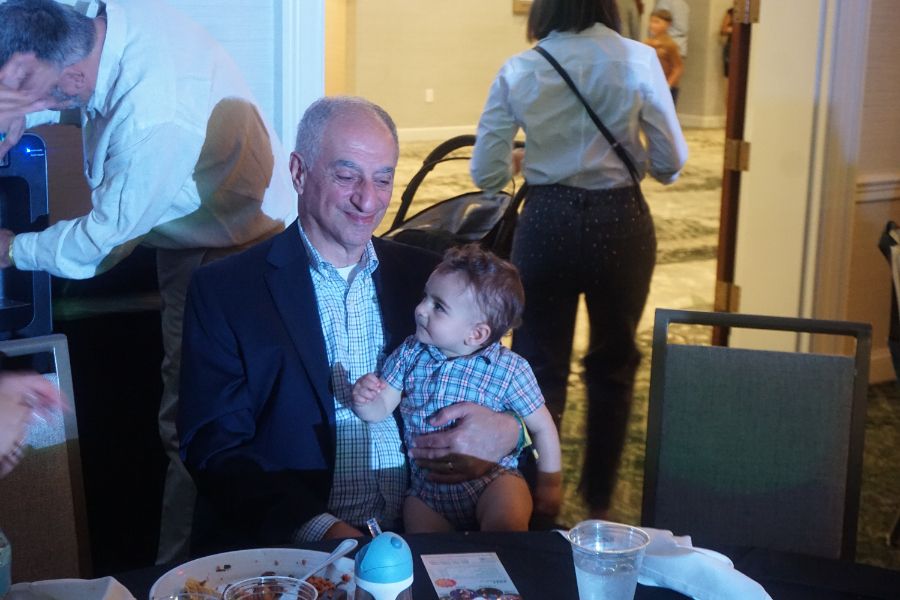
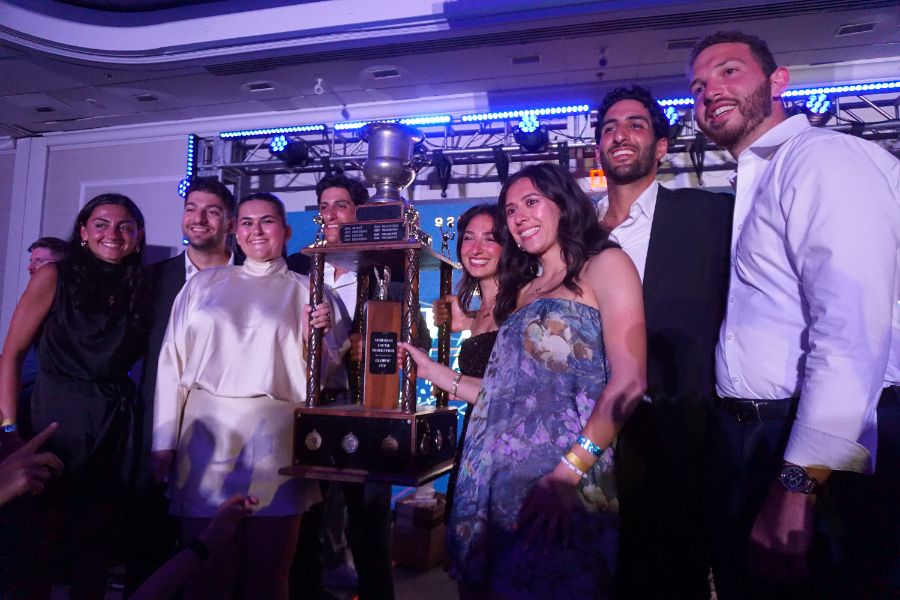
The AYF Olympics, where Njdeh’s Syunik slopes into Americana. 

Youngsters sprinting in tricolor, wafting sweat and smiles.

“No one picks up their medals,” said the elder Olympian, camera locked and hooked on his shoulder. Mark, God of War, yet he couldn’t have looked more at peace.

Related Articles

“Of course, the youth are here for the camaraderie—that is reward enough.”

Walking through the drippings: red on their shirts on their faces on their caps. 

I thought of Vartan.

Wartivar “Vartan” Iknaian

It was my first time visiting since his funeral over three years ago. 

At the cemetery, I was overcome. Stone after stone, bearing an -ian. Just minutes before, the letters were etched into the backs of t-shirts. Armenian blood flooding a field. 

As above as below, our red on their green. 

I recognized surnames shared across both lawns. Names of friends, of former editors, of our writers—including the one I just met, camera slung like bow and arrow.

This slideshow requires JavaScript.

The Gavoors, the Getzoyans, the Sohigians…

After awhile, I stopped checking if the names were Armenian and went straight to their rest. 

Many had their villages inscribed into the rock. 

This slideshow requires JavaScript.

From Husenig in Kharpert, from Tallas in Kayseri, from Gamis in Sivas (Sepastia), from Bardizag in Sepastia, the Shoemaker from Tadem, from Van, from Arabkir, from Trebizond, from Marash, from Shabin Karahisar—the birthplace of General Antranig—and Asdghig Arozian…

This slideshow requires JavaScript.

W. Armenia was all over Watertown.

I finally reached my uncle Vartan. The warrior of Avarayr. Son of Syria, now Watertown. 

He has two grandchildren now. One on this coast, one on the other. His sons will pass on his stories and turn his name into stone. 

This slideshow requires JavaScript.

We are all blacksmiths, hewing rock. Kar-dash. Kar-dash-ian. Of the stone carver. 

The irony that this is our most famous name. 

How much myth-making goes into the blood? 

“Van. Worcester.”

Today is also the birthday of W. Saroyan. “That great writer of Bitlis, then Fresno,” his stone might’ve read—if it were here and not on his beloved W. coast. 

As the late Poor Tom’s Almanac wrote in our pages, quoting Saroyan, “Death is not the end of a good Armenian. But the beginning. For when two of them meet…”

“Go ahead and try to destroy them,” he ended.

Destroy. Qar-u-qand. “Stone-and-ruin.”

See if they won’t build new mountains: a Palu in Providence, a Kharpert in Connecticut, a Van in Worcester.

Ardamed (now “Edremit”)

Tashel, to carve. On the dance floor, when ecstasy surges, our women wail, Tashiiii!

The moment when bone turns to stone.

I wonder if the dead feel our etchings. 

Lilly Torosyan

Lilly Torosyan is editor of the Armenian Weekly and a member of the Armenian Nutmegger community. (That’s Connecticut nutmegs by way of Sasun walnuts). Her writing focuses on the confluence of identity, cultural continuity and language – especially within the global Armenian communities. She previously served as the assistant project manager at h-pem, an Armenian cultural platform launched by the Hamazkayin Central Executive Board, and a freelance writer in Armenia.

3 Comments

  1. What a lovely piece Lilly.
    There is a forgotten cemetery in Waukegan full of Armenian graves and headstones that need to be recorded. Thanks for including my grandparents gravestone.

  2. Lilly Torosyan, you opened a Pandora’s box. I am sure there is a unique Armenian story with each and every such gravesite, only if a family member or someone else will offer it to readers.

Leave a Reply

Your email address will not be published. Required fields are marked *


Back to top button