



Armenian pioneers of photography in Palestine
Photography has played a pivotal role in society since its invention in the early 1800s. It has documented historical, military, religious and social events, as well as famous religious and historical sites around the world. Thanks to photography’s development, history has become better understood.
Photography has also been an important means of documenting the lives, events and culture of the Palestinian people. In its early days, Palestine was among the first places outside Europe to be extensively photographed due to its religious significance as the land of the three divine faiths and its diverse religious sites.
The Armenian Patriarchate of Jerusalem, founded in 638 A.D., is located in the Armenian Quarter of Old Jerusalem. For more than four centuries, Palestine was subject to Ottoman rule (1516-1918).
The Armenian community played a pivotal role in the development and prosperity of various crafts and industries in the Ottoman Empire. This involvement continued even after the empire’s fall.
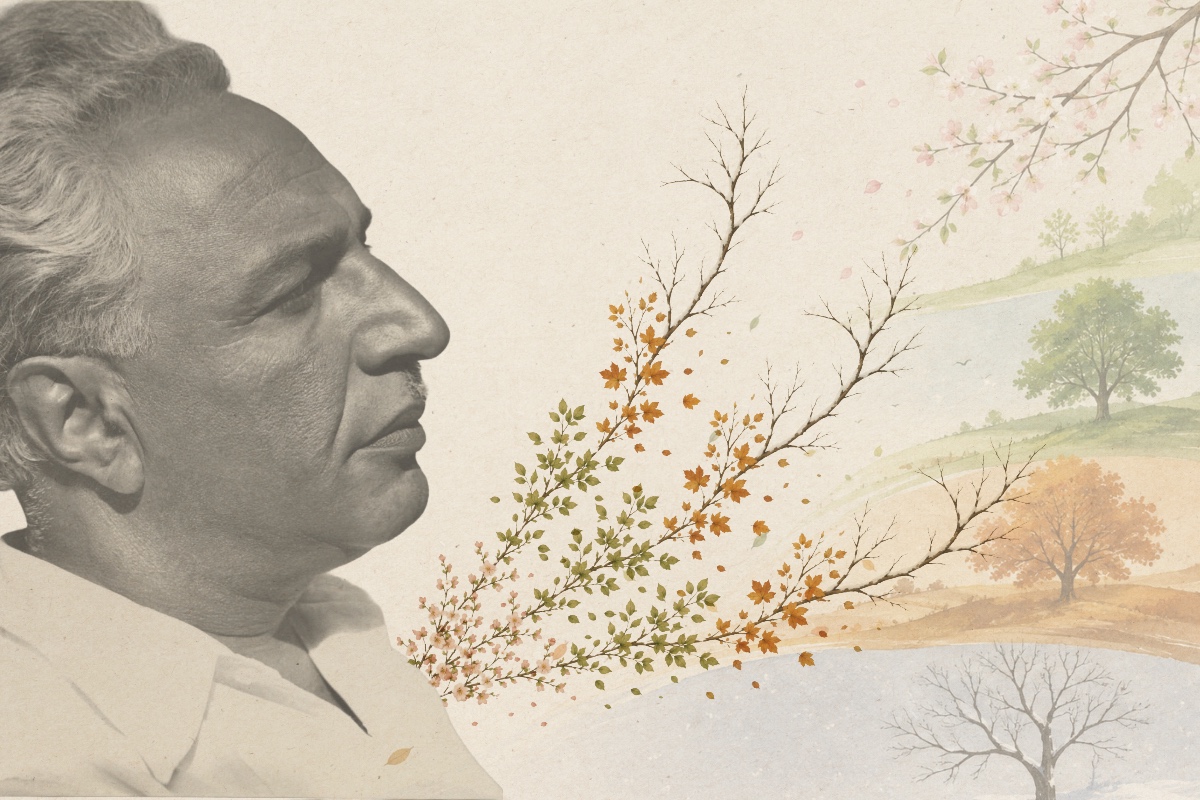
Starting in the 1850s, Armenians became dominant among Palestine’s photographers. The central figure in this development was the leading cleric Yessai Garabedian, a priest who moved to Jerusalem from Anatolia to become archivist at the Armenian Cathedral of Saint James. He served as Armenian Patriarch of Jerusalem in 1864–65 and started photographing in 1857. In 1860, he established a photography school in the Armenian Quarter of Old Jerusalem.

Garabed Krikorian (1847-1920) and his brother Kevork counted among his students. Other 19th-century Armenian photographers from Jerusalem are J.H. Halladjian, M. Mardikian and Yusuf Toumaian. In the aftermath of the Armenian Genocide, other photographers joined, including Hrant Nakashian and Elia Kahvedjian.
Garabed Krikorian opened a photography workshop on Jaffa Road in the 1870s and became a teacher. One of his students was Khalil Raad, known as “Palestine’s first Arab photographer.” Another student, Abraham Guiragossian, worked for the famous Maison Bonfils studio of Beirut and eventually bought it up.
Palestinian photographers in the early 20th century extensively documented Palestinian life. Among the most prominent was Wassef Jawhariyya (1904-1972), who collected 900 photographs for his seven-volume book, A Photographic History of Palestine.
Given its political significance—particularly the Arab-Israeli conflict, the establishment of the State of Israel on historic Palestinian land and the emergence of the Palestinian refugee issue, which is considered one of the most important outcomes of World War II—photographers competed to document these events. Armenian photographers were pioneers in this field.
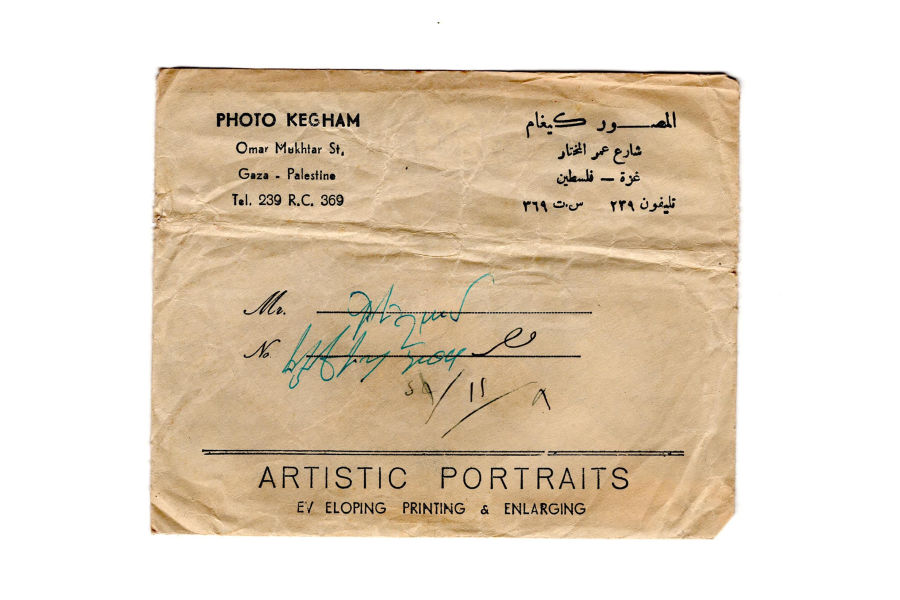
Kegham Djeghalian (1915-1981), an Armenian genocide survivor and refugee, opened Gaza’s first photography studio in 1944.
Djeghalian captured life in Gaza, and local Palestinian people had a personal, respectful connection with him.
Elia Kahvedjian (1910-1999), another refugee survivor of the Armenian Genocide, was one of Jerusalem’s leading photographers at the beginning of the 20th century. He worked for the Christian Hanania brothers, who ran a photography shop in the city center (now known as West Jerusalem).
When the brothers wanted to close the shop, Kahvedjian took out a loan and bought it. He quickly achieved great professional success. Days before the outbreak of the 1948 Palestine War, Kahvedjian moved his negatives to a small room in the Armenian Quarter of Old Jerusalem and closed the shop. He fled to the Old City, and by 1949, he had a studio in the Christian Quarter, where it remains to this day. During the British Mandate and Jordanian rule, Kahvedjian dedicated himself to documenting historical and religious events and sites in Palestine, particularly Jerusalem.
On July 7, 2025, the Jerusalem Municipality named a small, modest square outside Damascus Gate in the Muslim Quarter of Old Jerusalem after Kahvedjian. While this initiative is commendable, it would have been more appropriate for the municipality to name a square, plaza or street outside or inside Jaffa Gate (where the Armenian Quarter begins), or within the Armenian Quarter itself, after this accomplished photographer.


Thank you, Gaby, for this history of the Armenians who contributed to documenting amd preserving life in Ottoman and post-genocide life in Palestine. I nearly wept as you mentioned Kegham Djeghalian and his early work in Gaza as I thought of his and millions of others photographs and memories have been destroyed.
I wish that you had been able to share more of the actual photographs of those pioneers in photography.
Thank you very much.
Thank you for documenting and highlighting the history of Armenian photography in Jerusalem which has an impressive history. As per my research on the early history of Armenian photography, the Krikorian photographic studio, which was one of the first commercial ateliers in Jerusalem, opened in 1885 on Jaffa Road. Krikorian left the priesthood in 1882 to convert to Protestantism and to marry a former Lebanese deaconess in 1882. “Kevork” was not Garabed’s brother but a fellow seminarian who, like Krikorian, studied photography at the Armenian Convent under the mentorship of Patriarch Yessayi Garabedian. The history of the Krikorian family and studio (1885-1948) has been documented in a recent publication “The Krikorians of Jaffa Road: Architects of Armenian Photography in Jerusalem.”
شكرا جزيلا للأرمن الذين عاشوا بين العرب بعد نكبتهم وتعاملوا معهم كأخوة سواء في فلسطين أو سوريا أو لبنان أو الأردن أو العراق لقد أثر الأرمن في هذه المجتمعات وتأثروا بهم وكانوا أوفياء دائما لأهالي الأرض وبالنسبة لفلسطين فقد كان توثيق المصورين الأرمن للحياة في فلسطين أثرا كبيرا في رسم صورة واقعية وحقيقة للحياة في فلسطين من كافة الوجوه وليس التصوير فقط بل بالفن عموما ولا بد من ذكر الفنانة الارمنية الأردنية الفلسطينية السيدة جولييت عواد وأثرها الكبير على الفن .. شكرا لكل من ساهم في إثراء التاريخ الفلسطيني من كافة النواحي شكرا للمصورين الأرمن وتحياتنا لهم على ما بذلوه من جهد لتطوير فن التصوير في فلسطين وتسجيل الحياة في فلسطين قبل وبعد النكبة في عام ١٩٤٨