War is an ugly duckling
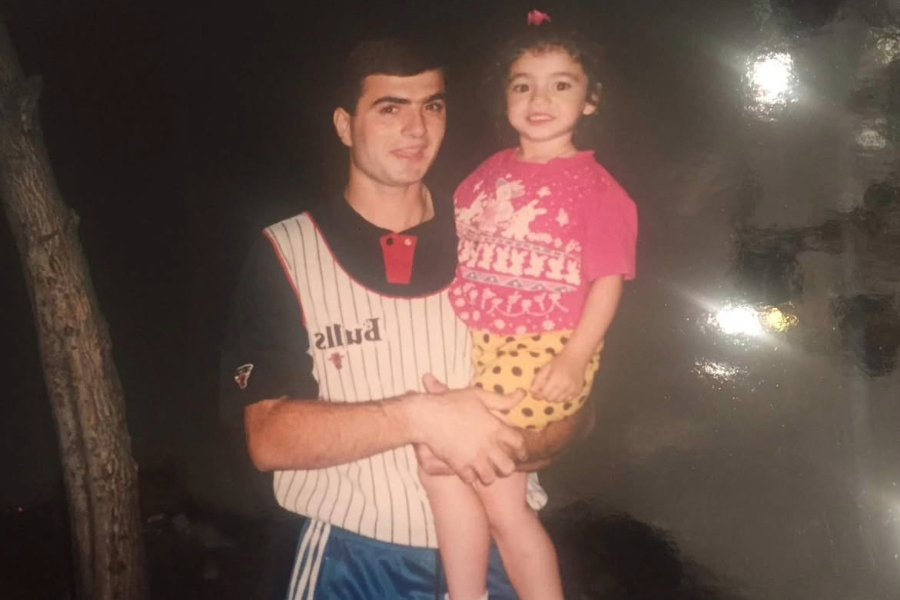
Akh, Badik.
His birth name was Armen—but no one called him that.
“Duckling.” I don’t know how he got the nickname. I was too young to question it.
Badik was my first crush. Always had a way of making kids feel safe.
That is, until Luso.


She lived in the fifth-floor apartment of my uncle’s building. Summers were spent throwing a ball at swirling bodies in gorts-na-gorts—what we called ducks and hunters. The girls huddled behind the bisetkas to gossip when the sun dipped. Luso was a staple at gossip hour—until the day she ran off and became the gossip.
She was barely bled; Badik was in his early thirties.
When they eloped, we drew a cross on the duck, as they say. Khatch qashecinq. A kind of unspoken burial.
From time to time, what resurfaced were the stories—muttered arguments, neighborhood speculation, rumors of hardship in Ukraine, where they had moved. Then, their return to Yerevan—with two boys in tow.
But the last time I saw Badik was many years before all of that. A trip to Water World—one of the lightest days of my childhood. All the cousins together, floating in that chlorinated dreamscape, pretending—just for a day—that we were a people of water, not stone. Landlocked, yes, but buoyant.
Then, the story reversed.
War broke us. Badik volunteered, despite his wife’s pleas.
Weeks later, his body, dismembered by artillery, was identified only by a tattoo. My cousin—Badik’s best friend—went to three more funerals that week. Badik’s brother, undocumented in the West, couldn’t attend. I wonder where he is now, in this era of raids and removals.
When I saw Luso the next summer, by the bisetka—she was still beautiful, still chatting about big dreams. But then, her 10-year-old popped by, face sweaty from the game. And instantly, she snapped out of the past and into her role. We never mentioned Badik.
Once again, the game had gotten too close for comfort.
Autumn leaves turn red before they fall, leaving the branches bare. War can be described the same way.
I flipped through the family albums this morning—the ones who fell, the ones still here. The joy and tight skin of youth, too intimate to post. And too far gone. I thought of Badik, yes. But also of my cousins.
The one who spent blurry nights in a hospital bed, on the verge of memory, his mother never notified.
Or the cousin who survived on canned dog food in an abandoned border hut in Artsakh, snow blowing through broken windows.
And then, the ones we lost not to war, but to what came after: the suicides we don’t speak of. The grief not counted. The love not permitted.
For years now, we’ve lived in fear of another war—pleading, pleasing, pretending. Doing everything to avoid it. We were told to wait for peace. To endure humiliation for stability.
But what we have now is neither. We’re on a ship, hole-ridden with a sail to nowhere. Waiting is no longer protection—but a slow crawl toward death.
An affront to the dignity and love our Badiks died for.
And I think back to that day at Water World—to the smiling faces who would soon be burdened with the sinking of a homeland.
Perhaps there’s a reason why the war-dead haunt us. To remind us that the duckling never sinks—only floats.