Aurora Mardiganian’s story moves Argentina’s students
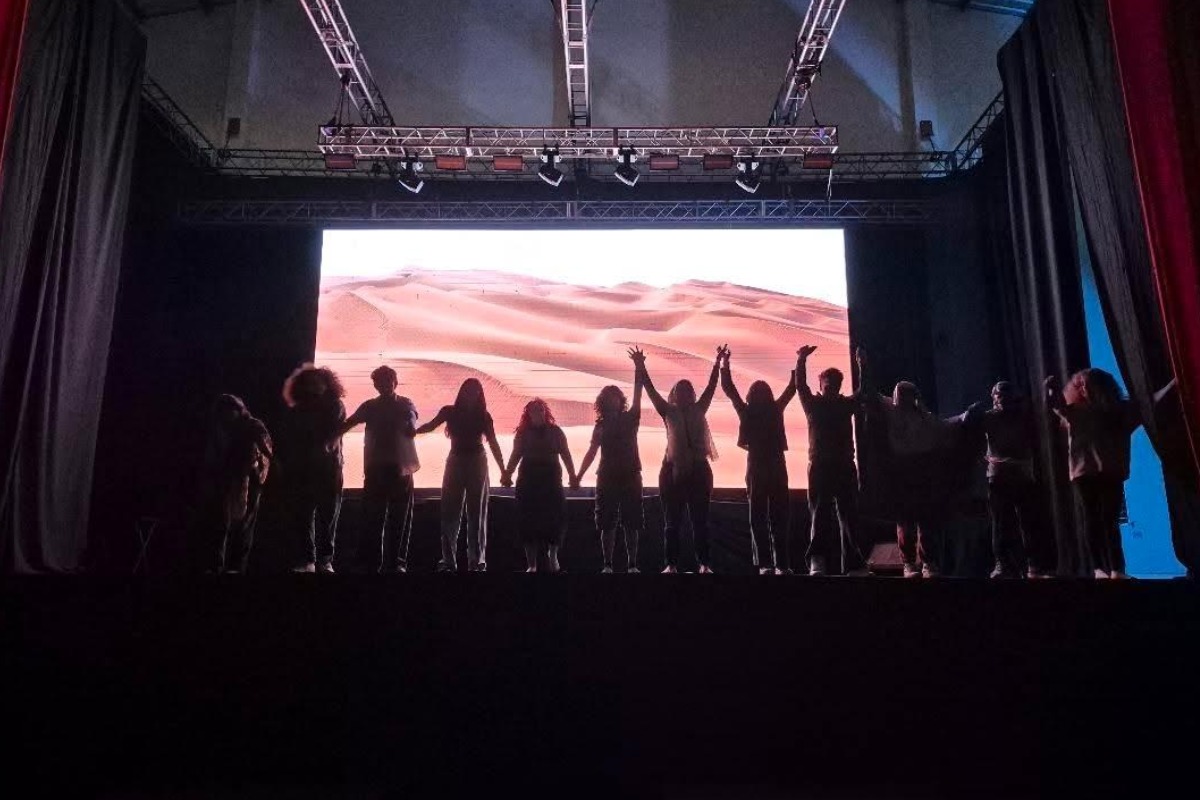
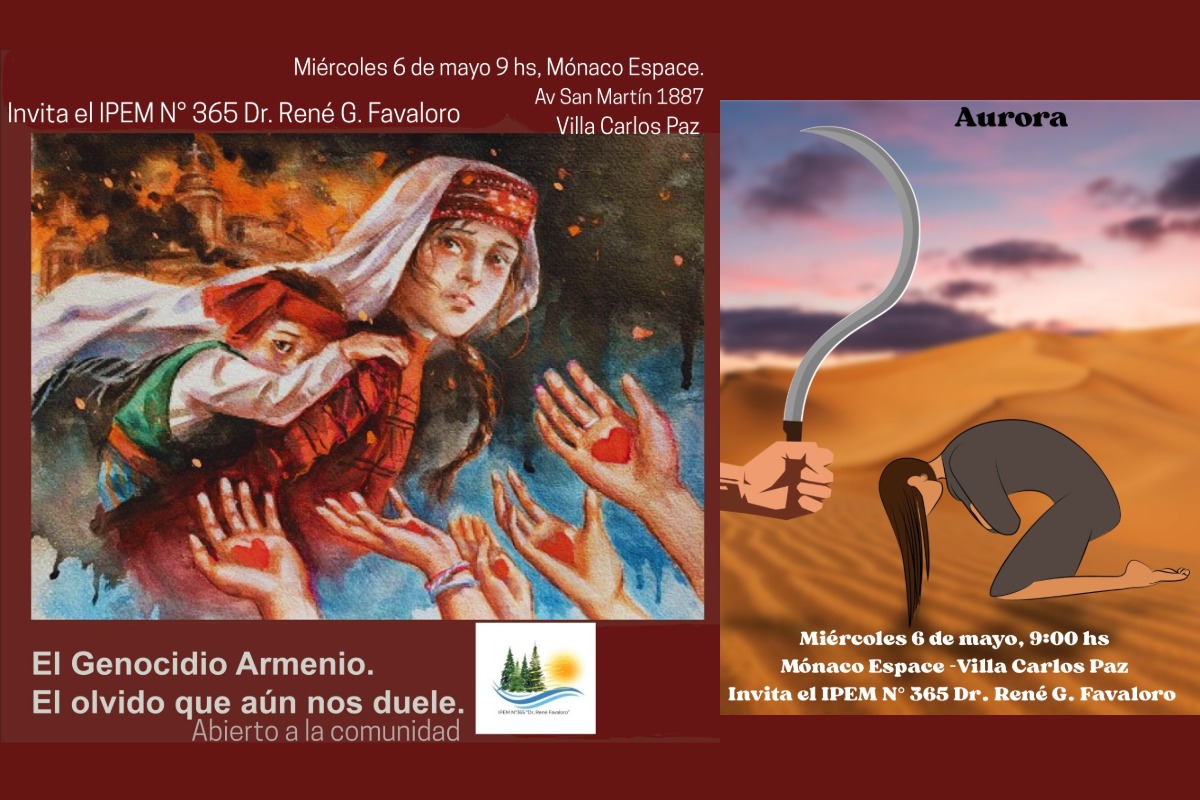
In observance of National Law 26, 199, which designates April 24 as the Day of Action for Tolerance and Respect among Peoples, a significant pedagogical and cultural milestone took place in Villa Carlos Paz, Argentina. Students from IPEM No. 365 Dr. René G. Favaloro took the stage at Espacio Mónaco to perform a theatrical production based on the life of Aurora Mardiganian, a survivor of the Armenian Genocide.
What began as a classroom project under the direction of professor Emilio Alberto Salvatierra, a legal scholar and researcher specializing in the Armenian Genocide and crimes against humanity, evolved into a high-impact work of didactic transposition. The performance recounted the passages of the historical text “Ravished Armenia” (Subasta de Almas) and forced the community to reflect on the persistence of systemic injustice in the modern world.
The pedagogy of remembrance: Embodying history
The decision to center the production on Aurora Mardiganian was a deliberate academic choice. For Salvatierra, who has dedicated his career to human rights advocacy and education, Mardiganian’s story serves as a unique vehicle for analyzing the complexities of extermination through the lens of resilience.
“The primary goal was to use dramatization as a powerful didactic resource. We wanted these young people to move beyond being passive recipients of data and become active subjects who ’embody’ history,” Salvatierra said. He authored the project’s concept and script.
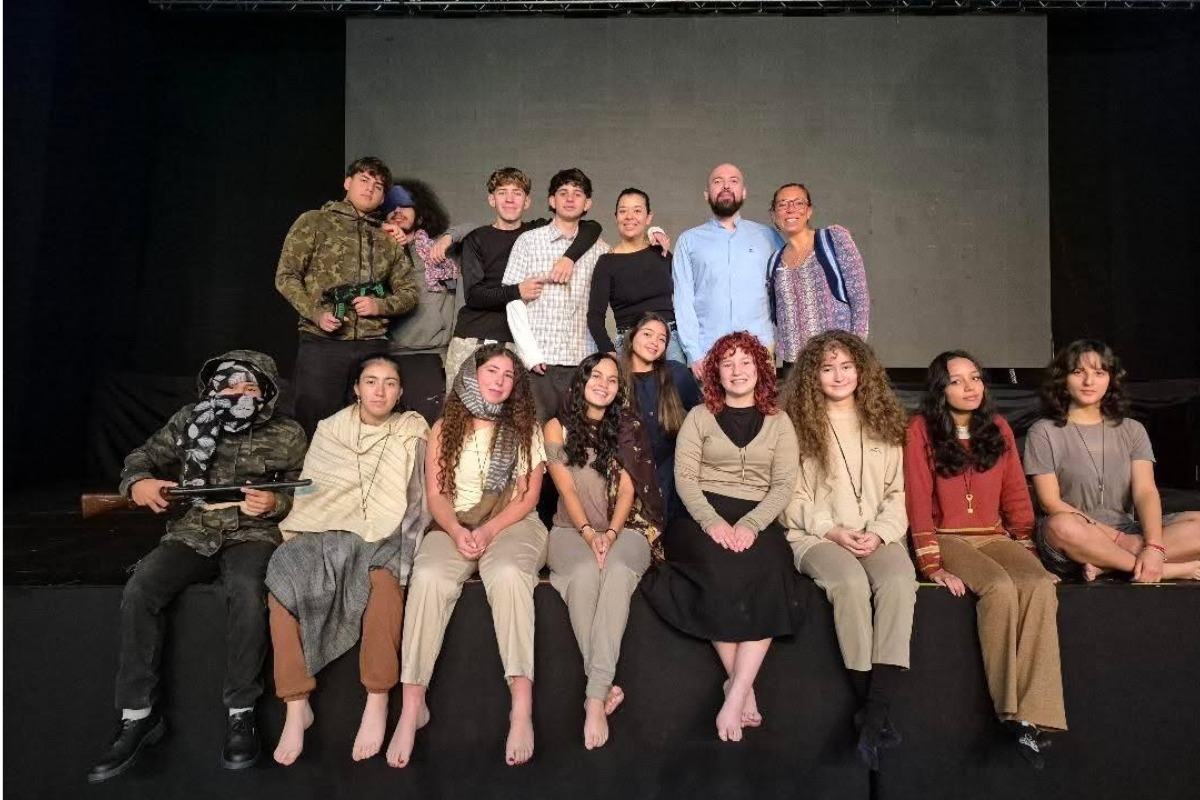
Under the stage direction of professor Cecilia Gervasoni and with the collaboration of professor Tamara Reali, the high school seniors — sixth-year students — developed monologues, set designs and voice-over narrations. The immersive process required students to conduct research and engage empathetically with the material, translating historical trauma into a contemporary message of justice and hope.

Institutional and community commitment
The event’s success was the result of a collective effort. The leadership team at IPEM No. 365, led by Principal Pablo Angulo and the school’s vice principal, reaffirmed its commitment to fostering critical citizenship. They emphasized that educating through art is a powerful way to cultivate social consciousness among new generations.
The production was supported by key figures who underscored the significance of the cause:
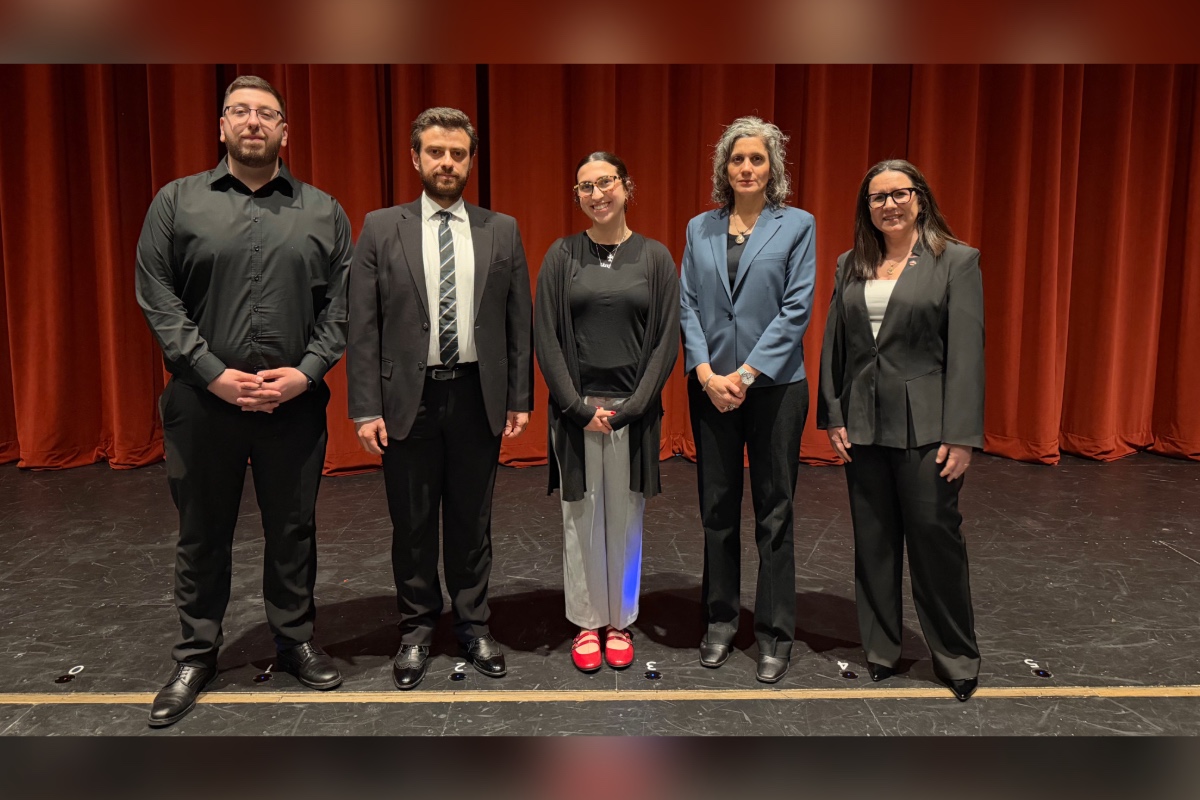
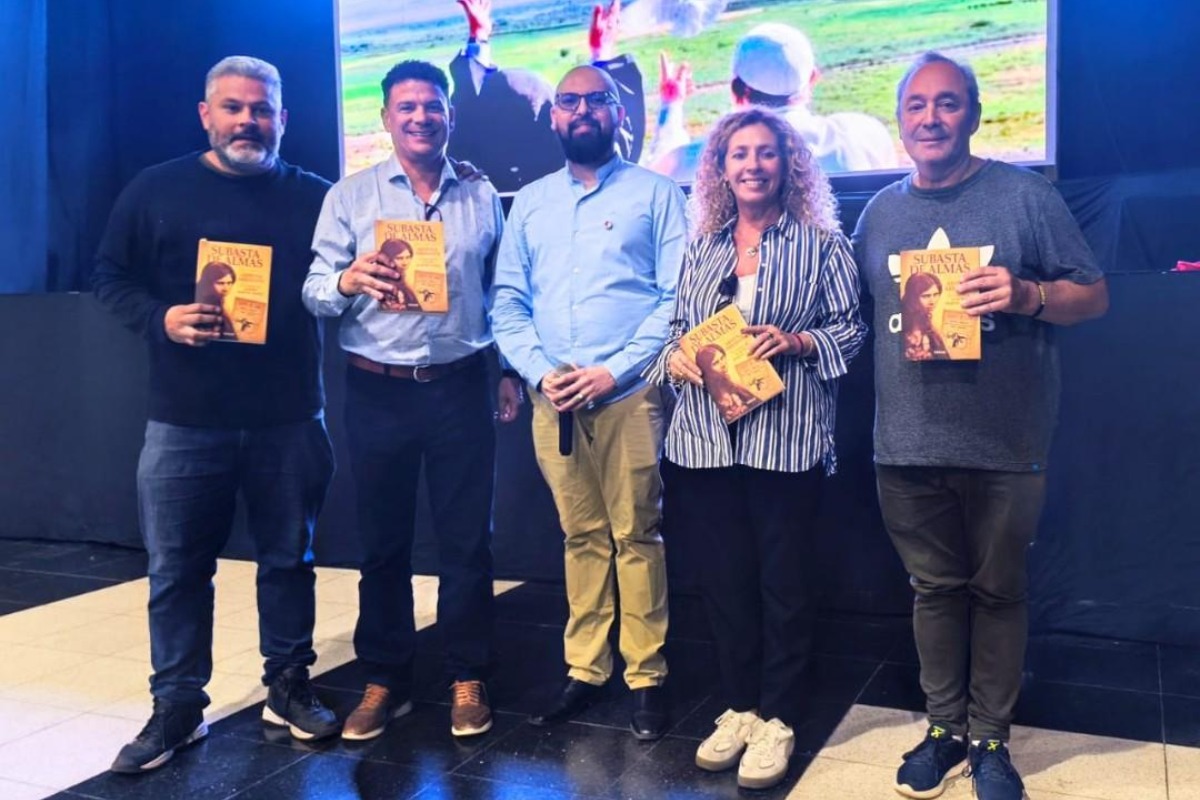
Christian Metrebian, whose management secured the Espacio Mónaco as the venue, demonstrated an unwavering commitment to the pillars of memory, truth and justice.
Eduardo Kozanlian, a prominent researcher and editor of the latest edition of “Ravished Armenia,” elevated the day’s significance by donating copies of the book to the four public schools in attendance, ensuring Aurora Mardiganian’s testimony remains accessible in school libraries.
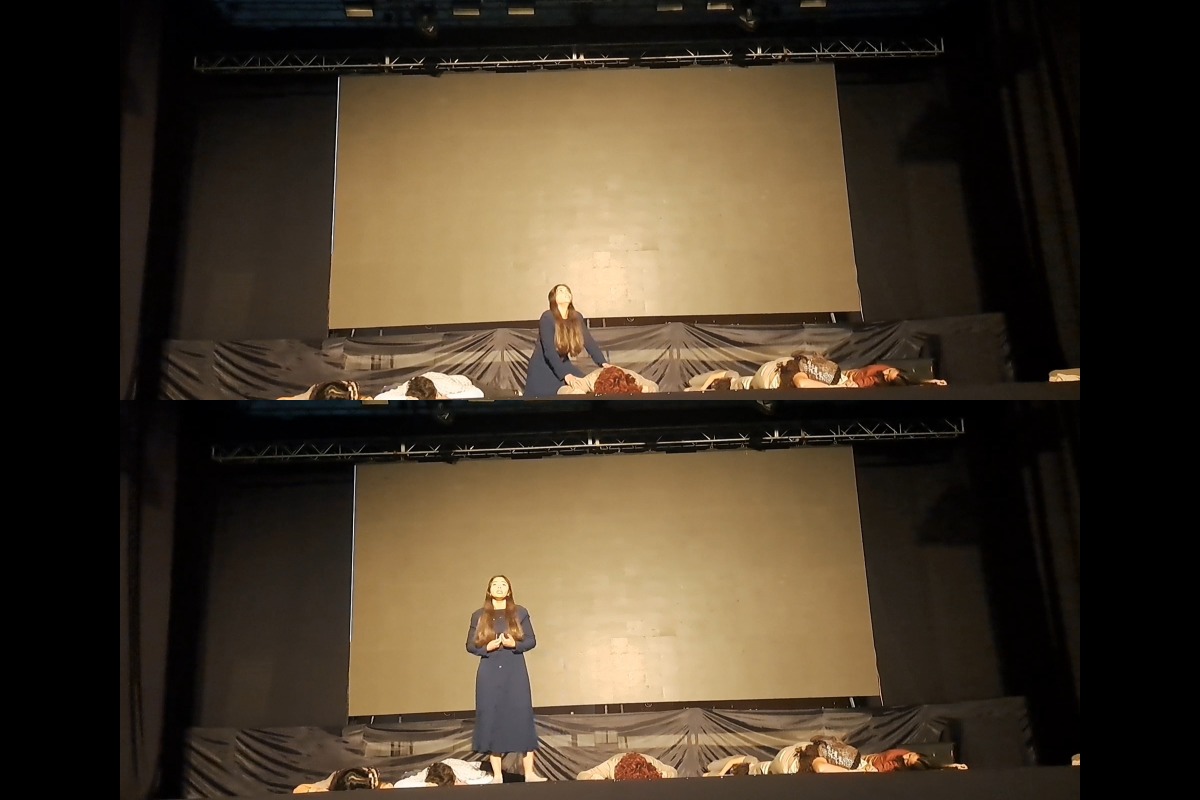
A standing ovation for justice
The final ovation that broke the silence at Espacio Mónaco was a recognition of the students’ acting talent and a tribute to the seriousness with which the youth of Carlos Paz accepted the ethical mandate to tell a story the world cannot afford to forget. In an era in which denialism remains a persistent threat, the public school system, guided by committed educators, shows once again that remembrance is an essential path toward reparation.