




The heartbeat behind the Marionette Theater
The lights dim, the hall falls quiet, and somewhere behind the curtain, an entire world begins to breathe. “Hello, dear children, welcome to the Marionette Theater.”
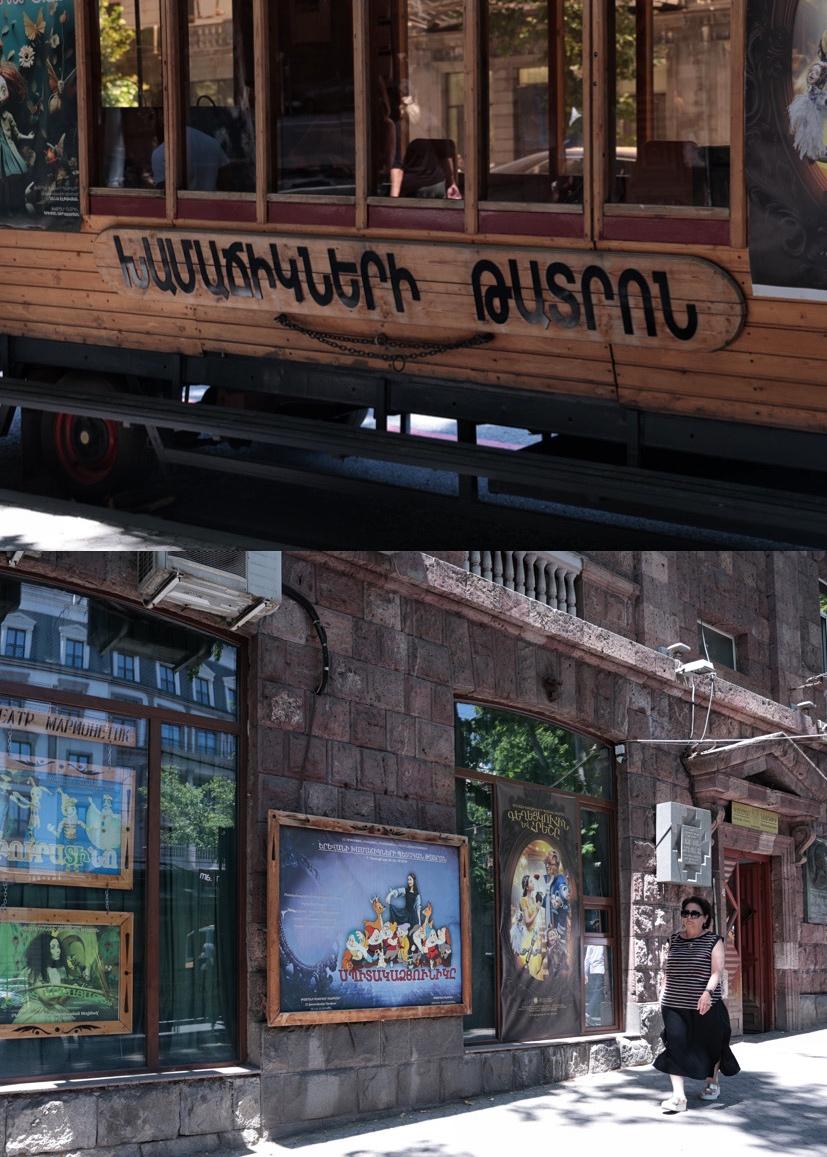
For decades, this simple greeting has opened the door to a special kind of magic in the heart of Yerevan. Founded in 1935, the Yerevan State Marionette Theater is more than just a theater. It is a place where generations of children have discovered the world of stage art, learned to tell good from evil and believed that even the smallest character could overcome the greatest challenges. Productions such as “The Dog and the Cat,” “The Chalk-Chalk King,” and many others have become part of childhood memories for generations of Armenians.
But while audiences watch stories unfold on stage, another kind of creation takes place behind the scenes.
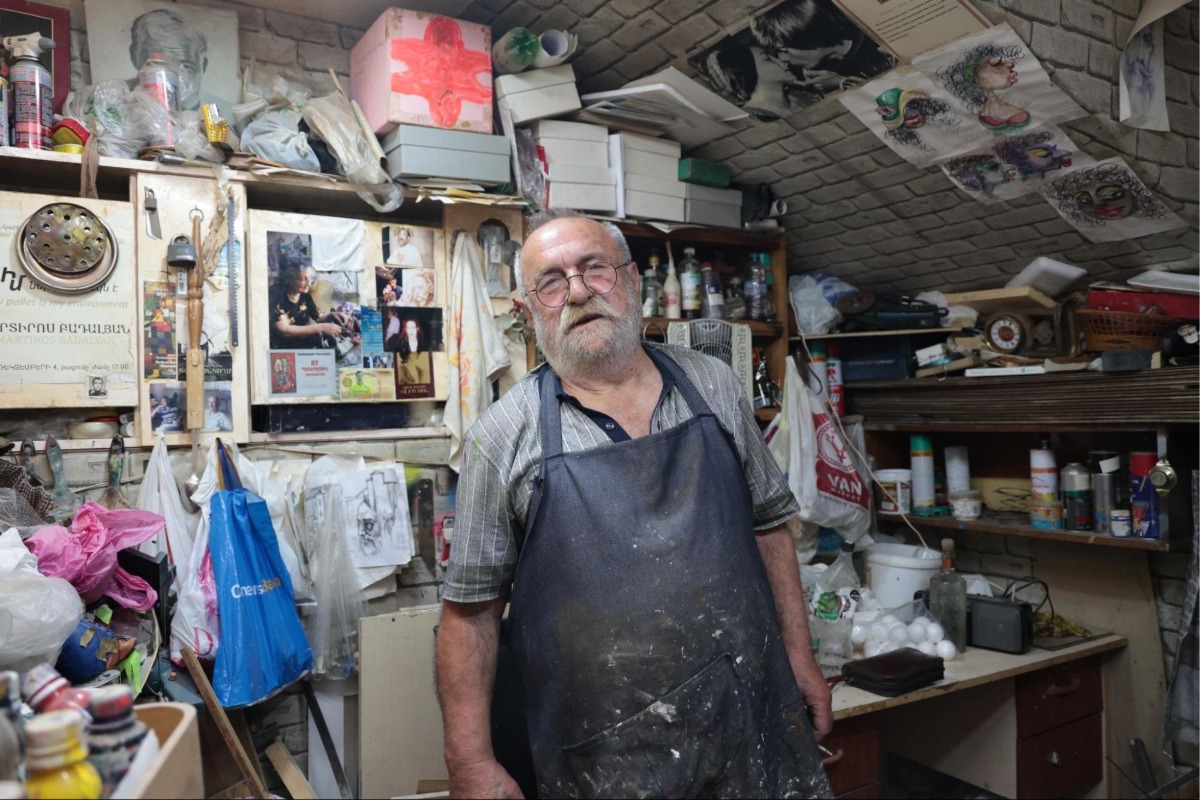
Artists, sculptors, actors and costume designers work together to build the characters and worlds that bring each performance to life. One of them is Martiros Badalyan, who has spent nearly four decades at the theater.
In a small workshop tucked away behind the building, he creates props, set pieces and countless details that help transform an empty stage into a living world.

Yet before anything is built, it begins with a drawing.
Badalyan is often the first person to bring a new character to life. Long before a puppet appears on stage, he sketches it on paper, shaping its expression, personality and character.
For him, theater has never been simply about making puppets. Every creation starts with an image, a sketch that gradually finds its way into the real world.
But the sketches on his worktable are only part of the story.
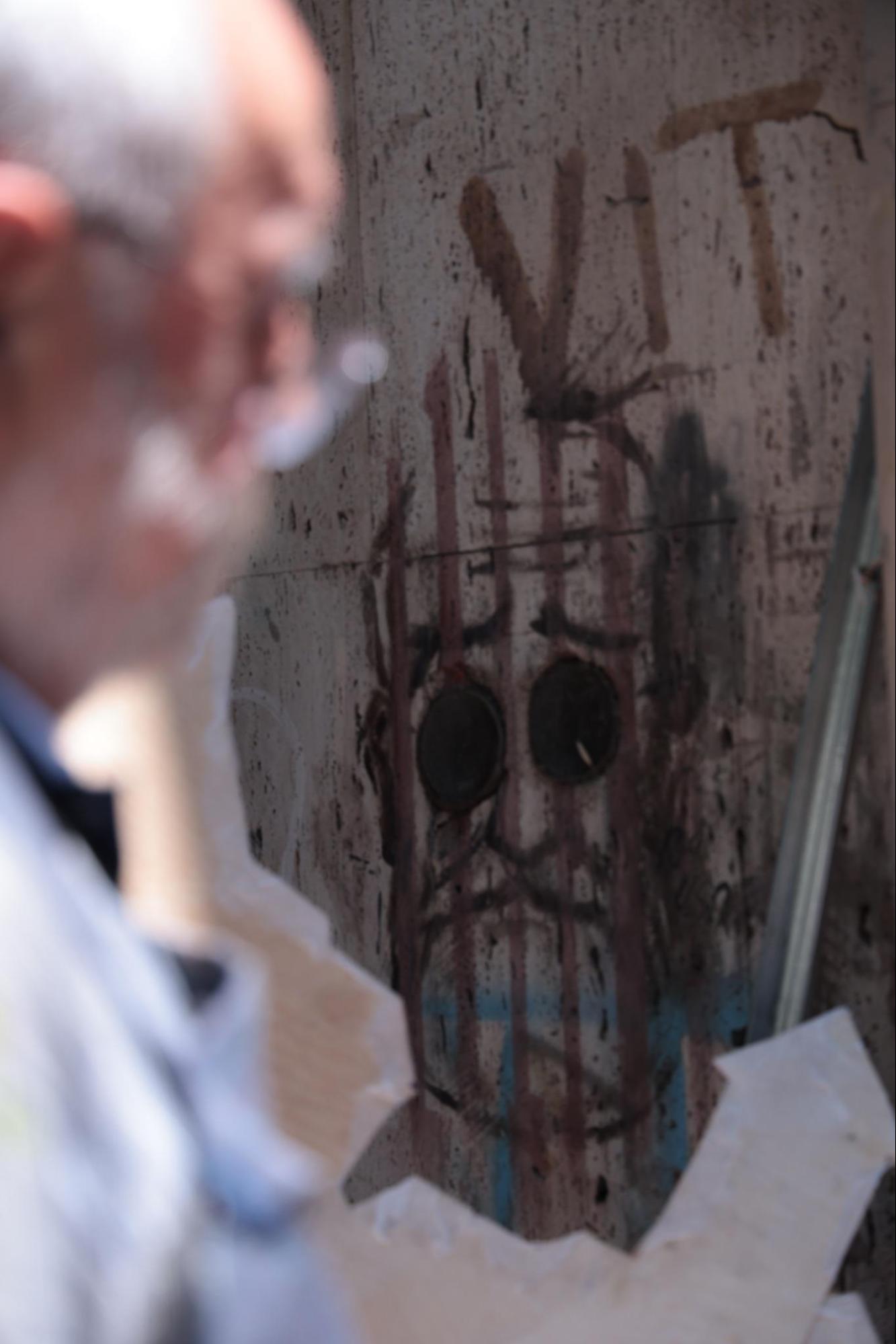
Beyond the theater, Badalyan is also a painter and collage artist, often working with discarded and recycled materials. Over the years, his art and theater work have grown side by side, constantly influencing one another.
“My painting and the theater are absolutely connected,” Badalyan said. “Every artist has their own way of thinking, but the theater has had a massive influence on my work. I can’t say which one influenced the other more, but they are completely interconnected.”
That connection can be seen in the characters he creates. Many of them carry a sense of humor and playfulness that has become one of his trademarks.
“It doesn’t work without humor,” he said. “A puppet’s character demands it, and so does a sculpture. There must be feeling in art.”
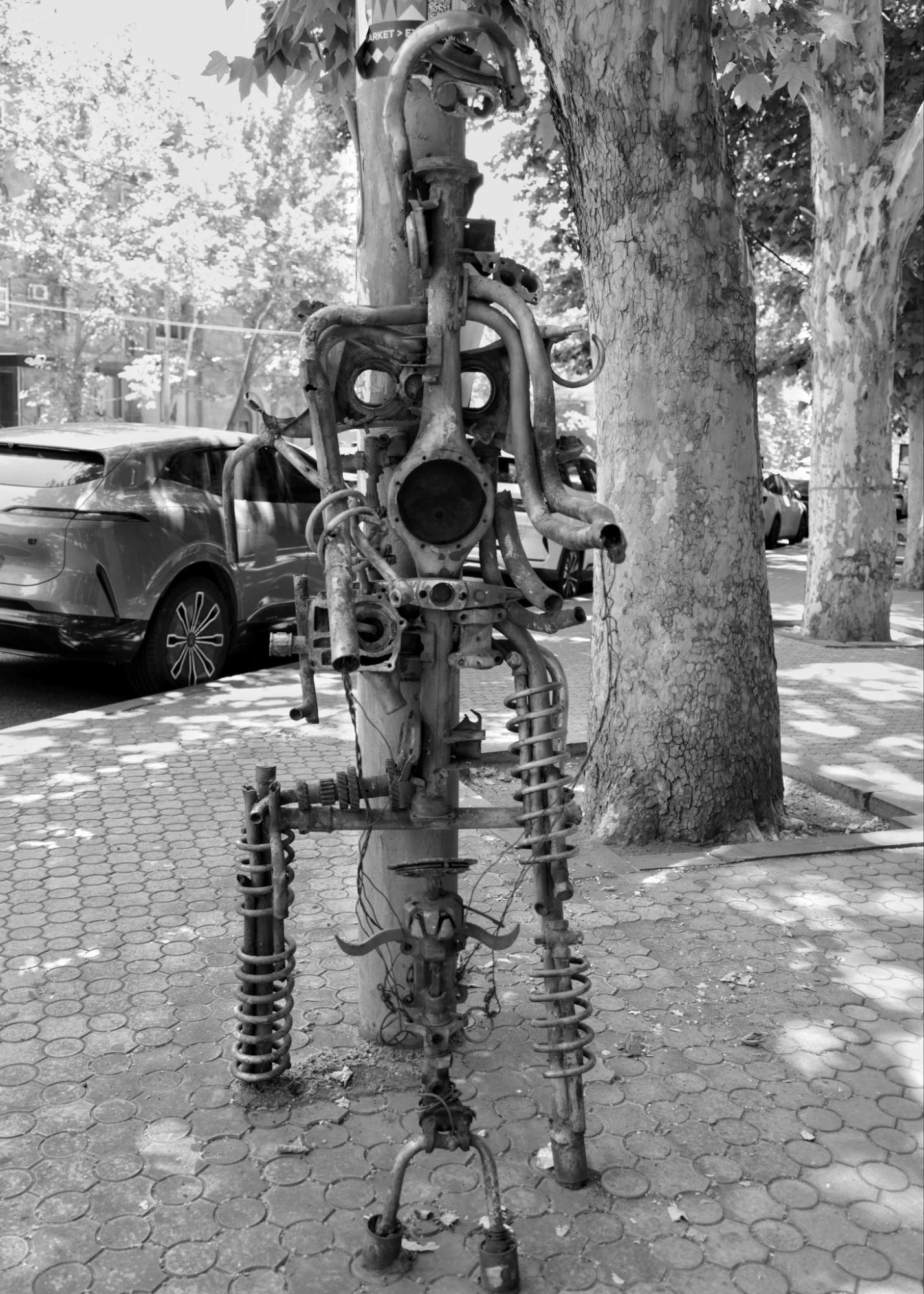
One of his most recognizable works stands at the entrance of the theater. When he created the sculpture, he imagined it as a reflection of the relationship between actor and puppet.
But audiences saw something else.
“One day, someone saw it and said, ‘It looks like motherhood,’” he recalled. “At first, I was surprised, but then I realized, why not? You can see a mother and child in it. In a sense, puppets are also the actor’s children.”
Badalyan believes that once a work leaves the artist’s hands, it begins a life of its own.
For him, puppetry is not simply a craft but a way of seeing the world.
“A puppeteer doesn’t have to be a trained artist,” he said. “But they need touch, taste and feeling — and someone who can give life to the puppet.”
Inside the workshop, materials gathered over many years fill the shelves and worktables. Pieces of wood, metal, fabric and objects from past productions wait quietly among unfinished sketches and tools.
“When you spend enough time looking at a material, it starts speaking to you,” Badalyan said.
This is the idea that has shaped much of what audiences have seen on stage over the years and continues to guide new generations discovering the art of the Marionette Theater.





Great article – I wish it was longer and told a deeper story of how the theatre is doing, more about the people that work there, and how the Diaspora can support the theatre!