


SheCan: How FAR helps Armenian women rewrite their future
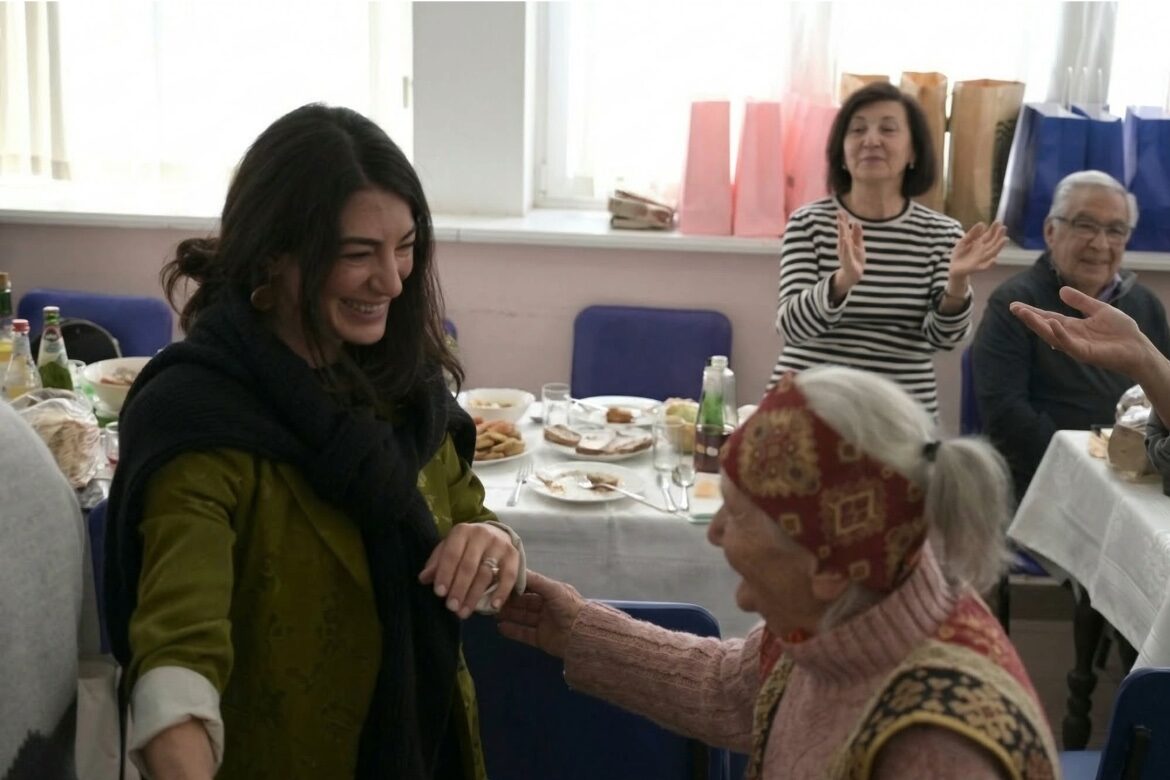
For more than three decades, the Fund for Armenian Relief (FAR) has quietly and steadily helped Armenia navigate survival. So deeply woven is FAR into the fabric of modern Armenian history that its impact often touches individuals before they even know its name.
It is a cyclical reality of the Armenian experience, where many have benefitted from FAR’s programs, often unknowingly, only to find themselves walking through its doors years later to give back. Consider the story of Helena Melkonyan, now a dedicated FAR employee. As a child growing up in a vulnerable, changing Armenia, she received life-sustaining vitamins and essential aid. It was not until decades later, while looking through the archives of her own life as a staff member, that the memory clicked; she had been held by FAR’s safety net long before she joined its mission. It is this continuity of care that turns relief into resilience.
In this conversation, The Armenian Weekly sits down with Bree Carriglio, executive director of FAR’s U.S. headquarters, and media strategist Elizabeth Yekhtikian, principal of Earned Media Consultants. Together, they discuss economic development programs that include small business assistance for both displaced Artsakh Armenians and Armenian entrepreneurs through SheCan, a 12-week accelerator that supports displaced women and single mothers from Artsakh as they develop businesses. From launching the digital marketplace Hye Collective to gaining attention from mainstream U.S. media, FAR has helped beneficiaries build a vibrant, more independent future.
Milena Baghdasaryan: Could you give us an overview of the FAR? How did the organization start, and how has its mission evolved over the years?
Bree Carriglio: I’ve been with FAR for about three years now, but the organization as a whole has been around for over 30 years. It was originally started by Dr. Edgar Housepian, Archbishop Torkom Manoogian and businessman Kevork Hovnanian in response to the devastating 1988 earthquake in Gyumri. Back then, it was purely about emergency humanitarian relief. The diaspora community traveled over from the U.S. to distribute basic, critical supplies like housing materials and mattresses.

However, the people who went over quickly realized that much more sustainable work needed to be done. They shifted their gaze toward long-term development, and that is really how we evolved into what we are today. While we still always step up for emergencies when called upon, whether it’s a military conflict or recent floods, our main day-to-day focus is sustainable programming. These programs are meant to empower and sustain Armenia’s most vulnerable populations. We operate across several key pillars:
Economic development: this is a huge focus and a massive passion of mine. It checks all the boxes in terms of making a real, tangible impact, ensuring financial transparency and guiding people toward true independence.
Healthcare: we handle clinic renovations and medical distribution, but our primary focus is continuing medical education. We originally did this in Artsakh, but we are now helping displaced healthcare professionals get free, accredited education so they can maintain their credentials and continue practicing as doctors and nurses in Armenia.
Child protection: we run a dedicated Child Protection Center in Yerevan for the most severe cases of child abuse and sexual abuse, often taking in the children that other places won’t accept. It is not an orphanage or foster care; it is a safe space where children come to heal, receive therapy, and work with their families. Our primary goal is family reunification, but if a situation is too horrific or unsafe, we will step in to facilitate foster care. We also have social workers from this program doing active outreach across the regions.
Social services: we operate five soup kitchens as well as a full-time, round-the-clock elderly care home in Vanadzor that houses more than 70 residents.
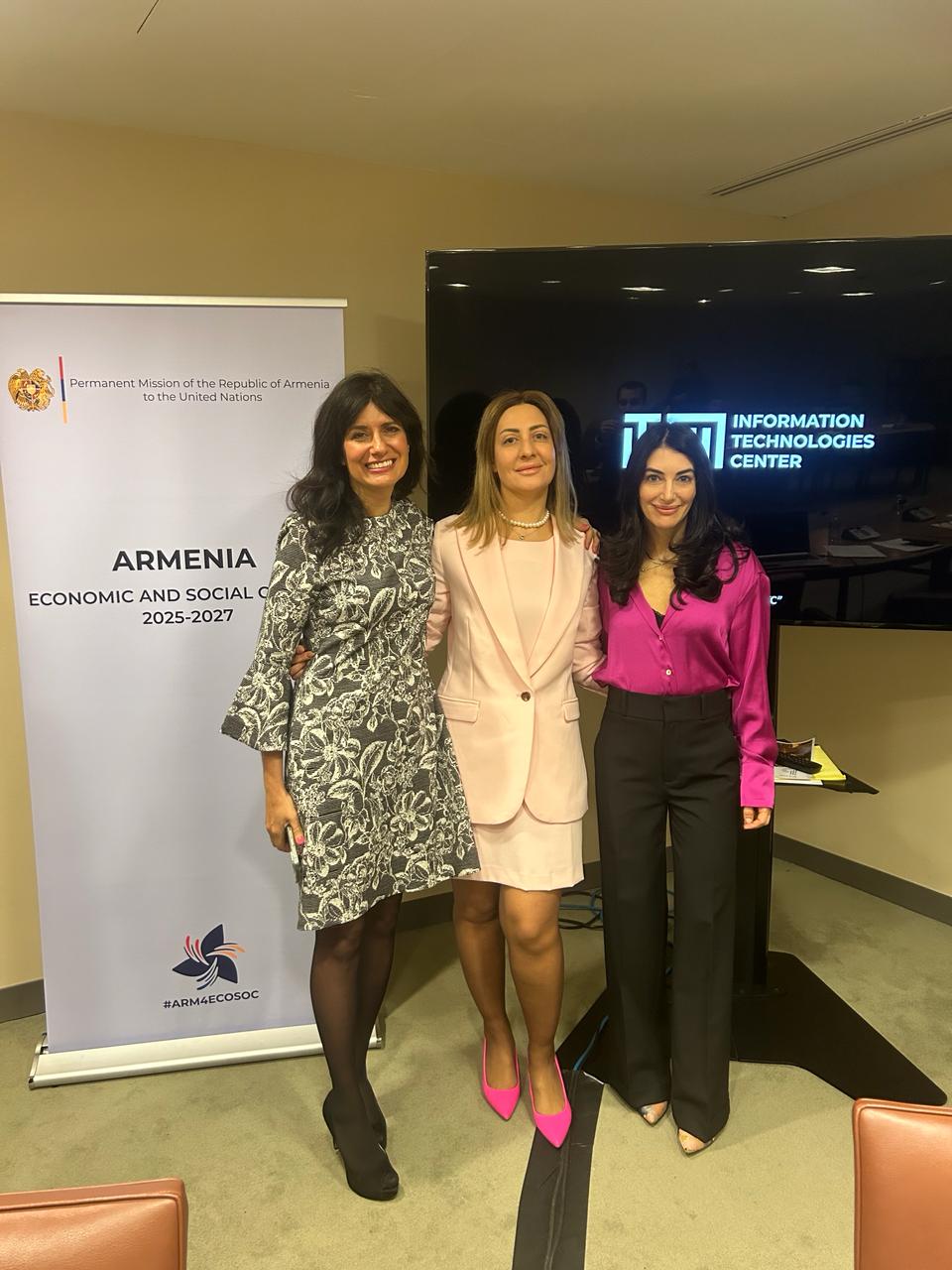
Education: we provide academic scholarships, renovate schools and run a vital malnutrition intervention program through local kindergartens.Under the strategic direction of Amalya Yeghoyan, the executive director of GITC [Gyumri Information Technologies Center], our tech education division, we recently opened a tech high school called ACT, Armenian Creative Technologies.
Our initiatives touch every facet of life. We have incredible program directors overseeing each of these pillars, constantly analyzing the regions to see what is working, what isn’t, and adapting from there.
Baghdasaryan: How do you and Elizabeth know each other?
Carriglio: When I joined FAR, there was a general feeling that the organization wasn’t being public enough about the phenomenal work they do. One of my goals was raising awareness about FAR’s programs globally and also educating the non-diasporic community on Armenian issues. I saw, particularly around the crises in 2023, how lacking mainstream media coverage of Armenia was compared to other global conflicts. I found Elizabeth because she had secured a fantastic piece on Armenians, and I knew her tenacity would be a major asset in getting our voice out there.
Elizabeth Yekhtikian: This is aging me big time, but I used to work at AGBU (Armenian General Benevolent Union) when I was in graduate school while completing my master’s in journalism at Emerson College. Part of my job in New York was managing publicity, and I was able to pitch and secure a documentary segment to be included in Peter Jennings’ “ABC World News Tonight” series covering the monumental events of the 20th century.
I physically went over and handed all the materials to Jennings’ producer. He eventually called me directly and said, “Elizabeth, it’s Peter Jennings. I will be including a segment on this for the Century series. I was a reporter in 1967 in Lebanon, and my cameraman was Armenian.” It was a monumental moment for me, and it sparked my lifelong passion for telling these stories.
The narrative doesn’t always need to center purely on tragedy and genocide. The story is also about what we are building in Armenia today and how the diaspora helps. It is important that people know our history, but it’s equally vital to tell positive stories to people who may not know how much amazing progress is happening post-genocide.
“Elizabeth, it’s Peter Jennings. I will be including a segment on this for the Century series. I was a reporter in 1967 in Lebanon, and my cameraman was Armenian.”
Carriglio: Growing up half-Armenian, my early understanding of my identity felt surrounded by a very dark, painful existence focused entirely on historical loss. When I found FAR, it was completely different; it was all about the present, the future and possibility. Seeing Elizabeth’s shared drive to give a strong, modern voice to our people really resonated with me.
Baghdasaryan: You recently launched an online marketplace for your entrepreneurs in both the Small Business Assistance (SBA) Program and SheCan. Can you tell me more about this?
Carriglio: Both SBA and SheCan focus on vetting entrepreneurs (SheCan focuses exclusively on women, mostly displaced from Artsakh), training them, vetting their business plans and providing seed money for them to get on their feet or expand what they have already started. Two years ago, we started selling some of the products produced by these entrepreneurs and got a lot of really positive feedback. The question became, how do we bring these products to the global marketplace in a way that would continue to support the programs? We fund it entirely through diaspora donations.
Beyond that, we constantly look for local markets and events in Armenia to feature their products so they don’t just fall off the radar and disappear.
Baghdasaryan: I know you also recently had an event in New York City. Could you tell us more details about this event?
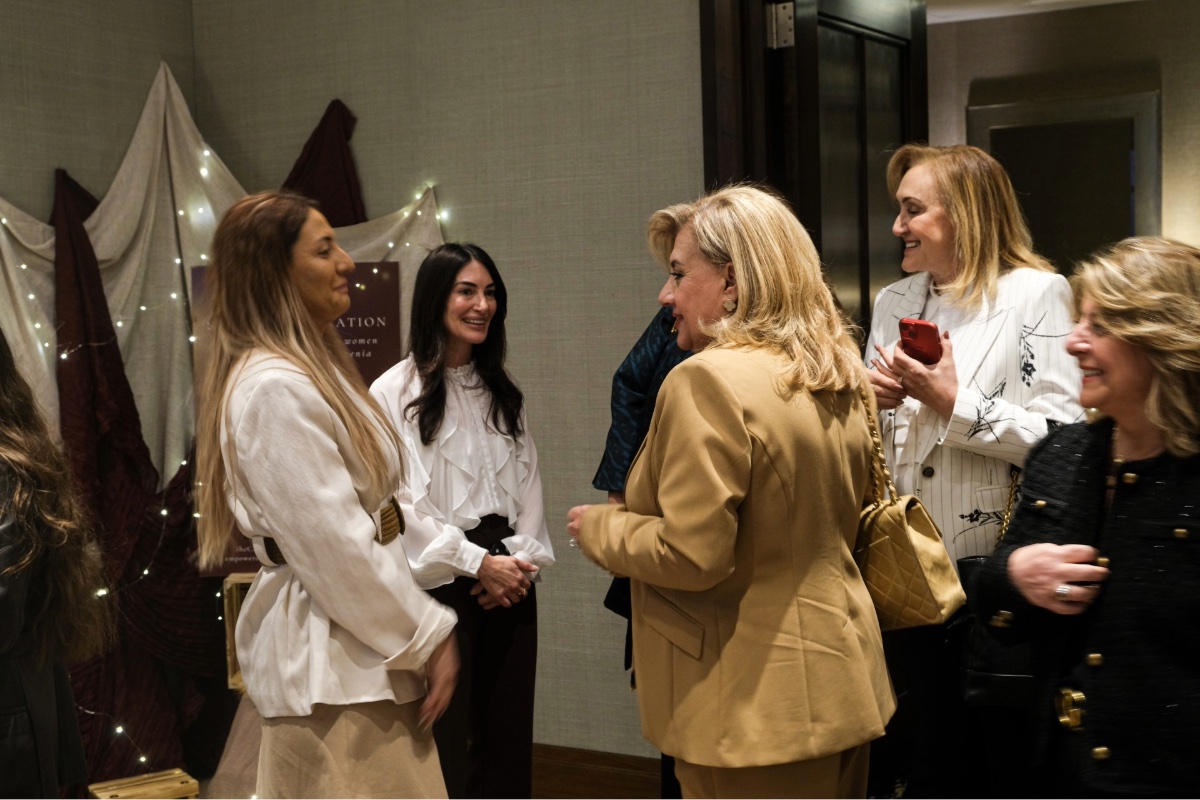
Carriglio: We held the event to specifically celebrate the SheCan women, commemorate women’s empowerment in business and introduce the Hye Collective. We basically recreated a physical market using tables to sell their products. We also had a screening room where we showed our short film so attendees could learn their stories and understand the program. We set up QR codes so people could purchase items online as well. It was a wonderful way to introduce their brands to the public.
Baghdasaryan: Were the visitors of the market mostly Armenians or also non-Armenians?
Carriglio: It was mostly Armenians, but it was a really interesting demographic. It attracted a lot of young people, which we don’t always draw because of the nature of our programs. There were also non-Armenians, which was really cool.
I’ve been telling my non-Armenian friends that this concept is universal; supporting female entrepreneurs resonates with everyone. We had over 100 people attend. While we initially worried that men wouldn’t attend a women’s empowerment event, we actually had a lot of men show up, which was a beautiful thing to see.
Baghdasaryan: In your opinion, what has been the most inspiring story so far from these entrepreneurs?
Carriglio: Wow, they are all inspiring to me. I am consistently amazed by their resilience and strength. When you watch the film and look at those three women in particular, to be a single mother and navigate these hurdles after everything the displaced population of Artsakh has gone through, it keeps everything in perspective. When you are having a bad day dealing with day-to-day things, watching them find a new path forward is a powerful reminder to stay strong.
From a market perspective, it’s going to be very interesting to see what products resonate most so we can help them tailor their inventory specifically to the U.S. market.
Baghdasaryan: Do you plan to expand the number of participants beyond the current cohort of 150?
Carriglio: We always want to expand. The two limiting factors are funding, ensuring we have that $500 per woman, and making sure we have enough staff to provide hands-on, individual attention. But having too many applicants because we have the funds to support them would be a great problem to have. We will always find a way to grow.
Baghdasaryan: Elizabeth, being in the media sphere, how do you think the narrative about Armenian women entrepreneurs has evolved over time? Have people become less skeptical about women becoming business owners?
Yekhtikian: From a United States perspective, I think there is very little skepticism. Culturally, people are incredibly receptive to the program. As Bree mentioned, the younger generation is highly engaged, which makes sense because they are very progressive. I haven’t seen resistance, nor do I think people are surprised that a program like this is happening.
It’s just deeply inspiring. No matter what is happening or how challenging the situation is, these women are going to get the job done.
Baghdasaryan: When sharing the “She Can” film, who was your main target audience, and how do you ensure these visual stories reach the right people?
Yekhtikian: The local Armenian media is always very important to us, but we are actively pushing for global mainstream awareness. For example, we recently did a piece with NPR looking at our Small Business Assistance (SBA) program. We have entrepreneurs coming through SheCan (which is women-only) and SBA (which is for everyone). We want mainstream media stories that highlight how people don’t just survive in these conditions, but actually thrive.
We also promoted Amalya’s trip to the UN where she addressed women from developing nations and the importance of skills to embark on a journey to financial independence and received national broadcast media attention from Cheddar News and NYSE Live which focused on the opening of ACT College.
We’ve even taken this approach with Psychology Today. The Executive Director of Child Protection Services, Mira Antonyan, is a regular contributing columnist there. She writes as an expert in social work, using our experiences on the ground to discuss trauma, resilience and the psychological component of aid. She explains that there is a very short window between providing emergency relief and transitioning people toward self-sustainability. If you miss that window, it can cause long-term psychological damage.
No matter what is happening or how challenging the situation is, these women are going to get the job done.
Pitching and placing stories in mainstream outlets like NPR, MarketWatch (we worked with a reporter for a story on Armenia’s tech prowess), and Psychology Today allows us to present our work almost as a case study for overcoming trauma and achieving economic independence.