



On a daily basis, we are all inundated with so much misinformation that it is becoming almost impossible to distinguish fact from fiction. For those of us in the news business, the challenge is even greater. Whereas regular people can pass on baseless rumors to their immediate circle, the mass media bears a much greater responsibility because it risks spreading false information to thousands or even millions of people, unless it first verifies the facts.
A recent example of a story that evolv





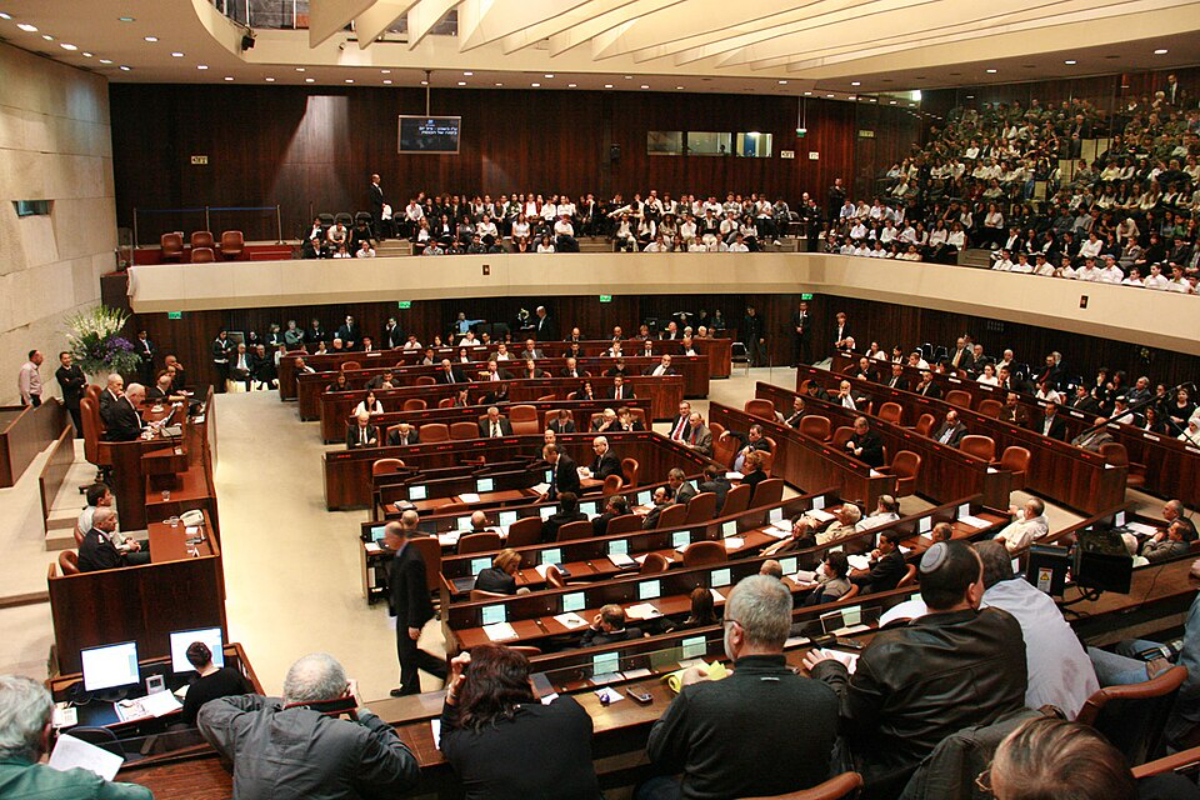
The reason is obvious: While Israel sent a “message” to Erdogan and Turkey by supposedly “recognizing” the Armenian Genocide at the cabinet level, it avoided making it a binding resolution through a Knesset vote and thus did not recognize it de jure, in order to avoid damaging its close and friendly alliance with Azerbaijan. This is a cynical Machiavellian move by Israel and, as one contributor commented in an article she pinned on this subject in Armenian Weekly on July 3, a “political scoring card”.
Israel officially recognizing additional genocides such as the Armenian Genocide could lead the Israeli public to view the Holocaust as “just one genocide among many,” rather than as a singular event with unique characteristics. This could weaken the Holocaust’s symbolic role in education, remembrance, and public consciousness in Israel so that is why Israel to this day has not recognized the Armenian Genocide, becuase if this was about relations with Turkey or Azerbaijan they would have done it a decade ago. And kudos to Pashinyan for not falling into this trap.
It was was odd all around since dropping the parliamentary motion which had a fair chance of passing after proposing it gave the impression that Israel could be pressured and showed Israel as indecisive. Also the Pashinyan showing ingratitude claiming recognition shouldn’t be politically motivated, perhaps meant Israel had no incentive to pursue the matter if Armenia at a state level wasn’t going to welcome the action and whilst a gesture ultimately was an attempt to improve relations with Armenia. Like in all things , self interest such as despite Armenia having a poor relationship with Israel and that Azerbaijan and Georgia had promptly recognised Palestine in 1992 , Armenia would decline to so similar until 2024 something this publication didn’t mention. As for why Armenia didn’t, various reasons ” couldn’t recognise another disputed territory when we have our own (unsupported) dispute over Arktash” , “we do more trade with Israel than the Palestinian authority areas so why upset that” ” we have the Armenian community in Israel to consider” ( there being no non Jewish Georgian nor Azeri community of significance in Israel) ” it’s a way of showing goodwill to Israel to not be antagonistic for something which doesn’t benefit us and to temper it’s relationship with Turkey and Azerbaijan” all these reasons were shown to be vacaccous and misguided after all many nations which get on great with Israel such as India and Azerbaijan etc also recognise Palestine and Israel didn’t seem too bothered by Azerbaijan Turkey and Georgia recognising Palestine and it didn’t stop them from having better relations with them than it did with Armenia. Indeed Israel seemed rather surprised when Armenia did recognise Palestine. As for the genocide issue more focus on the present and living is actually in the better interest and last and not least the Holocaust legacy isn’t as important to Israel as a unifier as it had been and sympathy for Israel internationally over the issue has decided somewhat in recent years.
Let me get this straight: We are supposed to crave “recognition” from the land-thieving genocide mongers who occupy Palestine, southern Lebanon, and swaths of Syria? A regime that last year alone killed tens of thousands of children and repeatedly bombed no fewer than five countries? The Miracle on the Mediterranean is thoroughly despised across the continents, and the tide of disgust is rising, Our leaders fall all over themselves seeking recognition from this monster? For anyone paying attention”recognition” of the Armenian genocide by a regime that is in the process of committing genocide broadcasts the hypocrisy of our leaders and discredits the Armenian genocide. Here’s a bit of news for our clever sycophants: the fate of the Miracle on the Mediterranean is tied to the fate of the American empire. As that empire continues to wane, so do prospects for zionist Israel. Some of us will not live to see its demise, but it will not survive this century. In any case, zionist “recognition” games make the question unavoidable: Isn’t it time we get over this “official recognition” obsession of ours?
@Markar , it seems at a government level Armenia wasn’t seeking Israeli recognition of the ottoman killings as a genocide or indeed for any country to do so, thus regardless of Israel own antics if the Armenian government seems to disavow and rebuff foreign countries from recognising the killings as a genocide nowadays it’s unlikely they are going to bother trying. Yes Israel is rather dependent on the support from the USA which has served them so well and in that aspect has somewhat tied it’s fate to theirs, although unlike Armenia and Russia the support is in a different league of the extent.
“Israel antics”? Is that like the Trimvirate’s “antics” 1915-18? I don’t get people who talk like you.
@ Markar, Israel ‘s antics I was referring to was it implying it was going to recognise the ottoman killings of Armenians as a genocide, but then deciding not to make it a state position, officially due to pressure from Azerbaijan. Which rather begs the question of why they said they were going to subject to parliamentary vote, which was understood to have been likely to pass, then not actually going through with the vote, effectively playing Armenia around but also making itself look indecisive and swayed by foreign countries something it’s rather conscious of not being seen as doing given it shows a weakness.
Think of it this way. There are some groups in Turkey that support normalizing relations with Armenia. One of the biggest obstacles today is Azerbaijan, which has built considerable influence in Turkey through years of economic and energy cooperation. In my view, Baku has little interest in seeing rapid Turkish-Armenian normalization.
Unlike Turkey, Azerbaijan also maintains strong relations with Israel. That raises an interesting question: what if Israel’s recognition was intended, at least in part, to provoke an overreaction from the Armenian government to stall or end this normalization? It’s only a hypothesis, but one that is not too far fetched. Because right after Pashinyan’s response Azerbaijan made its objection known the Knesset wote was abandoned.