


Daydreams from Darakyugh
I was the last to rise, as always. The clock read 8:10 a.m. and camp started at 9 a.m. I pulled the blanket to one side, hurriedly stood and shut off the alarm that graced the ears of all Camp Javakhk counselors. Looking up from the windowsill, I admired the landscape — still not fully accustomed to the lush mountains, the wooden crane nests perched atop the power line poles and the air, crisp as an apple and clean as grass after morning dew. It was the start of a wonderful day.
Scrambling to brush my teeth and wash my face before breakfast, I slipped into my Camp Javakhk uniform — my counselor shirt and a trusty pair of jeans — and made it to the table as everyone settled in. The food reflected the land’s bounty, known best by its stewards: honey sourced from local bees, potatoes pulled from our host mom’s garden and eggs hatched in the chicken coop in the far corner of the property. Slowly, the glories of village life were revealing themselves.

It was the second week of camp and, although it was my third year at Camp Javakhk, the first-day nerves came alive without fail. We finished breakfast and headed through the gate toward camp, only five minutes from our home — just enough time to settle the butterflies.
As we walked the final few steps, children aged 6 to 17 peppered the campgrounds, nervously eyeing the counselors, wondering who they would spend the next six days with. I had not been to Darakyugh since my first visit to Javahkhk in 2023 — the names took longer to recall, but the faces were familiar, like that of a former classmate. Vans continued to pull in, children jumping out in excitement, holding hands with friends as they ran to find a friendly corner to nestle into. As the local oknagans (helpers) arrived, memories of 2023 came rushing back; we all hugged — slightly shy but comforted by the joint toils of two years prior.
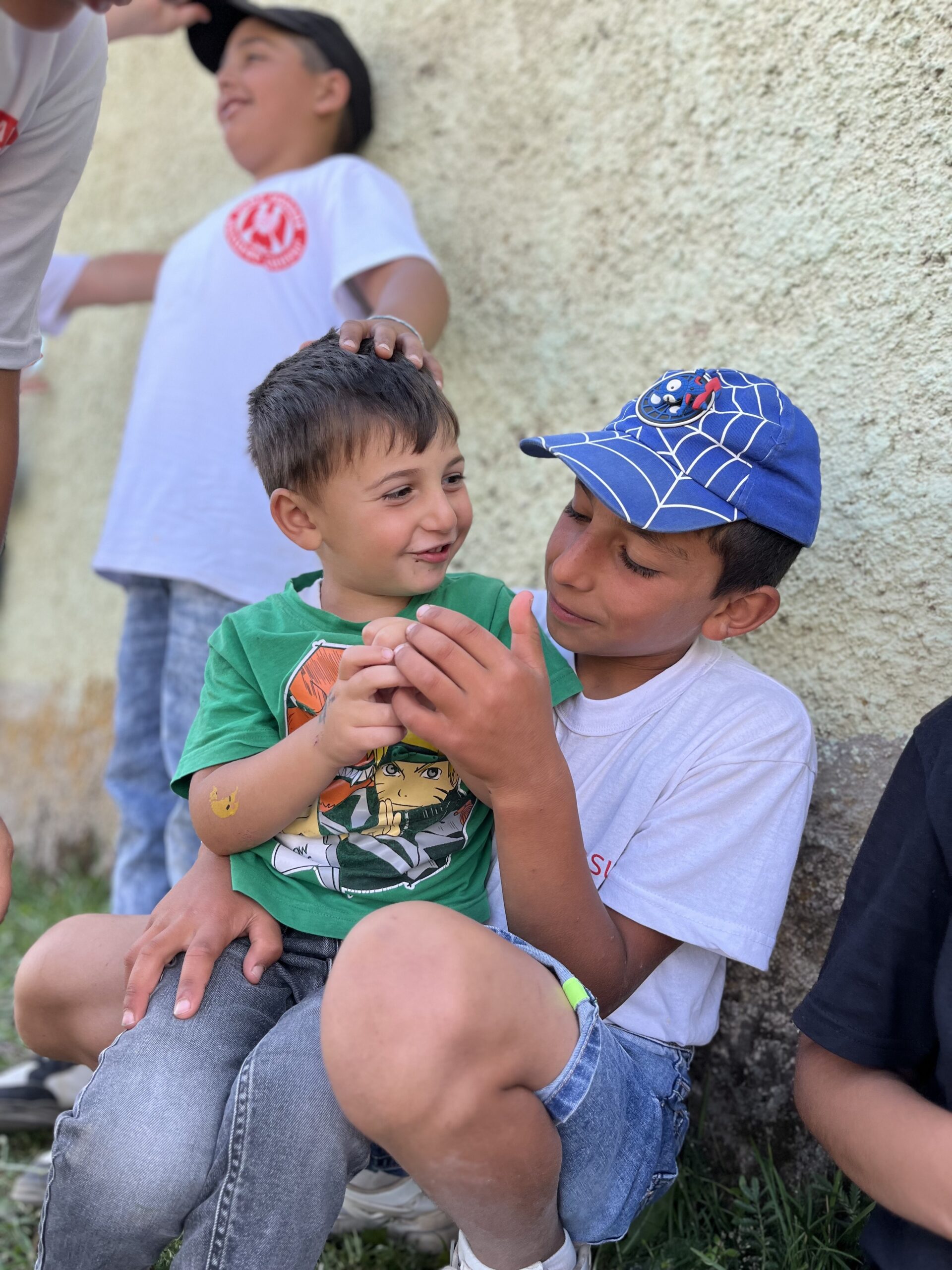
Our director’s booming voice signaled the start of camp, with all the children huddling together like blueberries on a bush. We separated them into age groups and began our rotation of educationals, singing lessons and journal writing.
Lunch could not come soon enough — children, without fail, always asked when it would be their turn to devour the food prepared by local volunteers. To their credit, it was mouthwatering and I found myself thinking about lunchtime as 12:45 p.m. would near.
The camp was as happy as a clam and children with full bellies were content for roughly five minutes — until their thirst for the outdoors broke like sunshine through clouds. Like a semi-organized army, the color groups rushed outside to line up for the field. The walk took around 15 minutes, during which friendly cows, ducks and chickens waded through the thunderous stomping of 60 children.
When we arrived at the field, two camps quickly emerged: those who liked soccer and those who were content with anything but soccer. The groups separated quickly — from the soccer clan, the bold claimed themselves as team captains and facilitated the division of teams, while the non-soccer clan rushed to the outdoor gym or played games that did not involve a ball.

Amid the hubbub of campers and endless questions like, “Can we stay longer?” or “When are we going back?” I looked around at the heaven that surrounded me. It was the same view I had admired from the window by my bed, but closer — more real. The beauty felt almost surreal: sunshine sparkling across the field, a gentle breeze kissing my cheeks, whispering, “This is your land. Do not let it go.”
The return to camp was met with some resistance, but mostly acceptance — 40 minutes under the Javakhk sun was a lot to bear. We lined the group by color and marched back, cementing friendships that blossomed in the mountains while learning more about the lives of these Armenians who quietly guard our presence in this holy land.
The arrival at the campgrounds brought temporary fatigue, which vanished when colorful string and gimp were spotted. Like a torrential rain, the children showered us with questions: “Can I have this color?” and “When will we get the gimp?” Arms and hands pressed forward, eager to grasp the hour’s source of happiness. Once the children quieted and eventually waited their turn, each camper received either string or gimp, as promised, and slow murmurs replaced the raucous. Counselors and oknagans moved through the rows of campers, offering assistance and celebrating the children’s creations.


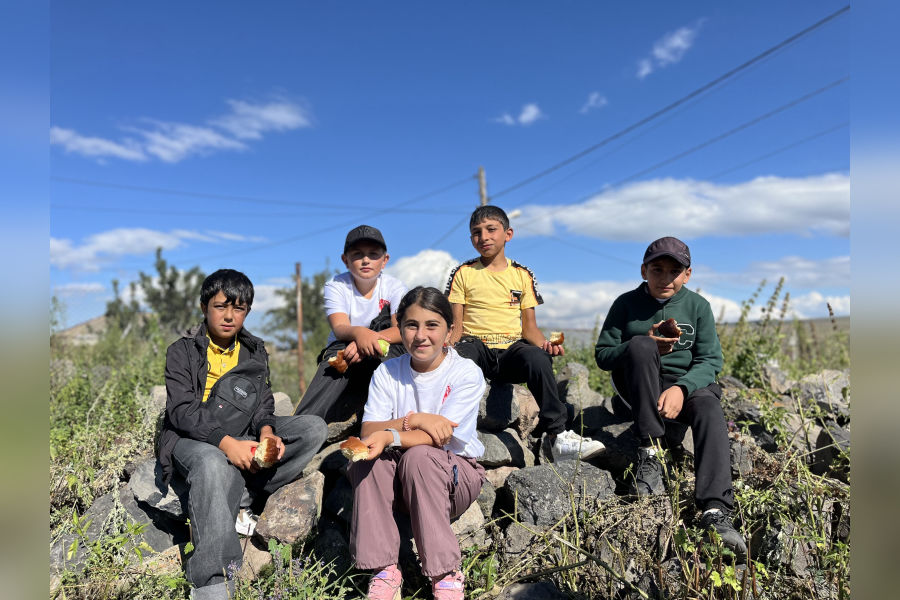
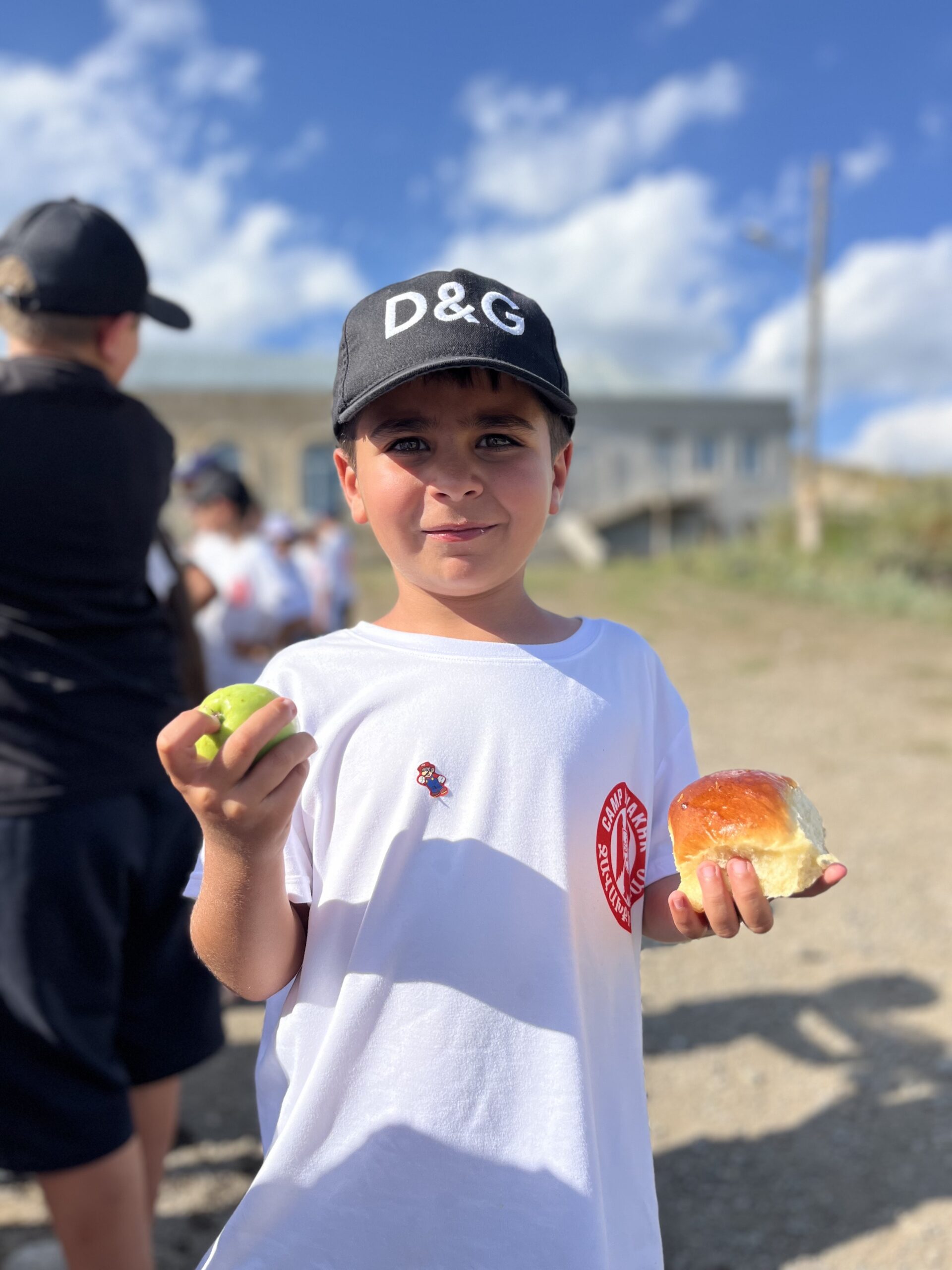
As strings turned into bracelets and gimp turned into keychains, the camp day slowly came to a close. Campers packed up and walked outside to close the camp with chants and the national anthem. The only agenda item left was snack time: a piece of fruit — usually an apple or nectarine — and honey-drizzled soft bread that transported you to pastry heaven and back. Children scattered across the camp, holding their snacks — especially the soft bread — like golden nuggets, rejoicing in a day of fun at a camp that brought the youth of Tsalka2 together. Waves and smiles from the campers marked the end of the day at Camp Javakhk, leading us back to our home for the week.
I owe endless appreciation to the Armenian Relief Society and the Central Camp Javakhk Council for bringing this program to life. It has allowed me to connect with Armenians within our hairenik (homeland) and fall in love with Javakhk all over again. Each visit brings new joys and each camp delivers a type of happiness that can only be felt with two feet on the land.
How lucky we are as Armenians to have this miracle lie within our hairenik. To you, Javakhk, for adding color to my world.
1. Katchmeroug: A game in which participants hold hands. It begins when one person attaches their foot to the foot of the person standing to their right, essentially tagging them. The tagged foot then becomes the foot the next individual can attach to and the sequence continues. Participants leave the game if they either fall, trip or make a mistake. ↩︎
2. Tsalka: The region where Darakyugh is located. The camp there hosts children from several villages, some traveling as far as 30 minutes to participate. ↩︎