



Saving forgotten voices in stone: Armenian epigraphic heritage across India
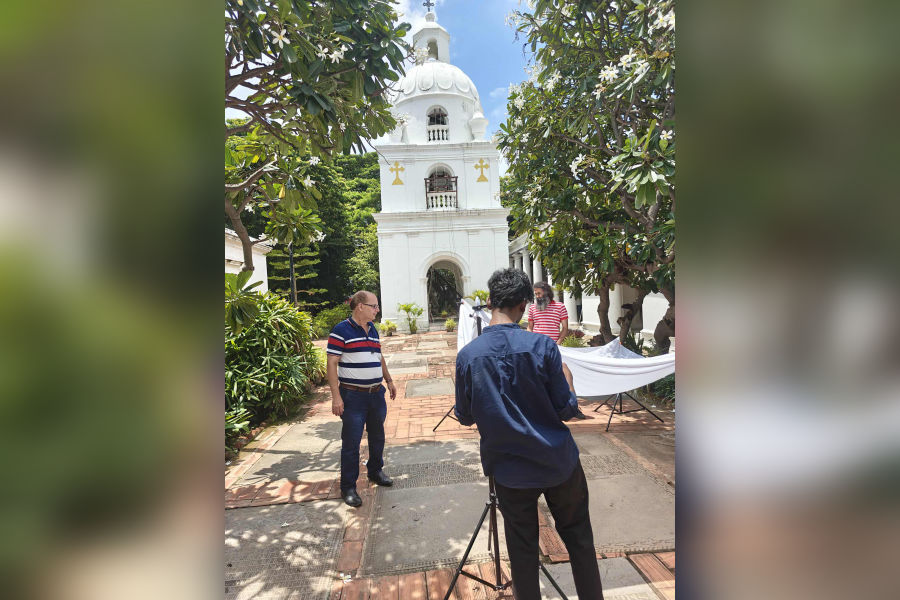
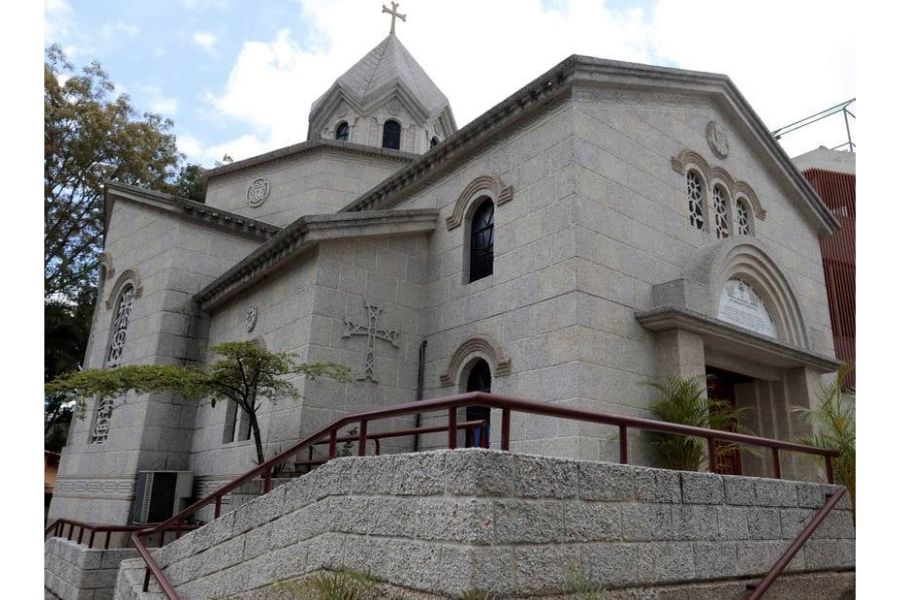
A new international initiative is set to preserve one of the least-known yet most remarkable chapters of India’s multicultural past — the Armenian inscriptions carved into the walls and gravestones of churches and cemeteries in Madras, Kolkata, Mumbai and Hyderabad.
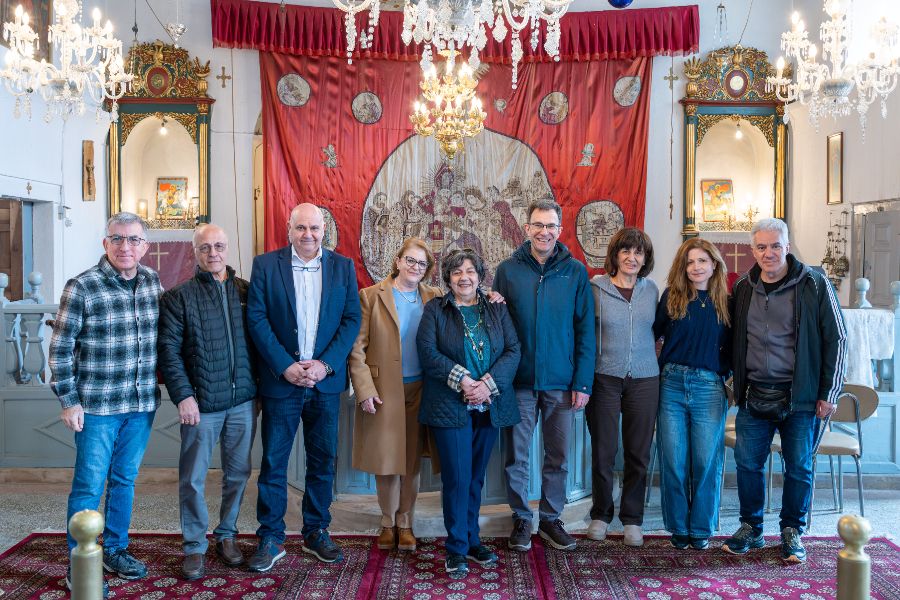
The project, “Endangered Armenian Epigraphic Heritage,” was launched as a pilot under the British Library’s Endangered Archives Program (EAP) in September 2025 and brings together a trio of dedicated scholars and cultural advocates: Dr. Hamest Tamrazyan, Professor Gayane Hovhannisyan and Michael Stephan.
Dr. Tamrazyan, whose research has included digitization projects in Artsakh, Armenia and Ukraine, explains that the project began after the British Library expressed interest in her conference presentation at Switzerland’s École Polytechnique Fédérale de Lausanne (EPFL) on Artsakh Armenian epigraphy. “We chose India because it is the easternmost and one of the earliest centers of Armenian cultural presence outside the homeland,” she explained. Her experience preserving epigraphic heritage in conflict zones underscores the urgency of protecting these endangered monuments before they are lost to time.
Dating from the 17th to the early 20th century, these inscriptions — etched in sandstone and marble, often in Classical Armenian — testify to the once-flourishing Armenian communities that contributed to India’s trade, education and culture. Over centuries, humidity, pollution and neglect have severely eroded the stones, leaving many texts on the verge of disappearance.

“Each inscription is a story in stone — a trace of migration, faith and resilience,” said Dr. Tamrazyan.
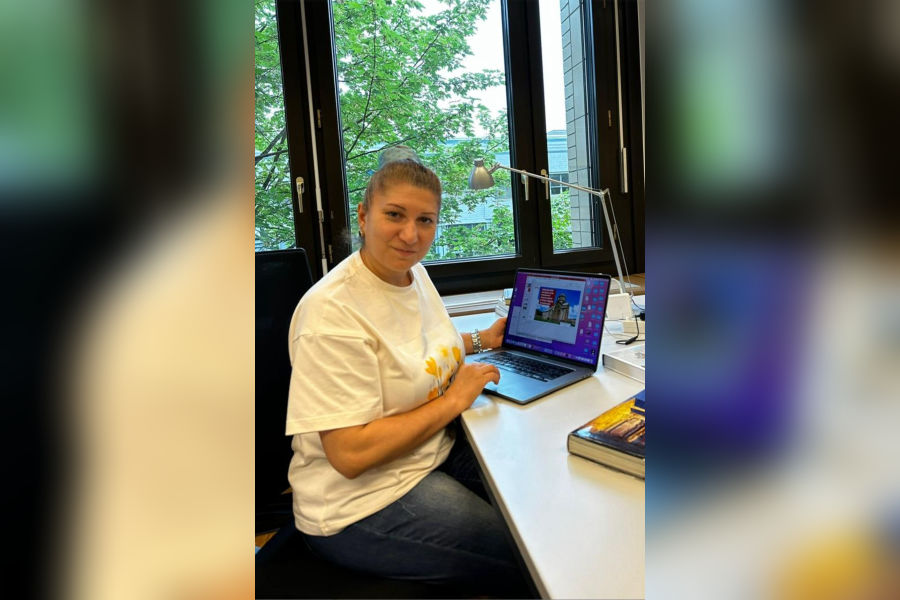
Professor Gayane Hovhannisyan, a linguist and expert in cultural communication, will ensure contextual accuracy throughout the data cataloguing process. “These stones are more than texts,” she reflected. “They are bridges between civilizations. Preserving them means preserving an entire dialogue between East and West.”
Michael Stephan, an Indian citizen of Armenian descent, brings vital local knowledge and will coordinate fieldwork in India. He emphasized that “this work is urgent — the community is small, and many sites are deteriorating fast. Digitization is our only way to ensure they are not lost forever.” Stephan was connected to the project through an Armenian network established by Nigoghos Seferyan.

The project involves on-site cleaning and professional photography, followed by bilingual metadata development and the creation of digital archives. These will be made freely accessible to academic and cultural institutions in India and Armenia. If successful, the initiative will form the first structured digital corpus of Armenian inscriptions in India, opening new horizons for the study of diasporic history, trade routes and cross-cultural contact in the Indian Ocean world.
Supported by local volunteers and guided by international digital heritage standards, the team will work site by site — from the lush, overgrown cemetery in Chennai’s Island area to the historic Armenian quarters of Kolkata — photographing, documenting and preparing the material for online access.
The researchers also welcome information about Armenian inscriptions worldwide. In the words of Professor Hovhannisyan, “Preserving these voices in stone is not only an act of memory — it is a gift to the future.”

It is great to see how the Indian Armenians have preserved and protected the Cultural Identity of their Ancestors. Congratulations to the Dr. Tamrazyan and Professor Hovhannisyan for carrying out such work. Let me also thank the people who are looking after the up keep of our Holy Churches. Let us not forget Madras is the birth place of the Armenian Printing Press.