



Armenians in Jerusalem and the dilemma of Israel’s recognition of the Armenian Genocide

The Armenian presence in Jerusalem dates back to 301 AD, when Armenia adopted Christianity as its national religion, and Armenian monks and pilgrims subsequently settled there. Today, Jerusalem is home to a small Armenian community comprised of descendants of Armenians whose ancestors came to the Holy Land after 301 AD, and descendants of Armenians who survived the Ottoman genocide and immigrated to Palestine in large numbers between 1915 and 1923, before the establishment of the Jewish state.
On Tuesday, August 26, 2025, Israeli Prime Minister Benjamin Netanyahu told Patrick Bet-David — an American media personality — on his podcast, that he recognizes the genocide carried out by the Ottoman Empire against Armenians during World War I. However, his response did not make it clear whether he was being serious or sarcastic, which is not befitting the Prime Minister, whose ancestors were subjected to the Holocaust at the hands of Nazi Germany during World War II.
When asked by Patrick Bet-David why Israel did not recognize the Armenian Genocide, Netanyahu said, “I think we did. I think the Knesset (Israeli Parliament) passed a resolution to that effect.” When asked why no Israeli prime minister has ever recognised the Armenian Genocide, Netanyahu replied: “I just did. Here you go.”
Netanyahu’s declaration that the Knesset has recognized the Armenian Genocide, while the Knesset has not passed any such official legislation, coupled with his sarcastic tone, is an insult to the victims of the Armenian Genocide and the Jewish Holocaust.
It is worth noting that the 2020 Second Nagorno-Karabakh War (September 27 to November 10), and the 2023 Azerbaijani offensive on Nagorno-Karabakh (September 19 to 20) — which led to Azerbaijan’s control of the entire region (the Republic of Artsakh) and other territories of the Republic of Armenia — and the perpetration of genocide against its Armenian population, occurred during Netanyahu’s tenure as Prime Minister. Further, Israel provided full military and political support to Azerbaijan, a fact that Armenians will never forget.
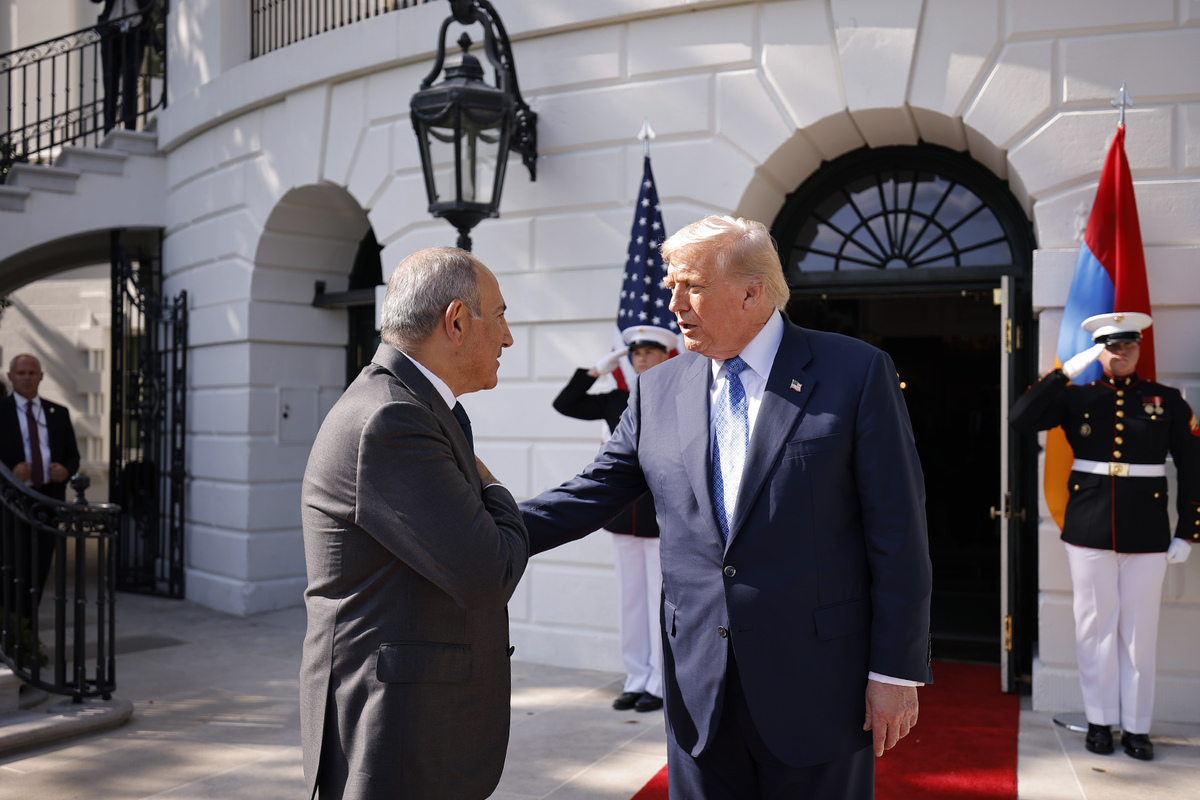

This was the first postmodern conflict in which drones outperformed a conventional ground force, exhausting it to the point of incapacity. The war was a one-sided affair, pitting Azerbaijani drones (mostly operated by Israeli experts) against Armenian ground forces.
In an article published in Princeton Alumni Weekly in September 2025, Mark F. Bernstein writes: “Although the Rwandan genocide lasted 100 days during the spring and summer of 1994, its horrors have lingered for generations…the Rwandan genocide has long since disappeared from the front pages, the work of bringing the offenders to justice will continue for decades, much as former Nazis continued to be prosecuted long after the end of World War II…How many will face justice remains to be seen, but the process, he believes, serves its own purpose.”
Since its establishment on the land of historic Palestine in 1948, Israel has refused and continues to refuse to recognize the genocide committed by the Ottoman Empire against the Armenian people between 1915 and 1923. This is due to several reasons, which I summarize as four points.
First, it has military and commercial ties with the successor of the Ottoman Empire, Turkey, a NATO member and a Middle Eastern country that shares the same Mediterranean coast with Israel; in addition to its strategic ally, Azerbaijan, a Turkic state, located in the Caucasus region and sharing a long border with Iran, Israel’s archenemy.
Second, some Jews in Turkey and Europe supported the Ottomans’ committing genocide against the Armenians.
Third, Israel uses the recognition of the Armenian Genocide as a threat and bargaining chip with Türkiye.
The fourth, and most important, reason is that Israel seeks to monopolize the genocide (or what is known as the Holocaust) of the European Jewish people at the hands of Nazi Germany and its allies during World War II. Monopolizing this catastrophe to gain the sympathy of the peoples of the world, as it is the greatest victim worldwide.
In other words, Israel has struggled for decades against recognizing the Armenian Genocide, primarily to preserve the exceptionalism of the Holocaust.
In April 2001, then Israeli Foreign Minister Shimon Peres categorically denied what he described as “Armenian claims.” He added that: “Israel rejects attempts to create a similarity between the Holocaust and the Armenian allegations. It is a tragedy what the Armenians went through, but not a genocide.” This statement crossed the line into active denial of the Armenian genocide. Peres simply made explicit what had been Israel’s policy since 1948.
In September 2018, Professor Hans-Lukas Kieser, a Swiss historian of the late Ottoman Empire and Turkey, was Professor of modern history at the University of Zurich and currently lectures as a Professor of Modern History at the University of Newcastle, Australia. Kieser said: “Because of Israel’s complicated on-again, off-again diplomatic relations with regional powerhouse Turkey, it was unable to do what many Israelis morally wanted, which was to publicly recognize the Armenian Genocide in the Knesset.”
According to Kieser, recognizing the Armenian Genocide holds relevance for Israelis today beyond the usual discussion of Israel-Turkey relations. Jews, he says, historically played a key role in promoting propaganda from the Ottoman side as Armenians continued to be slaughtered.
Keiser said: “Talaat enjoyed particularly good Jewish press in Istanbul and abroad” during the period surrounding the Armenian genocide, notably in Germany (An ally of the Ottoman Empire during WW I), where newspapers like Deutsche Levante-Zeitung praised Talaat as an outstanding leader and the savior of imperial Turkey.”
Although this glorification smacked of propaganda and lies, Kieser claims many Germans bought into the words of the Jewish press at the time and were affected by its corrosive logic. Israel’s decision to remain silent on the Armenian Genocide has drawn sharp criticism from Jewish and non-Jewish writers, historians, academics and human rights activists around the world, many of them from within Israel itself.
The late Professor Yehuda Bauer, who was a leading Israeli historian, scholar of the Holocaust and academic adviser to the Yad Vashem Holocaust museum in Jerusalem, said in a June 2018 radio interview that: “the Israeli Parliament’s failure to recognize the Armenian Genocide was a betrayal.”
In an article published in the Israeli newspaper “Haaretz” on June 19, 2018, by Benjamin Abtan, Beate, Serge and Arno Klarsfelds, titled “Israel Must Stop Playing Political Games With the Armenian Genocide,” they noted that: “Israel bears a special responsibility to recognize the Armenian Genocide to ensure the prevention of future mass atrocities.”
“It is high time Israel joins numerous other nations in recognizing the Armenian genocide. Such a move would restate Israel’s fundamental values and would reinforce the international coalition against genocide denial,” the authors wrote.
Abtan and Klarsfeld stressed that Israel should not worry about Turkey’s diplomatic threats against countries that dare to recognize the genocide. To date, thirty-four countries and numerous other international bodies have recognized the bloody events of World War I against Ottoman Armenians as genocide, a consensus supported by genocide scholars and historians. The governments of Israel, Azerbaijan, Turkey and Pakistan deny the genocide.
As a descendant of an Armenian Genocide survivor (from my mother’s side), I say: If Israel wants to maintain the world’s respect for the Holocaust and be recognized on the international stage as a voice of reason and legitimate morality, it must put aside its arrogance and conceit and stop denying the Armenian Genocide. It must acknowledge its participation in the genocide against the Armenian people and stop working against the recognition of the Armenian genocide in international forums. Further, it must apologize to the Armenian people for inciting Azeri Jews to demonstrate in Tel Aviv in 2020 in support of Azerbaijani aggression against Armenians in Artsakh.

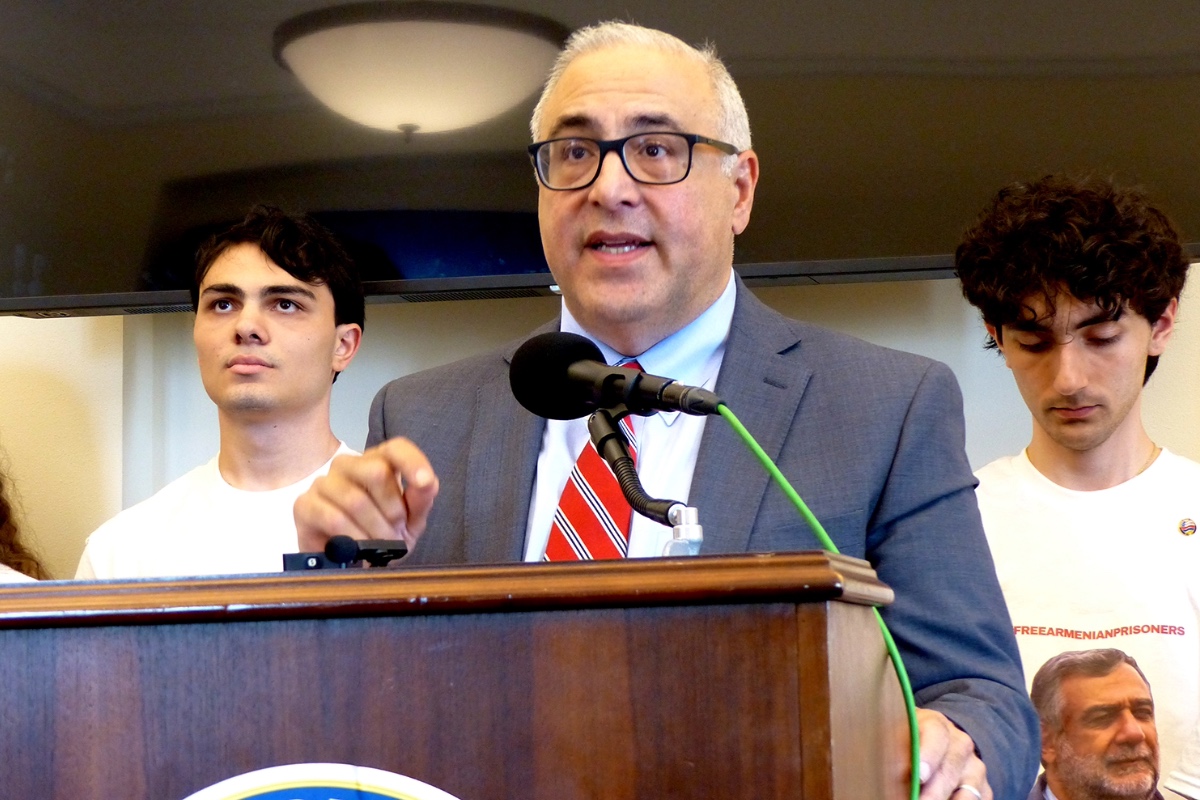

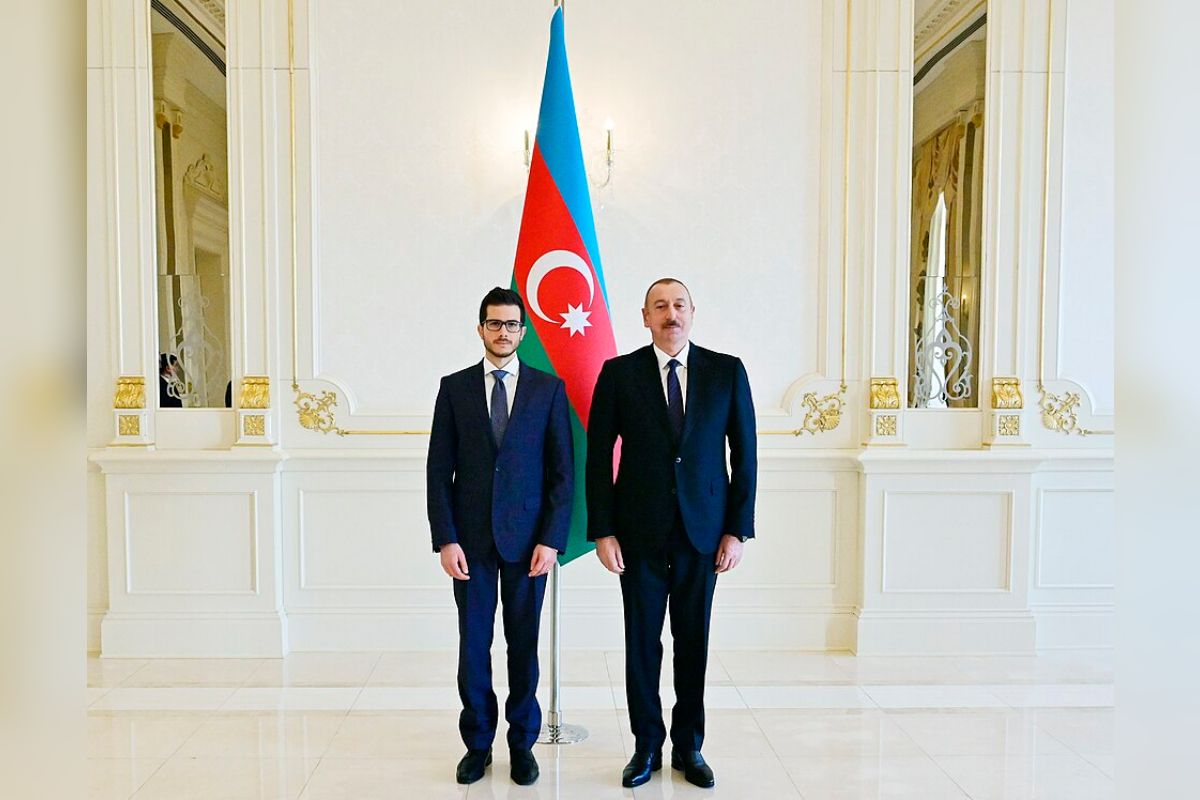
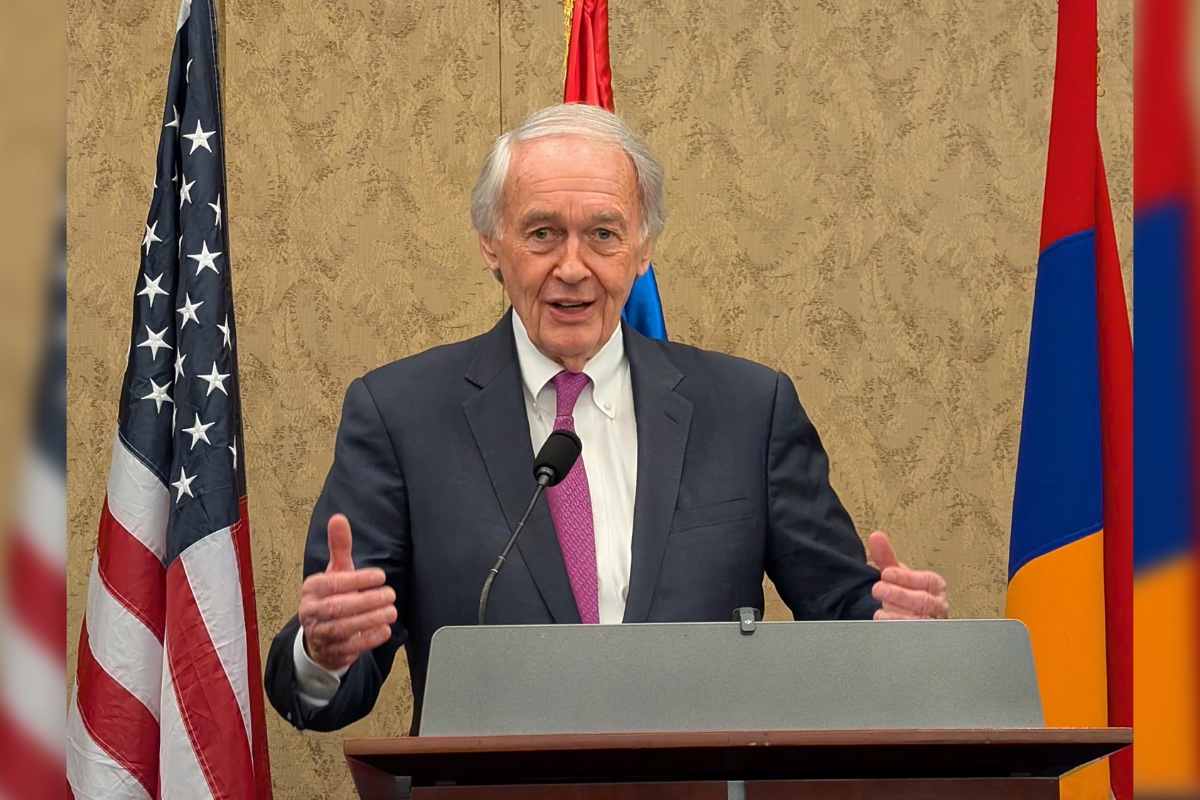
Netanyahu said that he recognizes the Armenian, Assyrian and Greek Genocides, but there has not been an official recognition given by either the Israeli cabinet or passed by the Israeli parliament to date, which would make this recognition legal.
We all know that Netanyahu uses the Armenian Genocide for opportunistic reasons, after his falling out with Erdogan over Hamas and Gaza back in 2009. If Netanyahu was serious, he would have officially recognized the Armenian Genocide and the other genocides perpetrated by Turkey through a cabinet and parliamentary resolution then.
The potential recognition of the Armenian Genocide by Israel will not be due to empathy (even though genocide is what both peoples have experienced and share), but simply due to the emnity and geopolitical rivalry between Israel and Turkey – to “score points” and to “p##s off” the other side.
The main reason why Israel still does not officially recognize the Armenian Genocide, is of course because of Azerbaijan. Since Azerbaijan and Israel have developed very close relations and have an unofficial alliance, with Azerbaijan constantly buying the most modern Israeli weapons and hardware (which it used to attack and conquer Artsakh, and to attack and occupy Armenia’s territory in 2021), and in turn selling its petroleum and natural gas to Israel (which accounts for 40% of Israel’s hydrocarbon imports), this symbiotic relationship and Azerbaijan’s “veto” of the potential recognition the Armenian Genocide by Israel, is set to continue.
Israel has strung Armenia along and perhaps it was the false hopes of empathy was a factor in Armenia not recognising Palestine for so long in addition to it’s dysfunctional policy of not doing so because no one recognised Arktash. It was ironic indeed with Israel being no friend yet Armenia in effect being pro Israel by declining to recognise Palestine indeed Azerbaijan and Georgia lost little time in recognising Palestine in 1992 months after being able to properly form their own foreign policy and it didn’t upset their relationship with Israel yet Armenia was full of absurd claims that it had more trade with Israel than Palestine and didn’t want to lose the chance ( who Armenia finally realised wasn’t going to happen) of Israel recognising the ottoman killings as a genocide. Seperatley in Europe sympathy for Israel over the holocaust is rapidly declining generational and demographic shift it’s destruction of Gaza means that by the centenary a very different sentiment will be the dogma. So whilst Turkey got away with it and Germany didn’t respectively and sadly Armenia seems willing to let bygones be bygones although it’s no longer living memory, Israel is running out of credit over it’s own genocide as liberal Jews have warned for years was going to happen .